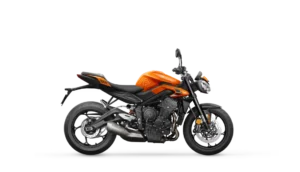
Quick Analysis
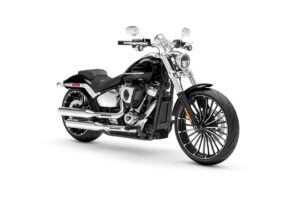
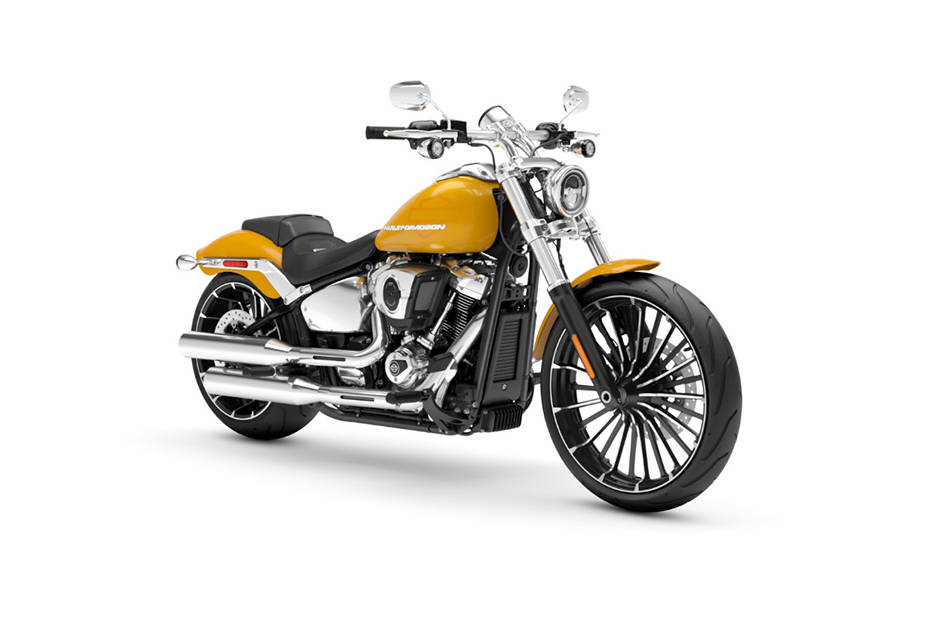
Breakout
31.5 pts
Unweighted: 22 advantages
EnginePerformanceDimensionsBrakesTyresFeaturesOther
ATHER 450 Apex
17.0 pts
Unweighted: 28 advantages
EnginePerformanceDimensionsBrakesTyresFeaturesOther
| Specification | ||
|---|---|---|
Engine Specifications |
||
| Cooling System | Air-cooled | — |
| Displacement | 1,923 cc | — |
| Engine Type | Milwaukee-Eight® 117 V-Twin | — |
| Power | 104.69 @ 5020 rpm | 7.0 kW |
| Torque | 168 Nm @ 3,500 rpm | 26 Nm |
Performance & Efficiency |
||
| Fuel Tank Capacity | 18.9 litres | — |
| Mileage | 17 Kmpl | — |
| Top Speed (km/h) | — | 100 |
Dimensions & Weight |
||
| Kerb Weight | 309 | 111.6 |
| Seat Height | 665 | 780 |
Brakes & Suspension |
||
| ABS | Dual-channel ABS | Combined braking system & regenerative braking |
| Front Brake | Disc | Hydraulically actuated triple-piston calliper disc, 200mm |
| Front Suspension | Hidden, free piston, coil-over monoshock, 43mm stroke, hydraulic preload adjustment | Telescopic forks |
| Rear Brake | Disc | Hydraulically actuated single-piston calliper disc, 190mm |
| Rear Suspension | Dual-bending valve 49 mm telescopic with aluminum fork triple clamps, dual rate spring | Symmetrically mounted progressive monoshock |
Tyres & Wheels |
||
| Front Tyre | 130/60 B21 | 90/90 - 12 |
| Rear Tyre | 240/40 R18 | 100/80 - 12 |
| Tyre Type | Tubeless | Tubeless |
| Wheel Type | Cast aluminum (26-spoke) | Alloy |
Features & Technology |
||
| Headlight | LED | LED |
Other Specifications |
||
| 0–40 km/h (s) | — | 2.9 |
| Anti-Theft / IoT Tracking | — | Yes |
| App Connectivity | — | Yes |
| Battery | — | 3.7 kWh Lithium-ion |
| Battery Capacity (kWh) | — | 3.7 |
| Battery Chemistry | — | Li-ion |
| Battery Warranty (Years) | — | 5 |
| Bike Image 1 | https://motoautiv.com/wp-content/uploads/2025/06/Centerline.jpeg | — |
| Bike Image 2 | https://motoautiv.com/wp-content/uploads/2025/06/Firestorm.jpeg | — |
| Bike Image 3 | https://motoautiv.com/wp-content/uploads/2025/06/Gray.jpeg | — |
| Bike Image 4 | https://motoautiv.com/wp-content/uploads/2025/06/Red.jpeg | — |
| Built-in GPS Navigation | — | Yes |
| Charger Output Power (kW) | — | 0.7 |
| Charging Port Type | — | Proprietary |
| Charging Time (Fast) | — | 1–1.5h |
| Charging Time (Standard) | — | 5.45 |
| Cluster | Analog speedo with LCD inset | — |
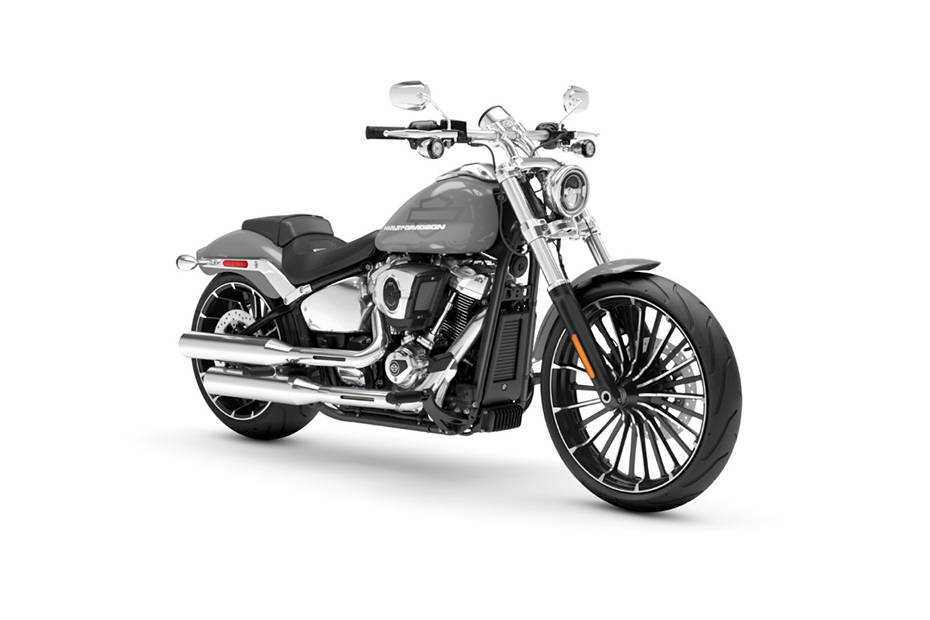
| Color Options | Billiard Gray | #6B7074 Vivid Black | #0F0F10 Centerline | #D8A628 Brilliant Red | #A01824 Midnight Firestorm | #1A1A1A | Indium Blue | #2A4B8D, #F04E23 |
| Connectivity Features | — | Bluetooth, Wi-Fi, 4G, navigation, call/music control |
| Cons | Handling Prioritises Style Over Agility – The long wheelbase and wide rear tyre can make the motorcycle feel less nimble than other cruisers when changing direction quickly. Limited Cornering Clearance – Riders can reach the limits of the footpegs earlier than expected when cornering aggressively. Not Designed for Touring – The stock setup lacks wind protection, luggage capacity, and touring-oriented equipment. Wide Rear Tyre Influences Low-Speed Handling – The 240-section rear tyre can make the motorcycle feel heavier during slow-speed manoeuvres and tighter turns. Minimal Pillion Comfort – Passenger accommodation is secondary to the motorcycle's styling-focused design. Fuel Tank Capacity Is Modest for Long Trips – While suitable for cruising, the fuel tank is smaller than those found on dedicated touring motorcycles. Premium Ownership Costs – Insurance, servicing, tyres, accessories, and replacement parts can represent a significant expense. Engine Heat Can Be Noticeable in Traffic – The large V-twin engine can generate considerable heat during prolonged stop-and-go riding. Limited Practicality – Storage options, weather protection, and everyday utility are not major priorities in the Breakout's design. Requires Familiarity at Low Speeds – The combination of weight, wheelbase, and rear tyre width can require an adjustment period for riders unfamiliar with large cruisers. | Relatively expensive — might feel like overkill if you only need basic commuting. Suspension and ride comfort may feel a bit firm on rough or potholed roads. Storage and seating/space may feel limited if you need more room or are a taller rider. Real-world range drops noticeably with aggressive riding or heavy load — and reliability depends on having charging access. The premium features and extra cost may not feel “worth it” for riders who don’t use them often. |
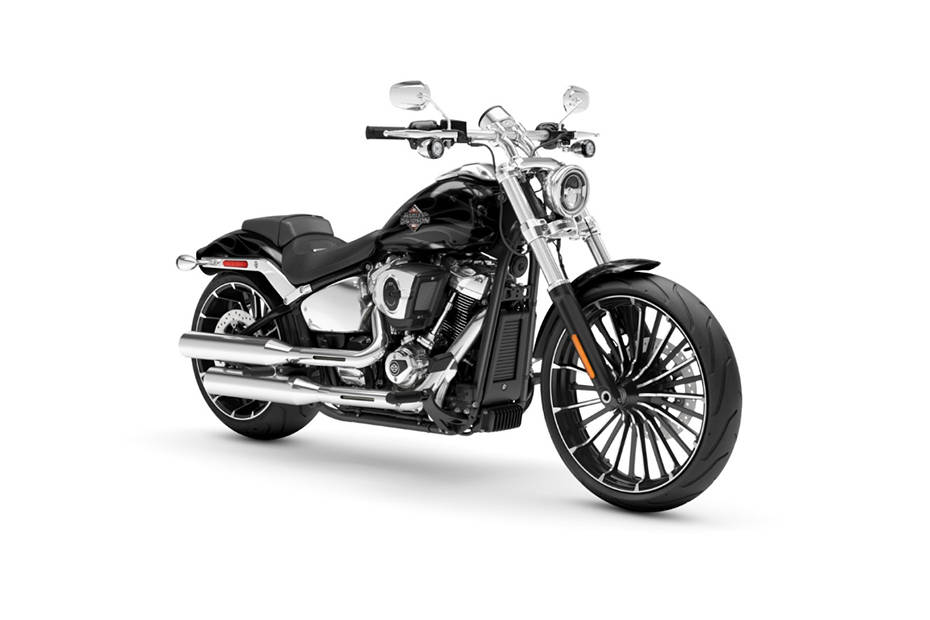
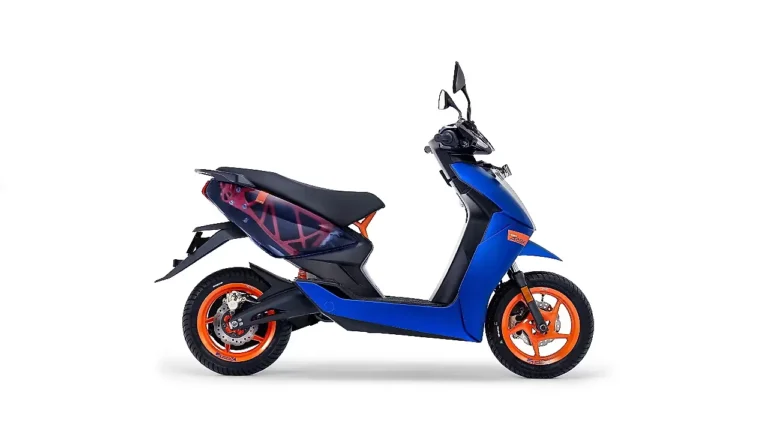
| Detailed Overview | The Harley-Davidson Breakout is a motorcycle that takes much of its inspiration from custom drag-style cruisers. Its proportions are noticeably different from those of conventional cruisers, with a long wheelbase, stretched fuel tank, low seat height, and an exceptionally wide rear tyre. These design choices play a major role in shaping both the motorcycle’s appearance and riding characteristics. Within Harley-Davidson’s lineup, the Breakout is part of the Softail family, sharing its underlying platform with several other models while maintaining a distinct visual identity focused on custom-cruiser styling. Power comes from Harley-Davidson’s Milwaukee-Eight 117 engine, a large-capacity V-twin designed around strong low- and mid-range torque. Unlike engines that rely on high engine speeds to deliver performance, the Milwaukee-Eight develops much of its pulling power lower in the rev range. This affects the way the motorcycle accelerates and responds to throttle inputs, particularly during relaxed road riding and highway cruising. The engine is paired with a six-speed transmission, allowing the motorcycle to operate at relatively low engine speeds while travelling at highway velocities. Fuel injection manages fuel delivery and throttle response under varying riding conditions. The Softail chassis forms the structural foundation of the Breakout. One of the defining elements of the Softail platform is its hidden rear monoshock suspension system. Although the motorcycle visually resembles a traditional hardtail cruiser, the concealed rear suspension provides wheel travel and damping for road use. At the front, conventional telescopic forks handle suspension duties. Together, the suspension components are configured to support the motorcycle’s low stance while maintaining ride control across different road surfaces. A significant part of the Breakout’s visual and mechanical character comes from its rear wheel setup. The motorcycle uses a wide 240-section rear tyre, which is considerably larger than what is found on most standard motorcycles. This tyre contributes to the motorcycle’s appearance and influences handling characteristics, particularly at lower speeds and during directional changes. The front wheel adopts a narrower profile, creating a visual contrast that reinforces the stretched custom-cruiser design. Braking is handled by disc brakes at both ends, supported by modern electronic safety systems. Recent versions of the Breakout include ABS and traction control as standard equipment. Depending on market and specification, additional rider-assistance features such as selectable riding modes and cornering-sensitive electronic systems may also be available. These technologies work through onboard sensors and are intended to assist with braking and traction management under different riding conditions. The riding position reflects the motorcycle’s cruiser-oriented design. Forward-mounted foot controls place the rider’s legs in a stretched-out position, while the handlebar is positioned to allow a relatively relaxed upper-body posture. The seat height is approximately 665 mm, making it one of the lower motorcycles in Harley-Davidson’s range. This low seating position contributes to both the motorcycle’s styling and rider accessibility. The Breakout carries an 18.9-litre fuel tank integrated into its elongated fuel tank design. Lighting functions are handled by LED units, and the motorcycle incorporates a compact digital display for essential riding information. Compared to Harley-Davidson’s touring motorcycles, instrumentation remains relatively straightforward, focusing primarily on core vehicle data rather than extensive infotainment functions. With its Milwaukee-Eight 117 V-twin engine, Softail chassis, hidden rear suspension, wide rear tyre, and stretched cruiser proportions, the Harley-Davidson Breakout represents a modern interpretation of the factory custom cruiser concept. Its specifications and layout are centered around low-slung styling, strong torque delivery, and traditional V-twin cruiser architecture while incorporating contemporary electronic safety systems and modern engineering solutions. | The Ather 450 Apex is an electric scooter designed with a focus on performance and advanced features for urban use in India. It is powered by a permanent magnet synchronous motor paired with a 3.7 kWh battery pack. The motor produces around 7 kW of peak power and about 26 Nm of torque, which allows the scooter to accelerate quickly, especially at lower speeds. It can reach a top speed of around 100 km/h, and the 0–40 km/h acceleration is approximately 2.9 seconds. The scooter offers multiple riding modes such as SmartEco, Eco, Ride, Sport, and Warp+, which adjust how power is delivered depending on riding conditions and preferences. The battery is fixed and uses lithium-ion chemistry, and it is charged using a portable home charger or through Ather’s fast-charging network. A full charge using a standard charger takes around 5 hours and 45 minutes, while fast charging can reduce the time significantly for partial charging. The claimed range is around 157 km under IDC conditions, although real-world range typically varies between 110 and 120 km depending on speed, riding mode, and traffic conditions. In terms of design, the Ather 450 Apex includes a unique look with translucent side panels that partially reveal the internal structure. The scooter maintains a compact and sporty form factor, which helps in city riding and maneuverability. The overall weight is balanced to keep it manageable in daily conditions. The suspension setup includes telescopic front forks and a rear monoshock, which are tuned to provide stability, although bumps and uneven roads can still be felt. The braking system includes disc brakes at both ends with a combined braking system to improve control during sudden stops. The scooter is equipped with a touchscreen TFT display that shows speed, battery status, navigation, and ride data. It supports smartphone connectivity through Bluetooth and internet features like navigation, call alerts, and ride statistics. Over-the-air updates are also available, allowing the system software to be updated without visiting a service center. Additional features include reverse mode, side-stand sensor, and different levels of regenerative braking. The seating position is slightly forward but still comfortable for daily use, and the overall ergonomics are suited for urban commuting. Storage space is limited compared to larger scooters, which may affect practicality for carrying bigger items. The Ather 450 Apex is built to offer a combination of performance, technology, and everyday usability, with its overall experience depending on factors like charging access, road conditions, and traffic in India. |
| Drive Modes | — | SmartEco, Eco, Ride, Sport, Warp+ |
| Expert Review | The Breakout is one of those motorcycles where the styling largely dictates the riding experience. Everything about it, from the stretched profile to the enormous rear tyre, is designed to create a particular visual impact, and that comes with certain compromises. The Milwaukee-Eight 117 engine suits the motorcycle well, delivering strong torque with very little effort and making relaxed cruising feel natural. On open roads, the Breakout feels stable and unhurried, encouraging a laid-back riding style rather than aggressive cornering. The long wheelbase and wide rear tyre contribute heavily to its character, but they also make the bike feel less agile than some other cruisers when the road becomes tight or technical. Harley-Davidson has also incorporated modern electronics and rider-assistance systems, helping the motorcycle feel more contemporary beneath its traditional cruiser appearance. The Breakout is best understood as a factory custom cruiser rather than an all-round motorcycle. Its priorities are visual presence, straight-line performance, and relaxed cruising, with practicality and outright handling taking a secondary role., 4.3, MotoAutiv Team | The Ather 450 Apex is positioned as a performance-focused electric scooter in India, aimed at riders who want quicker acceleration and higher top speed than regular EVs. Its motor delivers strong initial pickup, which is noticeable in city traffic as well as on open roads. The ride quality is slightly firm, so rough roads and potholes can be felt more clearly. It comes with a detailed electronics and connectivity package, which may take some time for new users to fully understand. Range and charging still depend on usage patterns and access to charging infrastructure. It is more relevant for riders who prioritize performance and features over simple commuting needs., 4.5, MotoAutiv Team |
| FAQ (Manual Override) | Q: What type of motorcycle is the Harley-Davidson Breakout? A: The Breakout is classified as a power cruiser, combining custom-inspired styling with a large-capacity V-twin engine and relaxed cruiser ergonomics. Q: Which engine powers the Harley-Davidson Breakout? A: The motorcycle uses the Milwaukee-Eight 117 V-twin engine paired with a 6-speed gearbox. Q: Is the Breakout designed for touring? A: Not primarily. While it can cover long distances, the motorcycle is focused more on cruising and styling than dedicated touring comfort. Q: What is the seat height of the Breakout? A: The seat height is approximately 665 mm, making it one of the lower motorcycles in Harley-Davidson's lineup. Q: Why does the Breakout have such a wide rear tyre? A: The 240-section rear tyre is a major part of the motorcycle's custom-cruiser styling and contributes significantly to its visual presence. Q: Does the wide rear tyre affect handling? A: Yes. It contributes to the Breakout's distinctive look but can make low-speed manoeuvres and direction changes feel heavier than on narrower-tyred motorcycles. Q: Does the Breakout have riding modes? A: Yes. Recent models include selectable ride modes and electronic rider-assistance systems. Q: Does the Breakout come with cruise control? A: Depending on market and model year, cruise control may be available as standard or optional equipment. Q: What is the fuel tank capacity of the Breakout? A: The motorcycle is equipped with a fuel tank of approximately 18.9 litres. Q: Is the Breakout suitable for beginners? A: Due to its size, weight, torque output, and wide rear tyre, it is generally better suited to riders with some experience. Q: How is the Breakout different from the Fat Boy? A: The Breakout focuses more on custom-cruiser styling with a stretched profile and wider rear tyre, while the Fat Boy offers a broader, more traditional cruiser character. Q: Is the Breakout comfortable for a passenger? A: Passenger accommodation is relatively limited in stock form, as the motorcycle's design prioritizes its solo-rider custom-cruiser appearance. Q: What is the kerb weight of the Harley-Davidson Breakout? A: The motorcycle weighs approximately 310 kg in running condition, depending on specification. Q: Does the Breakout have smartphone connectivity? A: The feature set is relatively simple compared to Harley-Davidson's touring motorcycles, and smartphone integration varies by market and model year. Q: What body type does the Breakout belong to? A: It is generally categorized as a power cruiser or custom cruiser, designed around strong torque delivery, relaxed ergonomics, and custom-inspired styling. | Q: What is the top speed of the Ather 450 Apex? A: The top speed is around 100 km/h. Q: How fast does the Ather 450 Apex accelerate from 0–40 km/h? A: It accelerates from 0–40 km/h in about 2.9 seconds. Q: What is the battery capacity of the Ather 450 Apex? A: It comes with a 3.7 kWh lithium-ion battery. Q: What is the real-world range of the Ather 450 Apex? A: You can typically expect around 110–130 km in mixed riding, and about 75–95 km in hard riding. Q: What is the certified range of the Ather 450 Apex? A: The official IDC-certified range is up to 157 km per charge. Q: How long does it take to charge the Ather 450 Apex? A: A full charge through the home charger takes roughly 5.75 hours. Q: What kind of motor does the Ather 450 Apex use? A: It uses a 7.0 kW PMSM motor that produces up to 26 Nm of torque. Q: Does the Ather 450 Apex have fast charging? A: It supports Ather fast charging, letting you top up quickly on compatible chargers. Q: What ride modes are available on the Ather 450 Apex? A: Modes include SmartEco, Eco, Ride, Sport, and Warp+. Q: What type of brakes does the Ather 450 Apex have? A: It has disc brakes at both front and rear, with combined braking and regenerative braking. Q: What is Magic Twist on the Ather 450 Apex? A: Magic Twist is a regenerative braking system that slows the scooter when you release the throttle. Q: How much does the Ather 450 Apex weigh? A: It weighs around 111.6 kg. Q: What is the under-seat storage capacity? A: It offers 22 litres of under-seat storage. Q: Does the Ather 450 Apex have navigation? A: Yes, it has onboard navigation integrated into the touchscreen display. Q: What size is the instrument display? A: It has a 7-inch touchscreen dashboard. |
| Fast Charging Supported | — | Yes |
| Final Drive Type | — | belt |
| Fuel System | Fuel Injection | — |
| Ingress Protection (IP Rating) | — | IP67 |
| Motor Power (Continuous, kW) | — | -0.1 |
| Motor Power (Peak, kW) | — | 7 |
| Motor Type | — | PMSM |
| OTA Updates | — | Yes |
| Price Variants | STD | 3179000 | Standard | 189946 |
| Pros | Striking Custom-Cruiser Styling – The Breakout is built around a long, low silhouette with a wide 240-section rear tyre, stretched fuel tank, and extensive chrome detailing. Its design takes strong inspiration from custom drag-style cruisers. Powerful Milwaukee-Eight 117 Engine – The large V-twin produces substantial torque across the rev range, making acceleration feel effortless without requiring frequent gear changes. Strong Straight-Line Performance – The combination of abundant torque and a low-slung chassis suits relaxed cruising and rapid roll-on acceleration. Premium Fit and Finish – Paint quality, chrome components, switchgear, and overall construction reflect the motorcycle's premium positioning within Harley-Davidson's lineup. Comfortable Solo Riding Position – The low seat height and relaxed ergonomics allow riders to spend extended periods in the saddle without adopting an aggressive posture. Wide Rear Tyre Enhances Road Presence – The massive rear tyre is a defining visual element and contributes to the motorcycle's distinctive stance. Modern Rider Assistance Features – Recent models include ABS, traction control, selectable ride modes, and other electronic rider aids integrated into the Softail platform. Strong Customisation Potential – Like many Harley-Davidsons, the Breakout serves as a popular base for aftermarket modifications and personalization. | Strong, responsive acceleration — fun and confident around city traffic or during quick overtakes. Good top speed for an electric scooter, making it usable not just for city commutes but occasional longer or faster rides. Smart, modern features and a connected dashboard — adds convenience, navigation, and a premium feel. Adequate real-world battery range for daily commuting and moderate longer rides. Low maintenance compared with petrol scooters — simpler upkeep, no fuel hassles. |
| Range (Claimed, km) | — | 157 |
| Starter | Electric | Push Button Start |
| Torque (Electric, Nm) | — | 26 |
| Transmission | 6-speed manual | — |
| Vehicle Warranty (Years) | — | 3 |