Breakout 2026 Price - Images & Specifications
Price starts at ₹3,179,000 for 1 variants
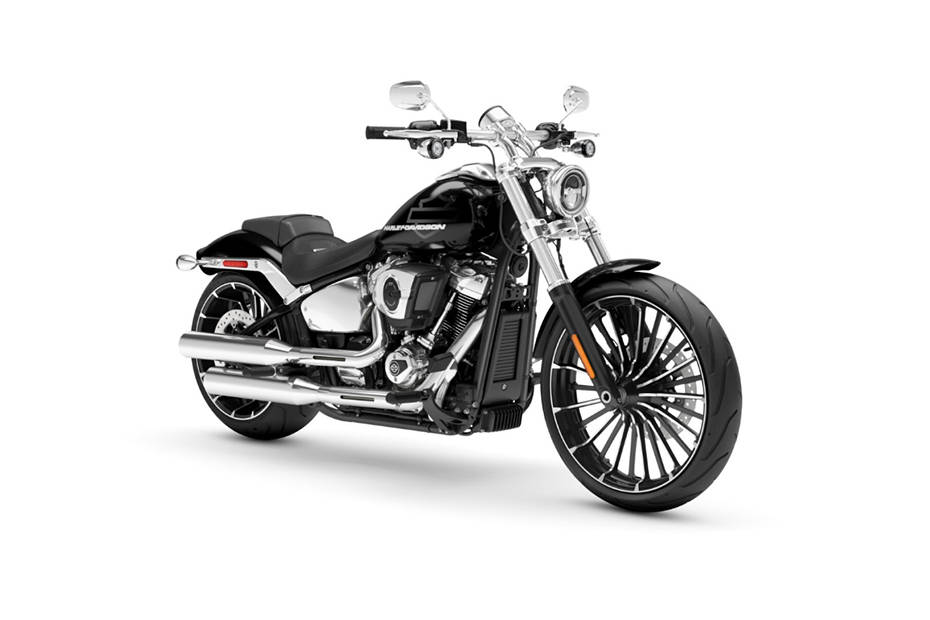
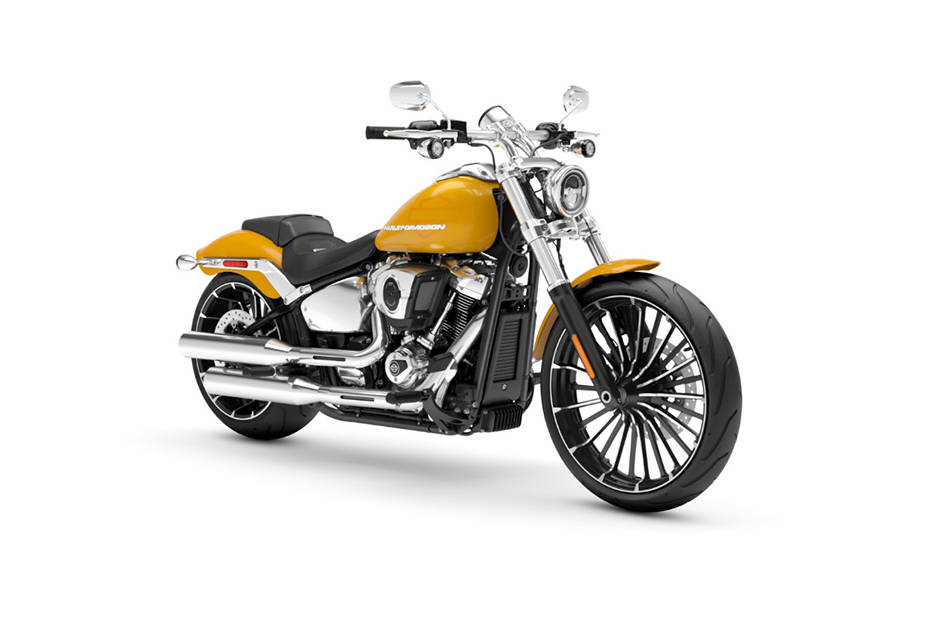
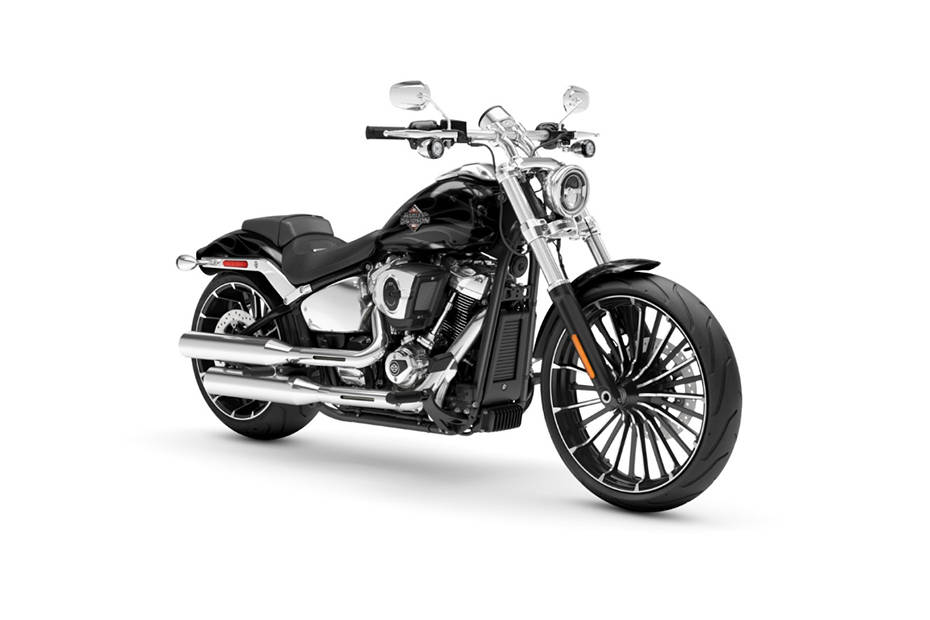
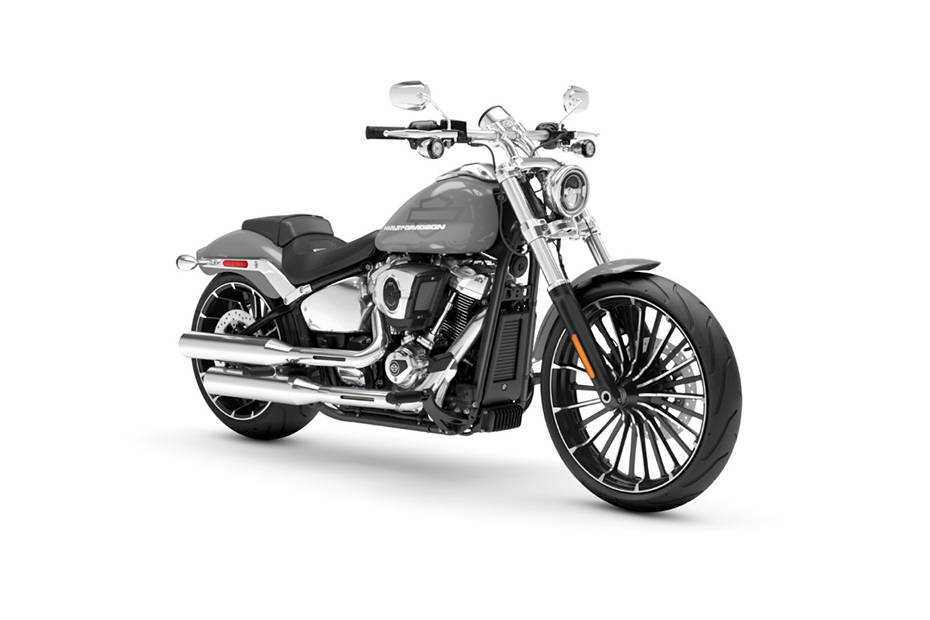
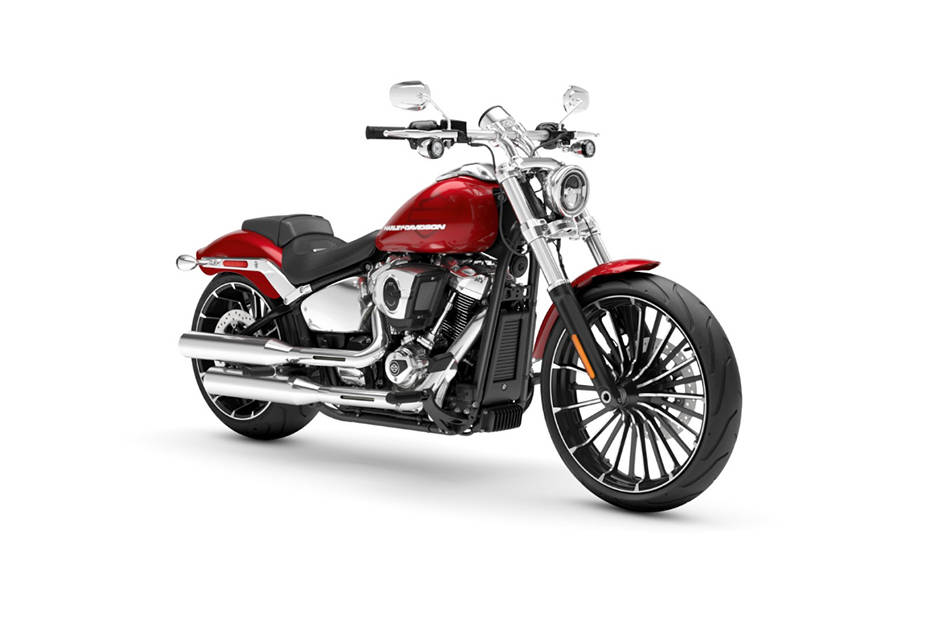
The Harley-Davidson Breakout is a motorcycle that takes much of its inspiration from custom drag-style cruisers. Its proportions are noticeably different from those of conventional cruisers, with a long wheelbase, stretched fuel tank, low seat height, and an exceptionally wide rear tyre. These design choices play a major role in shaping both the motorcycle’s appearance and riding characteristics. Within Harley-Davidson’s lineup, the Breakout is part of the Softail family, sharing its underlying platform with several other models while maintaining a distinct visual identity focused on custom-cruiser styling.
Power comes from Harley-Davidson’s Milwaukee-Eight 117 engine, a large-capacity V-twin designed around strong low- and mid-range torque. Unlike engines that rely on high engine speeds to deliver performance, the Milwaukee-Eight develops much of its pulling power lower in the rev range. This affects the way the motorcycle accelerates and responds to throttle inputs, particularly during relaxed road riding and highway cruising. The engine is paired with a six-speed transmission, allowing the motorcycle to operate at relatively low engine speeds while travelling at highway velocities. Fuel injection manages fuel delivery and throttle response under varying riding conditions.
The Softail chassis forms the structural foundation of the Breakout. One of the defining elements of the Softail platform is its hidden rear monoshock suspension system. Although the motorcycle visually resembles a traditional hardtail cruiser, the concealed rear suspension provides wheel travel and damping for road use. At the front, conventional telescopic forks handle suspension duties. Together, the suspension components are configured to support the motorcycle’s low stance while maintaining ride control across different road surfaces.
A significant part of the Breakout’s visual and mechanical character comes from its rear wheel setup. The motorcycle uses a wide 240-section rear tyre, which is considerably larger than what is found on most standard motorcycles. This tyre contributes to the motorcycle’s appearance and influences handling characteristics, particularly at lower speeds and during directional changes. The front wheel adopts a narrower profile, creating a visual contrast that reinforces the stretched custom-cruiser design.
Braking is handled by disc brakes at both ends, supported by modern electronic safety systems. Recent versions of the Breakout include ABS and traction control as standard equipment. Depending on market and specification, additional rider-assistance features such as selectable riding modes and cornering-sensitive electronic systems may also be available. These technologies work through onboard sensors and are intended to assist with braking and traction management under different riding conditions.
The riding position reflects the motorcycle’s cruiser-oriented design. Forward-mounted foot controls place the rider’s legs in a stretched-out position, while the handlebar is positioned to allow a relatively relaxed upper-body posture. The seat height is approximately 665 mm, making it one of the lower motorcycles in Harley-Davidson’s range. This low seating position contributes to both the motorcycle’s styling and rider accessibility.
The Breakout carries an 18.9-litre fuel tank integrated into its elongated fuel tank design. Lighting functions are handled by LED units, and the motorcycle incorporates a compact digital display for essential riding information. Compared to Harley-Davidson’s touring motorcycles, instrumentation remains relatively straightforward, focusing primarily on core vehicle data rather than extensive infotainment functions.
With its Milwaukee-Eight 117 V-twin engine, Softail chassis, hidden rear suspension, wide rear tyre, and stretched cruiser proportions, the Harley-Davidson Breakout represents a modern interpretation of the factory custom cruiser concept. Its specifications and layout are centered around low-slung styling, strong torque delivery, and traditional V-twin cruiser architecture while incorporating contemporary electronic safety systems and modern engineering solutions.
| Variant Name | Ex-Showroom Price | Action |
|---|---|---|
Breakout STD |
₹3,179,000 |
Get On-Road Price |
| Engine Type | Milwaukee-Eight® 117 V-Twin |
| Displacement | 1,923 cc |
| Max Power | 104.69 @ 5020 rpm |
| Max Torque | 168 Nm @ 3,500 rpm |
| Cooling System | Air-cooled |
| Transmission | 6-speed manual |
| Fuel System | Fuel Injection |
| Mileage | 5.5 L/100 km (~18 km/l) |
| Front Suspension | Hidden, free piston, coil-over monoshock, 43mm stroke, hydraulic preload adjustment |
| Rear Suspension | Dual-bending valve 49 mm telescopic with aluminum fork triple clamps, dual rate spring |
| Front Brake | Disc |
| Rear Brake | Disc |
| ABS | Dual-channel ABS |
| Front Tyre | 130/60 B21 |
| Rear Tyre | 240/40 R18 |
| Kerb Weight | 309 kg |
| Seat Height | 665 mm |
| Fuel Tank | 18.9 litres |
| Headlight | LED |
| Cluster | Analog speedo with LCD inset |
| Starter | Electric |
The Breakout is one of those motorcycles where the styling largely dictates the riding experience. Everything about it, from the stretched profile to the enormous rear tyre, is designed to create a particular visual impact, and that comes with certain compromises. The Milwaukee-Eight 117 engine suits the motorcycle well, delivering strong torque with very little effort and making relaxed cruising feel natural. On open roads, the Breakout feels stable and unhurried, encouraging a laid-back riding style rather than aggressive cornering. The long wheelbase and wide rear tyre contribute heavily to its character, but they also make the bike feel less agile than some other cruisers when the road becomes tight or technical. Harley-Davidson has also incorporated modern electronics and rider-assistance systems, helping the motorcycle feel more contemporary beneath its traditional cruiser appearance. The Breakout is best understood as a factory custom cruiser rather than an all-round motorcycle. Its priorities are visual presence, straight-line performance, and relaxed cruising, with practicality and outright handling taking a secondary role.
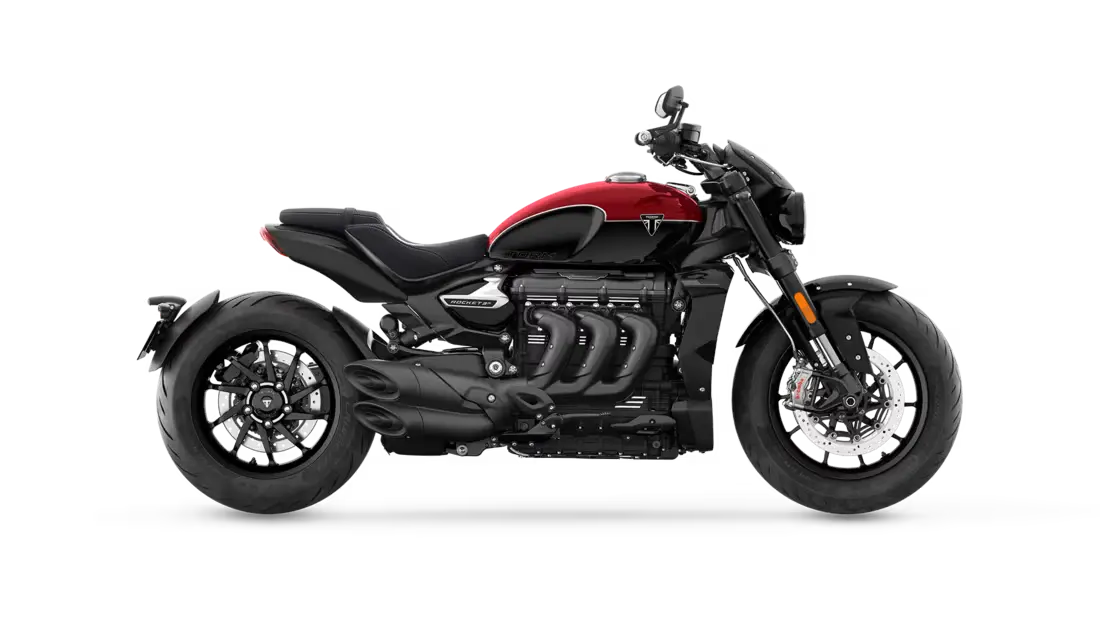
| Specification | Breakout | TRIUMPH ROCKET 3 STORM R |
|---|---|---|
| Price | ₹3,179,000 | ₹2,403,100 |
| Engine | 1,923 cc | 2458 cc |
| Power | 104.69 @ 5020 rpm | 182 PS / 180 bhp (134 kW) @ 7,000 rpm |
| Torque | 168 Nm @ 3,500 rpm | 225 Nm (166lbft) @ 4,000 rpm |
| Mileage | 5.5 L/100 km (~18 km/l) | N/A |
| Weight | 309 kg | 317 kg |
| Fuel Tank | 18.9 litres | 18 L |
| ABS | Dual-channel ABS | Dual Channel ABS |
The Breakout is classified as a power cruiser, combining custom-inspired styling with a large-capacity V-twin engine and relaxed cruiser ergonomics.
The motorcycle uses the Milwaukee-Eight 117 V-twin engine paired with a 6-speed gearbox.
Not primarily. While it can cover long distances, the motorcycle is focused more on cruising and styling than dedicated touring comfort.
The seat height is approximately 665 mm, making it one of the lower motorcycles in Harley-Davidson's lineup.
The 240-section rear tyre is a major part of the motorcycle's custom-cruiser styling and contributes significantly to its visual presence.
Yes. It contributes to the Breakout's distinctive look but can make low-speed manoeuvres and direction changes feel heavier than on narrower-tyred motorcycles.
Yes. Recent models include selectable ride modes and electronic rider-assistance systems.
Depending on market and model year, cruise control may be available as standard or optional equipment.
The motorcycle is equipped with a fuel tank of approximately 18.9 litres.
Due to its size, weight, torque output, and wide rear tyre, it is generally better suited to riders with some experience.
The Breakout focuses more on custom-cruiser styling with a stretched profile and wider rear tyre, while the Fat Boy offers a broader, more traditional cruiser character.
Passenger accommodation is relatively limited in stock form, as the motorcycle's design prioritizes its solo-rider custom-cruiser appearance.
The motorcycle weighs approximately 310 kg in running condition, depending on specification.
The feature set is relatively simple compared to Harley-Davidson's touring motorcycles, and smartphone integration varies by market and model year.
It is generally categorized as a power cruiser or custom cruiser, designed around strong torque delivery, relaxed ergonomics, and custom-inspired styling.