VS

Quick Analysis

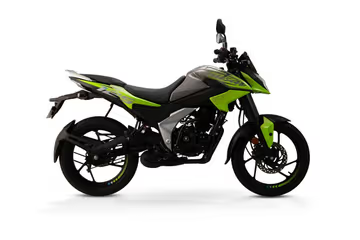
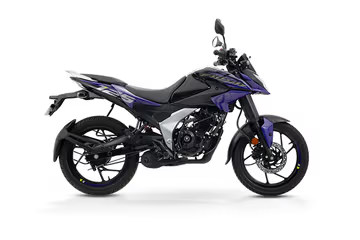
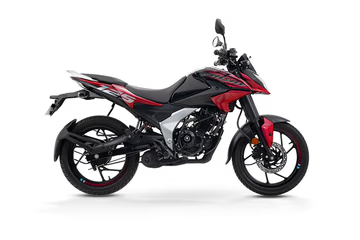
Bajaj Pulsar N125 LED Disc BT Variant

6.5 pts
Unweighted: 7 advantages
EnginePerformanceDimensionsBrakesTyresFeaturesOther

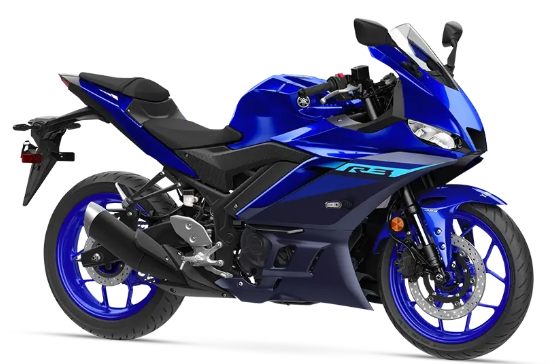
Yamaha R3

25.0 pts
Unweighted: 16 advantages
EnginePerformanceDimensionsBrakesTyresFeaturesOther
Specification
Bajaj Pulsar N125 LED Disc BT Variant
Bajaj
₹99,213
Yamaha R3
Yamaha R3
Yamaha
₹359,900

Engine Specifications

Cooling System Air-Cooled Liquid Cooled
Displacement 124.58cc 321cc
Engine Type Air-cooled, Single-cylinder, 2-valve, SOHC 4-stroke, 2-cylinder, Liquid-cooled, DOHC, 4-valves
Power 12 PS @ 8500 rpm 30.9 kW (42.0 PS) @ 10,750 rpm
Torque 11 Nm @ 6000 rpm 29.5 Nm (3.0 kgfm) @ 9,000 rpm

Performance & Efficiency

Fuel Tank Capacity 9.5 L 14 L
Mileage 58 Kmpl 25 Kmpl

Dimensions & Weight

Kerb Weight 145 169
Seat Height 795 780

Brakes & Suspension

ABS No Dual Channel
Front Brake 240 mm Disc Hydraulic single disc, 298 mm
Front Suspension Telescopic, 125 mm Stroke Telescopic Upside Down Fork (USD Fork)
Rear Brake 130 mm Drum Hydraulic single disc, 220 mm
Rear Suspension Monoshock, 125 mm Stroke Swingarm

Tyres & Wheels

Front Tyre 80/100-17 110/70 R17M/C 54H Tubeless
Rear Tyre 110/80-17 140/70 R17M/C 66H Tubeless
Tyre Type Tube Less Tubeless
Wheel Type Alloy Alloy

Features & Technology

Headlight LED with AHO Dual LED headlight

Other Specifications

Battery 12 V, 7.0 Ah
Bike Image 1 https://motoautiv.com/wp-content/uploads/2025/06/Gray-citrus-rush.avif
Bike Image 2 https://motoautiv.com/wp-content/uploads/2025/06/purple-fury.avif
Cluster Monochrome LCD + Bluetooth LCD Instrument Cluster
Color Options Pewter Grey / Citrus Rush | #62676C, #C8FF2E Cocktail Wine Red | #7A1F2D Purple Fury | #6A1B9A Icon Blue | #1B4FAF
Cons The Seat Can Feel Firm on Longer Rides – During extended journeys, some riders may find the seat cushioning less accommodating than comfort-focused commuter motorcycles. Pillion Comfort Is Not a Major Focus – The stepped seat and sporty design prioritize styling and rider position more than passenger comfort. Engine Performance Is Strong for the Segment but Not Class-Leading – Riders expecting the acceleration of larger Pulsar models may find the performance modest, especially at higher speeds. Limited Wind Protection – As a naked street motorcycle, the rider is exposed to wind pressure on open highways. Rear Tyre Could Feel Narrow for Some Riders – While adequate for everyday use, some riders may prefer a wider rear tyre for visual appeal and additional road presence. Console Features Remain Basic Compared to Premium Rivals – Bluetooth connectivity is useful, but the display functionality is not as extensive as some feature-rich competitors. Suspension Prioritizes Handling Over Plushness – The setup works well in city conditions, but sharp bumps and rough roads can be felt more clearly than on softer commuter motorcycles. Feature List Is Basic for the Price – The motorcycle lacks several features that have become common in the segment, such as traction control, riding modes, Bluetooth connectivity, and a TFT display. No Quickshifter – Riders looking for clutchless upshifts will not find a factory-fitted quickshifter. Suspension Adjustability Is Limited – The standard suspension setup offers limited adjustment options compared with some rivals. Premium Pricing – The R3 is positioned at a higher price point than several competing motorcycles with similar or greater performance. Low-End Torque Is Relatively Modest – The engine performs best when revved, which means riders may need to use the gearbox more frequently at lower speeds. Pillion Comfort Is Average – The rear seat is suitable for occasional use but is not particularly spacious for longer journeys. Fuel Tank Capacity Is Not the Largest in the Segment – Riders covering long distances may find themselves stopping for fuel more frequently than on some alternatives. Electronics Package Is Minimal – The motorcycle focuses on mechanical simplicity and does not offer many rider-assistance systems beyond ABS.
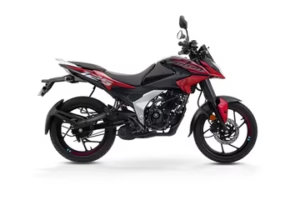
Detailed Overview The Bajaj Pulsar NS125 LED Disc BT is a motorcycle that brings the styling and design philosophy of the larger Pulsar NS models into the 125cc segment. It is positioned as a sporty commuter motorcycle, combining everyday practicality with features and styling elements that are commonly associated with higher-capacity street bikes. While it shares visual similarities with motorcycles such as the NS160 and NS200, its engine and overall package are tailored for riders looking for a balance between daily usability and a more engaging riding experience. The motorcycle is powered by a 124.45cc single-cylinder, air-cooled engine. This engine produces around 12 PS of power and 11 Nm of torque. The figures place it among the more powerful motorcycles in the 125cc category. Power is delivered through a five-speed gearbox, allowing the rider to select gears manually depending on road conditions and riding speed. The engine is designed to provide usable performance in urban traffic while also being capable of maintaining higher speeds when required. One of the key visual elements of the NS125 is its perimeter frame-inspired design. The motorcycle uses a chassis layout that contributes to its streetfighter appearance, with exposed frame sections and muscular tank shrouds giving it a larger visual presence than many commuter motorcycles. The fuel tank has a capacity of 12 litres, which is relatively generous for a motorcycle in this category and helps support longer riding distances between fuel stops. The suspension setup consists of telescopic front forks and a rear monoshock. The front suspension is responsible for absorbing bumps and maintaining steering stability, while the rear monoshock supports the motorcycle’s handling characteristics and rider comfort. This configuration is commonly used in motorcycles that aim to combine everyday commuting with a sportier riding feel. Braking duties are handled by a front disc brake and a rear drum brake. The front disc brake provides stronger braking performance and improved feel compared to a drum brake setup. Depending on the variant and market specification, the motorcycle is also equipped with a combined braking system that helps distribute braking force more effectively during routine riding situations. The LED Disc BT variant introduces several modern features. The most noticeable is the LED headlamp, which replaces traditional halogen lighting and contributes to a more contemporary appearance. LED lighting also generally consumes less electrical power while providing improved illumination. The motorcycle is also equipped with a digital instrument console that displays information such as speed, fuel level, trip readings, and other ride-related data. Bluetooth connectivity is another feature included in this version. Through smartphone pairing, riders can access functions such as call notifications and message alerts on the instrument display. These features are intended to improve convenience while keeping essential information accessible during everyday riding. The riding position is influenced by the motorcycle’s sporty design. The handlebar placement, fuel tank shape, and footpeg position create a posture that is slightly more forward-leaning than a traditional commuter motorcycle, while remaining suitable for regular city use. The seat is positioned at approximately 795 mm from the ground, making it accessible to a wide range of riders. The motorcycle weighs around 144 kg in running condition. This weight contributes to its road presence and stability while remaining manageable for everyday use. Alloy wheels, tubeless tyres, sharp bodywork, and aggressive graphics further reinforce the NS series identity. Overall, the Bajaj Pulsar NS125 LED Disc BT combines a 124.45cc engine, five-speed gearbox, front disc brake, Bluetooth-enabled digital console, LED lighting, and streetfighter-inspired styling into a motorcycle designed for urban commuting and general-purpose riding. Its specifications reflect a blend of commuter-focused functionality and design elements borrowed from larger motorcycles in the Pulsar NS family. The Yamaha R3 is a fully-faired sport motorcycle positioned in the entry-level supersport category. It is designed to provide a stepping stone between smaller commuter motorcycles and larger performance-oriented sportbikes. Unlike many motorcycles in this segment that rely on single-cylinder engines, the R3 uses a twin-cylinder configuration, which plays a major role in defining its riding characteristics. The motorcycle combines a compact size with a sportbike-inspired design and mechanical package intended for both everyday road use and spirited riding. Power comes from a 321cc liquid-cooled parallel-twin engine. The engine uses a dual overhead camshaft (DOHC) layout and four valves per cylinder. It produces approximately 42 PS of power and 29.5 Nm of torque, with power delivered through a six-speed gearbox. The parallel-twin configuration is known for providing smoother operation than many single-cylinder alternatives, particularly at higher engine speeds. The engine is designed to perform across a wide rev range, with its strongest performance arriving at higher RPM levels while maintaining usable power for everyday riding. The motorcycle is built around a diamond-type frame that forms the foundation of its chassis. Yamaha has designed the frame to balance rigidity and weight, helping the motorcycle remain stable while retaining agility. The relatively compact dimensions of the motorcycle contribute to its approachable nature, especially for riders moving into the sportbike segment for the first time. Suspension duties are handled by upside-down front forks and a rear monoshock. The upside-down fork design places the larger fork tubes at the top, a layout commonly used in sport motorcycles due to its structural advantages. The rear monoshock works in conjunction with the frame and swingarm to manage road irregularities and maintain tyre contact with the road surface. Together, the suspension components are intended to provide a balance between stability, handling precision, and everyday usability. Braking is managed by disc brakes at both ends, supported by a dual-channel anti-lock braking system (ABS). The front brake uses a larger disc to provide the majority of the stopping force, while the rear brake contributes additional control. The ABS system monitors wheel speed and helps reduce the likelihood of wheel lock-up during hard braking situations. The Yamaha R3 rides on alloy wheels fitted with tubeless tyres. The wheel and tyre combination is selected to support the motorcycle’s sport-oriented handling characteristics while maintaining stability during highway riding. The motorcycle has a kerb weight of approximately 169 kg and a seat height of around 780 mm. These figures contribute to a relatively accessible riding experience for a wide range of riders. The fuel tank has a capacity of 14 litres, providing a balance between fuel range and overall weight. The riding position reflects the motorcycle’s sportbike identity while remaining less aggressive than some track-focused machines. Clip-on handlebars are positioned below the upper triple clamp, encouraging a forward lean, but the posture remains manageable for everyday use. Footpeg placement and seat design further support this balance between sporty control and regular riding comfort. The bodywork follows Yamaha’s R-series design language. A full fairing surrounds much of the engine and frame, contributing to the motorcycle’s aerodynamic profile and visual identity. Twin LED position lights, a central LED headlamp arrangement, and sharp body lines help create a design that resembles Yamaha’s larger supersport motorcycles. The instrument cluster uses a digital LCD display that provides information such as speed, engine speed, fuel level, gear position, and trip data. Overall, the Yamaha R3 combines a 321cc parallel-twin engine, six-speed gearbox, full fairing, dual-channel ABS, upside-down front forks, and a sport-oriented chassis into a motorcycle designed for riders seeking a fully-faired sportbike experience in a relatively compact and accessible package.
Expert Review The Bajaj Pulsar NS125 LED Disc BT takes the styling and visual identity of the larger NS motorcycles and adapts it to the entry-level performance commuter segment. What stands out most is how the motorcycle manages to feel sportier than a typical 125cc commuter without becoming demanding to ride. The engine is responsive in city conditions, offering enough performance for everyday overtakes and traffic gaps, while the chassis gives the motorcycle a planted and confident feel when changing direction. The riding position strikes a middle ground between comfort and sportiness, making it suitable for daily use while still maintaining the character associated with the NS series. The addition of the LED headlamp and Bluetooth-enabled digital console modernizes the package, although the connected features remain relatively simple compared to some premium alternatives. On rough roads, the suspension can feel slightly firm, and the seat is better suited to shorter commutes than extended highway journeys. Overall, the motorcycle delivers a combination of sporty styling, accessible performance, and everyday usability that aligns closely with what many riders expect from a 125cc street motorcycle., 4.2, MotoAutiv Team The Yamaha R3 takes a relatively traditional approach to the entry-level sportbike segment. Rather than relying on a long list of electronic features or aggressive performance figures, it focuses on delivering a balanced and predictable riding experience. The 321cc parallel-twin engine is the centerpiece of the package, offering smooth power delivery, refined operation, and a willingness to rev that distinguishes it from many single-cylinder alternatives. The motorcycle feels light and easy to control, whether navigating city traffic or riding through a series of corners, and its fully-faired design provides useful wind protection without forcing the rider into an excessively committed riding position. The chassis and suspension prioritize stability and confidence, making the bike approachable for riders moving into the sportbike category. At the same time, the feature list remains relatively simple compared to newer rivals, and buyers looking for advanced electronics or extensive rider aids may find stronger alternatives elsewhere. The overall character of the R3 is defined by refinement, predictability, and a focus on the fundamentals of motorcycling rather than technology-driven appeal., 4.4, MotoAutiv Team
FAQ (Manual Override) Q: Is Bajaj Pulsar NS125 a good bike for daily commuting? A: Yes, the Bajaj Pulsar NS125 is designed for everyday commuting and combines sporty styling with manageable performance and fuel efficiency. Q: What is the real mileage of Bajaj Pulsar NS125? A: The real-world mileage of the Bajaj Pulsar NS125 typically ranges between 50 km/l and 60 km/l, depending on riding conditions, traffic, and maintenance. Q: What is the top speed of Bajaj Pulsar NS125? A: The Bajaj Pulsar NS125 can achieve a top speed of approximately 100–105 km/h, depending on rider weight and road conditions. Q: Does Bajaj Pulsar NS125 have Bluetooth connectivity? A: Yes, the LED Disc BT variant includes Bluetooth connectivity with call alerts, message notifications, and basic smartphone integration. Q: Does Bajaj Pulsar NS125 have an LED headlamp? A: Yes, the latest LED Disc BT variant comes equipped with an LED headlamp. Q: What is the engine capacity of Bajaj Pulsar NS125? A: The motorcycle is powered by a 124.45cc single-cylinder, air-cooled engine. Q: What is the power output of Bajaj Pulsar NS125? A: The engine produces approximately 12 PS of power and 11 Nm of torque. Q: Is Bajaj Pulsar NS125 suitable for beginners? A: Yes, the motorcycle's manageable power delivery, lightweight nature, and predictable handling make it suitable for new riders. Q: What is the fuel tank capacity of Bajaj Pulsar NS125? A: The Bajaj Pulsar NS125 comes with a 12-litre fuel tank. Q: What is the kerb weight of Bajaj Pulsar NS125? A: The motorcycle weighs approximately 144 kg in running condition. Q: What is the seat height of Bajaj Pulsar NS125? A: The seat height is approximately 805 mm. Q: Which is better: Bajaj Pulsar NS125 or TVS Raider 125? A: The Pulsar NS125 focuses more on aggressive streetfighter styling and a larger-bike feel, while the TVS Raider 125 emphasizes modern features, refinement, and everyday practicality. Q: Which is better: Bajaj Pulsar NS125 or Hero Xtreme 125R? A: The Pulsar NS125 offers the familiar NS design language and established platform, whereas the Hero Xtreme 125R focuses on lighter weight, sporty handling, and contemporary styling. Q: Is Bajaj Pulsar NS125 comfortable for long rides? A: The motorcycle can handle occasional highway journeys, but its seat and sporty ergonomics are better suited to city commuting and shorter rides. Q: Does Bajaj Pulsar NS125 have a front disc brake? A: Yes, the LED Disc BT variant comes equipped with a front disc brake. Q: Is Yamaha R3 a good bike for beginners? A: Yes, the Yamaha R3 is often considered beginner-friendly due to its predictable power delivery, manageable weight, and smooth twin-cylinder engine. Q: What is the real mileage of Yamaha R3? A: The real-world mileage of the Yamaha R3 typically ranges between 25 km/l and 32 km/l, depending on riding style and traffic conditions. Q: What is the top speed of Yamaha R3? A: The Yamaha R3 can achieve a top speed of approximately 180 km/h, depending on rider weight, road conditions, and weather. Q: What is the engine capacity of Yamaha R3? A: The Yamaha R3 is powered by a 321cc liquid-cooled parallel-twin engine. Q: How much power does the Yamaha R3 produce? A: The engine produces approximately 42 PS of power and 29.5 Nm of torque. Q: Does Yamaha R3 have a slipper clutch? A: No, the Yamaha R3 does not come with an assist-and-slipper clutch. Q: Does Yamaha R3 have traction control? A: No, the Yamaha R3 does not offer traction control. Q: Does Yamaha R3 have Bluetooth connectivity? A: No, the Yamaha R3 does not provide Bluetooth connectivity or smartphone integration. Q: What is the fuel tank capacity of Yamaha R3? A: The Yamaha R3 comes with a 14-litre fuel tank. Q: What is the kerb weight of Yamaha R3? A: The motorcycle weighs approximately 169 kg in running condition. Q: What is the seat height of Yamaha R3? A: The Yamaha R3 has a seat height of approximately 780 mm. Q: Is Yamaha R3 comfortable for long rides? A: Yes, compared to many sportbikes, the Yamaha R3 offers relatively comfortable ergonomics and can be used for longer highway rides. Q: Which is better: Yamaha R3 or Aprilia RS 457? A: The Yamaha R3 focuses on refinement and predictable performance, while the Aprilia RS 457 offers more modern technology and stronger performance figures. Q: Which is better: Yamaha R3 or KTM RC 390? A: The Yamaha R3 provides a smoother twin-cylinder experience, whereas the KTM RC 390 emphasizes aggressive performance and advanced electronics. Q: Does Yamaha R3 have dual-channel ABS? A: Yes, the Yamaha R3 comes equipped with dual-channel ABS as standard.
Fuel System Fuel Injection Fuel Injection
Price Variants | 93456 | 339028
Pros The Engine Feels Energetic in City Riding – The 124.45cc engine delivers its power in a lively manner, especially in the mid-range. This makes the motorcycle feel responsive during overtakes and while moving through urban traffic. Sporty Riding Position Without Being Extreme – The handlebar and footpeg placement create a slightly sporty posture, but it is still comfortable enough for everyday commuting. Sharp Styling Inspired by Larger NS Models – The muscular tank extensions, exposed perimeter frame, and aggressive bodywork give the motorcycle a bigger-bike appearance than many competitors in the segment. LED Headlamp Improves Visibility – The LED lighting setup provides a more modern look while also improving illumination compared to older halogen units. Bluetooth Connectivity Adds Useful Features – The digital console supports smartphone pairing for call alerts, message notifications, and other basic connected functions. Stable Handling in Urban Conditions – The chassis feels predictable and confidence-inspiring during daily riding, particularly when changing lanes or navigating traffic. Front Disc Brake Improves Braking Feel – The disc brake setup offers better braking confidence than drum-brake-only alternatives. Good Balance Between Commuting and Sporty Character – The motorcycle manages to feel more engaging than a typical commuter without becoming uncomfortable for everyday use. Smooth Twin-Cylinder Engine – The 321cc parallel-twin engine is one of the defining aspects of the R3. It delivers power in a linear and refined manner, with minimal vibrations across much of the rev range. High-Reving Performance Character – The engine is comfortable operating at higher RPMs, giving riders access to performance without feeling strained. Light and Easy Handling – The motorcycle feels agile and predictable when changing direction, making it approachable for both newer riders and experienced enthusiasts. Comfortable Sportbike Ergonomics – Despite its fully-faired design, the riding position is less aggressive than many supersport motorcycles, making it more practical for daily use. Good Build Quality and Finish – The fit and finish of the body panels, switchgear, and overall construction reflect Yamaha's attention to detail. Confidence-Inspiring Chassis – The motorcycle feels stable through corners and remains composed during highway riding. Relatively Lightweight Package – Compared to some larger sport motorcycles, the R3 remains manageable in traffic and parking situations. Fully Faired Aerodynamic Design – The fairing provides wind protection during highway riding while contributing to the motorcycle's sportbike appearance.
Starter Electric + Kick Electric
Transmission 5 Speed Manual Constant Mesh, 6-speed

If you like what we do, Stay connected with 🚗 Motoautiv.com ⚡

Leave your email 📧 below and Click subscribe Now 🔔✨