VS

Quick Analysis

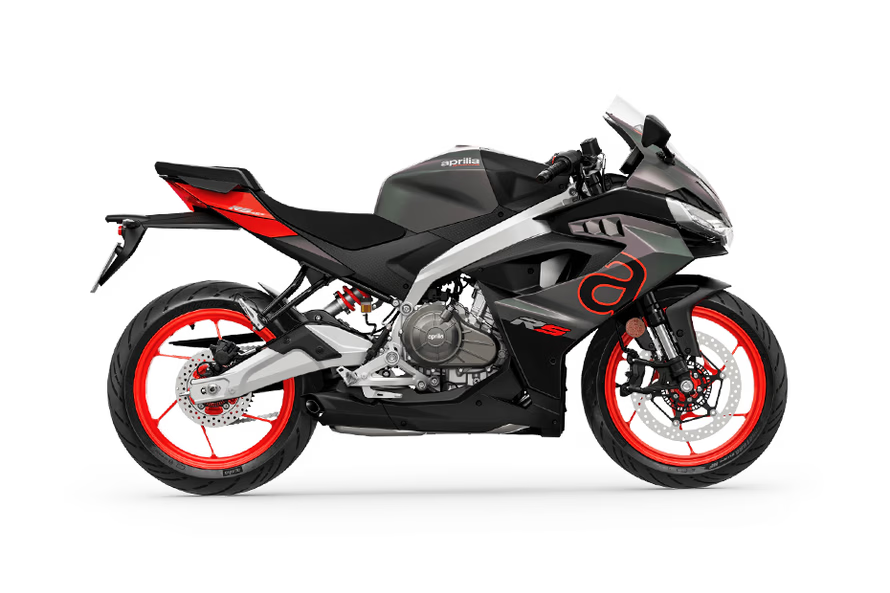
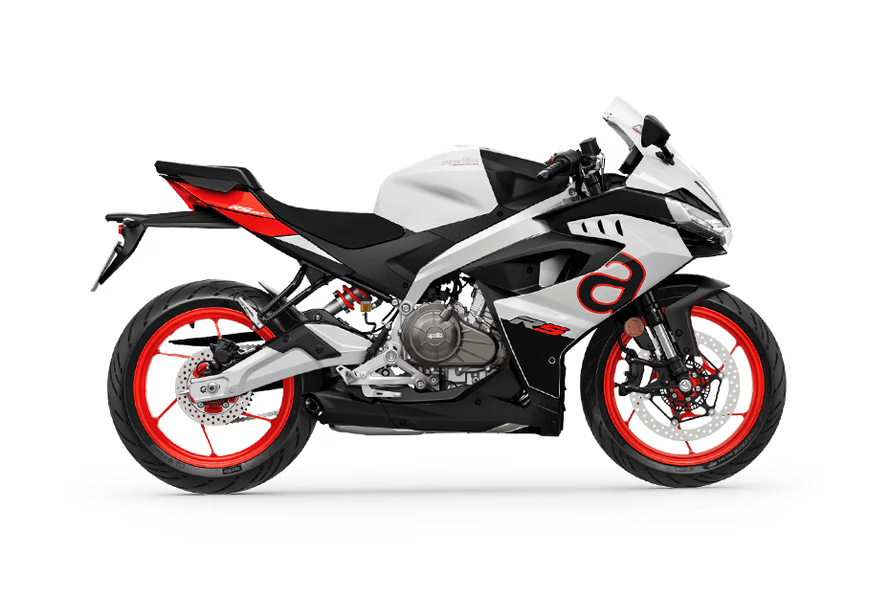
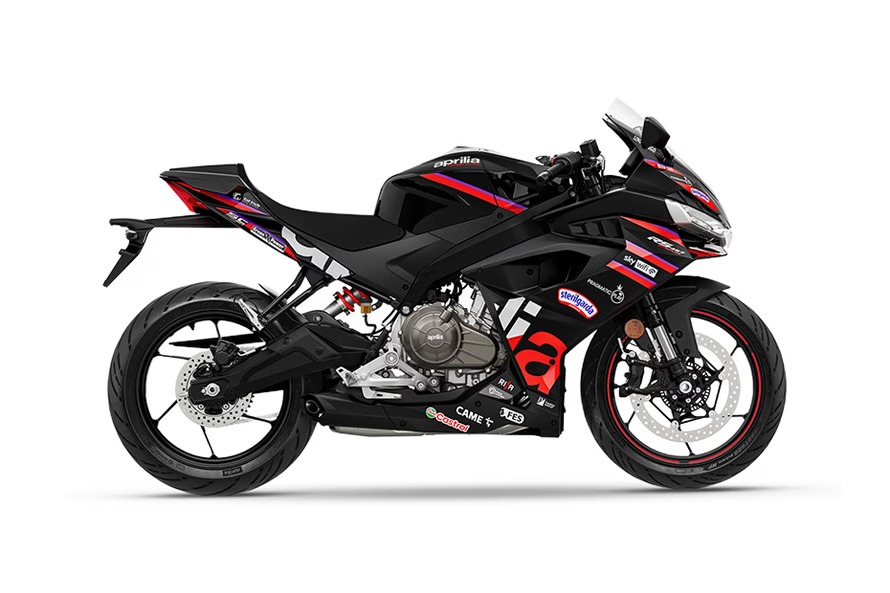
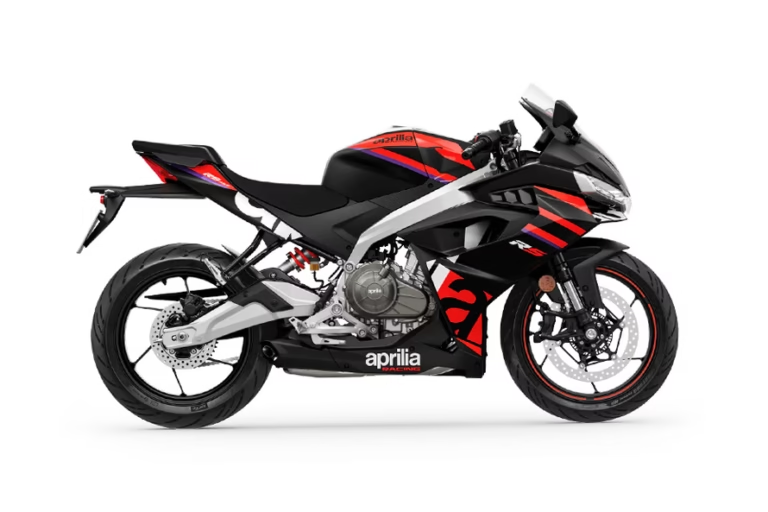
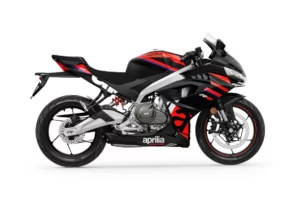
Aprilia RS 457

17.5 pts
Unweighted: 11 advantages
EnginePerformanceDimensionsBrakesTyresFeaturesOther

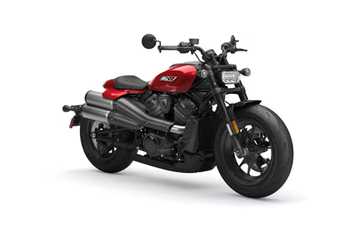
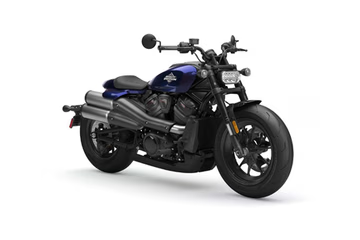
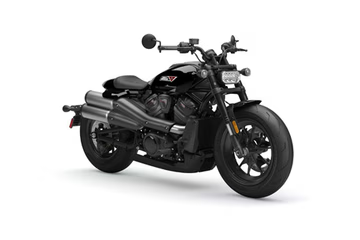
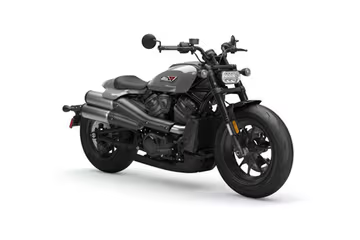
Sportster S

15.0 pts
Unweighted: 14 advantages
EnginePerformanceDimensionsBrakesTyresFeaturesOther
Specification
Aprilia RS 457
Aprilia RS 457
Aprilia
Sportster S
Sportster S
Harley Davidson
₹1,670,000

Engine Specifications

Cooling System Liquid-cooled Liquid‑cooled
Displacement 457 cc 1,252 cc
Engine Type 2 parallel forward-facing cylinders, 4 valves per cylinder Revolution Max 1250T V‑twin (DOHC, VVT)
Power 47.6 PS (≈ 35 kW) at 9,400 rpm 122.3 PS @ 7500 rpm
Torque 43.5 Nm at 6,700 rpm 125 Nm @ 6000 rpm

Performance & Efficiency

Fuel Tank Capacity 13L 11.7 L
Mileage 30 kmpl 19.6 Kmpl

Dimensions & Weight

Kerb Weight 175 228 
Seat Height 800 765

Brakes & Suspension

ABS Dual Channel Cornering (dual-channel) ABS
Front Brake Disc 320 mm 4 Piston 320 mm Disc
Front Suspension 41mm upside-down fork, adjustable preload, 120mm travel 43 mm inverted fork with compression, rebound and spring preload adjustability. Aluminum fork triple clamps.
Rear Brake Disc 220 mm 1 Piston 260 mm Disc
Rear Suspension Monoshock, adjustable preload, 130 mm wheel travel Linkage-mounted, piggyback monoshock with compression, rebound and hydraulic spring preload adjustability

Tyres & Wheels

Front Tyre 110/70 - 17 160/70 R17 Dunlop Harley‑Davidson radial
Rear Tyre 150/60 - 17 180/70 R16 Dunlop Harley‑Davidson radial
Tyre Type Tubeless Radial, tubeless
Wheel Type Alloy Alloy

Features & Technology

Headlight LED LED

Other Specifications

Battery 12v MF 12 V, 12 Ah, 225 CCA
Bike Image 1 https://motoautiv.com/wp-content/uploads/2026/04/Prismatic-Dark.avif https://motoautiv.com/wp-content/uploads/2025/06/Brilliant-red-1.avif
Bike Image 2 https://motoautiv.com/wp-content/uploads/2026/04/Opalescent-light.avif https://motoautiv.com/wp-content/uploads/2025/06/Mystic-shift-1.avif
Bike Image 3 https://motoautiv.com/wp-content/uploads/2026/04/GP-Replica.avif https://motoautiv.com/wp-content/uploads/2025/06/Vivid-Black-2.avif
Bike Image 4 https://motoautiv.com/wp-content/uploads/2026/04/Coral-Snake-blue.avif
Bike Image 5 https://motoautiv.com/wp-content/uploads/2026/04/Arsenic-yellow.avif
Cluster 4‑in full‑color TFT display
Color Options Racing Stripes | #0F0F10, #C1121F Prismatic Dark | #1C1C1E, #6E6E73 Opalescent Light | #F5F5F5 GP Replica | #0B0B0C, #5A2CA0 Coral Snake blue | #1F3A93, #C1121F Arsenic yellow | #D4AF37, #6E6E73 Vivid Black | #0F0F10 Billiard Gray | #6B7074 Brilliant Red | #A01824 Mystic Shift | #4B4F59
Cons Seat height is a bit tall, may be challenging for shorter riders to place feet flat at stops. Mileage tends to be modest (around 30–35 kmpl), especially if ridden hard not ideal for those seeking fuel economy. Fuel tank capacity is moderate may require frequent refuelling on long rides or at high speeds. You'll need regular maintenance (for twin-cylinder engine, etc.) more involved than simple commuter bikes. Riding posture and engine character lean sporty less relaxed comfort compared to cruiser-style bikes or scooters. Insurance, maintenance, and running costs will be higher compared to smaller, entry-level bikes. Rear Suspension Travel Is Limited – The motorcycle's low profile comes at the expense of suspension travel, which can make sharp bumps and rough roads more noticeable. Fuel Tank Capacity Is Smaller Than Expected – The relatively compact fuel tank can require more frequent fuel stops than some riders might anticipate from a large-capacity motorcycle. Riding Position Can Feel Unusual – The combination of mid-to-forward controls and a relatively upright upper body position doesn't suit every rider, especially on longer journeys. Passenger Accommodation Is Minimal – The motorcycle is clearly designed with the rider as the priority, and pillion comfort is limited in stock form. Engine Heat Is Noticeable in Traffic – The high-performance engine can generate considerable heat during slow-moving urban riding. Not as Relaxed as Traditional Cruisers – Riders expecting the laid-back feel of motorcycles such as the Fat Boy or Heritage Classic may find the Sportster S considerably more focused and demanding. Limited Touring Practicality – There is little wind protection, no integrated luggage, and fewer long-distance touring conveniences than Harley's cruiser-touring models.
Detailed Overview The Aprilia RS 457 is a fully faired motorcycle built around a 457cc parallel-twin engine. This engine produces around 47 PS of power and 43.5 Nm of torque, and it uses liquid cooling to maintain stable temperatures during regular riding. The engine is paired with a 6-speed gearbox, and the overall power delivery is designed to be smooth and predictable, which helps riders manage it in both city and highway conditions. The bike also comes with ride-by-wire throttle, which allows different riding modes to adjust how the engine responds. In terms of design, the RS 457 follows a typical supersport layout with a full fairing, a sharp front section, and a slightly aggressive riding posture. The aluminium frame helps keep the overall weight low, with a kerb weight of around 175 kg. The fuel tank capacity is about 13 litres, which is practical for daily use as well as weekend rides. The seat height is around 800 mm, making it accessible for a wide range of riders, although the forward-leaning position may take some getting used to. The suspension setup includes upside-down front forks and a rear monoshock, both tuned to provide stability at higher speeds. The setup leans slightly towards the firmer side, which can make bumps and uneven roads more noticeable, especially on typical Indian road conditions. The braking system includes a front disc and a rear disc, supported by dual-channel ABS, which helps maintain control during braking. The bike also uses wide radial tyres that offer grip in different riding situations. The Aprilia RS 457 comes with a modern electronics package that includes traction control and multiple riding modes. These features adjust parameters like throttle response to suit different riding conditions. All important information is displayed on a digital TFT screen, which shows speed, gear position, fuel level, and other details in a clear format. Some variants also offer a quickshifter as an option, allowing clutchless gear changes. The riding position is slightly committed, with clip-on handlebars and rear-set foot pegs, which gives it a sporty feel. At the same time, the overall size and weight make it manageable compared to larger supersport bikes. The bike is designed to offer a balance between performance and everyday usability, although factors like traffic conditions, road quality, and riding style will influence how it feels in regular use in India. The Sportster S represents a very different chapter in the history of Harley-Davidson’s Sportster line. For decades, the Sportster name was associated with air-cooled V-twin engines, relatively simple technology, and a riding experience rooted in traditional cruiser values. The current Sportster S moves away from that formula and adopts a platform that shares far more with modern performance motorcycles than with its predecessors. While the styling still carries some Harley-Davidson influence, much of the motorcycle’s engineering has been developed around a different set of priorities. The most significant change is found in the engine. Instead of using an air-cooled V-twin, the Sportster S is powered by Harley-Davidson’s Revolution Max 1250T engine. This 1,252cc liquid-cooled V-twin is a stressed member of the chassis, meaning it contributes to the motorcycle’s structural rigidity rather than simply sitting within a frame. The engine produces its power differently from traditional Harley-Davidson motors, with a broader operating range and a willingness to rev higher. A six-speed gearbox transfers power to the rear wheel, while electronic engine management systems oversee throttle response, fuel delivery, and rider-assistance functions. Visually, the motorcycle is defined by a compact body, a short rear section, and a high-mounted dual exhaust system positioned on the right side. The fuel tank shape appears larger than it actually is because part of the visible structure functions as a cover, while the fuel itself is stored lower within the chassis. This layout helps centralize mass and contributes to the motorcycle’s proportions. The actual fuel capacity is 11.8 litres, which is smaller than what is commonly found on many touring-oriented motorcycles. The chassis differs substantially from Harley-Davidson’s traditional cruiser platforms. Rather than using a steel frame with conventional architecture, the Sportster S combines the engine with separate front and rear frame sections. Suspension duties are handled by upside-down front forks and a rear monoshock, both of which offer adjustment options. Compared to many cruisers, the suspension components are more performance-oriented in both design and appearance. Wheel and tyre specifications also play a major role in defining the motorcycle’s character. The Sportster S uses wide tyres at both ends, including a particularly large front tyre that immediately stands out. This setup contributes to the motorcycle’s visual identity and influences steering feel and overall handling behaviour. Braking is managed through a single front disc with a radial-mounted Brembo caliper and a rear disc brake, supported by modern electronic systems. Technology forms a larger part of the package than it does on many traditional Harley-Davidson models. A round TFT display serves as the motorcycle’s instrument cluster and allows access to a range of vehicle settings. Through this interface, riders can view ride information, adjust ride modes, and interact with connectivity features. The motorcycle includes selectable ride modes, traction control, cornering-enhanced ABS, wheel-lift mitigation, engine braking control, and cruise control. These systems are managed through sensors that continuously monitor riding conditions and rider inputs. The riding position differs from both conventional cruisers and naked motorcycles. Mid-to-forward-mounted foot controls place the rider’s legs ahead of the body, while the handlebar keeps the upper body relatively upright. The seat height of approximately 765 mm is higher than many Harley-Davidson cruisers, reflecting the motorcycle’s different chassis layout and intended riding dynamics. Taken together, the Sportster S combines a liquid-cooled Revolution Max engine, electronically managed rider aids, adjustable suspension, TFT instrumentation, and a compact chassis architecture. Its specification sheet reflects a motorcycle developed around modern engineering solutions while retaining a visual connection to Harley-Davidson’s broader lineup.
Expert Review The Aprilia RS 457 fits into the entry-level performance segment in India, where many riders are moving from smaller bikes to higher capacity machines. Its 457cc twin-cylinder engine feels smooth and manageable, but in daily city traffic, the riding posture and heat can still be noticeable. The suspension and chassis are set up for sporty riding, which means rough roads may feel slightly uncomfortable. It also comes with modern electronics that may take some time for new riders to fully understand. The service network is still growing, which can affect ownership experience in some cities. It is more suited for riders looking for performance-oriented riding rather than regular commuting., 4.1, MotoAutiv Team The Sportster S is one of the most significant departures Harley-Davidson has made from its traditional formula in recent years. Despite carrying the Sportster name, the motorcycle feels fundamentally different from the air-cooled models that built the badge's reputation. The Revolution Max 1250T engine is the centerpiece of the experience, delivering performance that feels considerably stronger and more urgent than what many riders expect from a Harley-Davidson cruiser. The chassis and electronics package have been developed to match that performance, giving the bike handling and braking capabilities that place it closer to modern roadsters and power cruisers than traditional cruisers. At the same time, the Sportster S makes a few compromises in pursuit of its aggressive styling and performance-focused character. Suspension travel is limited, the riding position can feel unusual on longer rides, and touring practicality is not a priority. What emerges is a motorcycle that feels deliberately different from the rest of Harley-Davidson's cruiser lineup. Rather than focusing on heritage and nostalgia, it emphasizes performance, technology, and a more contemporary interpretation of what a Harley-Davidson can be., 4.5, MotoAutiv Team
FAQ (Manual Override) Q: What mileage does the Aprilia RS 457 give in real riding conditions? A: Most riders can expect around 25–30 km/l depending on traffic and riding style. Q: Is the Aprilia RS 457 a good upgrade from bikes like R15 or RC 200? A: Yes, many riders consider it as a next step because of the twin-cylinder engine and higher power, but the jump in performance is noticeable. Q: Is the Aprilia RS 457 beginner-friendly? A: It can be handled by beginners with care, but it may feel powerful for someone with no prior riding experience. Q: Does the Aprilia RS 457 heat up in traffic? A: Yes, like most sport bikes, engine heat is noticeable in slow-moving traffic. Q: Is the Aprilia RS 457 comfortable for long rides? A: It is manageable on highways, but the sporty seating position may cause discomfort on longer trips. Q: Which engine powers the Sportster S? A: The motorcycle uses Harley-Davidson's 1,252cc Revolution Max 1250T liquid-cooled V-twin engine. Q: Is the Sportster S air-cooled? A: No. Unlike older Sportster models, the Sportster S uses a liquid-cooled engine. Q: How is the Sportster S different from older Sportsters? A: The Sportster S uses a completely different platform with a liquid-cooled engine, TFT display, ride modes, traction control, and a more performance-focused chassis. Q: Does the Sportster S have ride modes? A: Yes. Multiple ride modes are available, allowing riders to adjust throttle response and electronic intervention settings. Q: Does the Sportster S have cruise control? A: Yes. Cruise control is included as standard equipment. Q: What is the fuel tank capacity of the Sportster S? A: The motorcycle has an 11.8-litre fuel tank. Q: Is the Sportster S suitable for long-distance touring? A: It can handle longer rides, but its compact fuel tank, limited wind protection, and firm suspension make it less touring-oriented than Harley-Davidson's cruiser-touring models. Q: Is the Sportster S comfortable for a passenger? A: Passenger accommodation is limited in stock form and is not one of the motorcycle's primary focuses. Q: What is the seat height of the Sportster S? A: The seat height is approximately 765 mm. Q: Does the Sportster S have traction control and cornering ABS? A: Yes. The motorcycle includes cornering-enhanced ABS, traction control, and other electronic rider-assistance systems. Q: What is the kerb weight of the Harley-Davidson Sportster S? A: The motorcycle weighs approximately 228 kg in running condition. Q: Is the Sportster S beginner-friendly? A: Due to its performance, power output, and responsive throttle characteristics, it is generally more suitable for riders with some experience. Q: Does the Sportster S support smartphone connectivity? A: Yes. The TFT display supports smartphone connectivity, navigation functions, and various connected features.
Fuel System Fuel injection Fuel Injection
Price Variants STD | 422229 GP Replica | 437228 STD | 1805000
Pros Powerful 457 cc parallel-twin engine delivers strong acceleration and good mid-range punch. Smooth 6-speed gearbox with slipper clutch makes shifting crisp and rider-friendly. Dual-channel ABS and strong disc brakes (front + rear) give good stopping confidence, even in wet or tricky conditions. Upside-down front forks and adjustable rear suspension provide a good balance of comfort and handling, suitable for both city streets and open roads. 17" alloy wheels with wide tyres give excellent grip and stability during cornering or highway cruising. Full-LED lighting and 5" TFT digital instrument cluster offer modern feel and better visibility / readouts. Riding modes and traction control add versatility for different road conditions (city, rain, highways). Relatively manageable wet weight for a twin-cylinder bike makes it more nimble in traffic than heavier big bikes. Engine Completely Changes the Character of the Bike – The Revolution Max 1250T engine feels very different from traditional Harley-Davidson V-twins. It revs higher, responds quicker to throttle inputs, and delivers performance in a way that feels more modern and energetic. Strong Acceleration Across the Rev Range – Whether pulling away from a traffic light or overtaking on a highway, the engine has enough power in reserve that the motorcycle rarely feels short of performance. Surprisingly Capable Handling – Compared to most cruisers, the Sportster S feels noticeably more willing to lean into corners and change direction. Modern Electronics Package – Ride modes, traction control, cornering ABS, cruise control, and a TFT display bring a level of technology that wasn't traditionally associated with the Sportster name. Distinctive Design – The short tail section, high-mounted exhaust, fat tyres, and exposed engine give the motorcycle a look that stands apart from both traditional cruisers and naked bikes. High-Quality TFT Display – The instrument screen is clear, modern, and provides access to a wide range of riding information and settings. Strong Braking Performance – The braking setup offers a level of stopping power that matches the motorcycle's performance capabilities. Lighter and More Agile Than Many Harley-Davidsons – While not a lightweight motorcycle by industry standards, it feels noticeably more manageable than Harley's larger cruiser and touring models.
Starter Self start Electric
Transmission 6-speed manual 6‑speed manual

If you like what we do, Stay connected with 🚗 Motoautiv.com ⚡

Leave your email 📧 below and Click subscribe Now 🔔✨