VS

Quick Analysis

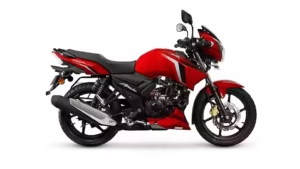
JAWA PERAK

23.0 pts
Unweighted: 11 advantages
EnginePerformanceDimensionsBrakesTyresFeaturesOther

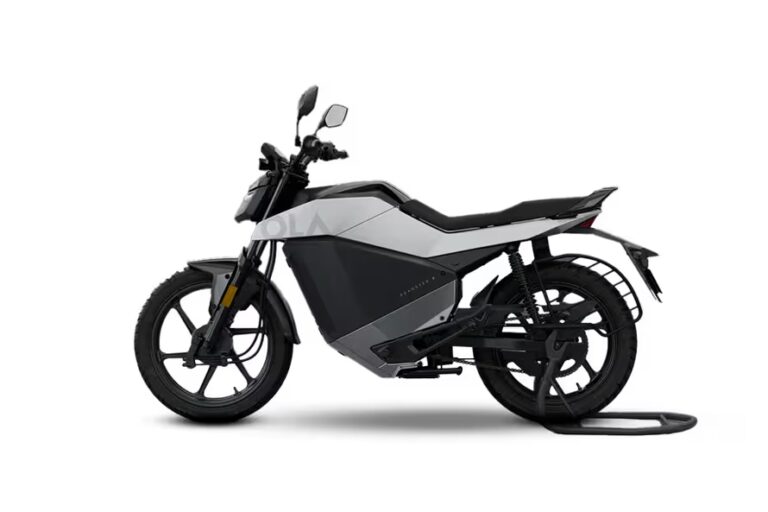
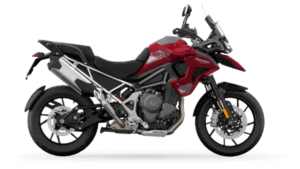
OLA Roadster X+

11.5 pts
Unweighted: 15 advantages
EnginePerformanceDimensionsBrakesTyresFeaturesOther
Specification
JAWA PERAK
JAWA PERAK
Jawa
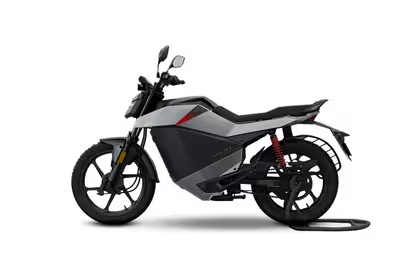
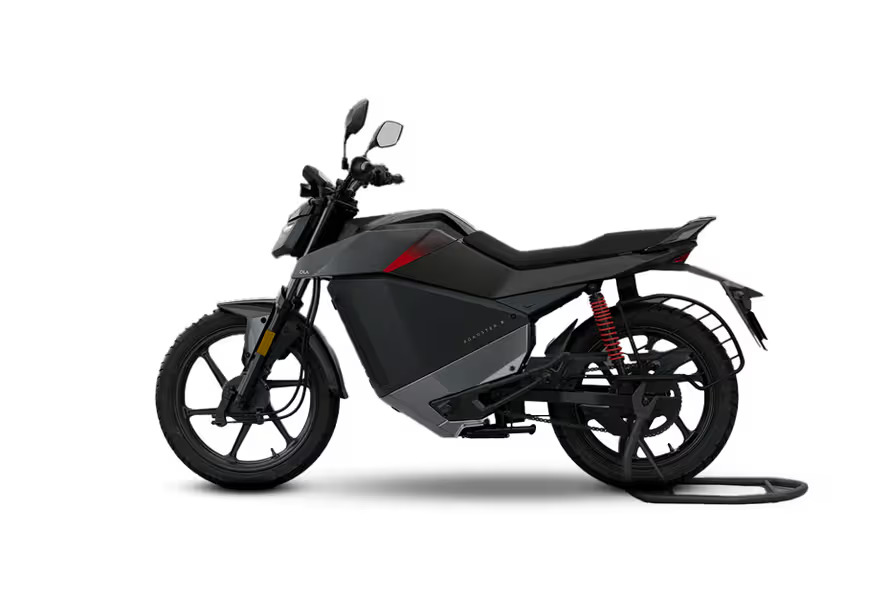
OLA Roadster X+
OLA Roadster X+
Ola

Engine Specifications

Displacement 334 cc
Engine Type Single Cylinder, 4 Stroke, Liquid Cooled, DOHC
Power 22.01 kW @ 7500 rpm 11 kw
Torque 30.01 Nm @ 5500 rpm 58 Nm

Performance & Efficiency

Fuel Tank Capacity 13.2 L
Mileage 30 kmpl

Dimensions & Weight

Kerb Weight 187 kg 131.4
Seat Height 750 mm 777 mm

Brakes & Suspension

ABS Dual Channel ABS
Front Brake 280 mm Disc Brake and Brake by Wire
Front Suspension Telescopic Forks, Ø 35 mm Telescopic Fork
Rear Brake 240 mm Drum
Rear Suspension Mono Shock Absorber, Gas Filled with 7-Step Adjustable Preload Twin Shock Absorber

Tyres & Wheels

Front Tyre 100/90-18, 56H 80/100 - 18
Rear Tyre 140/70-17, 66H 110/80 - 17
Tyre Type Tube Tubeless
Wheel Type Spoke Alloy

Features & Technology

Headlight LED

Other Specifications

0–40 km/h (s) 2.7
Battery Capacity (kWh) 9.1
Bike Image 1 https://motoautiv.com/wp-content/uploads/2025/12/roadsterxplusstellarblue.webp
Bike Image 2 https://motoautiv.com/wp-content/uploads/2025/12/roadsterxpluspinegreen.webp
Bike Image 3 https://motoautiv.com/wp-content/uploads/2025/12/roadsterxplusceramicwhite.webp
Charger Output Power (kW) 11
Cluster Digital
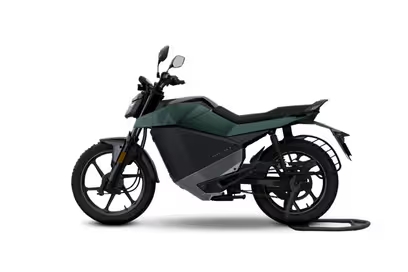
Color Options Stealth Matte Black & Matte Grey Ceramic White|#fafbfc Metallic Black|#4f4f4f Pine Green|#688f86 Industrial Silver|#969696 Stellar Blue|#2a8bbf
Cons Single-seat restriction: The bike cannot carry a pillion, which limits practicality for riders who occasionally need two-up capability. Firm suspension: On broken or uneven roads, the rear suspension can feel a bit stiff, especially at lower speeds. Not ideal for long touring: The smaller fuel tank and single-seat setup make long-distance touring less convenient. Spoke wheels: Since the wheels are not tubeless, punctures can be more troublesome to deal with. Basic instrument cluster: The cluster provides only essential information and lacks modern features like a gear indicator or detailed trip data. Engine heat in traffic: In slow-moving urban traffic, the engine can generate noticeable heat, especially in warmer weather. Real-world range and performance will likely be lower than claimed — heavy use, frequent stops, speed variations, and load (pillion, luggage) will eat into efficiency. Charging infrastructure & time: if you don’t have easy access to a charger (or fast charger), long-range EVs can become inconvenient — charging from home or available points may not always be smooth. Ride/comfort trade-offs: compared to a petrol bike or premium EV bike, suspension, build or ergonomics may feel basic — this might show on rough roads or during long rides. Limited storage/practical baggage space compared with scooters — less convenient if you often need to carry luggage or do frequent errands. Uncertainty over long-term maintenance/battery life: with any new EV bike, battery degradation over years and real-world wear can be a concern — long-term durability isn’t yet proven.
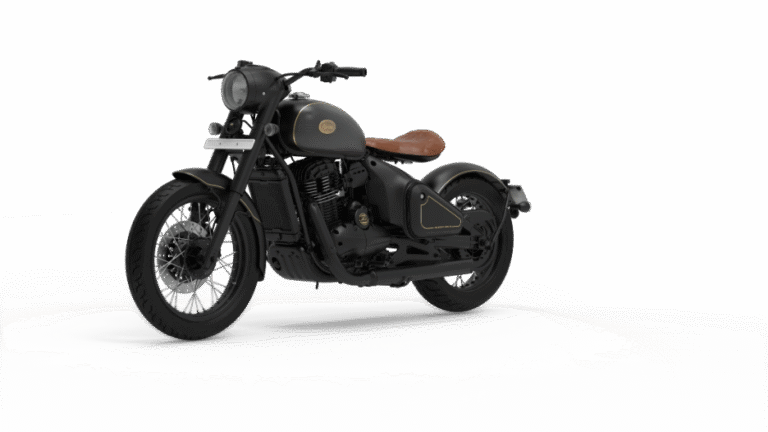
Detailed Overview Riding the Jawa Perak is more than just commuting — it feels like embracing a vintage-inspired bobber style with the soul of a modern 334 cc engine. At its core, the Perak packs a single-cylinder, four-stroke, liquid-cooled DOHC engine — a setup that blends classic simplicity with dependable performance. With 22.01 kW of power and about 30 Nm of torque on tap, it isn’t built for drag races, but it delivers a smooth, steady pull in everyday city riding and relaxed highway cruising alike. The mid-range punch makes life easy around traffic, while the 6-speed transmission and assist-and-slipper clutch keep gearshifts light and manageable — especially useful when you’re navigating congestion or downshifting for corners. What stands out immediately when you park the Perak and swing a leg over is its low, confident posture. The seat sits at roughly 750 mm, and paired with a wheelbase of 1,485 mm and a kerb weight around 187 kg, the bike feels grounded and stable — not twitchy, but firmly planted. That translates into real-life confidence whether you’re negotiating slow traffic or cruising along a highway. You don’t feel perched awkwardly: instead, there’s a sense of solidity under you. The fuel tank — about 13.2 litres — hits a good middle ground: enough for comfortable commutes or short weekend runs, though you’ll be keeping an eye out for fuel stations on longer rides. The ride quality reflects the bike’s bobber-cruiser DNA. Up front are telescopic forks (35 mm), and at the rear there’s a gas-filled mono-shock with 7-step preload adjustment. On smooth city roads or moderately good highways, this layout absorbs the usual bumps just fine. The preload adjustability helps if you’re carrying a bit more weight — handy if you fit a custom saddle bag or carry luggage occasionally. On rougher, potholed surfaces the ride gets firmer — which is expected from a cruiser-style bike — yet even then the Perak remains composed, without getting tossy or unpredictable. Braking is reassuring. Discs at both front and rear (280 mm front, 240 mm rear) paired with dual-channel ABS give you dependable stopping power. On sudden braking or slippery surfaces, the ABS helps prevent lock-ups, giving you confidence as you slow down or stop sharply — something important in unpredictable urban traffic or monsoon-slippery roads. Styling and ergonomics are where the Perak truly shines. It wears the bobber aesthetic unapologetically: a single floating seat, streamlined tank, minimalist bodywork, forward-set foot-pegs, and a stretched-out cruiser-like posture. There’s no clutter — no bulky rear seat, no excess frame — just a clean silhouette that turns heads. The riding stance feels laid-back and relaxed: wide handlebars, stretched legs, and that low seat make for an easy, comfortable ride for short to medium distances. If you value character and personality over pillion practicality, this design hits the spot. In terms of everyday usability, the Perak is geared more toward solo riders with style. It delivers a unique riding experience — one where you enjoy the engine’s calm power, the comfort of a cruiser stance, and the kind of presence only a bobber can offer. It may not be the most practical for two-up rides or long tours (fuel tank and single-seat limit that), but for daily rides, occasional weekend cruises or short solo trips, it balances usability with character quite nicely. Maintenance and ownership aren’t overly complex. The liquid-cooled engine and simple single-cylinder layout keep things reasonably straightforward. The 6-speed gearbox with slipper clutch helps avoid clutch-related hassles in heavy traffic. As long as you treat it like a proper cruiser — with regular servicing and mindful handling — it offers a refined, stress-free riding experience. At the end of the day, the Jawa Perak is a bike for those who value presence, style, and a certain mood — not simply raw speed or maximum practicality. It’s for the rider who wants to feel the road under them, enjoy smooth pulls and cruiser calm, and ride a machine that draws attention wherever it goes. If that’s your kind of ride, the Perak delivers a blend of old-school soul and modern engineering in a package that feels both timeless and relevant. The Ola Roadster X+ feels like a serious attempt to marry modern electric-bike practicality with real-world performance — and on paper, it does enough to make you sit up and take notice. Under its sleek bodywork lies an 11 kW mid-drive electric motor that delivers a quick, smooth surge of power the moment you twist the throttle. That punch, combined with the lighter electric driveline and chain drive, gives the bike enough zest to tackle city traffic smartly or even stretch its legs on open roads. On the top-end 9.1 kWh variant, the claimed 0-to-40 km/h time is just 2.7 seconds and top speed around 125 km/h — not sport-bike blistering, but more than adequate for busy Indian roads and the occasional highway run. Where Roadster X+ really tries to shine is in the battery-and-range equation. If you pick the smaller 4.5 kWh pack, you get a claimed range around 252 km — handy for daily commuting and regular errands. But go for the large 9.1 kWh battery, and the claimed “IDC” range jumps to a striking 501 km on a charge. That number (which assumes ideal conditions) suggests the bike could cover long stretches between charges, reducing range anxiety and making it more practical for longer commutes or sporadic weekend rides. Naturally, real-world range will vary based on speed, load, terrain and throttle usage — but the generous battery gives a buffer that many electric two-wheelers don’t. Comfort and rideability appear to have been given thoughtful consideration. The bike rides on a conventional telescopic front fork and twin-shock rear suspension, built on a sturdy double-cradle steel frame. For daily city traffic, mixed-speed roads, potholes and uneven patches — common across Indian towns — this setup should deliver a stable, predictable ride. The kerb weight and geometry are such that maneuvering through congested lanes, filtering traffic or parking in narrow spots won’t feel overly burdensome. Ground clearance and tyre-/wheel specs also help it adapt to typical road conditions without undermining stability. Rider convenience and modern-bike niceties haven’t been ignored. Roadster X+ gets a 4.3-inch full-colour digital display that runs on the manufacturer’s proprietary OS, bringing in features like ride modes (Eco, Normal, Sport), reverse assist (handy in tight parking), cruise-control, tyre-pressure alerts, geo/time-fencing, energy-insights, OTA updates, and more. LED lighting, tubeless alloy wheels, digital instrumentation — they give the bike a contemporary feel, helping it stand out versus legacy petrol bikes and some other EV two-wheelers. The under-seat storage and ergonomics are more utility-focused than sporty, which matches the bike’s practical-commuter intent. Price-wise, Roadster X+ positions itself as a premium-ish but still attainable EV bike. Compared to traditional petrol motorcycles of similar displacement or other EV rivals, the combination of performance, battery capacity, and tech makes it appealing especially for someone looking to switch to electric without compromising too much on usability. The high-end 9.1 kWh variant, with its long-range claim and balanced performance, seems aimed at riders who want an EV that feels closer to a regular bike than a low-speed city scooter. That said, nothing electric or new is completely “issue-free.” Real-world conditions — especially heavy traffic, frequent start-stops, potholes, mixed roads — will likely reduce the ideal range and may strain battery & motor more than a stable test loop. Charging convenience becomes a factor if you lack home charging or nearby chargers; charging time for the big battery on AC still takes hours, which means planning is needed before long rides. And while the suspension/ride setup is practical, it’s unlikely to deliver plush comfort on badly pocked rural roads. In essence, Ola Roadster X+ isn’t about flashy superbike performance or luxury-bike refinement. It aims to be a balanced, thoughtful electric motorcycle for modern Indian commuting: powerful enough to keep traffic flowing, roomy enough in battery to cut charging woes, simple and robust for everyday use, and smart enough with tech features to feel like a 2025-era ride. For someone in a city or well-connected semi-urban area who wants to step into electric mobility without sacrificing too much on real-world ride, the X+ could very well hit a sweet spot.
Expert Review MotoAutiv Team Ola Roadster X+ is loved for its sporty design, impressive range, and value for money, but has frequent frustration reported from users due to charging malfunctions, software glitches, and poor after-sales service support, 3, MotoAutiv Team
FAQ (Manual Override) Q: What is the engine capacity of the Jawa Perak? A: It comes with a 334cc, single-cylinder, liquid-cooled engine. Q: How much power does the Jawa Perak produce? A: It produces around 22.01 kW of power. Q: What is the torque output? A: The bike generates about 30 Nm of torque, giving it strong mid-range pull. Q: What is the mileage of the Jawa Perak? A: The mileage generally falls around 30–35 kmpl depending on riding style. Q: Does the Jawa Perak come with ABS? A: Yes, it has dual-channel ABS for safer braking. Q: What is the seat height? A: The seat height is approximately 750 mm, making it accessible for many riders. Q: Can the Jawa Perak carry a pillion? A: No, the Perak is strictly a single-seat bobber and does not support a pillion. Q: What is the fuel tank capacity? A: The tank holds around 13.2 litres of fuel. Q: Does it have a slipper clutch? A: Yes, it features an assist-and-slipper clutch for smoother downshifts. Q: Is the Jawa Perak suitable for long rides? A: It can handle short and moderate long rides comfortably, but its single seat and smaller tank make it less ideal for very long touring. Q: Are the suspension settings adjustable? A: The rear mono-shock offers 7-step preload adjustment. Q: What type of riders is the Perak best suited for? A: It’s ideal for solo riders who want a stylish, low-slung bobber with relaxed performance. Q: What battery options are available for Roadster X+? A: Roadster X+ is offered with a 4.5 kWh battery pack and a 9.1 kWh battery pack. Q: What is the claimed range on a full charge? A: The 4.5 kWh variant is claimed to give up to 252 km per charge; the 9.1 kWh variant claims up to 501 km per charge. Q: What motor power does Roadster X+ have? A: The Roadster X+ uses an 11 kW mid-drive motor. Q: What is the top speed of Roadster X+? A: The top speed is claimed to be 125 km/h. Q: How quick is the acceleration (0–40 km/h)? A: Roadster X+ can sprint from 0 to 40 km/h in approximately 2.7 seconds. Q: What kind of braking and wheels does it have? A: It has a front disc brake, a rear drum brake, and uses tubeless tyres with alloy wheels. Q: What suspension and frame setup does Roadster X+ use? A: It uses a double-cradle steel frame, telescopic front forks, and twin-shock adjustable rear suspension. Q: What sort of display and electronic features does it come with? A: It has a 4.3-inch colour LCD display and supports multiple ride modes (Eco, Normal, Sport), plus features like regenerative braking, reverse assist, and other smart-bike features. Q: What is the charging time for Roadster X+? A: The 9.1 kWh battery variant takes around 8 hours for full charge (0–80% charging time as per official spec sheet). Q: What is the curb weight and seat height (for 9.1 kWh variant)? A: The kerb weight is listed at ~148.3 kg and the seat height is about 777 mm.
Fuel System Electronic Fuel Injection Electric
Price Variants | 199000 9.1 kWh|189999 4.5 kWh|129999
Pros Iconic bobber styling: The Jawa Perak has a unique, low-slung bobber design that instantly stands out. The floating seat, wide rear tyre, and minimalist bodywork give it a true custom-bike vibe straight from the factory. Strong mid-range performance: Its 334cc liquid-cooled engine offers smooth power delivery with plenty of torque in the mid-range, making city riding effortless and highway cruising relaxed. Confident braking: Dual-channel ABS and disc brakes at both ends provide strong, predictable braking, especially useful during sudden stops. Stable handling: The long wheelbase and low seat height give the bike a very planted feel. It remains stable at higher speeds and feels secure while cornering. Engaging solo-riding experience: The single-seat layout combined with the relaxed riding posture creates a pure, focused, enjoyable solo-rider feel. Good road presence: The Perak attracts attention wherever it goes, thanks to its proportions, blacked-out components, and distinctive stance. Strong performance: the 11 kW motor gives brisk acceleration and top-end speed, making the ride feel lively even with a full load. Good range (especially on 9.1 kWh version): the large battery lets you cover long distances between charges — useful for daily commuting and occasional longer rides. Modern features & electronics: digital display, ride modes, smart-bike style features (like regen braking, possibly app connectivity and convenience features, depending on variant) make it feel more up-to-date than a basic commuter bike. Practical for city + occasional highway: with decent speed and torque, it works well in urban traffic, but can also handle open roads when needed, giving flexibility. Good choice for EV-minded buyers: being electric, operating costs (fuel, oil, frequent maintenance) are lower than a petrol bike, which may save money over time.
Range (Claimed, km) 501
Transmission 6–Speed