Quick Analysis
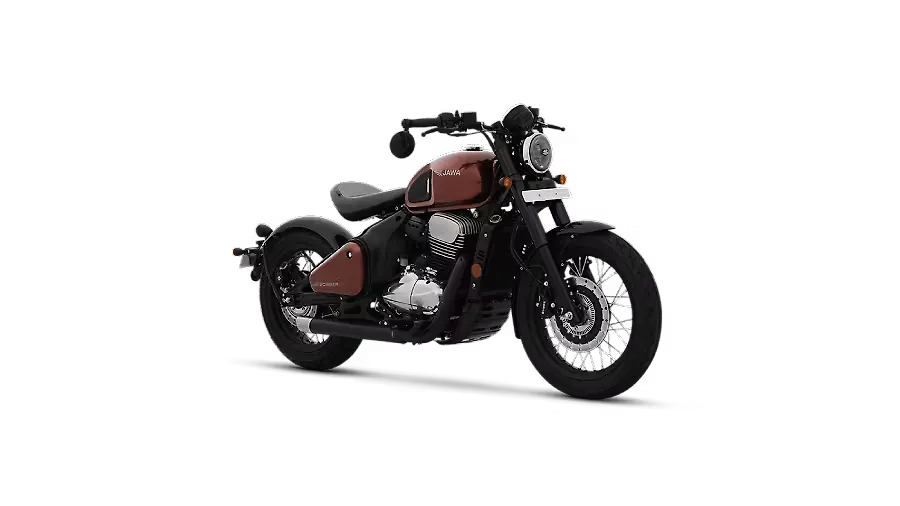
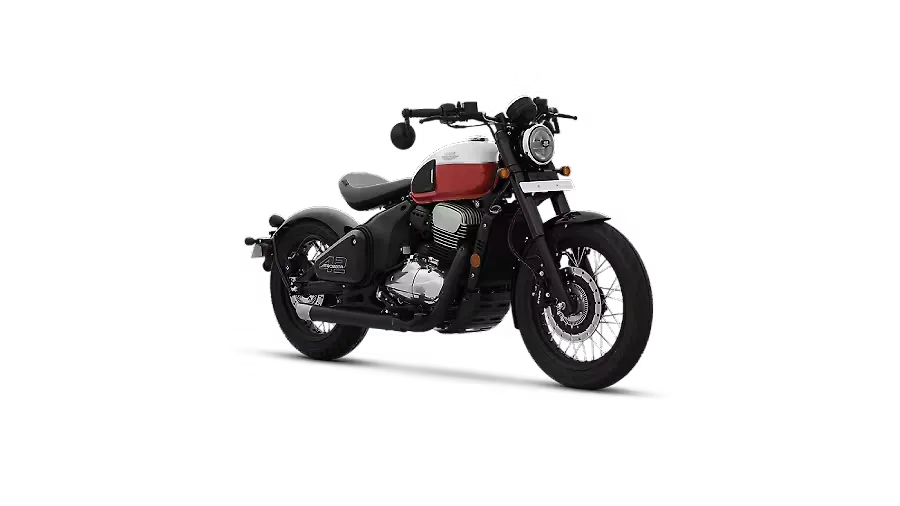
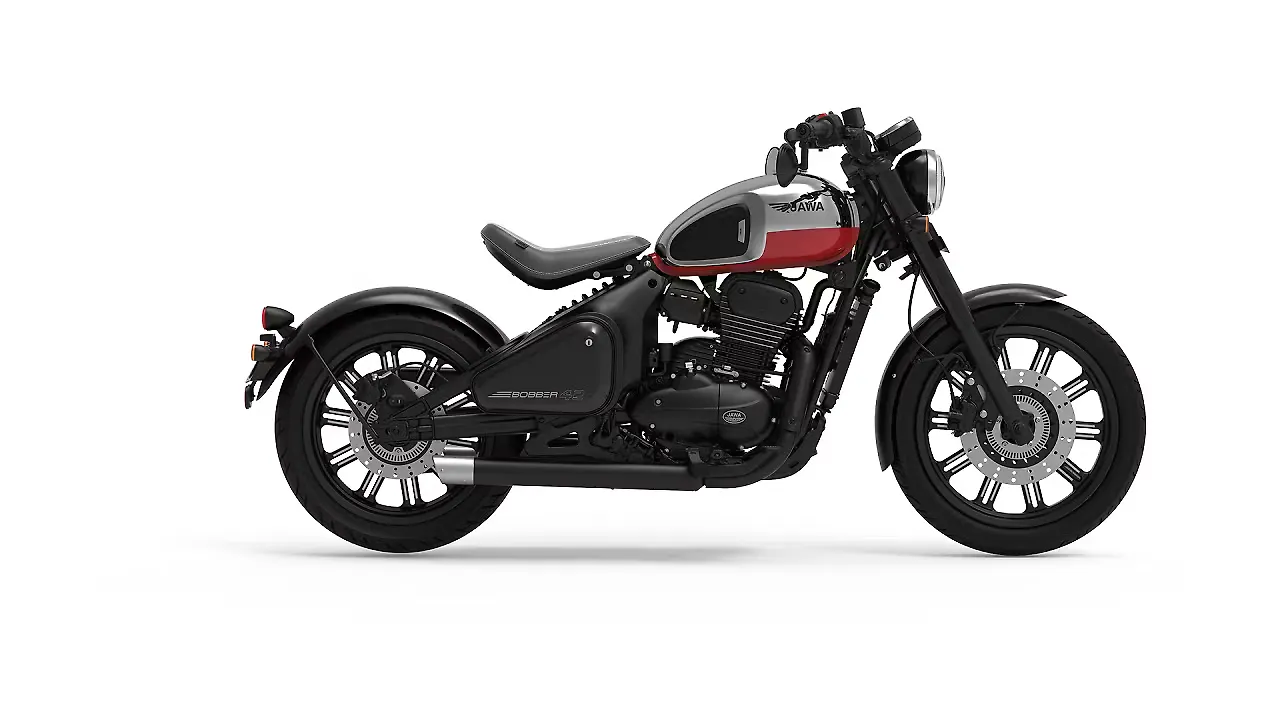
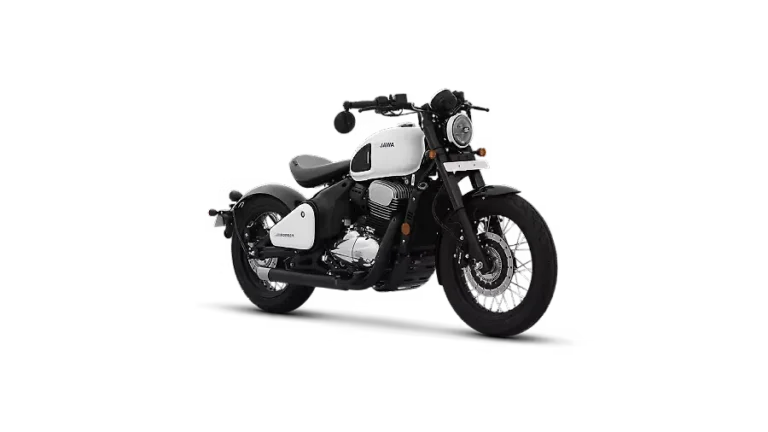
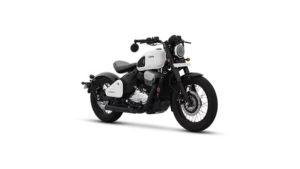
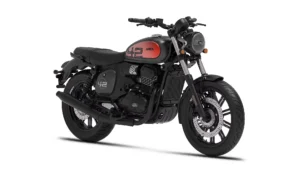
JAWA BOBBER
20.5 pts
Unweighted: 11 advantages
EnginePerformanceDimensionsBrakesTyresFeaturesOther
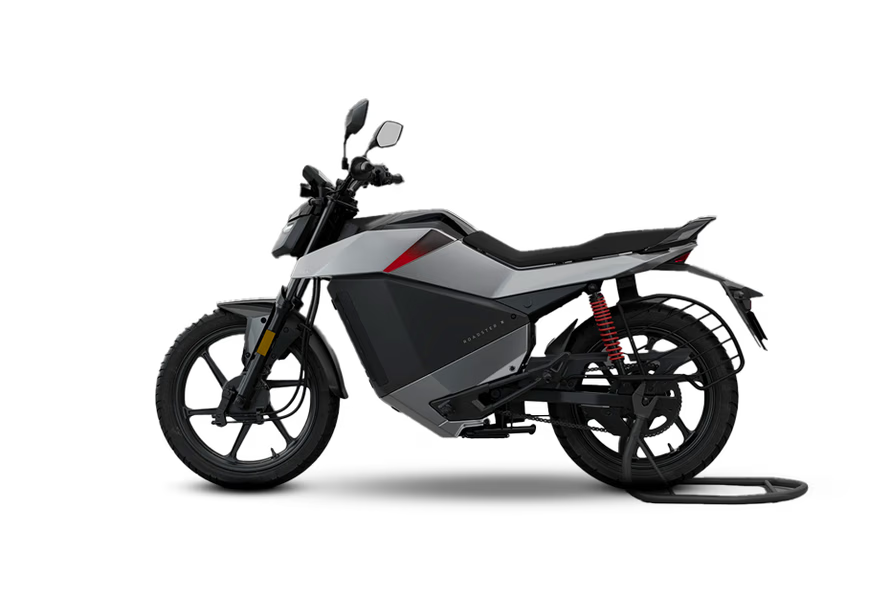
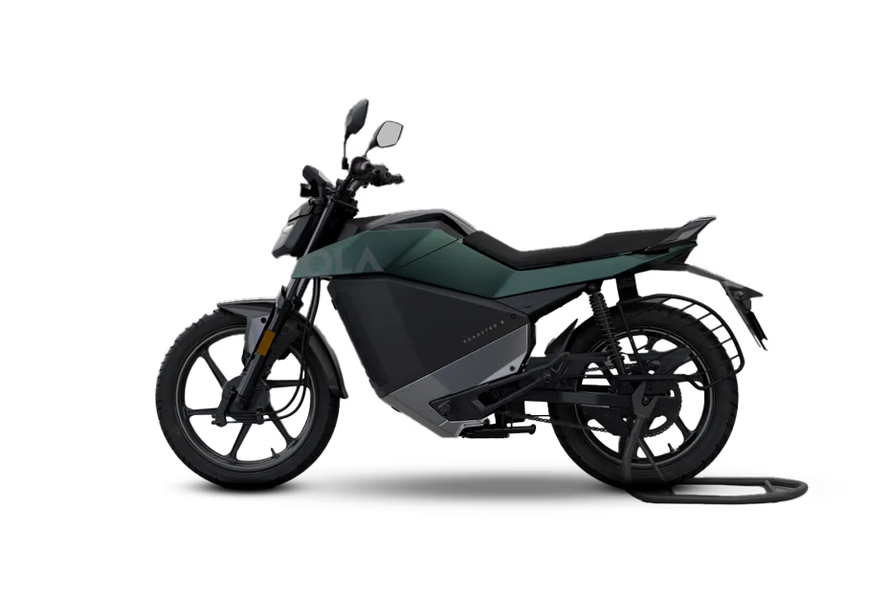
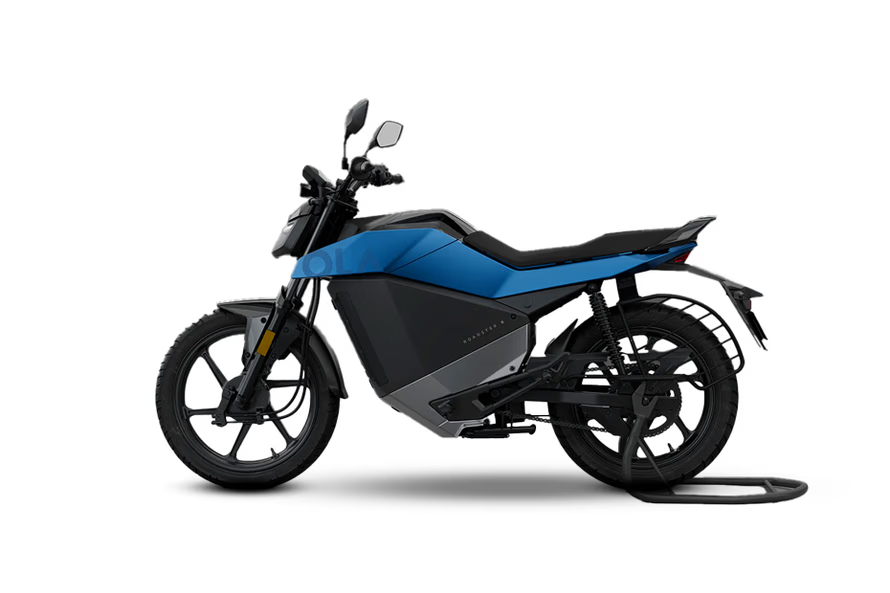
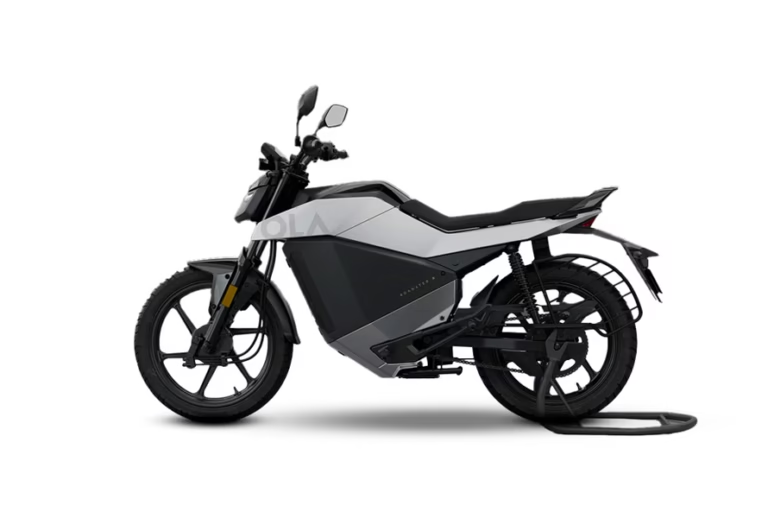
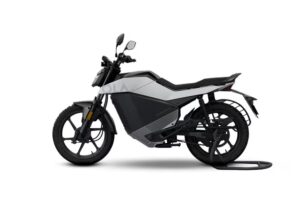
OLA Roadster X
12.0 pts
Unweighted: 11 advantages
EnginePerformanceDimensionsBrakesTyresFeaturesOther
| Specification | ||
|---|---|---|
Engine Specifications |
||
| Displacement | 334 cc | — |
| Engine Type | Single Cylinder, 4 Stroke, Liquid Cooled, DOHC | — |
| Power | 29.9 PS | 7 kw |
| Torque | 30 Nm | 58 Nm |
Performance & Efficiency |
||
| Fuel Tank Capacity | 12.5 L | — |
| Mileage | 30 kmpl | — |
Dimensions & Weight |
||
| Kerb Weight | 185 kg | 127 kg |
| Seat Height | 740 mm | 777 mm |
Brakes & Suspension |
||
| ABS | Dual Channel | — |
| Front Brake | 280 mm | Drum 2 Piston Brake by Wire |
| Front Suspension | Telescopic Forks, Ø 35 mm | Telescopic Fork |
| Rear Brake | 240 mm | Drum |
| Rear Suspension | Mono Shock Absorber, Gas Filled with 7-Step Adjustable Preload | Twin Shock Absorbers |
Tyres & Wheels |
||
| Front Tyre | 100/90-18, 56H | 80/100 - 18 |
| Rear Tyre | 140/70-17, 66H | 100/90 - 17 |
| Tyre Type | Tube | Tubeless |
| Wheel Type | Spoke | Alloy |
Features & Technology |
||
| Headlight | — | LED |
Other Specifications |
||
| Battery Capacity (kWh) | — | 2.5 |
| Battery Chemistry | — | Li-ion |
| Bike Image 1 | https://motoautiv.com/wp-content/uploads/2025/11/42bobbermysticcopper.webp | https://motoautiv.com/wp-content/uploads/2025/12/roadsterxplusindustrialsilver-1.webp |
| Bike Image 2 | https://motoautiv.com/wp-content/uploads/2025/11/42bobberjasperred.webp | https://motoautiv.com/wp-content/uploads/2025/12/roadsterxplusstellarblue-1.webp |
| Bike Image 3 | https://motoautiv.com/wp-content/uploads/2025/11/42bobberredsheen.webp | https://motoautiv.com/wp-content/uploads/2025/12/roadsterxplusceramicwhite-1.webp |
| Bike Image 4 | https://motoautiv.com/wp-content/uploads/2025/11/42bobberblackmirror.webp | — |
| Charging Time (Fast) | — | 5.9 h |
| Color Options | Mystic Copper Moonstone White Jasper Red Deep Black Matte Red Clad Black Mirror | Ceramic White Metallic Black Pine Green Industrial Silver Stellar Blue |
| Cons | Single-seat limitation: It cannot carry a pillion, which might be a deal-breaker for riders who need two-up capability. Stiff rear suspension for some riders: On rough city roads, the suspension may feel firmer than expected, especially at lower speeds. Engine heat in traffic: The 334cc motor tends to generate noticeable heat during slow, bumper-to-bumper riding. Limited practicality: The bobber design restricts storage options, luggage mounting, and everyday utility compared to standard bikes. Smaller fuel tank: Longer highway rides may require more frequent fuel stops. Slightly heavy in tight spaces: While stable on the highway, its weight can be felt during U-turns or slow maneuvering. | Range figures are optimistic and real-world numbers may be significantly lower depending on riding style. Absence of dual-channel ABS on all variants could be a drawback for safety-focused buyers. Charging times can feel long if you do not have access to fast-charging infrastructure. Rear twin-shock suspension may feel firm for lighter riders on bad roads. Limited storage space compared to some EV scooters and urban-focused EVs. Fit and finish may vary between batches since the model lineup is very new. Battery degradation over years is still an unknown factor for early buyers. |
| Detailed Overview | Riding the Jawa 42 Bobber never quite feels ordinary — it’s a machine that makes a statement the moment you swing your leg over. The soul of this bike lies in its 334 cc single-cylinder, liquid-cooled, DOHC engine. That’s not just a handful of numbers — it’s a heart that delivers smooth throttle response, and more importantly, a strong mid-range punch. In day-to-day riding, whether you’re crawling through traffic or cruising on a highway, this engine delivers usable power without needing to be pushed hard. The 6-speed gearbox, paired with an assist-and-slipper clutch, makes gear changes feel refined. In the city, that helps — when you’re changing gears frequently, the clutch bite is lighter than on many cruiser-style bikes, but you still feel solid when opening up on open roads. The fuel injection system ensures consistent delivery of fuel, which helps with efficiency and makes sure power comes smoothly, with no surprise jerks or hesitation. On the road, the bike feels planted. Its low seat height — just 740 mm — makes it easy to touch the ground when stopped, which is a great confidence booster if you’re navigating crowded streets or tight parking situations. The wheelbase is long (1,485 mm), which helps stability when cruising, but the bike doesn’t feel cumbersome because its kerb weight (~185 kg) provides solidity without being overly heavy. The balance between comfort and control is nicely struck. Suspension is tuned just right for mixed urban and semi-highway conditions: telescopic front forks and a mono-shock with 7-step preload adjustment at the rear give you enough compliance for bumps, while remaining firm enough to feel stable through turns or during spirited rides. The preload adjustment is a thoughtful feature — if you occasionally carry a load or ride over rougher roads, you can tweak things to suit. Braking inspires confidence. With disc brakes on both front and rear, and dual-channel ABS, the Bobber gives you reliable stopping power. Whether you’re easing off at speed or needing to brake hard in sudden traffic, the system helps prevent wheel lock-up, which adds a layer of safety that’s especially helpful for less aggressive riders. Fuel tank capacity sits at 12.5 litres — not massive, but enough for a fair mix of city use and occasional weekend rides. You’ll want to plan fuel stops if you ride long distances, but for daily use it’s quite reasonable. Ergonomically, the Bobber leans into a relaxed cruiser stance. The forward-set footpegs, wide handlebars, and low seat invite a laid-back posture that’s ideal for relaxed rides, not aggressive sporty cornering. The single-seat layout reinforces that cruiser identity — it’s clearly made for solo riding, and not for pillion passengers. On the practical side, the 42 Bobber includes a modern digital instrument console, LED lighting, electric start, and useful indicators like low fuel. These touches bring a classic-looking bobber into the modern age without spoiling the minimal charm — you get just enough tech to feel contemporary, without unnecessary frills. If you ask whether this bike is for someone who just needs a daily commuter — it could be, but it truly shines when you treat it as a style cruiser. It’s less about beating traffic times or getting the most for every rupee of fuel, and more about enjoying the ride: the growl of its exhaust, the planted feel at speed, the freedom of minimal styling. For someone who values character, presence, and the feel of a modern classic, the Jawa 42 Bobber is a compelling pick. | Riding the Roadster X feels like stepping into the future of everyday two-wheeler transport — silent, zippy, and stripped of the familiar fuss of fuel, gears, and choke. At its heart lies an electric mid-drive motor that quietly transforms the usual “kick-start, wait and roar” ritual into “plug in, twist throttle, go.” Depending on which battery pack you go for, the Roadster X offers a mix of convenience and versatility. Variants come with battery capacities such as 2.5 kWh, 3.5 kWh, 4.5 kWh — and at the top end under the “Roadster X+” badge, there’s an option with a beefy 9.1 kWh pack. For a regular 4.5 kWh build, the motor delivers about 7 kW of power, producing sufficient torque to handle city traffic and suburban roads with ease. On the more powerful 9.1 kWh + 11 kW variant, punch increases noticeably — you get brisk acceleration, and the scooter feels more alive when you twist the throttle. In fact, the top-end version claims a 0–40 km/h sprint in around 2.7 seconds, which is enough to feel lively when pulling out into traffic or overtaking slower vehicles. The top speed of the more powerful variant is around 125 km/h — not just “scooter- slow,” but enough for comfortable highway cruising when roads are decent (and legal). Range is one of the parts where Roadster X tries to impress. With the 4.5 kWh battery, a claimed “IDC” range hovers around 252 km. With the 9.1 kWh battery, the company goes so far as to quote up to 501 km on a full charge. That’s a headline number that would make any commuter hopeful — in real-world riding, especially city commutes with frequent start-stops or occasional highway stretches, you’ll likely get lower. But the big battery still gives you breathing room: occasional long rides, fewer charging stops, and a sense of freedom without obsessing over where the next plug point is. On roads — especially the sometimes rough, uneven roads of many Indian towns and cities — the Roadster X is set up thoughtfully. It uses a traditional telescopic front fork and twin-shock rear suspension, a tried-and-tested combo that balances comfort and stability. In everyday riding — potholes, speed-breakers, unpredictable patches — this setup might not feel like a plush cruiser, but it tends to handle typical urban/suburban unevenness without harshness. The frame — a double-cradle steel chassis built for strength — helps maintain composure, even when roads get unpredictable. Maneuverability is key in daily commuting and tight traffic, and Roadster X is more nimble than bulky bikes. Its dimensions (wheelbase, saddle height, overall width) give it relative agility compared to bigger motorcycles. The weight is modest enough that dipping through traffic, parking, or navigating narrow lanes doesn’t demand excessive effort. In a place with mixed traffic — scooters, bicycles, pedestrians, rickshaws — this translates to easier life. Stopping and safety – often underrated — get decent attention. The higher variants come with a front disc brake (plus rear drum), and a “brake-by-wire” system that, paired with what the designers intended, blends mechanical and regenerative braking intelligently. For city speeds, that gives enough braking bite and some confidence in sudden stops or unpredictable traffic movement. On the user-experience and convenience front, Roadster X feels modern. The instrumentation is a 4.3-inch colour LCD display — clean, digital, and likely easier to read than older analog-plus-LED clusters. There are selectable ride-modes: Eco, Normal, and Sports — letting you prioritize efficiency, balanced riding, or performance depending on mood or road. It supports smart features: connectivity via app, ability to locate charging stations, energy-insight readouts (helpful to track how your riding style affects range), and even reverse-assist (rare for two-wheelers, and useful when maneuvering in tight parking spots). On-board LEDs for headlamp and taillight + tubeless alloy wheels add to modern EV-two-wheeler sensibility. For folks thinking about cost — one of the main reasons people look at electric bikes — Roadster X tries to keep things reasonable. The entry-level variant starts at a base ex-showroom price that’s very competitive compared to many internal-combustion bikes, while the higher variants offer a compelling value if you plan to ride regularly and cover good km. For someone commuting daily, doing errands, or even occasional longer rides — especially if fuel and maintenance costs matter — Roadster X presents a tempting proposition of “silent, no-fuss, and economical as long as you have access to charging.” Riding the Roadster X in real life, you’d likely notice a few things. Around town with mixed-speed traffic and lots of stops, the instant torque and smooth power delivery make riding almost effortless — no gear shifts, no vibrations, no noise. Traffic lights, roundabouts, slow-moving vehicles: you glide through them without the jerks or lurches typical of small-petrol bikes. On decent stretches of road or highway, the top-end variant opens up, allowing confident overtakes and stable cruising. Of course, it’s not a luxury or premium superbike — but that’s not its aim. What it aims for — and largely delivers — is a practical, cost-efficient electric commuter/mobility bike that gives you the freedom to move without worrying much about fuel, frequent maintenance, or noise. For city dwellers, young riders, daily commuters, or people wanting a sensible transition toward electric two-wheelers, Roadster X could well represent the “sweet spot.” |
| Expert Review | MotoAutiv Team | MotoAutiv Team |
| FAQ (Manual Override) | Q: What is the mileage? A: The mileage is around 26–32 kmpl in real-world riding. Q: What is the seat height? A: The seat height is 740 mm. Q: Can the Jawa 42 Bobber carry a pillion? A: No, it is a single-seat motorcycle designed only for solo riding. Q: What is the engine capacity? A: It has a 334 cc liquid-cooled single-cylinder engine. Q: Does the bike overheat in traffic? A: No, the liquid cooling system keeps temperatures stable even in slow traffic. Q: Is it good for long rides? A: It is suitable for medium-distance rides but not ideal for very long touring due to its single seat and 12.5L tank. Q: What is the weight of the bike? A: The kerb weight is around 185 kg. Q: Does it have ABS? A: Yes, it comes with dual-channel ABS. Q: What is the fuel tank capacity? A: The fuel tank capacity is 12.5 litres. Q: Is the Jawa 42 Bobber beginner-friendly? A: Yes, it is manageable for new riders, thanks to its low seat height and smooth power delivery. Q: What is the top speed? A: The top speed is approximately 130 km/h. Q: How many gears does it have? A: It has a 6-speed gearbox. Q: Is the maintenance expensive? A: Maintenance is moderate and similar to other 300–400cc premium bikes. Q: What is the warranty period? A: It comes with a warranty of 4 years or 50,000 km, extendable up to 6 years. Q: What is the on-road price? A: Depending on location and variant, it usually falls between ₹2.30 lakh and ₹2.60 lakh on-road. | Q: What battery options are available? A: Roadster X comes with 2.5 kWh, 3.5 kWh, 4.5 kWh, and for the top-end “Roadster X+” also a 9.1 kWh battery option. Q: What is the motor power? A: The standard variants get a 7 kW motor, whereas the top-end Roadster X+ uses an 11 kW motor. Q: What range can I expect per full charge? A: Depending on the variant: up to about 252 km with the 4.5 kWh battery, and up to 501 km with the 9.1 kWh battery (as claimed). Q: What is the top speed? A: The top speed varies: lower-capacity variants are rated around 105–118 km/h; the top-end variant claims up to 125 km/h. Q: What is the acceleration (0–40 km/h)? A: For entry-level battery versions it’s around 3.4 seconds; for higher battery/motor versions it drops to about 3.1 seconds; the top-end variant does 0–40 km/h in about 2.7 seconds. Q: What kind of display and electronics does it have? A: It features a 4.3-inch colour LCD display powered by the company’s software (MoveOS 5), and supports features like ride-modes (Eco/Normal/Sport), navigation, advanced regenerative braking, cruise-control, tyre-pressure monitoring, over-the-air updates, and app connectivity. Q: What kind of suspension and chassis does it use? A: Front suspension is telescopic fork, rear uses twin-shock adjustable rear suspension; chassis is built on a sturdy double-cradle steel frame for torsional rigidity. Q: What are the brakes and tyre specifications? A: It uses a front disc brake (on certain variants) along with brake-by-wire + regenerative braking. Wheels are alloy with tubeless tyres. Q: What is the approximate kerb weight and ground clearance (for 4.5 kWh variant)? A: Kerb weight is about 130.7 kg and ground clearance is around 180 mm. Q: What is the ex-showroom price range? A: Entry-level versions start around ₹74,999, mid variants about ₹84,999, and higher variants around ₹99,999 (ex-showroom). |
| Fuel System | — | Electric |
| Price Variants | | 193000 | X+ | 189999 X | 124999 |
| Pros | Unique factory-custom look: The 42 Bobber stands out with its low-slung stance, chunky tyres, single seat, and retro-custom appeal that usually requires aftermarket work on other bikes. Strong low-end performance: Its 334cc engine delivers good torque early in the rev range, making city riding feel effortless and lively. Comfortable riding position: The forward-set footpegs and wide handlebars create a relaxed, cruiser-like posture suitable for long and easy rides. Good road presence: The bike’s muscular tank, floating seat, and overall proportions make it feel more premium and eye-catching than typical 300–400cc motorcycles. Adjustable seat: The adjustable seat height is a rare and practical feature, helping riders of different heights find a comfortable stance. Improved brakes and suspension: The combination of discs with dual-channel ABS and a well-tuned suspension setup provides confident braking and a stable ride. Modern features: A digital console, LED lights, slipper clutch, and USB charging add convenience without breaking the retro charm. | Offers multiple battery options, letting buyers choose between affordability and long-range practicality. Strong motor performance, especially on the higher variants, giving quick acceleration and confident highway cruising. Modern, muscular street-bike design that stands out among commuter EV motorcycles. Smooth ride quality thanks to a stable double-cradle frame and well-tuned suspension setup. Regenerative braking adds extra range and reduces brake-wear in city traffic. Packed with features like ride modes, cruise control, navigation, and app connectivity. Good ground clearance for Indian road conditions. Relatively lightweight for an electric motorcycle, making it easy to handle in daily commuting. Competitive pricing for the hardware and features provided. |
| Transmission | 6–Speed | Automatic |