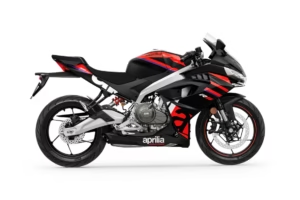
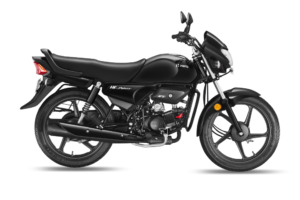
VS

Quick Analysis

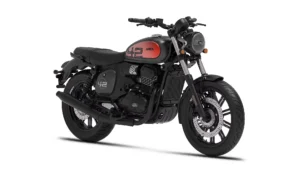
JAWA 42 J

30.5 pts
Unweighted: 20 advantages
EnginePerformanceDimensionsBrakesTyresFeaturesOther

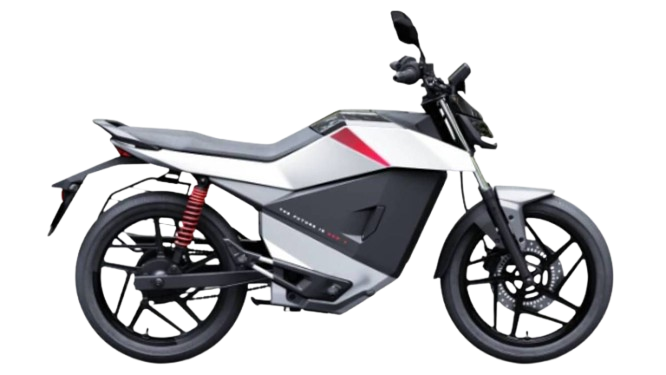
OLA ROADSTER

13.5 pts
Unweighted: 11 advantages
EnginePerformanceDimensionsBrakesTyresFeaturesOther
Specification
JAWA 42 J
JAWA 42 J
Jawa
OLA ROADSTER
OLA ROADSTER
Ola

Engine Specifications

Cooling System Air Cooled
Displacement 334 cc
Engine Type Single Cylinder, 4 Stroke, Liquid Cooled, DOHC
Power 29.17 PS 13 kW
Torque 29.62 Nm 58NM

Performance & Efficiency

Fuel Tank Capacity 12 L
Mileage 30 kmpl
Top Speed (km/h) 108

Dimensions & Weight

Kerb Weight 184 kg
Seat Height 790 mm

Brakes & Suspension

ABS Dual Channel ABS Single Channel ABS
Front Brake Disc With Floating Caliper 320 mm Front
Front Suspension Telescopic Forks, Ø 41 mm Telescopic
Rear Brake Disc With Floating Caliper 240 mm Rear
Rear Suspension Twin Shock Absorber With 5-step Adjustable Pre-load Monoshock

Tyres & Wheels

Front Tyre 100/90-18, 56H
Rear Tyre 140/70-17, 66H
Tyre Type Tube Tubeless
Wheel Type Spoke Alloy

Features & Technology

Headlight LED Projector

Other Specifications

Battery MF Battery
Battery Capacity (kWh) 3.5
Battery Chemistry Li-ion
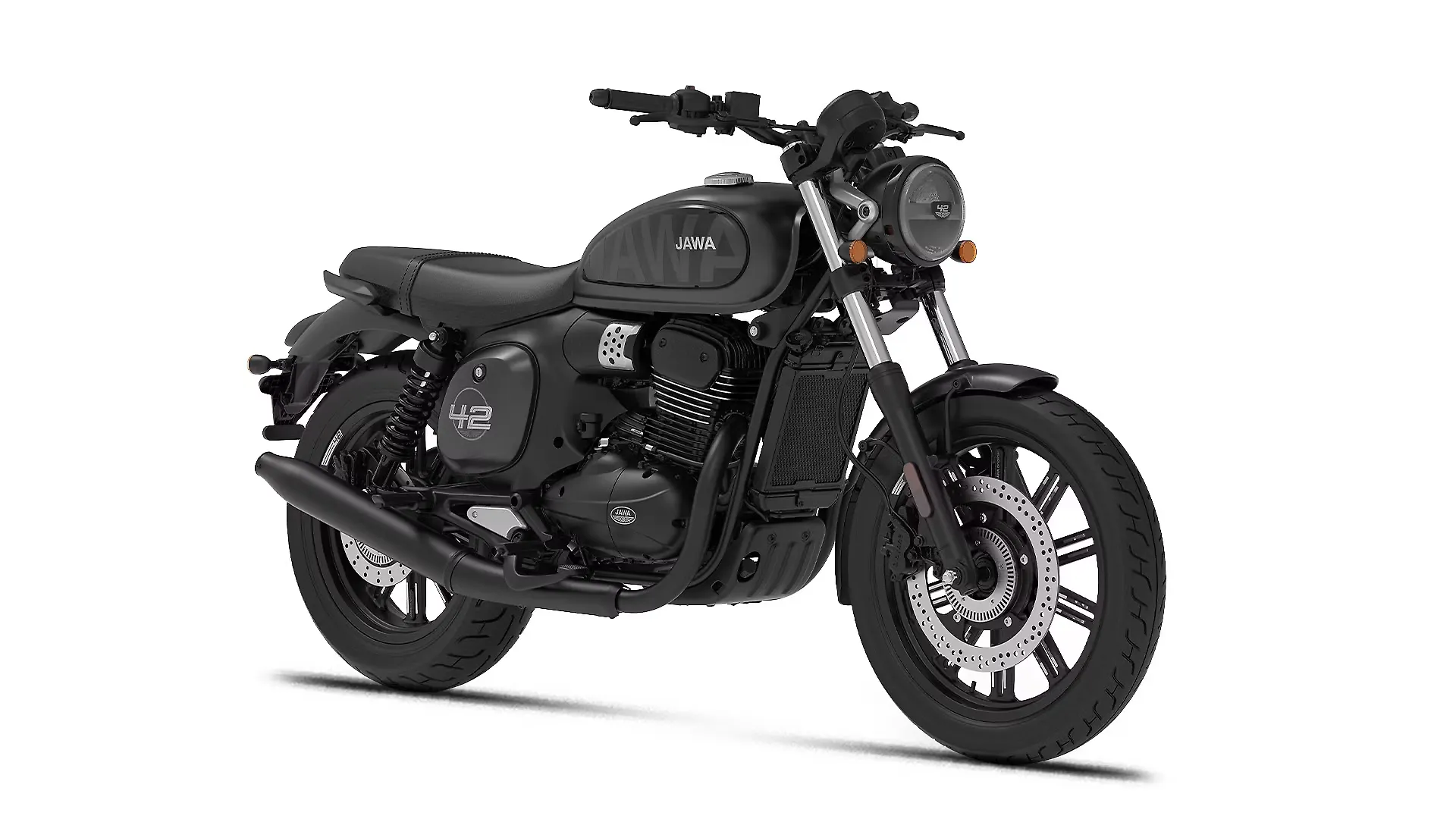
Bike Image 1 https://motoautiv.com/wp-content/uploads/2025/11/42fjdeepblackmatteblackclad.webp
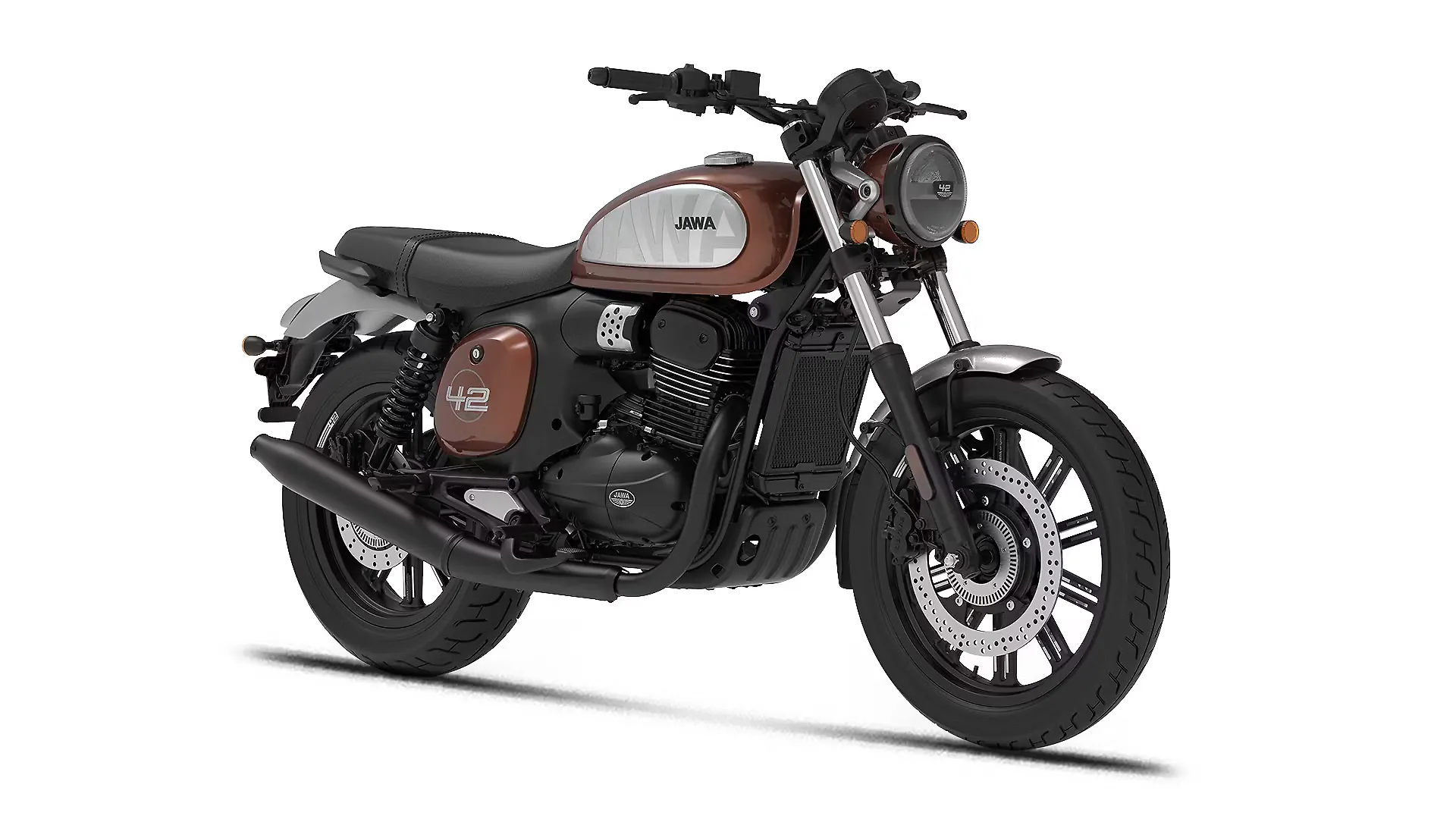
Bike Image 2 https://motoautiv.com/wp-content/uploads/2025/11/42fjmystiquecopper.webp
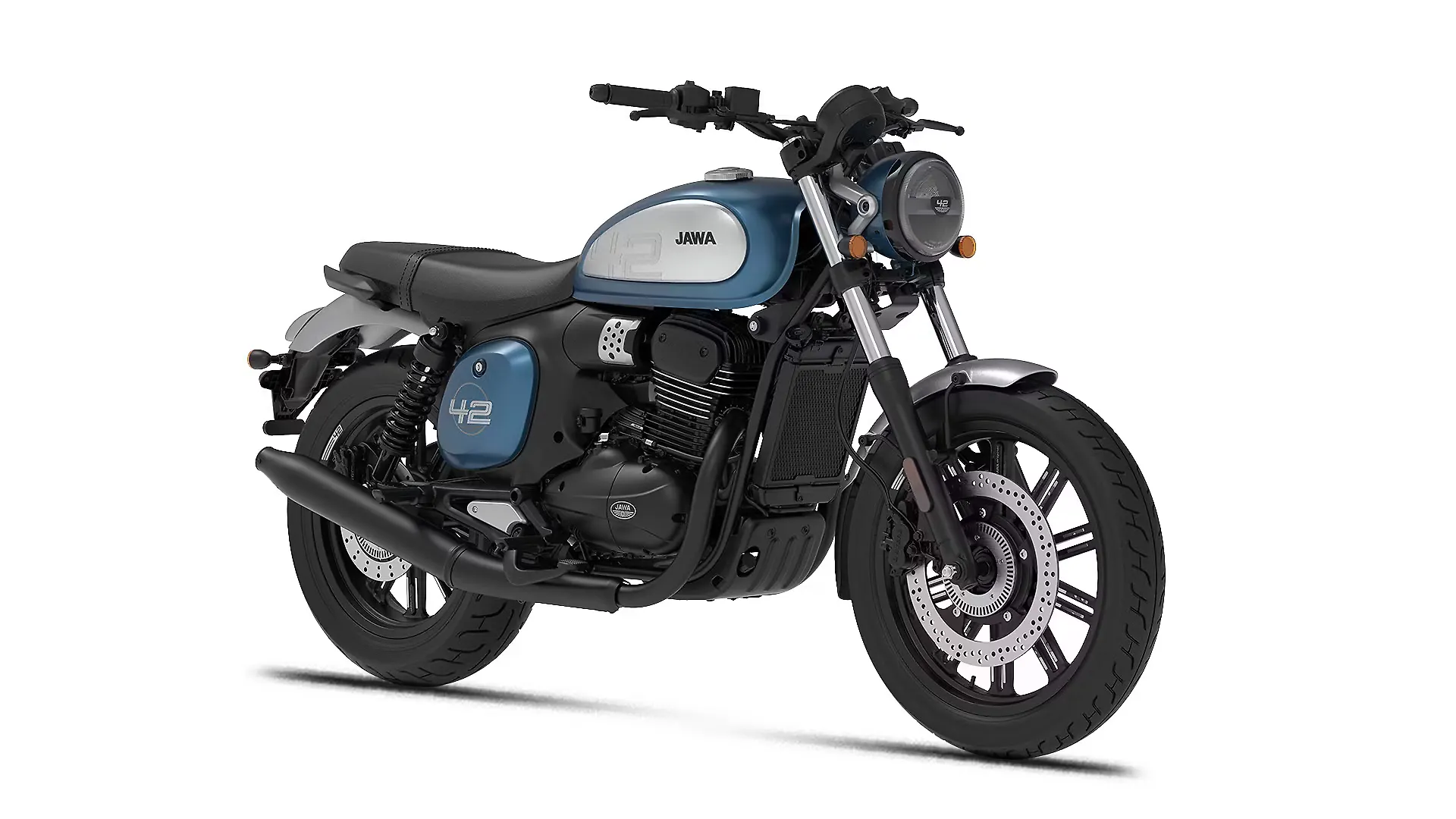
Bike Image 3 https://motoautiv.com/wp-content/uploads/2025/11/42fjcosmobluematte.webp
Charging Port Type Type C
Charging Time (Standard) 0-80% in 4.6h
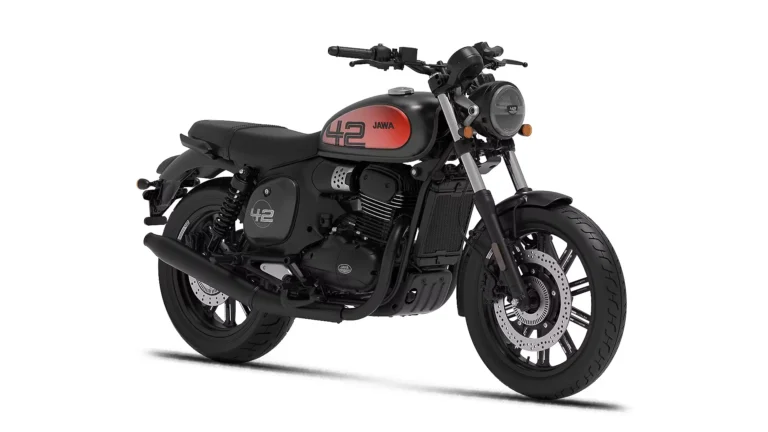
Color Options Mystique Copper Deep Black Matte Black Clad Aurora Green Matte Deep Black Matte Red Clad Cosmo Blue Matte Stellar Blue | #18507a Pine Green | #293734 Industrial Silver | #999da3 Ceramic White | #c2c2c2 Metallic Black | #414446
Cons Limited modern features – Lacks advanced electronics, ride modes, or connectivity options. Reliability concerns – Some owners report minor mechanical or electrical issues. After-sales and parts availability – Service centers may be limited in some areas, and spare parts can be hard to get. Comfort limitations for long rides – Pillion seat and luggage capacity are limited; not ideal for long-distance touring. Moderate fuel efficiency – Real-world mileage may be lower than expected in heavy traffic or aggressive riding. Unlike petrol bikes that you can top up in minutes, the Roadster’s battery takes several hours to fully charge on a regular home charger. This means you need to plan ahead, usually overnight or during long parking, which isn’t as convenient for spontaneous long rides. The claimed range of up to ~248 km is good for most city commutes, but it still requires careful planning on longer trips. Real-world range can be lower depending on speed, riding mode, traffic conditions, and use of accessories (lights, indicators, etc.). If you don’t have easy access to a reliable charger at home or work, finding public chargers can be difficult or time-consuming, especially in smaller towns and less electrified areas. Electric bikes carry heavy batteries, and the Roadster is no exception. This extra weight can make manoeuvring at low speeds or pushing the bike manually a bit more tiring compared to lighter petrol motorcycles. EVs, including the Roadster, often have a higher upfront cost compared to similarly specced petrol bikes. While running costs are lower, the initial investment may feel significant for budget-conscious buyers. Like all EV batteries, the Roadster’s battery may lose capacity gradually with long-term use. This means you may see a reduction in range over several years, which can affect usability later in ownership.
Detailed Overview Riding the Jawa 42 FJ feels like you’re commanding a machine that strikes a rare balance — it’s rugged without being raw, modern without giving up its classic soul. Under its skin lives a 334 cc, single-cylinder, liquid-cooled DOHC engine that’s tuned to generate about 29.17 PS of power and 29.62 Nm of torque. That power figure isn’t about wild acceleration; it’s about usable, confident torque right in the midrange — the kind that lets you surge past slow-moving traffic or carry speed comfortably once you’re out on open roads. Because the engine is liquid-cooled, it resists overheating even in stop-go traffic or during longer rides, which is a big plus for both city commuters and weekend travellers. Paired with that engine is a 6-speed constant-mesh gearbox, which gives the 42 FJ a flexibility that many retro-inspired bikes lack. In the city, lower gears help you navigate tight turns and slow zones; crank into the higher gears on the highway, and the bike relaxes into a smooth, sustained rhythm — it doesn’t feel stressed or out of breath. The assist-and-slipper clutch makes downshifts lighter and safer, especially when you’re slowing down hard or tackling steep terrain. This kind of setup means you don’t have to wrestle with clutch levers constantly — the bike does a lot of the work for you. On the road, the frame’s double-cradle design gives the bike a stable backbone. The front suspension is handled by telescopic forks (41 mm), while the rear uses twin shock absorbers with 5-step preload adjustment. In real-world terms, that means potholes and rough patches don’t slam into your spine — there’s just enough give to absorb most imperfections without turning the ride into a mushy mess. Once the road smooths out, the brakes — dual disc with floating calipers and dual-channel ABS — give strong, predictable bite. You feel secure braking hard, even when you’re leaning into a turn or coming down from highway speed. The motorcycle’s dimensions also contribute to its confidence-in-motion: a wheelbase of 1,440 mm gives it stability, while a seat height of 790 mm makes it accessible for many riders without feeling too compact. Ground clearance sits at 178 mm, which helps when you’re navigating over uneven terrain or clearing speed breakers — something very relevant in real-world road conditions. At a kerb weight of around 184 kg, it’s not feather-light, but once moving, it feels planted rather than ponderous. In city traffic, the weight is manageable; on highways, it adds to the sense that the bike is confident and steady. Fueling comes from injection, and though the claimed tank capacity is 12 litres, the real-world balance likely leans toward practicality over long-range touring. For regular commuting and moderate weekend rides, that tank paired with the efficient engine should work well, though it may not give you motorway-range without a stop. Riders who expect to do long-haul touring might need to plan fuel stops more carefully. The wheels are wrapped in road-friendly tyres (100/90-18 up front, 140/70-17 at the rear), which, along with the disc-brake setup, reinforce good grip and handling. The brakes feel responsive — not grabby, but confident. That’s exactly what you want when your speed is building or when traffic messes up your smooth ride. Electronics on the 42 FJ are minimal but practical: there’s a fully digital instrument cluster that shows speed, gear position, fuel, and trip details — all clearly visible so you don’t have to squint or guess. No flashy connectivity gimmicks, but the essentials are covered well. The exhaust comes in a twin layout, which gives the FJ a good exhaust note — neither too loud to be annoying in residential areas, nor too soft to sound uninspiring. In terms of design, the 42 FJ stands out. The brushed aluminium cladding on the tank gives it a distinctive, premium look. It’s not just retro for retro’s sake — the styling feels purposeful, with a bold, modern twist. Colours range from deep matte shades to dual-tone finishes, giving riders a variety of looks to express themselves. Price-wise, the ex-showroom figure starts at around ₹1.93 lakhs and can go to about ₹2.2 lakhs depending on variant and location. Riding one means committing to a machine that’s not just about show: you’re getting a bike with real substance — capable of daily commuting, capable of enjoyable weekend rides, and capable of delivering a retro-modern experience without too many compromises. Overall, the Jawa 42 FJ feels like a well-rounded partner on two wheels. It doesn’t demand constant attention or aggressive riding, but it rewards smooth, thoughtful throttle control and confident road use. For someone looking for a neo-classic bike that’s equally at home in city traffic and on open highways, it’s a choice that marries character with practicality. The first thing you notice when you get on the Roadster is what’s missing. There’s no engine rumble, no vibrations creeping up through the handlebars, and no clutch or gearbox demanding attention. Instead, there’s a calm silence and the moment you twist the throttle, a smooth, immediate push forward. That’s the nature of electric power. No waiting, no revving, no drama just clean acceleration when you ask for it. At the heart of the Roadster is an electric motor rated at 13 kW, and while that number may sound technical, what it really means is this the bike feels quick right from the start. From traffic lights or slow moving city roads, it pulls ahead effortlessly, hitting 0 to 40 km per hour in about 2.6 seconds. In everyday riding, this translates to easy overtakes, stress free merging, and a sense that the bike is always ready. There’s no engine lag or power band to hunt for. With a top speed of around 126 km per hour, it does not feel limited to city duties alone and can comfortably handle short highway stretches. Since there’s no petrol tank, the idea of mileage changes completely. What matters instead is battery capacity and range. The Roadster’s top variant comes with a 6 kWh battery, offering a claimed range of up to 248 km on a single charge. For many riders, this means you will not need to plug in every day. A few days of commuting or a mix of city and weekend riding can easily be covered before charging again. Charging, however, is not like a quick fuel stop. A full charge takes several hours, so the bike fits best into a routine where it is charged overnight or while parked for long periods. On the road, the Roadster feels well suited for Indian conditions. The telescopic front fork and rear monoshock strike a good balance. The setup feels stable at higher speeds while remaining comfortable enough to handle potholes, speed breakers, and uneven roads. Alloy wheels with tubeless tyres add everyday practicality, making punctures easier to manage and improving overall handling. Braking performance is equally reassuring. With disc brakes on both the front and rear and single channel ABS, the bike delivers confident stopping power. In sudden braking situations or on wet and uneven surfaces, ABS helps maintain control, which is especially important in city traffic. The riding experience is enhanced by modern features. Higher variants come with a TFT touchscreen display that shows speed, battery status, range, and riding information clearly. Multiple riding modes Eco, Normal, Sport, and Hyper allow riders to choose between efficiency and performance depending on their needs. Features like push button start and reverse assist for tight parking add convenience, while the simplicity of an electric drivetrain means no gears, no clutch, and no engine noise. Living with the Roadster feels like adapting to a new rhythm rather than learning something complicated. For daily commuters, it makes stop and go traffic far less tiring. For riders who combine city use with occasional longer rides, the range and performance feel more than sufficient. Maintenance is simpler too, with no oil changes, no engine tuning, and fewer moving parts to worry about. That said, electric ownership does require a shift in mindset. You trade the freedom of instant refuelling for planned charging. If you have access to charging at home or work, this rarely feels like a compromise. However, spontaneous long rides depend on how much battery charge is available. In everyday terms, the Ola Roadster is not just a replacement for a petrol bike. It represents a different approach to motorcycling, one that is quieter, smoother, and more convenient for modern city life. For riders whose usage is focused on urban roads with the occasional highway stretch, it offers a balanced mix of performance, comfort, range, and ease of ownership without the noise, heat, and frequent maintenance of a traditional engine.
Expert Review MotoAutiv Team The Ola Roadster is an electric motorcycle that delivers instant, smooth acceleration and a quiet, hassle-free riding experience ideal for city commuting. With a claimed range of up to about 248 km on a full charge and modern features like a TFT display and multiple ride modes, it blends practicality with tech. Its simple, gear-free operation and lower running costs make daily use easy, while disc brakes and ABS ensure confident stopping power. However, long charging times and dependence on charging access are important considerations compared to petrol bikes. Overall, it’s a compelling choice for urban riders looking for a cleaner, low-maintenance alternative., MotoAutiv Team
FAQ (Manual Override) Q: What is the Jawa 42 FJ? A: It is a modern-styled version of the Jawa 42 with a brushed-metal tank, sporty detailing, and a more premium, neo-retro look. Q: What engine does the Jawa 42 FJ use? A: It uses a 334cc, liquid-cooled, single-cylinder DOHC engine. Q: How much power and torque does it produce? A: It delivers around 29.17 PS of power and 29.62 Nm of torque. Q: What is the mileage of the Jawa 42 FJ? A: Real-world mileage is around 28–32 kmpl depending on riding style. Q: Does the Jawa 42 FJ have a 6-speed gearbox? A: Yes, it comes with a 6-speed constant-mesh gearbox and a slipper clutch. Q: Does the Jawa 42 FJ come with ABS? A: Yes, it features dual-channel ABS for safer braking. Q: What is the seat height of the Jawa 42 FJ? A: The seat height is approximately 790 mm, making it comfortable for most riders. Q: What is the kerb weight of the bike? A: The Jawa 42 FJ weighs around 184 kg. Q: What is the fuel tank capacity? A: It has a 12-litre fuel tank. Q: Is the Jawa 42 FJ good for daily commuting? A: Yes, its smooth engine and comfortable ergonomics make it great for daily use. Q: Is the Jawa 42 FJ suitable for long rides? A: Yes, the stable frame, 6-speed gearbox, and comfortable seating make it capable of touring. Q: What type of brakes does it use? A: It comes with front and rear disc brakes paired with dual-channel ABS. Q: What are the tyre sizes of the Jawa 42 FJ? A: 100/90-18 at the front and 140/70-17 at the rear. Q: What makes the FJ edition different from the regular Jawa 42? A: The FJ gets a brushed-aluminium tank finish, sportier styling, and a more modern premium look. Q: What is the approximate price of the Jawa 42 FJ? A: The ex-showroom price starts around ₹1.93 lakh and varies by location. Q: How much mileage does the Ola Roadster offer? A: Since the Ola Roadster is an electric motorcycle, its efficiency is measured in range rather than mileage. The 6 kWh variant delivers up to ~248 km on a single charge, making it ideal for both daily commutes and long rides. Q: What is the top speed of the Ola Roadster? A: The Ola Roadster can reach a top speed of approximately 126 km/h, offering a sporty and confident riding experience. Q: What is the battery capacity? A: The Roadster is powered by a lithium-ion battery with a capacity of up to 6 kWh in the top variant. Q: How long does it take to fully charge? A: Using a standard home charger, the bike takes around 7–8 hours for a full charge, perfect for overnight charging. Q: How powerful is the motor? A: The electric motor produces a peak power output of 13 kW, delivering instant torque and quick acceleration. Q: Does the Ola Roadster have ABS? A: Yes, safety is well taken care of with single-channel ABS for controlled and confident braking. Q: What braking system does it use? A: The bike comes equipped with disc brakes at both the front and rear, ensuring strong stopping power. Q: Is there a touchscreen display? A: Yes, higher variants feature a 7-inch TFT touchscreen display, offering smart connectivity and real-time riding information. Q: What suspension setup does it have? A: The Ola Roadster uses a telescopic front fork and a rear monoshock, providing a comfortable and stable ride on city roads and highways. Q: Is the Ola Roadster suitable for highway riding? A: Absolutely. With its fast acceleration and 126 km/h top speed, the Roadster is suitable for short to moderate highway rides. Q: What colour options are available? A: The Ola Roadster is offered in multiple colour themes, which vary based on the selected variant. Q: Does it offer different riding modes? A: Yes, the bike comes with four riding modes — Eco, Normal, Sport, and Hyper, allowing riders to balance performance and efficiency as needed.
Fuel System Electronic Fuel Injection Electric
Price Variants | 193000 3.5kWh | 104999 4.5kWh | 119999 6kWh | 139999
Pros Retro-modern styling – Classic look with modern touches makes it stand out. Decent engine performance – The 294 cc engine with 6-speed gearbox provides good acceleration and city/highway usability. Comfortable ergonomics – Low seat height and upright riding stance make it accessible for most riders. Blend of old-school charm + modern basics – Features like disc brakes, ABS, and alloy/spoke wheel options balance nostalgia with practicality. Fun to ride – Lightweight and responsive, ideal for weekend rides or casual city commuting. The electric motor delivers instant torque, so the Roadster pulls smoothly and quickly from a standstill. This makes navigating city traffic, overtaking slow vehicles, and moving through congested roads feel effortless. No clutch, no gears, no engine noise , just twist and go. This simplicity makes the Roadster especially easy for new riders or commuters who don’t want to deal with gear shifts during busy traffic. Electric charging is generally cheaper than petrol. Combined with fewer moving parts and lower maintenance (no oil changes, no fuel system), the Roadster can be cheaper to own and operate in the long run. With a claimed range of up to about 248 km on a full charge (6 kWh battery), most users can cover several days of regular city commuting without needing to charge frequently. The suspension setup (telescopic front fork + rear monoshock) strikes a practical balance between comfort and control. It handles common road irregularities such as bumps and patches reasonably well , so useful for urban and semi-urban conditions. With disc brakes front and rear, plus single-channel ABS, braking feels predictable and stable. This matters in real-world scenarios like sudden stops or wet patches on the road. Reverse assist helps in parking tight spaces, and the riding posture is comfortable for city use. The bike’s responsiveness and control make it suitable for daily trips, errands, and short rides without the usual engine fuss.
Starter Electric Start
Transmission 6–Speed Automatic