Quick Analysis
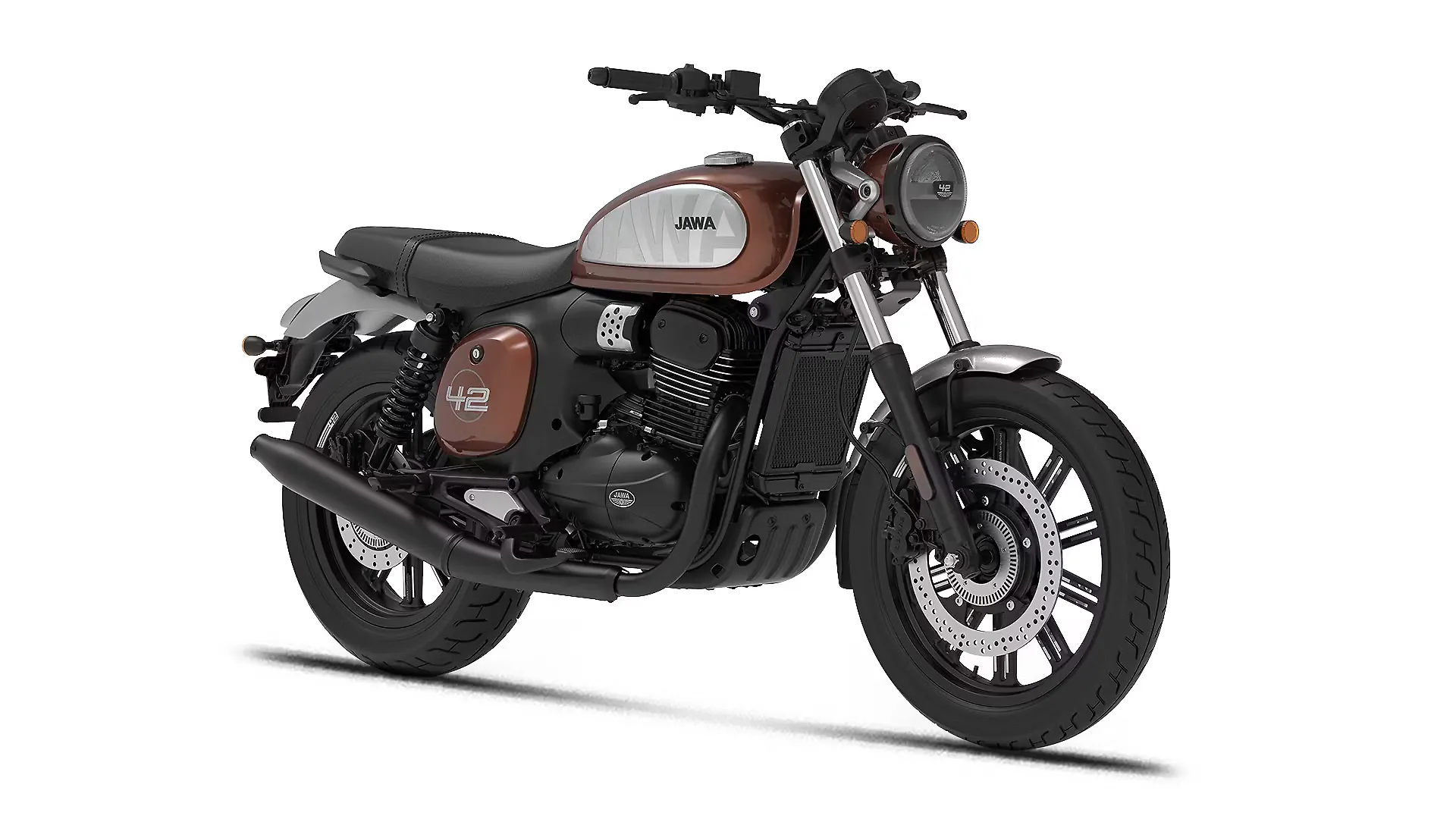
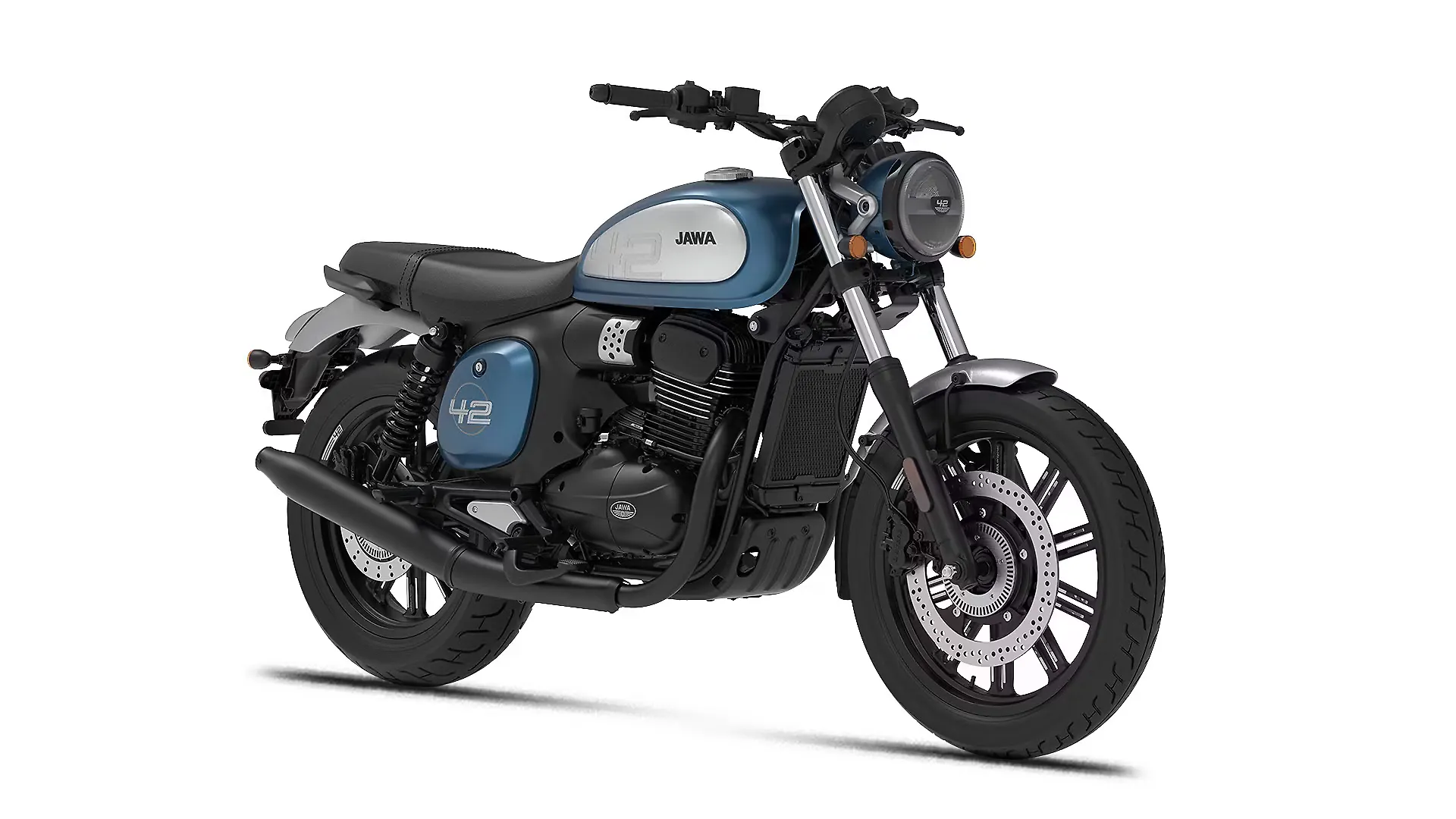
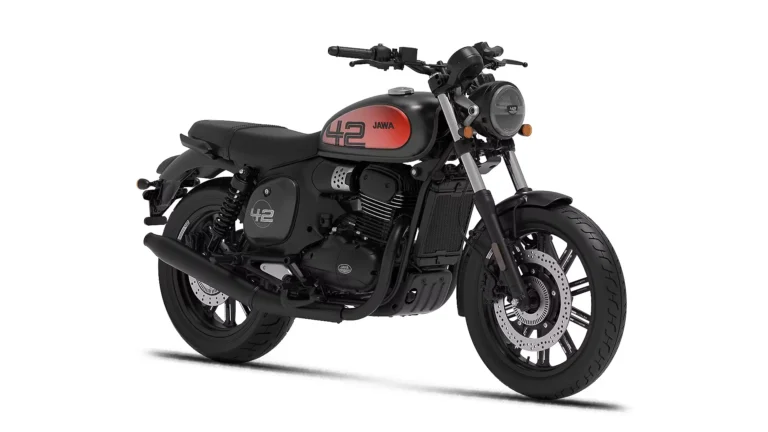
JAWA 42 J
16.0 pts
Unweighted: 10 advantages
EnginePerformanceDimensionsBrakesTyresFeaturesOther
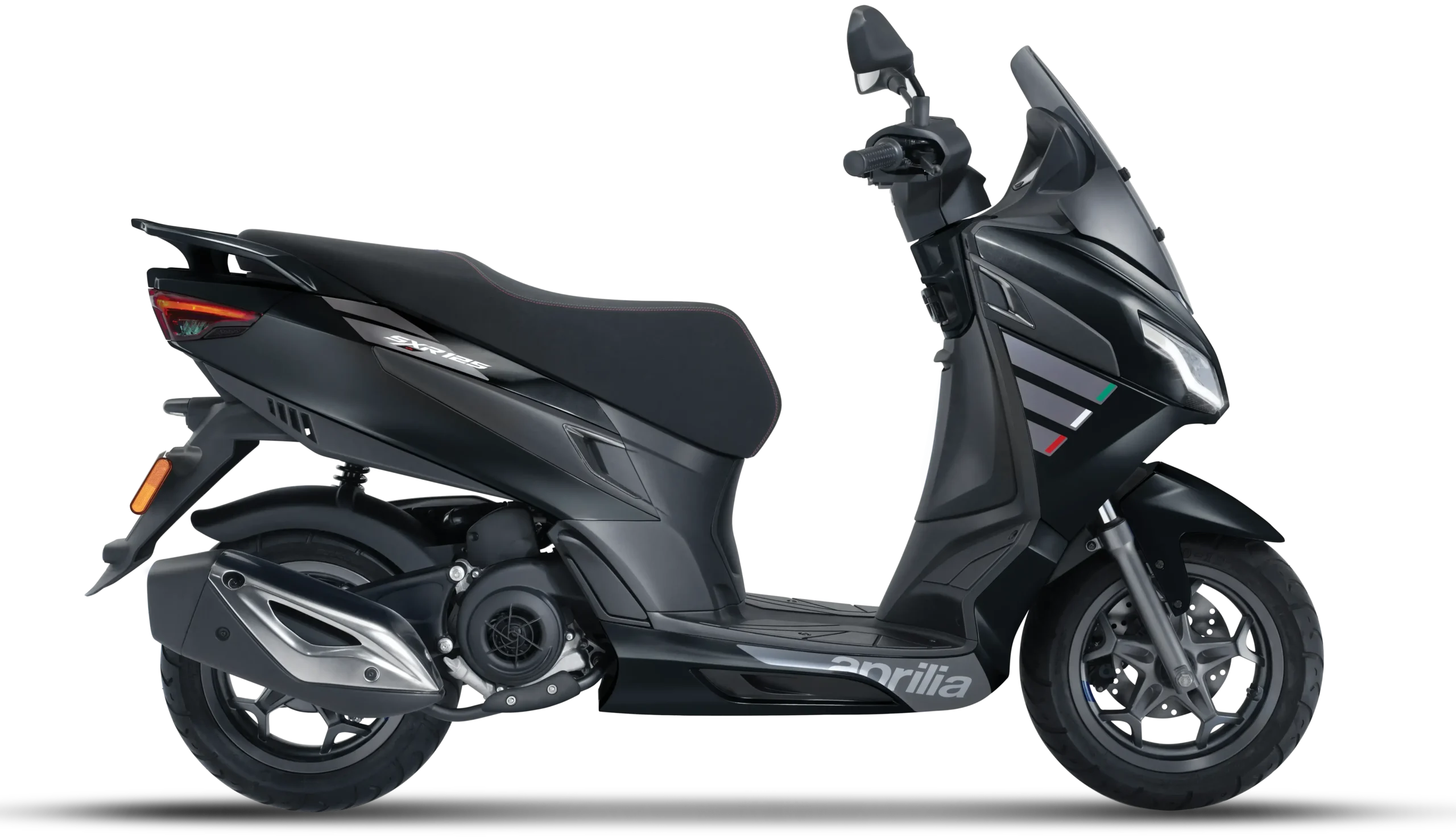
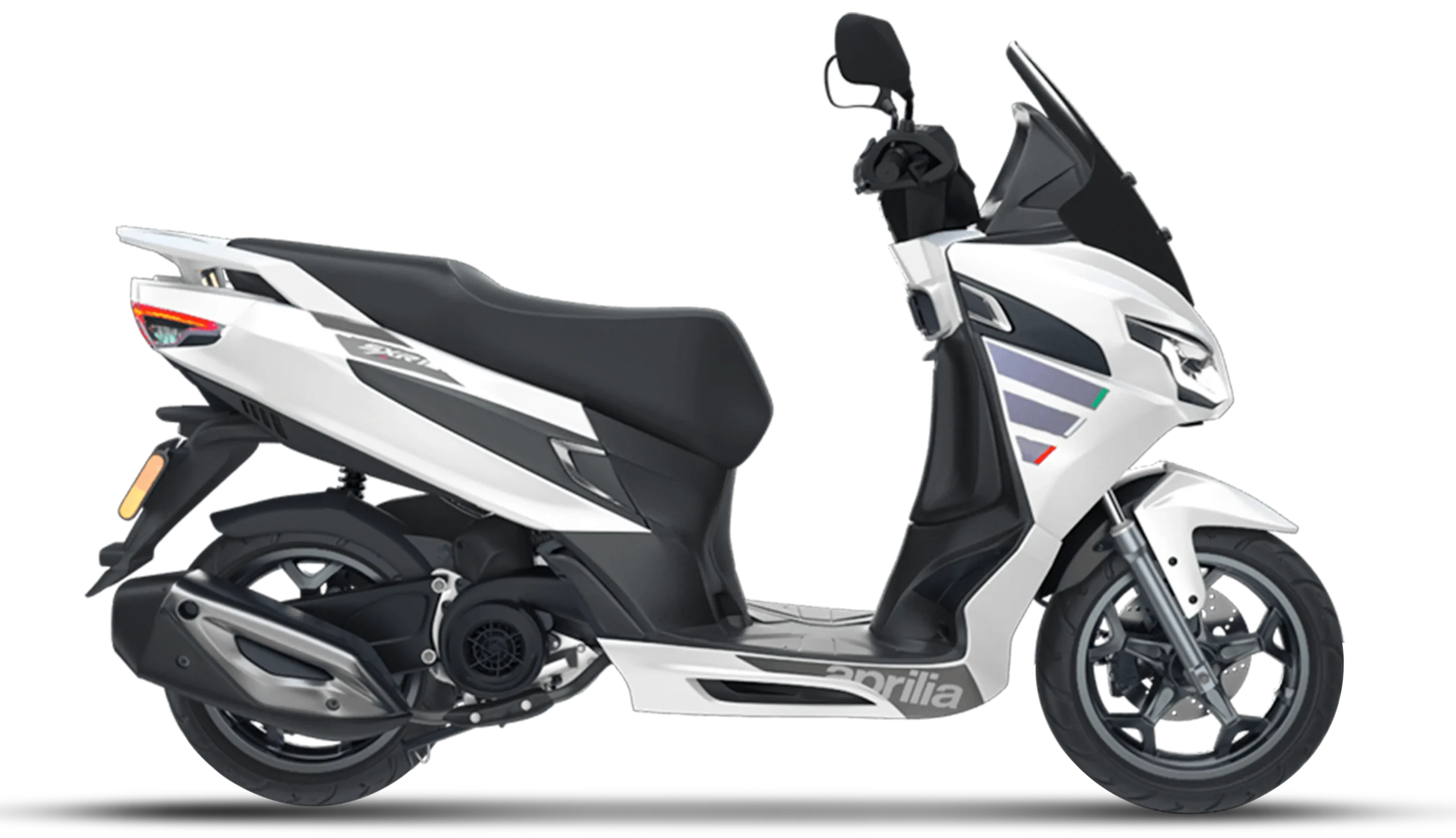
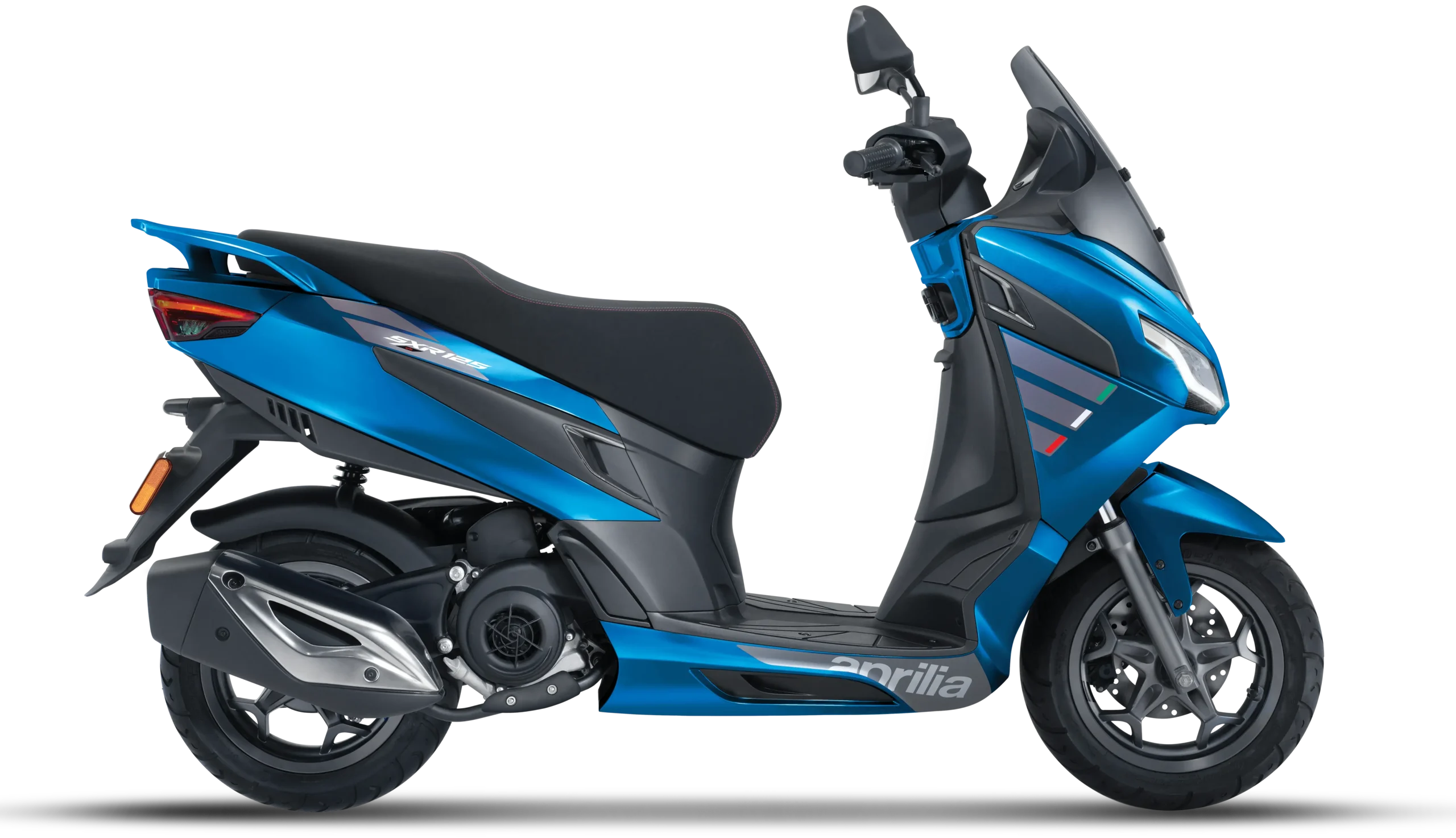
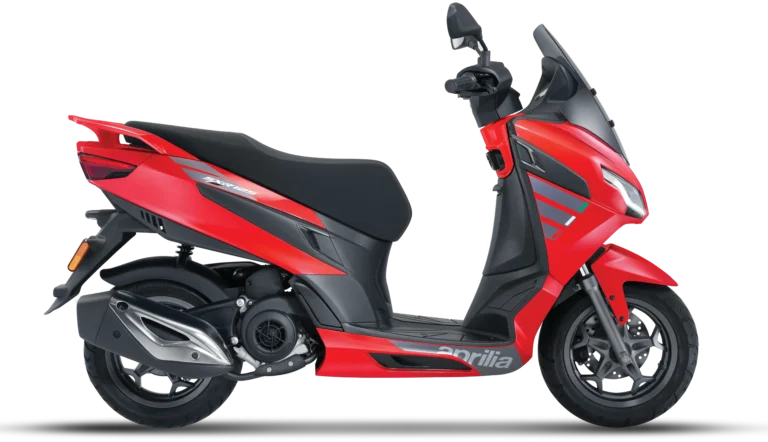
Aprilia SXR 125
16.0 pts
Unweighted: 10 advantages
EnginePerformanceDimensionsBrakesTyresFeaturesOther
| Specification | ||
|---|---|---|
Engine Specifications |
||
| Cooling System | — | Air‑cooled |
| Displacement | 334 cc | 125 cc (exactly 124.45 cc) |
| Engine Type | Single Cylinder, 4 Stroke, Liquid Cooled, DOHC | Single‑cylinder, 4‑stroke, SOHC, 3‑valve, air‑cooled. |
| Power | 29.17 PS | 9.61 PS @ 7500 rpm |
| Torque | 29.62 Nm | 10.19 Nm @ 5400 rpm |
Performance & Efficiency |
||
| Fuel Tank Capacity | 12 L | 7 l |
| Mileage | 30 kmpl | 40 kmpl |
Dimensions & Weight |
||
| Kerb Weight | 184 kg | 129 |
| Seat Height | 790 mm | 775 mm |
Brakes & Suspension |
||
| ABS | Dual Channel ABS | Yes |
| Front Brake | Disc With Floating Caliper 320 mm | 220 mm disc brake |
| Front Suspension | Telescopic Forks, Ø 41 mm | Hydraulic double‑telescopic fork |
| Rear Brake | Disc With Floating Caliper 240 mm | 140 mm drum brake |
| Rear Suspension | Twin Shock Absorber With 5-step Adjustable Pre-load | Hydraulic shock absorber |
Tyres & Wheels |
||
| Front Tyre | 100/90-18, 56H | 120/70‑12 |
| Rear Tyre | 140/70-17, 66H | 120/70‑12 |
| Tyre Type | Tube | Tubeless |
| Wheel Type | Spoke | Alloy |
Features & Technology |
||
| Headlight | — | LED |
Other Specifications |
||
| Battery | MF Battery | 12 V, 5 Ah |
| Bike Image 1 | https://motoautiv.com/wp-content/uploads/2025/11/42fjdeepblackmatteblackclad.webp | https://motoautiv.com/wp-content/uploads/2025/12/aprilia_sxr_125_inner_banner_black-scaled.webp |
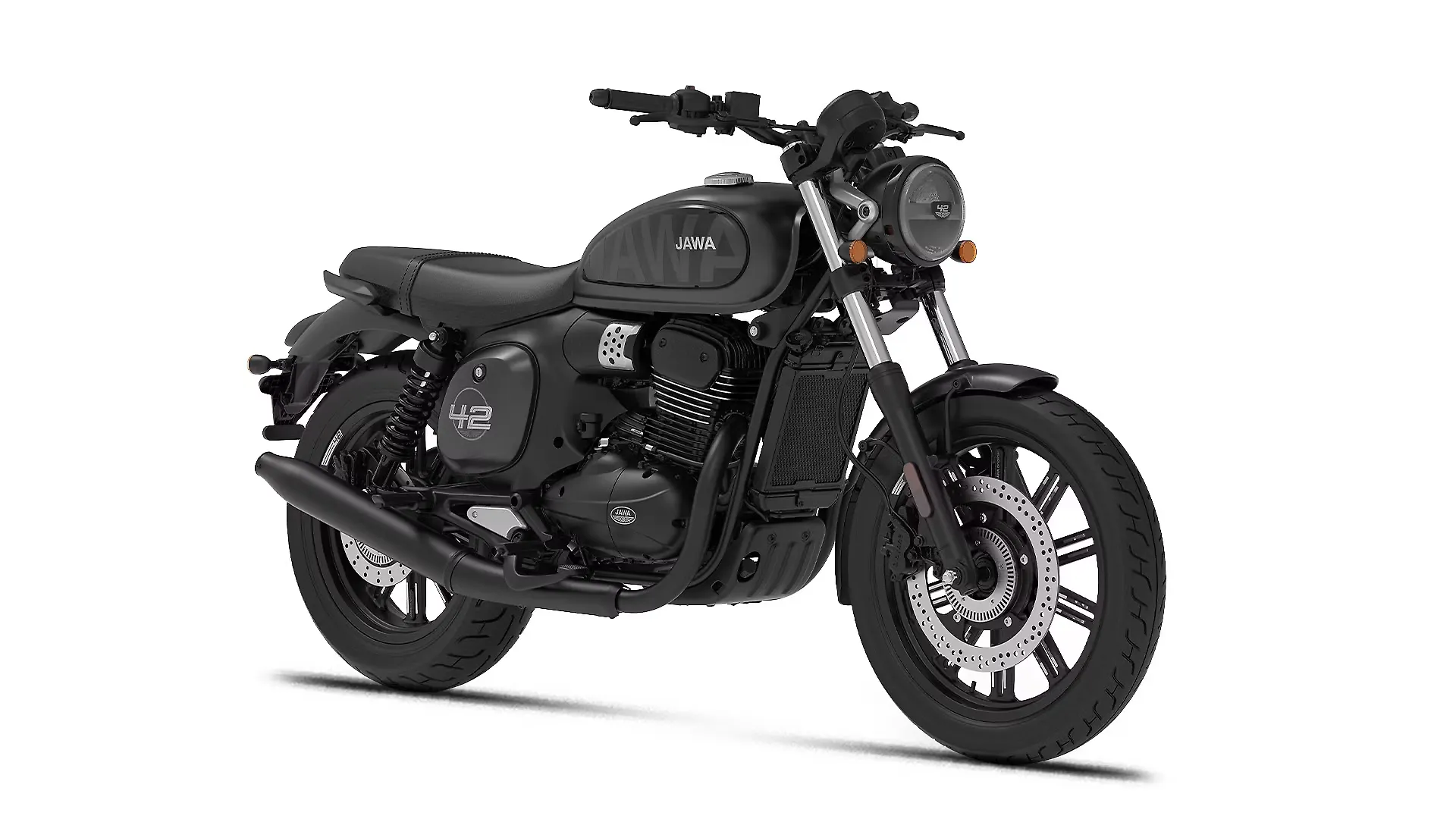
| Bike Image 2 | https://motoautiv.com/wp-content/uploads/2025/11/42fjmystiquecopper.webp | https://motoautiv.com/wp-content/uploads/2025/12/aprilia_sxr_125_inner_banner_white-scaled.webp |
| Bike Image 3 | https://motoautiv.com/wp-content/uploads/2025/11/42fjcosmobluematte.webp | https://motoautiv.com/wp-content/uploads/2025/12/aprilia_sxr_125_inner_banner_blue-scaled.webp |
| Cluster | — | Fully digital, LCD |
| Color Options | Mystique Copper Deep Black Matte Black Clad Aurora Green Matte Deep Black Matte Red Clad Cosmo Blue Matte | VIBRANT BLUE |#0479cc ESSENCE WHITE|#fafaf7 ENIGMA BLACK|#000000 POWER RED|#f2180c |
| Cons | Limited modern features – Lacks advanced electronics, ride modes, or connectivity options. Reliability concerns – Some owners report minor mechanical or electrical issues. After-sales and parts availability – Service centers may be limited in some areas, and spare parts can be hard to get. Comfort limitations for long rides – Pillion seat and luggage capacity are limited; not ideal for long-distance touring. Moderate fuel efficiency – Real-world mileage may be lower than expected in heavy traffic or aggressive riding. | The suspension can feel a bit firm, transmitting bumps from rough roads more noticeably. Fuel tank capacity and mileage are modest, which may limit long-distance rides without refueling. Service network and spare-part availability may be limited in smaller towns or rural areas. The price is higher than many other 125 cc scooters, which may not feel justified for all buyers. Ride comfort with a pillion or on uneven roads can feel less plush compared to softer-suspension scooters. |
| Detailed Overview | Riding the Jawa 42 FJ feels like you’re commanding a machine that strikes a rare balance — it’s rugged without being raw, modern without giving up its classic soul. Under its skin lives a 334 cc, single-cylinder, liquid-cooled DOHC engine that’s tuned to generate about 29.17 PS of power and 29.62 Nm of torque. That power figure isn’t about wild acceleration; it’s about usable, confident torque right in the midrange — the kind that lets you surge past slow-moving traffic or carry speed comfortably once you’re out on open roads. Because the engine is liquid-cooled, it resists overheating even in stop-go traffic or during longer rides, which is a big plus for both city commuters and weekend travellers. Paired with that engine is a 6-speed constant-mesh gearbox, which gives the 42 FJ a flexibility that many retro-inspired bikes lack. In the city, lower gears help you navigate tight turns and slow zones; crank into the higher gears on the highway, and the bike relaxes into a smooth, sustained rhythm — it doesn’t feel stressed or out of breath. The assist-and-slipper clutch makes downshifts lighter and safer, especially when you’re slowing down hard or tackling steep terrain. This kind of setup means you don’t have to wrestle with clutch levers constantly — the bike does a lot of the work for you. On the road, the frame’s double-cradle design gives the bike a stable backbone. The front suspension is handled by telescopic forks (41 mm), while the rear uses twin shock absorbers with 5-step preload adjustment. In real-world terms, that means potholes and rough patches don’t slam into your spine — there’s just enough give to absorb most imperfections without turning the ride into a mushy mess. Once the road smooths out, the brakes — dual disc with floating calipers and dual-channel ABS — give strong, predictable bite. You feel secure braking hard, even when you’re leaning into a turn or coming down from highway speed. The motorcycle’s dimensions also contribute to its confidence-in-motion: a wheelbase of 1,440 mm gives it stability, while a seat height of 790 mm makes it accessible for many riders without feeling too compact. Ground clearance sits at 178 mm, which helps when you’re navigating over uneven terrain or clearing speed breakers — something very relevant in real-world road conditions. At a kerb weight of around 184 kg, it’s not feather-light, but once moving, it feels planted rather than ponderous. In city traffic, the weight is manageable; on highways, it adds to the sense that the bike is confident and steady. Fueling comes from injection, and though the claimed tank capacity is 12 litres, the real-world balance likely leans toward practicality over long-range touring. For regular commuting and moderate weekend rides, that tank paired with the efficient engine should work well, though it may not give you motorway-range without a stop. Riders who expect to do long-haul touring might need to plan fuel stops more carefully. The wheels are wrapped in road-friendly tyres (100/90-18 up front, 140/70-17 at the rear), which, along with the disc-brake setup, reinforce good grip and handling. The brakes feel responsive — not grabby, but confident. That’s exactly what you want when your speed is building or when traffic messes up your smooth ride. Electronics on the 42 FJ are minimal but practical: there’s a fully digital instrument cluster that shows speed, gear position, fuel, and trip details — all clearly visible so you don’t have to squint or guess. No flashy connectivity gimmicks, but the essentials are covered well. The exhaust comes in a twin layout, which gives the FJ a good exhaust note — neither too loud to be annoying in residential areas, nor too soft to sound uninspiring. In terms of design, the 42 FJ stands out. The brushed aluminium cladding on the tank gives it a distinctive, premium look. It’s not just retro for retro’s sake — the styling feels purposeful, with a bold, modern twist. Colours range from deep matte shades to dual-tone finishes, giving riders a variety of looks to express themselves. Price-wise, the ex-showroom figure starts at around ₹1.93 lakhs and can go to about ₹2.2 lakhs depending on variant and location. Riding one means committing to a machine that’s not just about show: you’re getting a bike with real substance — capable of daily commuting, capable of enjoyable weekend rides, and capable of delivering a retro-modern experience without too many compromises. Overall, the Jawa 42 FJ feels like a well-rounded partner on two wheels. It doesn’t demand constant attention or aggressive riding, but it rewards smooth, thoughtful throttle control and confident road use. For someone looking for a neo-classic bike that’s equally at home in city traffic and on open highways, it’s a choice that marries character with practicality. | Riding the SXR 125 feels like getting the practicality of a scooter with a bit of Italian flair and some thoughtful engineering under the sheet metal. Its heart is a 124.45 cc, single‑cylinder, 4‑stroke, SOHC engine — simple, air‑cooled and fuel‑injected — which gives a modest but reliable amount of power. On paper it makes around 9.6 PS at about 7,500 rpm and about 10.2 Nm of torque at around 5,400 rpm. In everyday traffic and city commutes, that translates into smooth, manageable acceleration: not a rocket, but enough to merge confidently into traffic, overtake slower vehicles, or cruise through busy streets without feeling underpowered. The automatic CVT transmission with belt drive and dry centrifugal clutch adds to that convenience — you don’t worry about shifting gears, you just twist the throttle and the scooter takes care of the rest, which makes daily stop‑and‑go riding effortless. What stands out is how the scooter balances its compact design with comfort and practicality. The frame is a tubular single‑cradle chassis, with a hydraulic double‑telescopic fork up front and a hydraulic shock absorber at the rear. Coupled with 12‑inch alloy wheels wrapped in 120/70‑12 tubeless tyres front and rear, the suspension‑tyre set‑up gives the SXR 125 a stable and planted feel for a 125 cc scooter. On good roads it rides with composure — not floaty, but controlled and predictable. On rough patches, broken tarmac or potholes, the ride can feel a bit firm, but that firmness also helps the scooter stay stable under load or when cornering. It’s a practical compromise between comfort and handling. When it comes to braking and safety, Aprilia opted for a 220 mm front disc brake and a 140 mm rear drum brake, linked by a Combi Braking System (CBS). That front disc gives reassuring bite, and the CBS helps distribute braking force to ensure stability when you need to stop quickly — useful in chaotic city traffic or when a pedestrian or vehicle suddenly crosses your path. While it doesn’t offer dual‑disc or ABS, the braking setup is decent for the scooter’s performance envelope and gives enough confidence for everyday use. Dimensionally, the SXR 125 strikes a balance between being compact enough for narrow lanes and roomy enough for comfortable rides. The length is about 1,963 mm, width about 803 mm and height about 1,205 mm, with a wheelbase of 1,361 mm. Seat height sits around 775–780 mm, which tends to be manageable for most riders, making it easy to flat‑foot at signals or in traffic. The kerb weight is roughly 128–129 kg — light enough for easy manoeuvring in tight traffic or parking spots, but with enough heft to feel stable at moderate speeds or when carrying a pillion. Fuel tank capacity is 7 litres (with a small reserve), which might sound small, but given the scooter’s modest engine and claimed fuel efficiency of about 40 km/l (actual mileage depends on riding style and traffic), a full tank still gives you a decent city‑range before needing a refill — handy for daily commuting or short errands. Aprilia has entrusted the SXR 125 with a set of practical yet modern features that make ownership smoother. The instrument console is fully digital, showing speed, fuel level, trip‑meter/odometer, and low‑fuel warning. There’s a USB charging port for devices — thoughtful if you rely on your phone for navigation or music — and other useful touches like a passenger footrest, grab‑rail and under‑seat storage that can fit daily‑use items. Lighting is all LED (headlight, tail / indicators), improving visibility during night rides and giving the scooter a more premium appearance. Starting is via both electric self‑start and kick‑start, which adds flexibility and reliability, especially in city conditions or if the battery is low. In real riding conditions, the SXR 125 feels like a practical, everyday machine that doesn’t ask for much from the rider. It’s easy to live with — easy to ride, easy to park, and easy to maintain. For a rider doing daily commuting, office runs, college rides or city errands, it covers the essentials: smooth engine, manageable power, stable handling, reliable brakes, decent fuel economy, and comfort. What you lose in high-speed grunt or heavy-duty touring capability, you gain in convenience, simplicity, and urban friendliness. If you’re someone riding through congested roads, tight parking spots, mixed-quality streets — perhaps overlapping with the kind of roads and traffic you’d find in many Indian cities — the SXR 125 feels well-suited. It doesn’t pretend to be a sports bike, but it offers a balanced package: easy to ride, practical to use, and dependable enough for daily use, with a bit of European styling and feature-level polish to make it stand out in the scooter crowd. |
| Expert Review | MotoAutiv Team | Aprilia SXR 125 has striking maxi-scooter styling and excellent high-speed stability, but is frequently criticized for its stiff suspension, sluggish initial acceleration, and high price compared to feature-rich rivals., 3.5, MotoAutiv Team |
| FAQ (Manual Override) | Q: What is the Jawa 42 FJ? A: It is a modern-styled version of the Jawa 42 with a brushed-metal tank, sporty detailing, and a more premium, neo-retro look. Q: What engine does the Jawa 42 FJ use? A: It uses a 334cc, liquid-cooled, single-cylinder DOHC engine. Q: How much power and torque does it produce? A: It delivers around 29.17 PS of power and 29.62 Nm of torque. Q: What is the mileage of the Jawa 42 FJ? A: Real-world mileage is around 28–32 kmpl depending on riding style. Q: Does the Jawa 42 FJ have a 6-speed gearbox? A: Yes, it comes with a 6-speed constant-mesh gearbox and a slipper clutch. Q: Does the Jawa 42 FJ come with ABS? A: Yes, it features dual-channel ABS for safer braking. Q: What is the seat height of the Jawa 42 FJ? A: The seat height is approximately 790 mm, making it comfortable for most riders. Q: What is the kerb weight of the bike? A: The Jawa 42 FJ weighs around 184 kg. Q: What is the fuel tank capacity? A: It has a 12-litre fuel tank. Q: Is the Jawa 42 FJ good for daily commuting? A: Yes, its smooth engine and comfortable ergonomics make it great for daily use. Q: Is the Jawa 42 FJ suitable for long rides? A: Yes, the stable frame, 6-speed gearbox, and comfortable seating make it capable of touring. Q: What type of brakes does it use? A: It comes with front and rear disc brakes paired with dual-channel ABS. Q: What are the tyre sizes of the Jawa 42 FJ? A: 100/90-18 at the front and 140/70-17 at the rear. Q: What makes the FJ edition different from the regular Jawa 42? A: The FJ gets a brushed-aluminium tank finish, sportier styling, and a more modern premium look. Q: What is the approximate price of the Jawa 42 FJ? A: The ex-showroom price starts around ₹1.93 lakh and varies by location. | Q: What is the engine type? A: The engine is a single-cylinder, 4-stroke, SOHC, 3-valve, air-cooled unit. Q: What is the engine displacement? A: The displacement is 124.45 cc. Q: What is the power output? A: The power output is approximately 9.61 PS at 7,500 rpm. Q: What is the torque? A: The torque is about 10.19 Nm at 5,400 rpm. Q: What is the mileage? A: The mileage is around 40 km/l, depending on riding style and conditions. Q: What type of cooling system does it have? A: It has an air-cooled system. Q: What type of transmission does it use? A: The scooter comes with an automatic CVT. Q: What type of fuel system does it have? A: It uses electronic fuel injection with petrol. Q: What are the front and rear brakes? A: The front brake is a 220 mm disc, and the rear brake is a 140 mm drum. Q: Does it have ABS? A: It has a Combined Braking System (CBS), not ABS. Q: What is the front suspension? A: The front suspension is a hydraulic double-telescopic fork. Q: What is the rear suspension? A: The rear suspension is a hydraulic shock absorber. Q: What are the tyre sizes? A: Both front and rear tyres are 120/70-12, tubeless. Q: What type of wheels does it have? A: The scooter has 12-inch alloy wheels. Q: What is the kerb weight? A: The kerb weight is approximately 129 kg. Q: What is the seat height? A: The seat height is 775 mm. Q: What is the fuel tank capacity? A: The fuel tank capacity is 7 litres. Q: What type of headlight does it have? A: The scooter comes with an LED headlight, and the tail/indicator lights are also LED. Q: What type of starter does it have? A: It has both electric and kick start. Q: What type of instrument cluster does it have? A: It has a fully digital instrument panel displaying speed, fuel level, trip meter/odometer, and low-fuel warning. Q: Is the Aprilia SXR 125 suitable for city commuting? A: Yes, its compact size, automatic transmission, and manageable power make it ideal for urban traffic. Q: Does it have under-seat storage? A: Yes, there is under-seat storage for small items or a helmet. Q: Are there any charging options for devices? A: Some variants come with a USB charging port for phones or devices. |
| Fuel System | Electronic Fuel Injection | Petrol + Electronic fuel injection |
| Price Variants | | 193000 | | 122642 |
| Pros | Retro-modern styling – Classic look with modern touches makes it stand out. Decent engine performance – The 294 cc engine with 6-speed gearbox provides good acceleration and city/highway usability. Comfortable ergonomics – Low seat height and upright riding stance make it accessible for most riders. Blend of old-school charm + modern basics – Features like disc brakes, ABS, and alloy/spoke wheel options balance nostalgia with practicality. Fun to ride – Lightweight and responsive, ideal for weekend rides or casual city commuting. | The SXR 125 has a bold, muscular design that stands out on the road and gives it a premium look. Its engine and CVT setup deliver smooth, reliable performance for city commuting, handling stop-and-go traffic with ease. The handling feels stable and composed, with a chassis and tyre setup that keeps the scooter planted even at moderate speeds. Front disc and CBS rear braking provide confidence-inspiring stopping power in urban traffic conditions. Comfortable riding posture with a seat height that suits most riders, making it easier to ride for longer periods. The build quality and finish feel more premium than typical scooters, giving a sense of durability. |
| Starter | — | Kick + Electric |
| Transmission | 6–Speed | Automatic |