Quick Analysis
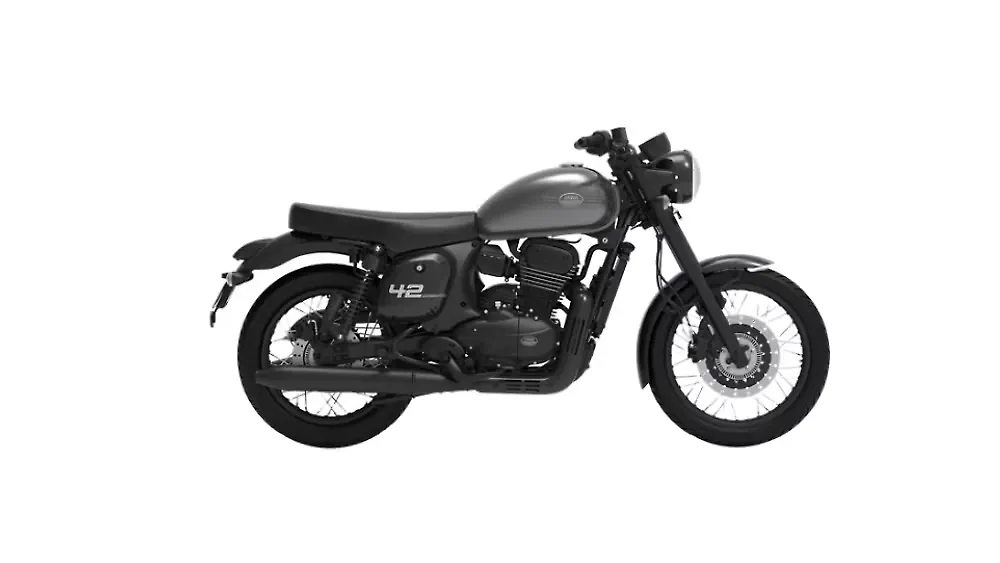
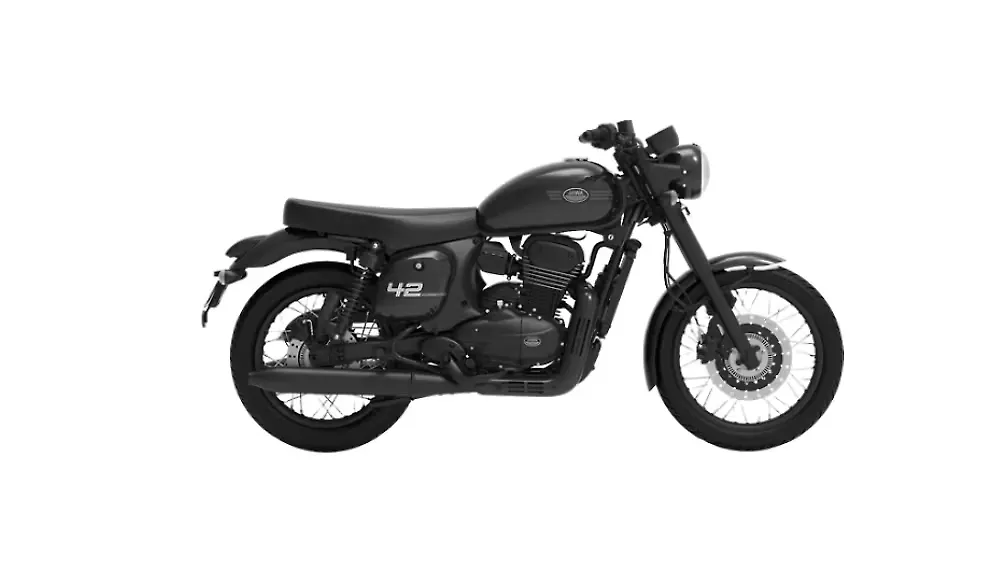
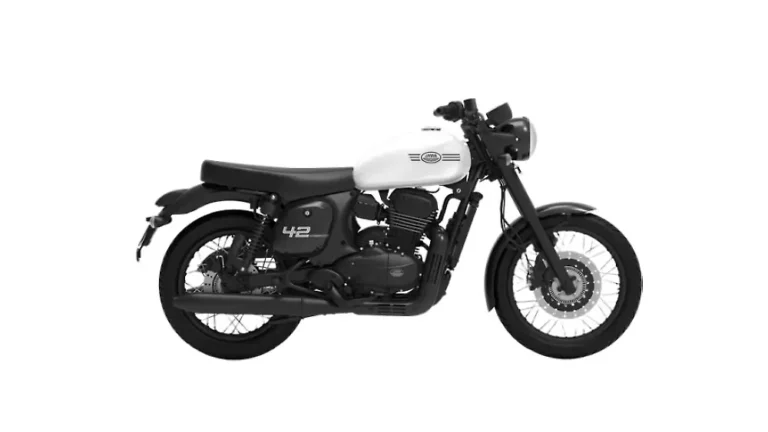
JAWA 42
35.0 pts
Unweighted: 24 advantages
EnginePerformanceDimensionsBrakesTyresFeaturesOther
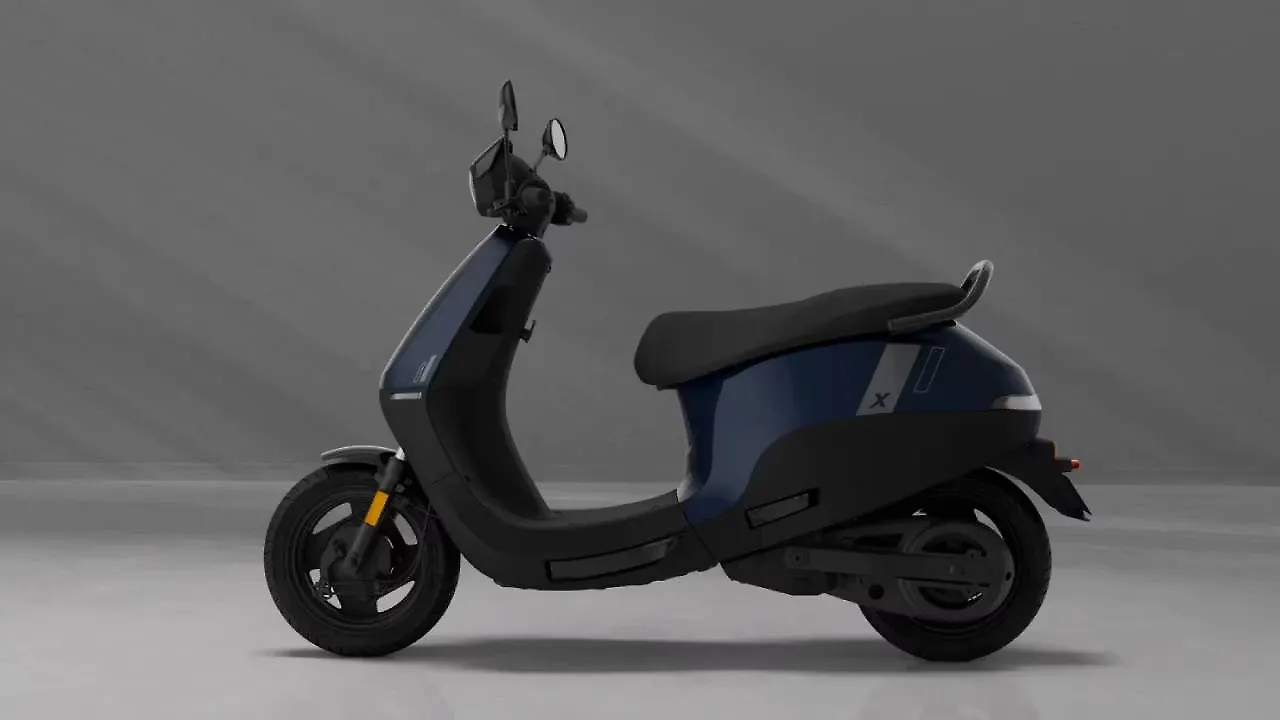
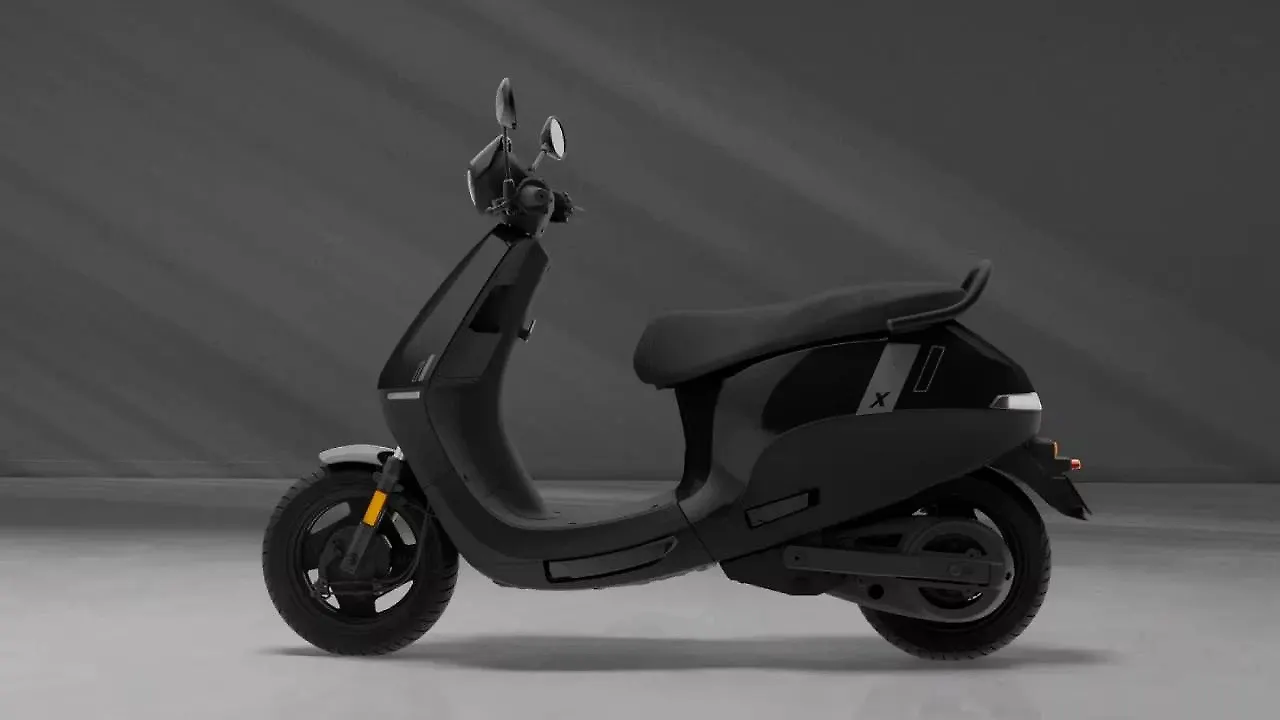
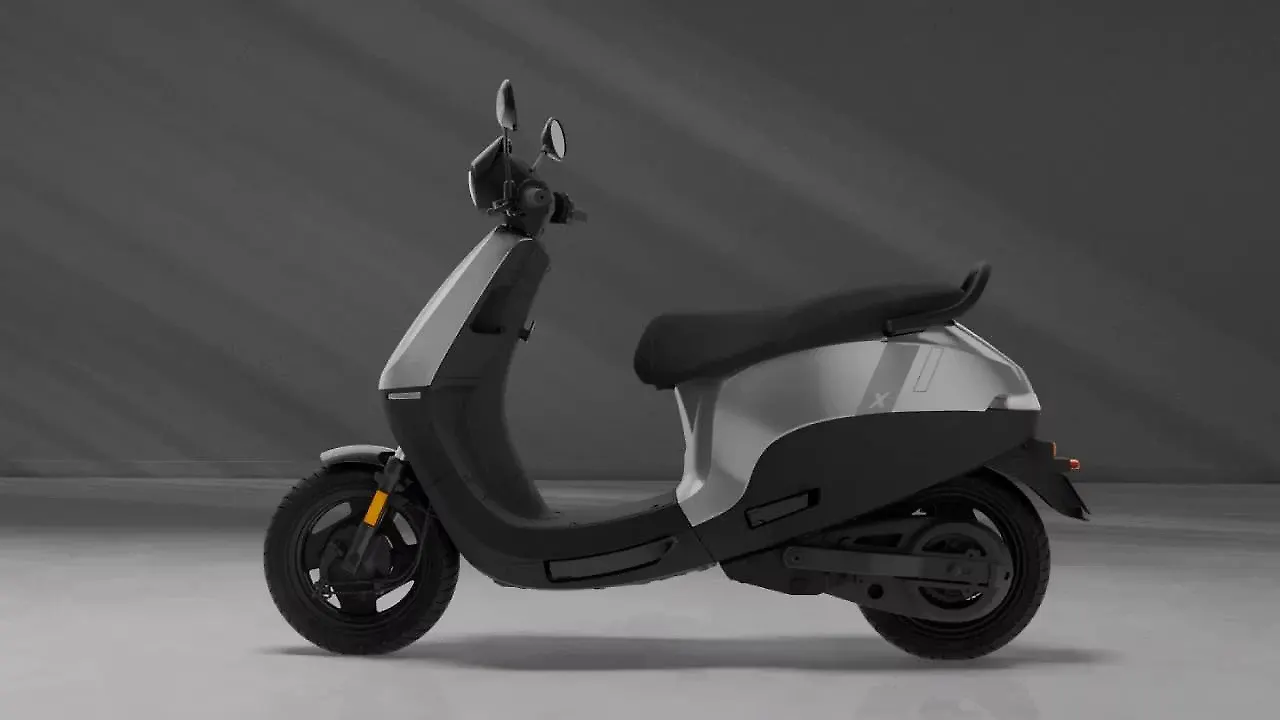
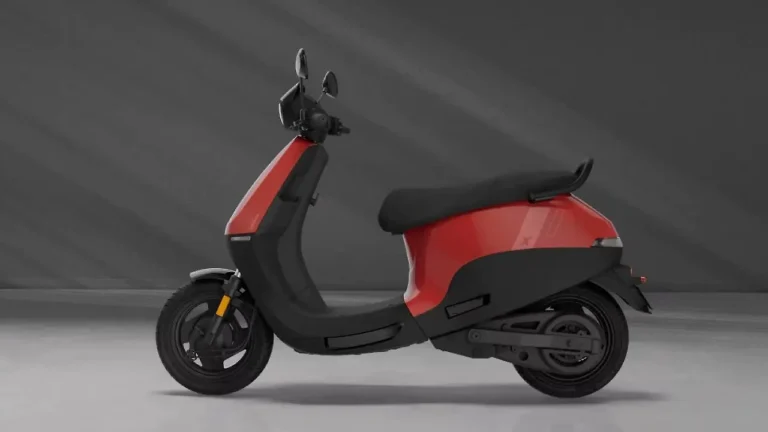
Ola S1 X
13.5 pts
Unweighted: 23 advantages
EnginePerformanceDimensionsBrakesTyresFeaturesOther
| Specification | ||
|---|---|---|
Engine Specifications |
||
| Cooling System | Liquid Cooled | — |
| Displacement | 294.7 cc | — |
| Engine Type | Single Cylinder, 4 Stroke, Liquid Cooled, DOHC | — |
| Power | 27.3 PS | 7 kW |
| Torque | 26.8 Nm | 5.5 kW |
Performance & Efficiency |
||
| Fuel Tank Capacity | 13.2 L | — |
| Mileage | 33 kmpl | — |
Dimensions & Weight |
||
| Kerb Weight | 184 | 105 |
| Seat Height | 788 | 791 |
Brakes & Suspension |
||
| ABS | Dual Channel ABS | — |
| Front Brake | Disc Front 280 mm, Caliper - Front 2 Piston | Drum |
| Front Suspension | Telescopic Forks, Ø 35 mm | Twin telescopic |
| Rear Brake | Disc Front 240 mm, Caliper - Rear 1Piston | Drum |
| Rear Suspension | Twin Shock Absorber, Gas Filled with Adjustable Preload | Dual shock |
Tyres & Wheels |
||
| Front Tyre | Alloy/Spokes wheel - 90/90-18, 51P | 90/90 - R12 |
| Rear Tyre | Alloy/Spokes Wheel - 120/80-17, 61P | 90/90 - R12 |
| Tyre Type | Tubeless | Tubeless |
| Wheel Type | Alloy/Spokes | Steel |
Features & Technology |
||
| Headlight | LED | LED |
Other Specifications |
||
| 0–40 km/h (s) | — | 3.5 |
| Anti-Theft / IoT Tracking | — | Yes |
| App Connectivity | — | Yes |
| Battery | MF Battery | 2,3,4(Depends on Variant) |
| Battery Chemistry | — | Li-ion |
| Battery Warranty (Years) | — | 3 |
| Bike Image 1 | https://motoautiv.com/wp-content/uploads/2025/11/42voyagerred.webp | https://motoautiv.com/wp-content/uploads/2025/12/s1xmidnightblue-1.webp |
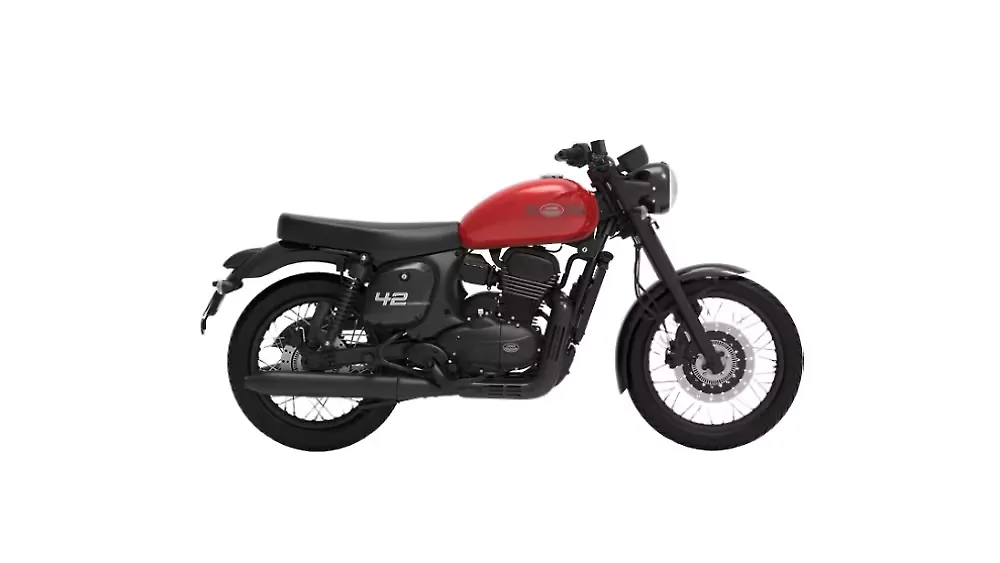
| Bike Image 10 | https://motoautiv.com/wp-content/uploads/2025/11/42cosmicrockdt.webp | — |
| Bike Image 2 | https://motoautiv.com/wp-content/uploads/2025/11/42asteroidgrey.webp | https://motoautiv.com/wp-content/uploads/2025/12/s1xjetblack-1.webp |
| Bike Image 3 | https://motoautiv.com/wp-content/uploads/2025/11/42odysseyblack.webp | https://motoautiv.com/wp-content/uploads/2025/12/s1xindustrialsilver-1.webp |
| Bike Image 4 | https://motoautiv.com/wp-content/uploads/2025/11/42nebulablue.webp | https://motoautiv.com/wp-content/uploads/2025/12/s1xporcelainwhite-1.webp |
| Bike Image 5 | https://motoautiv.com/wp-content/uploads/2025/11/42celestialcoppermatte.webp | — |
| Bike Image 6 | https://motoautiv.com/wp-content/uploads/2025/11/42allstarblackmatte.webp | — |
| Bike Image 7 | https://motoautiv.com/wp-content/uploads/2025/11/42celestialcoppermattedt.webp | — |
| Bike Image 8 | https://motoautiv.com/wp-content/uploads/2025/11/42starshipbluedt.webp | — |
| Bike Image 9 | https://motoautiv.com/wp-content/uploads/2025/11/42infinityblackmattedt.webp | — |
| Built-in GPS Navigation | — | Yes |
| Charger Output Power (kW) | — | 0.7 |
| Charging Port Type | — | Proprietary |
| Charging Time (Fast) | — | 4.5 h |
| Charging Time (Standard) | — | 5 h |
| Color Options | Vega White | #F5F5F5 Voyager Red | #8B1E2D Asteroid Grey | #6B6F76 Odyssey Black | #0F0F10 Nebula Blue | #1F3A5F Celestial Copper Matte | #A65E2E Orion Red Matte | #6E1A1F Sirius White Matte | #EDEDED All Star Black Matte | #1C1C1C Cosmic Rock Dual Tone | #5A4A3F Celestial Copper Matte Dual Tone | #B87333 Starship Blue Dual Tone | #2E4A7D Infinity Black Matte Dual Tone | #2B2B2B Cosmic Carbon Dual Tone | #3A3A3A Ivory | #F8F1D4 | Porcelain White | #F5F5F2 Jet Black | #0F0F10 Midnight Blue | #191970 Passion Red | #C1121F Silver | #C0C0C0 |
| Connectivity Features | — | Bluetooth, navigation assist, app alerts |
| Cons | It’s not a performance-focused bike: top-end acceleration and high-speed punch are modest compared to sportier or more powerful motorcycles. If you crave quick bursts or aggressive overtakes, the 42 might feel a bit reserved. At around 180+ kg kerb-weight, it’s not the lightest manoeuvring at very low speeds or parking sometimes feels a bit heavyish for inexperienced riders. While suspension is comfortable and balanced, it doesn’t offer sporty handling or sharp cornering agility. On twisty roads or aggressive riding, the bike doesn’t inspire a sport-bike vibe. For fully-loaded touring (pillions, luggage, rough terrain), the comfort and power are only average: it’s more of a commuter-plus or mild-tourer than a long-distance tourer. Because it aims for balance, it doesn’t shine in any single category. It may leave riders who want either pure vintage simplicity or modern performance wanting more. Tubeless/Alloy wheel + disc-brake setup is good, but tyre size and ground clearance (typical of this class) might limit comfort on severely broken or off-road conditions. Maintenance and running costs, while reasonable for a 300 cc class bike, will still be higher than basic commuter bikes fuel, maintenance, and insurance will be more than a small-capacity commuter. | Real-world range may drop: with heavy use, frequent stops, or aggressive riding, you’re likely to get less than the ideal range. Charging can be inconvenient: if you don’t have easy access to a charger, or if charging infrastructure is limited, that can be a hassle. Service and support may be patchy in small towns or remote areas: maintenance and after-sales can be a challenge outside major cities. Battery health and long-term maintenance remain a concern: over time, battery degradation or wear-and-tear may impact performance and value. Not a “premium-class” ride: if you expect luxury comfort, big storage, or high-end build quality, the S1X Gen 3 remains a practical commuter scooter with limitations on ruggedness and features. |
| Detailed Overview | The Jawa 42 is built around a 294cc, single-cylinder, liquid-cooled engine that produces around 27 bhp and 27 Nm of torque. It uses a 6-speed gearbox, and the power delivery feels focused more on low and mid-range speeds rather than high-speed riding. The engine is paired with a fuel injection system, which helps in smoother throttle response during regular use. The bike also comes with a double cradle frame, which forms the base of its structure and supports its overall balance on the road. In terms of dimensions, the bike has a seat height of around 788 mm, which makes it accessible for a wide range of riders. The kerb weight is close to 182 kg, depending on the variant, and the fuel tank capacity stands at 13.2 litres. These numbers place it in line with other motorcycles in the same category. The riding position is set up with a slightly forward-leaning handlebar and mid-set foot pegs, which creates a neutral stance for both city rides and occasional longer trips. The suspension setup includes telescopic forks at the front and twin shock absorbers at the rear. This setup is quite common in this segment and is tuned to handle everyday road conditions. The bike rides on either spoke wheels with tube tyres or alloy wheels with tubeless tyres, depending on the variant chosen. Wheel size remains consistent, with a 18-inch front and 17-inch rear combination, which affects the way the bike handles uneven roads and corners. Braking duties are handled by disc brakes on both ends. The front gets a 280 mm disc, while the rear has a 240 mm disc. The bike is available in both single-channel and dual-channel ABS options, again depending on the variant. This gives buyers a choice based on their budget and requirement. The braking setup is designed to offer controlled stopping without being overly sharp or aggressive. On the feature side, the Jawa 42 keeps things simple. It uses a single-pod instrument cluster that shows basic information like speed, fuel level and other essential indicators. Lighting is mostly halogen-based, though some variants may include LED elements for the tail lamp. The overall feature list is not very extensive, and the focus remains on core riding functions rather than added technology. The bike is available in multiple colour options, including both single-tone and dual-tone finishes. Some colours are limited to higher variants that come with alloy wheels and dual-channel ABS, while simpler colours are offered with spoke wheels and single-channel ABS. This variation in colours and variants also affects the overall pricing and positioning of the bike within its segment. | The Ola S1 X is an electric scooter designed for everyday city use, with multiple battery options to suit different riding needs. It is available with 2 kWh, 3 kWh, and 4 kWh battery packs, all using lithium-ion chemistry. These variants offer different levels of range and performance, with the larger battery versions providing higher top speed and longer riding distance. The scooter uses a mid-drive electric motor that delivers around 7 kW of peak power, which is enough for quick acceleration in city traffic. The top speed varies by variant, ranging from around 100 km/h to over 120 km/h, while the 0–40 km/h acceleration generally falls in the range of 3 to 4 seconds. The battery is fixed and cannot be removed, so charging is done using a home charger or available charging network. A full charge typically takes around 5 to 7 hours depending on the battery size, while faster charging options may reduce the time for partial charging. The claimed range varies between approximately 108 km and 242 km under standard testing conditions, although real-world range is usually lower and depends on riding style, traffic, road conditions, and selected riding mode. In terms of design, the Ola S1 X follows a simple and functional scooter layout with a flat floorboard and a single-piece seat. The riding position is upright, making it easy to handle in daily commuting situations. The overall weight is balanced to keep the scooter manageable at low speeds and while parking. The suspension setup includes telescopic front forks and a rear monoshock, which are designed to handle regular city roads. While the setup aims to provide basic comfort, uneven surfaces and potholes can still be noticeable, especially at higher speeds. The braking system includes disc brakes at both ends, supported by a combined braking system to improve control during sudden stops. The scooter runs on standard-sized wheels suited for urban riding conditions. It also provides under-seat storage space that can accommodate a helmet and small everyday items, making it practical for daily use. The Ola S1 X comes with a digital display that shows essential information such as speed, battery level, and range. Some variants also support smartphone connectivity features, including app integration, ride data, and alerts. Over-the-air updates are available, which allow the scooter’s software to be updated remotely. Additional features such as reverse mode and different riding modes like Eco, Normal, and Sport help adjust the riding experience based on usage. Overall, the scooter is designed to handle daily commuting needs, where factors like charging availability, traffic conditions, and road quality play an important role in how it performs in real-world use in India. |
| Drive Modes | — | Eco, Normal, Sport |
| Expert Review | The Jawa 42 carries a design that draws from older Jawa motorcycles, but the finish and small details give it a slightly updated feel without changing the overall character. The riding position is upright and comfortable for daily use, with an easy seat height, though the seat can feel firm after longer rides. Its 294cc liquid-cooled engine responds quickly at low speeds, making city riding smooth, but it starts to feel a bit stressed when pushed harder on open roads. The gearbox works well most of the time, although mild vibrations can be noticed at higher revs. Handling is simple and predictable, with stable straight-line behaviour, while the suspension feels slightly stiff over rough patches. Braking setup varies across variants, and while it does the job, the feel at the lever is something riders may take time to get used to., 3.8, MotoAutiv Team | The Ola S1 X is positioned as an entry-level electric scooter in India, aimed at daily city commuting with a focus on affordability and range options. It is available with multiple battery variants, which allows users to choose based on their usage needs, but performance and top speed vary accordingly. The riding position is upright and easy to handle, making it suitable for regular traffic conditions. Suspension is tuned for basic comfort, though rough roads and potholes can still be noticeable. Features are simpler compared to higher models, with some functions depending on software updates. Charging convenience and service support remain important factors for overall usability in India., 4.3, MotoAutiv Team |
| FAQ (Manual Override) | Q1. Is the Jawa 42 good for daily commuting? Yes, the Jawa 42 works very well as a daily ride. Its engine is smooth in the low and mid-range, the riding posture is comfortable, and the bike feels easy to handle in traffic once it’s moving. The 6-speed gearbox also helps during mixed city and highway use. Q2. What is the real-world mileage of the Jawa 42? In normal riding conditions, most owners get somewhere around 30–35 km/l. Mileage can vary based on traffic, riding style, and how often you ride in lower gears. Q3. Can the Jawa 42 handle long highway rides? Absolutely. The bike maintains a relaxed rhythm at cruising speeds, and the liquid-cooled engine stays stable on longer stretches. The seat and riding triangle are designed to reduce fatigue, making weekend trips and short tours comfortable. Q4. Is the engine reliable for long-term use? The 294.7 cc, liquid-cooled, DOHC engine is built to be durable and refined. With regular maintenance and quality engine oil, the bike holds up well over the years and remains smooth even with daily use. Q5. How is the suspension comfort on bad roads? The suspension tuning leans toward comfort. The front forks and adjustable rear shocks absorb bumps reasonably well, making the bike suitable for broken city roads and uneven surfaces. Q6. Does the Jawa 42 vibrate at high speeds? The bike handles vibrations better than many retro-styled motorcycles. Mild buzz may appear at very high speeds, but cruising at moderate highway speeds remains smooth and manageable. Q7. Is the seat height suitable for shorter riders? Yes, the seat height is around 788 mm, which most riders can comfortably manage. Even shorter riders usually find it easy to place their feet on the ground. Q8. How are the brakes on the Jawa 42? With disc brakes at both ends and ABS, braking performance is confident and predictable. It offers good stopping power and remains stable even during sudden braking. Q9. Is the Jawa 42 heavy to manage? The weight feels slightly noticeable when pushing it while parked, but once moving, the bike becomes easy to maneuver. Its balance and geometry help it feel lighter than it actually is. Q10. What is the service cost like? Service costs are generally moderate for a 300 cc bike. Routine maintenance, oil changes, and consumables stay within a reasonable range, though prices can vary slightly between dealerships. Q11. Is the Jawa 42 suitable for beginners? Yes, it can be a good choice for new riders. The power delivery is smooth, the handling is friendly, and it doesn’t intimidate you with sudden acceleration. It’s a comfortable, approachable motorcycle for learning and improving skills. Q12. Does the Jawa 42 have tubeless tyres? Yes, the alloy wheel variants come with tubeless tyres, which is a major advantage for daily riders as they make puncture handling much easier. Q13. What is the fuel tank capacity? The bike carries a 13.2-litre tank, giving a comfortable riding range for both city commutes and weekend rides. Q14. What makes the Jawa 42 different from other retro bikes? It stands out for blending classic looks with a smoother, more modern engine feel. The liquid-cooled DOHC engine, 6-speed gearbox, and better high-speed refinement give it a more contemporary riding character while still keeping the vintage charm. | Q: What is the range of the Ola S1X Gen 3? A: The range varies by variant, the 4 kWh version can deliver up to around 190–200 km in real-world conditions. Q: What is the top speed of the Ola S1X Gen 3? A: The top speed goes up to about 125 km/h on the higher variant. Q: What is the battery capacity of Ola S1X? A: It is available in 2 kWh, 3 kWh, and 4 kWh battery options. Q: How long does the Ola S1X Gen 3 take to charge? A: A full charge typically takes around 6.5 hours for the larger battery. Q: Does tOla S1 X have fast charging? A: It supports fast charging at Ola Hyperchargers. Q: What is the acceleration of Ola S1 X? A: The scooter can go from 0–40 km/h in roughly 3 seconds on the higher-powered version. Q: What is the wheel size of the Ola S1X Gen 3? A: It comes with 12-inch wheels at both ends. Q: What display does it use? A: It features a 4.3-inch colour LCD display. Q: Does Ola S1 X have multiple riding modes? A: Yes, it offers Eco, Normal, and Sport modes. Q: How much under-seat storage does Ola S1 X have? A: Enough to fit daily essentials and small bags. Q: What is the price of the Ola S1X Gen 3? A: Pricing varies by variant but starts at an affordable entry level for the 2 kWh version. Q: Is Ola S1 X suitable for daily city commuting? A: Yes, especially due to its nimble handling, smooth power delivery, and long range. Q: Can Ola S1 X carry a pillion comfortably? A: Yes, the seat is designed for comfortable two-up riding within city conditions. |
| Fast Charging Supported | — | Yes |
| Final Drive Type | — | belt |
| Fuel System | Electronic Fuel Injection | Electric |
| Ingress Protection (IP Rating) | — | IP67 |
| Motor Power (Continuous, kW) | — | 5.5 |
| Motor Power (Peak, kW) | — | 7 |
| Motor Type | — | Mid-drive |
| OTA Updates | — | Yes |
| Price Variants | Vega White Single Channel Spoke | 159431 Voyager Red Single Channel Spoke | 161275 Aestroid Grey Single Channel Spoke | 161275 Odysse Black Single Channel Spoke | 161275 Vega White Dual Channel Spoke | 168650 Asteroid Grey Dual channel ABS Spoke wheels | 170493 Odyssey Black Dual channel ABS Spoke wheels | 170493 Voyager Red Dual channel ABS Spoke wheels | 184942 Ivory | 184950 Sirius White Matte Dual channel ABS Alloy wheels | 189142 Cosmic Rock Dual channel ABS Alloy wheels Dual Tone | 192942 Celestial Copper Matte Dual channel ABS Alloy wheels | 195142 Nebula Blue Dual channel ABS Alloy wheels | 195142 Starship Blue Dual channel ABS Alloy wheels Dual Tone | 195142 Celestial Copper Matte Dual channel ABS Alloy wheels Dual Tone | 195142 All Star Black Matte Dual channel ABS Alloy wheels | 198142 Infinity Black Matte Dual channel ABS Alloy wheels Dual Tone | 198142 Cosmic Carbon Dual channel ABS Alloy wheels | 198142 Orion Red Matte Dual channel ABS Alloy wheels | 198142 | 2kWh | 49999 3kWh | 81499 4kWh | 97499 |
| Pros | The 294.7 cc liquid-cooled, DOHC engine delivers smooth, usable power. It’s strong enough for city traffic and highway cruising without being overly aggressive ideal for a daily ride or a relaxed weekend cruise. The 6-speed gearbox is a big plus: it helps keep the engine relaxed at higher speeds and offers flexibility for tight city riding, which makes the bike versatile whether you’re commuting or touring. Suspension and chassis setup balance comfort and stability nicely. The telescopic front forks and adjustable twin rear shocks soak up urban bumps and rough roads reasonably well, yet the bike remains composed on smoother roads. Handling and ergonomics suit a wide range of riders. Seat height and geometry keep the bike manageable in traffic or tight spots; once moving, the weight feels stable but not cumbersome. Disc brakes (front and rear) with ABS give reliable stopping power and good braking confidence good for unpredictable traffic or sudden stops. The 13-litre fuel tank and respectable real-world mileage make it practical for daily use without frequent fuel stops. Blend of retro styling and modern engineering: it gives the classic-bike look and relaxed feel but with contemporary performance, maintenance comfort, and features like alloy wheels and tubeless tyres. Comfortable riding posture makes it suitable for both short commutes and longer rides; it's not tiring or too aggressive, which broadens the use-case beyond just city or weekend use. | Excellent for city commuting: the range and battery make it ideal for daily rides and errands without frequent charging. Smooth, manageable ride: the suspension and wheel setup give decent comfort over typical city and semi-urban roads. Low running and maintenance cost: being electric, you save on fuel and don’t deal with as many mechanical issues as a petrol scooter. Practical and user-friendly: good storage space, simple display, and useful ride modes make it convenient for everyday use. Affordable entry point: for many buyers, it offers a solid balance of price, performance and convenience especially compared with pricier EV options. |
| Starter | Self Start Only | Push Button Start |
| Transmission | 6-Speed | Automatic |
| Vehicle Warranty (Years) | — | 3 |