Quick Analysis
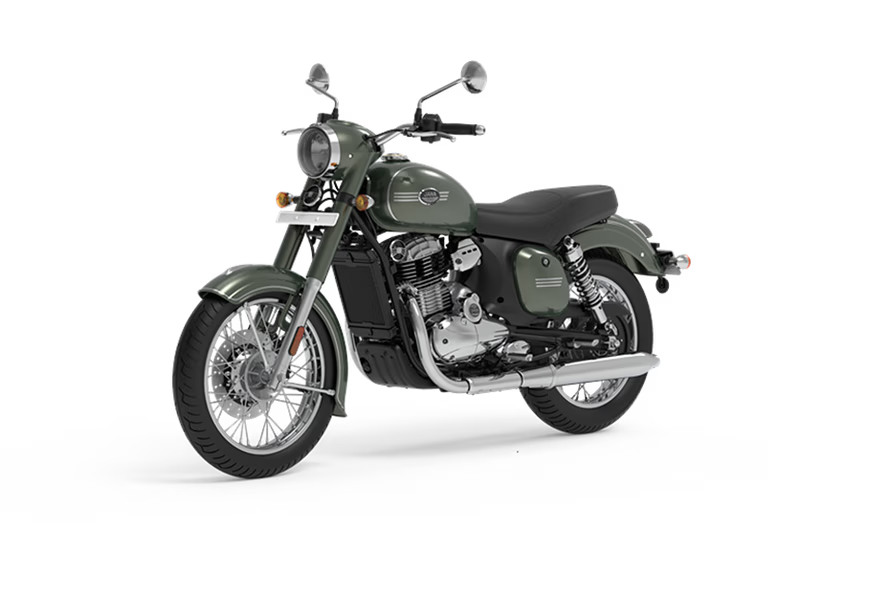
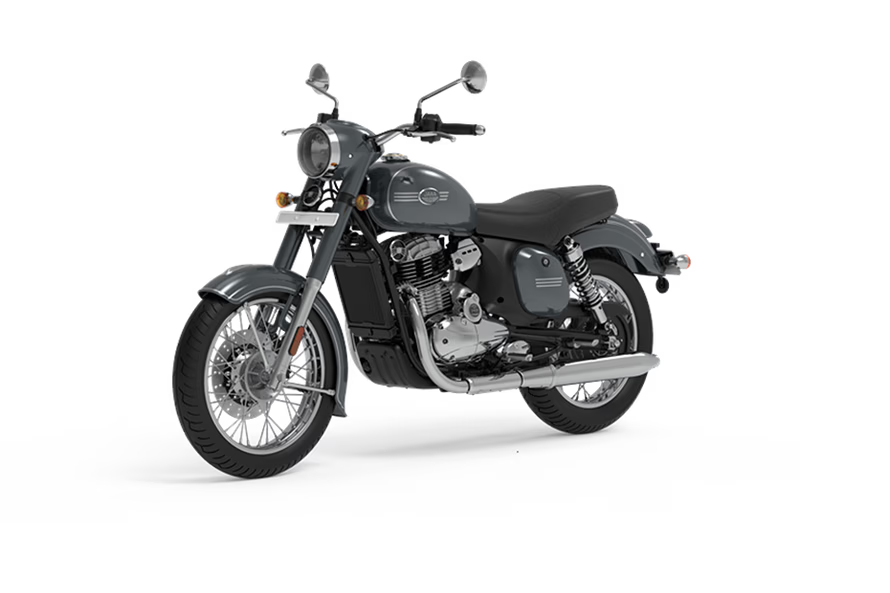
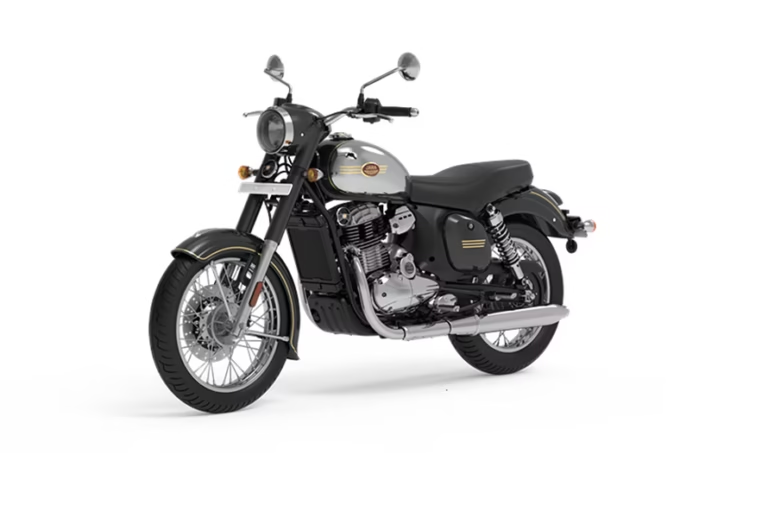
JAWA 350
13.0 pts
Unweighted: 14 advantages
EnginePerformanceDimensionsBrakesTyresFeaturesOther
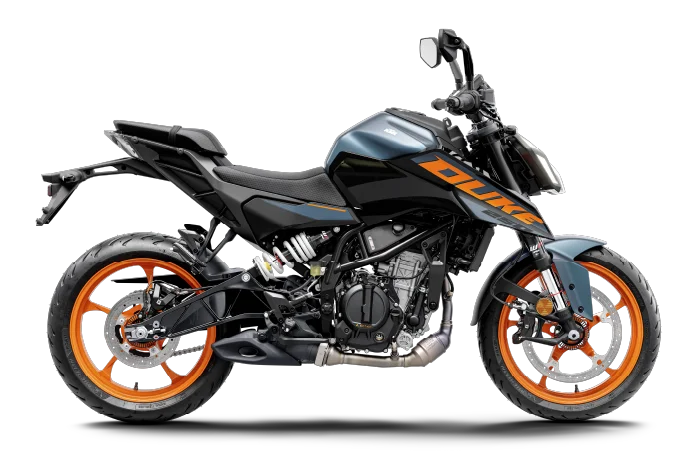
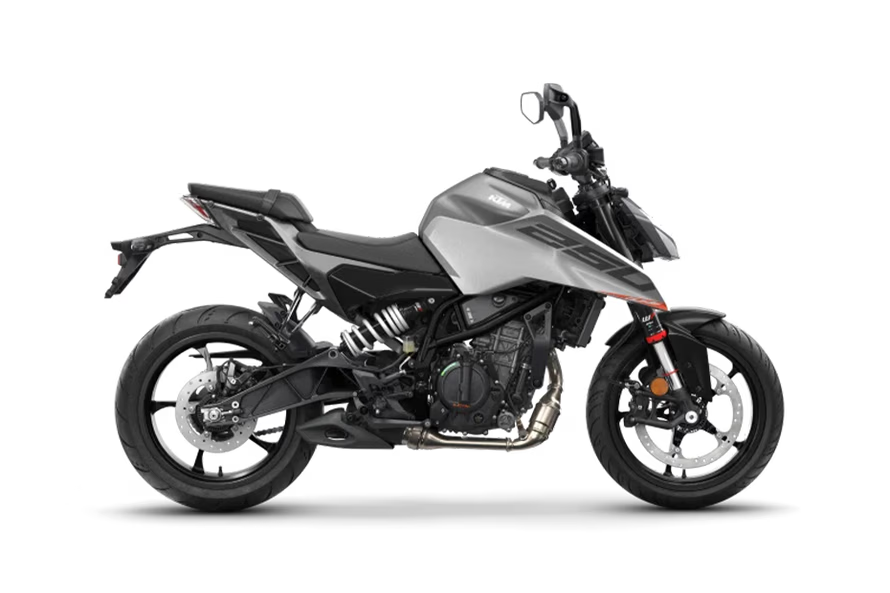
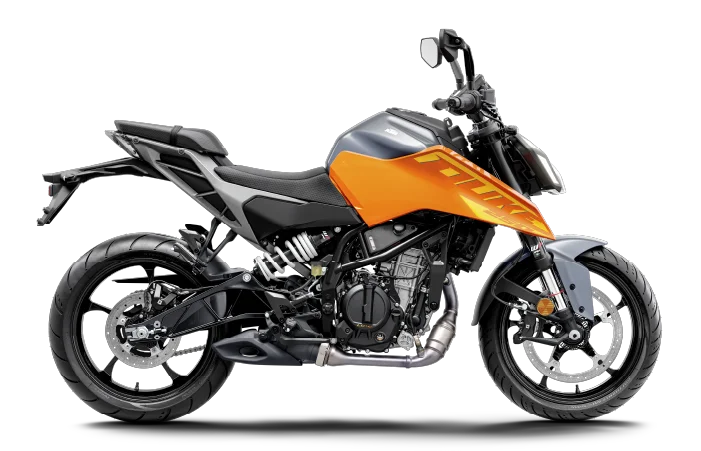
KTM 250 DUKE
21.0 pts
Unweighted: 13 advantages
EnginePerformanceDimensionsBrakesTyresFeaturesOther
| Specification | ||
|---|---|---|
Engine Specifications |
||
| Cooling System | Liquid Cooled | Liquid cooling with radiator |
| Displacement | 334 cc | 249.07 cc |
| Engine Type | Single cylinder, 4 stroke, liquid cooled, DOHC | Single Cylinder, Liquid Cooled, FI Engine |
| Power | 22.57 PS | 22.8 kW @ 9250 rpm |
| Torque | 28.1 Nm | 25 Nm @ 7250 rpm |
Performance & Efficiency |
||
| Fuel Tank Capacity | 13.2 L | 15 L |
| Mileage | 30 kmpl | 30.08 kmpl |
Dimensions & Weight |
||
| Kerb Weight | 184 | 162.8 |
| Seat Height | 790 | 800 |
Brakes & Suspension |
||
| ABS | Dual Channel | Supermoto ABS |
| Front Brake | Disc with floating caliper 280 mm 2 piston | 320 mm Disc with Radially mounted calliper |
| Front Suspension | Telescopic Forks, Ø 35 mm | WP APEX USD forks, 43mm diameter |
| Rear Brake | Disc with floating caliper 240 mm 1 piston | 240 mm Disc with Floating calliper |
| Rear Suspension | Twin shock absorber, gas filled emulsion with 5-step adjustable pre-load | WP APEX Monoshock, 10-step preload adjustable |
Tyres & Wheels |
||
| Front Tyre | Spoke Wheel – 100/90-18, 56S | 110/70 - R17 |
| Rear Tyre | Spoke Wheel – 130/80-17, 65S | 150/60 - R17 |
| Tyre Type | Tube | Tubeless |
| Wheel Type | Spoke | Alloy |
Features & Technology |
||
| Headlight | Halogen | Full Split LED Headlamp |
Other Specifications |
||
| Battery | — | 12 V, 8 AH MF battery |
| Bike Image 1 | https://motoautiv.com/wp-content/uploads/2025/11/350white.webp | https://motoautiv.com/wp-content/uploads/2025/11/250duke-blue.webp |
| Bike Image 2 | https://motoautiv.com/wp-content/uploads/2025/12/Deep-Forest.avif | https://motoautiv.com/wp-content/uploads/2025/11/250duke-ebony-black.webp |
| Bike Image 3 | https://motoautiv.com/wp-content/uploads/2025/12/Gray.avif | https://motoautiv.com/wp-content/uploads/2025/12/Metallic-Silver.avif |
| Bike Image 4 | https://motoautiv.com/wp-content/uploads/2025/12/Legacy-Edition-Deep-Forest.avif | — |
| Bike Image 5 | https://motoautiv.com/wp-content/uploads/2025/12/Legacy-Edition-Maroon.avif | — |
| Bike Image 6 | https://motoautiv.com/wp-content/uploads/2025/12/Maroon.avif | — |
| Bike Image 7 | https://motoautiv.com/wp-content/uploads/2025/12/Mystic-Orange.avif | — |
| Bike Image 8 | https://motoautiv.com/wp-content/uploads/2025/12/Obsidian-Black.avif | — |
| Cluster | — | 5" LCD display |
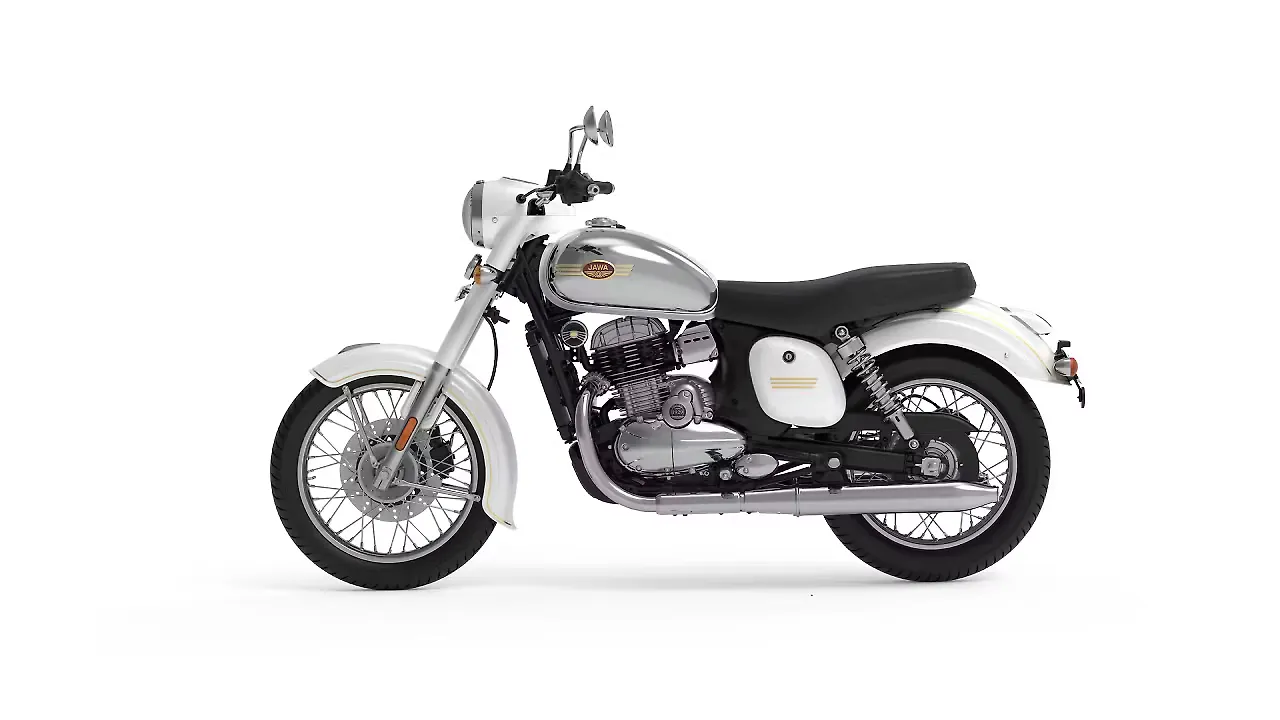
| Color Options | Obsidian Black | #0D0D0D Chrome Black | #1C1C1C Chrome White | #F5F5F5 Legacy Edition Maroon | #7A1E24 Legacy Edition Deep Forest | #3A5F4A Mystic Orange | #C65A1E Maroon | #6E1A1F Deep Forest | #2F4F3E Grey | #6B6F76 | Ebony Black | #0A0A0A Electronic Orange | #FF5A00 Atlantic Blue | #1F3F8B Metallic Silver | #8A8F98 |
| Cons | Mileage is average for a 350cc bike (28–32 kmpl) On the heavier side at around 184 kg Top speed is modest compared to some competitors Limited storage options without accessories Rear suspension can feel stiff on bad roads Pricing may feel slightly premium due to the special-edition package | Firm seat may not be comfortable on very long rides Mileage could be better compared to 200cc rivals Slightly aggressive riding posture not ideal for everyone High service & maintenance cost compared to non-premium 250cc bikes Engine can feel a bit vibey at higher RPMs |
| Detailed Overview | Instead of trying to change the formula, the Jawa 350 sticks to a layout that feels familiar the moment you look at it, and that same approach carries into the way it is built. At its core is a 334cc, single-cylinder, liquid-cooled engine that produces around 22.5 bhp and 28.2 Nm of torque, paired with a 6-speed gearbox. The engine uses fuel injection, and the power delivery is spread in a way that feels steady rather than sharp, allowing the bike to move through traffic and open roads without needing constant effort from the rider. The motorcycle is based on a double cradle frame, which plays a role in keeping the bike stable while riding. With a kerb weight of around 194 kg, it has a slightly heavy feel when standing still, but that weight also adds to its planted nature once in motion. The seat height is close to 790 mm, which makes it manageable for most riders, and the 13.2-litre fuel tank gives it a usable range for daily rides. Ground clearance of around 178 mm helps in dealing with uneven patches and speed breakers without much concern. Suspension duties are handled by telescopic forks at the front and twin shock absorbers at the rear. This setup is commonly seen in this segment and is meant to deal with regular road conditions. The bike runs on spoke wheels with tube-type tyres, with an 18-inch front and 17-inch rear combination. This setup influences how the bike feels on different surfaces, especially when it comes to stability and feedback from the road. Braking is managed by disc brakes at both ends, with a 280 mm disc at the front and a 240 mm disc at the rear. Dual-channel ABS comes as standard, adding a layer of control during braking, particularly on unpredictable road surfaces. The braking feel is tuned to be progressive, which means it builds up gradually instead of feeling too sharp. In terms of features, the bike keeps things straightforward. It uses an analogue instrument cluster with a small digital display for basic information such as fuel level, trip details and warning lights. Lighting remains mostly halogen, staying in line with the overall design direction. There are no riding modes or advanced electronics, and the setup focuses on essential functions that support everyday use. The overall design follows a traditional pattern, with a rounded fuel tank, simple body panels and a long, single-piece seat. It is offered in multiple colour options, including standard and chrome finishes, depending on the variant. While these choices mainly change how the bike looks and is priced, the mechanical setup remains consistent, keeping the overall experience similar across the range. | The KTM 250 Duke has built a reputation as one of the most exciting quarter-liter motorcycles in India, and the latest version takes this legacy even further. Known for its aggressive styling, powerful engine, and premium components, the 250 Duke continues to stand tall as a motorcycle that combines performance and practicality in a way very few bikes in its segment manage to do. At the heart of the KTM 250 Duke is a 248.8cc single-cylinder, liquid-cooled engine, delivering strong power with quick throttle response. The mid-range punch is especially impressive, making it ideal for overtaking, quick city rides, and even some spirited highway runs. Whether you’re accelerating out of traffic or enjoying weekend rides, the bike never feels underpowered. The 6-speed transmission paired with a slipper clutch ensures smoother gear shifts and reduces rear-wheel hopping during aggressive downshifts — a feature that adds both performance and safety. One of the standout aspects of the KTM 250 Duke is its dynamic handling. The lightweight trellis frame, paired with WP Apex suspension, offers sharp, confidence-inspiring control in corners. It feels planted at high speeds and agile in tight city streets. Braking performance is equally impressive, thanks to the front and rear disc brakes with dual-channel ABS, offering reliable stopping power even in unexpected situations. In terms of design, the 250 Duke looks every bit like a modern streetfighter. The aggressive styling, angular lines, muscular tank, and bright paint schemes give it a premium and attention-grabbing appearance. KTM has always been known for offering bold designs, and the 250 Duke stays true to that identity. The LED headlamp setup (in newer variants) not only enhances night visibility but also adds to the overall visual appeal. The bike also gets a fully digital LCD console with essential information like gear position, fuel range, average mileage, and more. It’s not as advanced as the TFT unit found on the 390 Duke, but still offers plenty of useful features for daily commuting and touring. However, the KTM 250 Duke isn’t without its shortcomings. The seat is on the firmer side, which may lead to discomfort on longer journeys. Also, the riding posture is slightly sporty, which might take time to get used to, especially for beginners. The mileage, which hovers around 30–35 kmpl, is decent but not the best in the segment. Maintenance costs are also slightly higher due to premium components — something buyers should keep in mind. Despite these minor drawbacks, the KTM 250 Duke remains one of the best 250cc performance bikes in India, offering a near-perfect mix of power, agility, design, and modern features. Whether you’re a college rider looking for a stylish machine or an enthusiast seeking an exciting city performer, the 250 Duke continues to be a compelling choice. |
| Expert Review | The Jawa 350 sits in a segment in India where motorcycles are often chosen as much for their character as for their daily usability. Its design follows a traditional approach, drawing clear inspiration from older Jawa models, which continues to hold relevance among riders who prefer a familiar, classic appearance. At the same time, the underlying mechanical setup has been updated to meet present-day requirements, making it suitable for regular city commuting as well as occasional longer rides. In a market largely influenced by established players like Royal Enfield, the Jawa 350 positions itself as an alternative that delivers a similar old-school riding experience, but with its own distinct feel in terms of engine response and overall behaviour. It also reflects the broader shift in the Indian motorcycle market, where buyers are increasingly considering aspects like design identity and everyday practicality alongside performance., 4.0, MotoAutiv Team | The KTM 250 Duke stands out as a strong option for riders who want a mix of performance and everyday usability without going overboard. It carries the same sharp and aggressive design that KTM is known for, which gives it a sporty road presence even when standing still. The engine feels smooth and refined for a single-cylinder setup, and it has enough power to make city rides fun while still being comfortable on highways. One of its biggest strengths is the way it handles, light, quick to respond, and easy to control, especially in traffic. The suspension setup leans slightly towards the firmer side, which helps in corners but can feel a bit stiff on rough roads. Braking is confident and predictable, adding to the overall sense of control. The riding position is sporty but not too demanding, so it works well for daily use. While it may not feel as exciting as bigger KTMs, it strikes a good balance between performance, efficiency, and practicality, making it a sensible choice for riders upgrading from smaller bikes or looking for something engaging yet manageable., 4.5, MotoAutiv Team |
| FAQ (Manual Override) | Q: What is the Jawa 350 Legacy Edition? A: It is a special-themed variant of the Jawa 350 with retro styling, chrome elements, and added touring accessories. Q: What is the engine capacity of the Jawa 350 Legacy Edition? A: It has a 334cc single-cylinder, liquid-cooled engine. Q: What is the power and torque output? A: The bike produces around 22.5 PS of power and 28.1 Nm of torque. Q: What is the mileage? A: The mileage is around 28–32 kmpl in real-world riding. Q: What is the fuel tank capacity? A: The fuel tank capacity is 13.2 litres. Q: What is the seat height? A: The seat height is approximately 790 mm. Q: Does it have ABS? A: Yes, it comes with dual-channel ABS. Q: What type of suspension does it use? A: It has 35mm telescopic forks at the front and twin shock absorbers with 5-step preload adjustment at the rear. Q: What is the top speed? A: The top speed is around 120–125 km/h. Q: Is the Jawa 350 Legacy Edition good for daily commuting? A: Yes, its smooth engine and comfortable ergonomics make it suitable for daily use. Q: Is it good for long rides? A: Yes, the touring visor, comfortable seat, and relaxed riding posture make it ideal for touring. Q: What is the kerb weight of the bike? A: The kerb weight is around 184 kg. Q: What are the special features of the Legacy Edition? A: It includes a touring visor, pillion backrest, crash guard, chrome finish, and special edition collectibles. Q: Does it have any performance changes compared to the standard Jawa 350? A: No, performance is similar; the Legacy Edition mainly gets cosmetic and touring upgrades. Q: Is the Jawa 350 Legacy Edition worth buying? A: Yes, it is a great choice if you want a retro-styled motorcycle with added touring comfort and exclusivity. | Q: What is the engine capacity of the KTM 250 Duke? A: The KTM 250 Duke is powered by a 248.8cc, single-cylinder, liquid-cooled engine. Q: What is the mileage of the KTM 250 Duke? A: The KTM 250 Duke delivers a mileage of around 30–35 kmpl, depending on riding style and conditions. Q: What is the top speed of the KTM 250 Duke? A: The top speed of the KTM 250 Duke is approximately 142 km/h. Q: Does the KTM 250 Duke come with riding modes? A: No, the KTM 250 Duke does not offer riding modes; however, it does come with advanced features like ABS, LCD display, and slipper clutch. Q: Is the KTM 250 Duke suitable for long rides? A: Yes, the 250 Duke can handle long rides due to its refined engine and strong mid-range, but some riders may find the seat slightly firm for extended touring. Q: What type of brakes does the KTM 250 Duke have? A: The bike features disc brakes on both ends with dual-channel ABS for enhanced safety. Q: What is the seat height of the KTM 250 Duke? A: The seat height is approximately 823 mm, making it accessible for most riders. Q: What are the available colours in the KTM 250 Duke? A: KTM usually offers the 250 Duke in multiple sporty colours, commonly Orange and Black, but availability may vary by year and region. Q: Is the KTM 250 Duke good for beginners? A: Yes, it is suitable for beginners who want a powerful yet manageable motorcycle, though its aggressive power delivery may require some experience. Q: What is the price of the KTM 250 Duke? A: The price typically ranges between ₹2.30 lakh–₹2.50 lakh (ex-showroom), depending on city and variant. |
| Fuel System | Electronic Fuel Injection | Electronic Fuel Injection |
| Price Variants | Legacy Edition |183407 STD - Spoke Wheel | 183407 STD - Alloy Wheel | 194470 Chrome - Alloy Wheel | 211063 Chrome - Spoke Wheel | 219950 | Standard | 217401 |
| Pros | Classic retro styling with premium chrome finish Smooth and refined 334cc liquid-cooled engine Good torque for city and highway rides Comfortable riding posture suitable for long journeys Touring extras like visor, backrest, and crash guard included Dual-channel ABS for safer braking Low seat height makes it accessible for most riders Strong road presence and limited-edition appeal | Powerful 250cc Engine with strong mid-range performance Sharp, aggressive design inspired by larger Dukes Excellent handling thanks to WP suspension and lightweight chassis High-quality components like slipper clutch, dual-channel ABS Sporty riding dynamics ideal for spirited riding Feature-rich LCD display with modern readouts Impressive braking performance with strong bite Good for city & occasional highway rides |
| Starter | Self Start Only | Self Start Only |
| Transmission | 6–Speed – Gearbox | 6 Speed Manual |