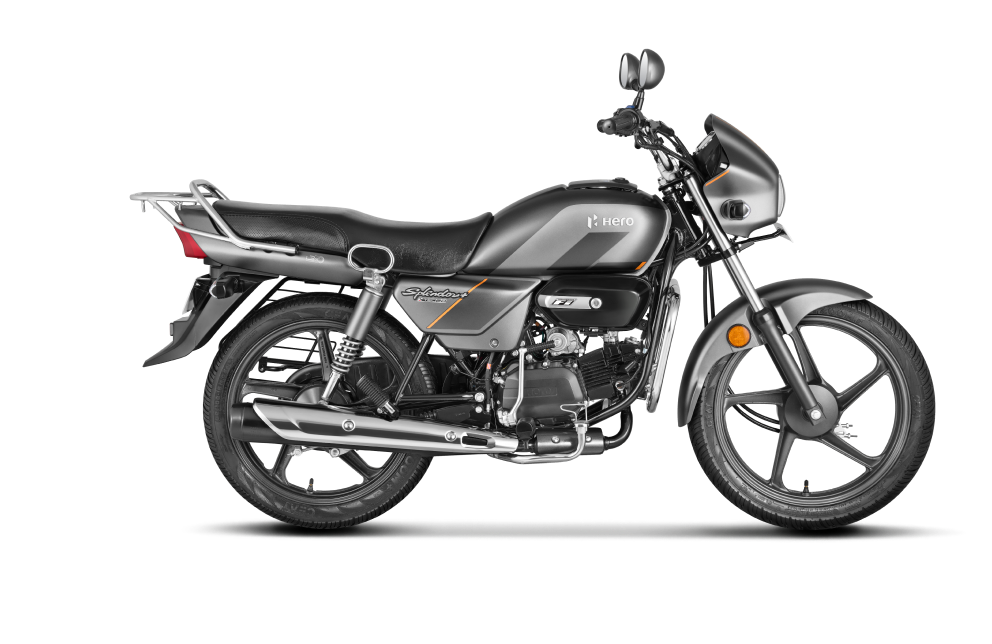
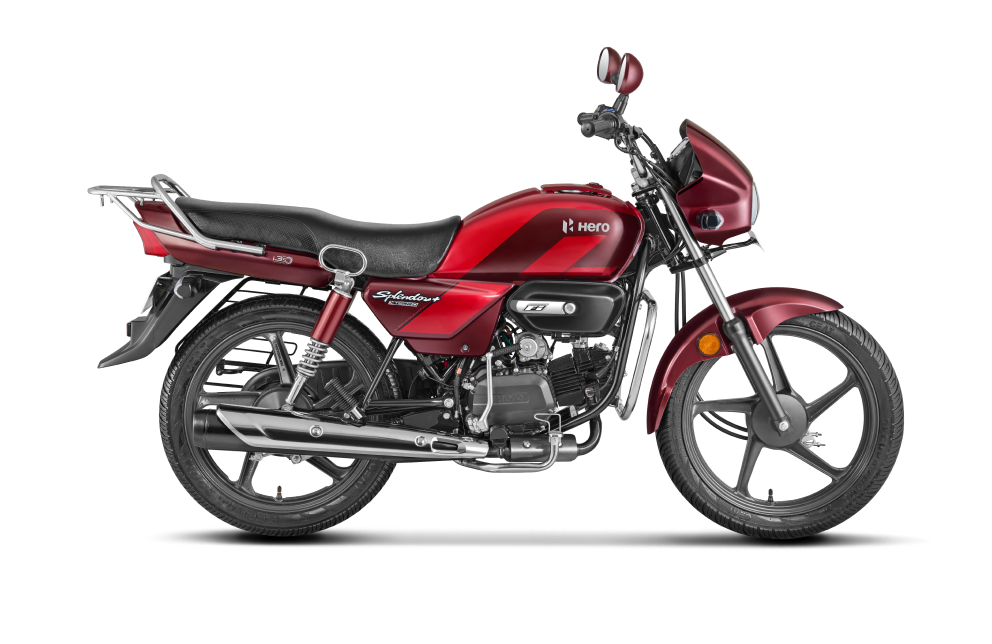
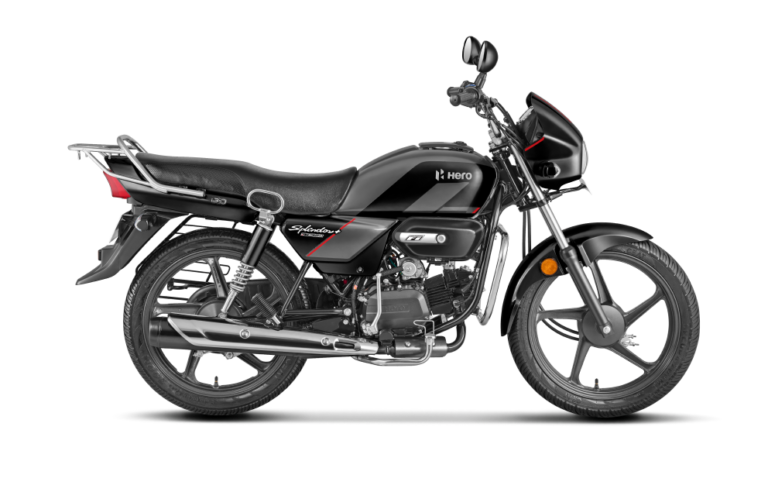
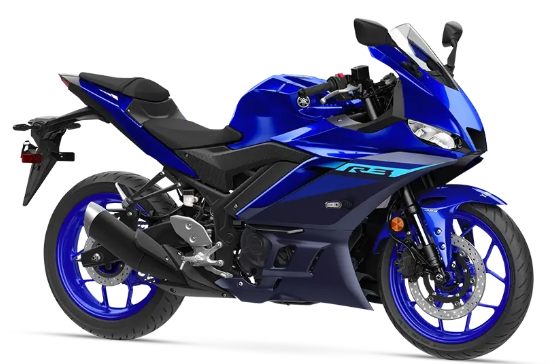
VS

Quick Analysis

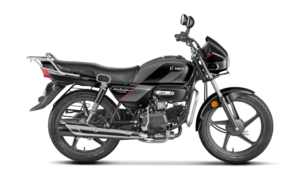
Hero SPLENDOR+ XTEC 2.0

10.0 pts
Unweighted: 8 advantages
EnginePerformanceDimensionsBrakesTyresFeaturesOther

Yamaha R3

24.0 pts
Unweighted: 16 advantages
EnginePerformanceDimensionsBrakesTyresFeaturesOther
Specification
Hero SPLENDOR+ XTEC 2.0
Hero
₹80,752
Yamaha R3
Yamaha R3
Yamaha
₹359,900

Engine Specifications

Cooling System Air Cooled Liquid Cooled
Displacement 97.2 cc 321cc
Engine Type Air-cooled, 4-stroke, single-cylinder OHC engine 4-stroke, 2-cylinder, Liquid-cooled, DOHC, 4-valves
Power 8.02 Kw @ 8000 rpm 30.9 kW (42.0 PS) @ 10,750 rpm
Torque 8.05 Nm @ 6000 rpm 29.5 Nm (3.0 kgfm) @ 9,000 rpm

Performance & Efficiency

Fuel Tank Capacity 9.8 litres 14 L
Mileage 70 Kmpl 25 Kmpl

Dimensions & Weight

Kerb Weight 112 169
Seat Height 785 780

Brakes & Suspension

ABS No ABS Dual Channel
Front Brake Drum 130 mm Hydraulic single disc, 298 mm
Front Suspension Telescopic Hydraulic Shock Absorbers Telescopic Upside Down Fork (USD Fork)
Rear Brake Drum 130 mm Hydraulic single disc, 220 mm
Rear Suspension Swingarm 5-step Adjustable Hydraulic Shock Absorbers Swingarm

Tyres & Wheels

Front Tyre 80/100 - 18 110/70 R17M/C 54H Tubeless
Rear Tyre 80/100 - 18 140/70 R17M/C 66H Tubeless
Tyre Type Tubeless Tubeless
Wheel Type Alloy Alloy

Features & Technology

Headlight LED Dual LED headlight

Other Specifications

Battery MF Battery, 12V - 4Ah 12 V, 7.0 Ah
Bike Image 1 https://motoautiv.com/wp-content/uploads/2025/05/grey-1.png
Bike Image 2 https://motoautiv.com/wp-content/uploads/2025/05/Red-1.png
Cluster Digital Instrument Cluster LCD Instrument Cluster
Color Options Matte Grey | #6A6D70 Black Heavy Grey | #3F4347, #1C1C1C Nobel Red | #B32025 Icon Blue | #1B4FAF
Cons Limited Highway Performance: The 97.2cc engine is designed for efficiency rather than speed, so highway cruising and overtaking performance remain modest. Drum Brakes Only: The motorcycle continues to use drum brakes at both ends, which may feel basic compared to some rivals offering front disc brake options. Basic Suspension Setup: While comfortable for commuting, the suspension is not designed for sporty riding or high-speed stability. Conservative Styling: The design remains close to the traditional Splendor formula and may not appeal to buyers seeking a more modern or aggressive look. No Gear Position Indicator: Despite receiving technology upgrades, some useful features available on newer commuter motorcycles are still absent. Pillion Comfort on Long Journeys: While adequate for everyday use, extended two-up rides can become tiring over longer distances. Feature List Is Basic for the Price – The motorcycle lacks several features that have become common in the segment, such as traction control, riding modes, Bluetooth connectivity, and a TFT display. No Quickshifter – Riders looking for clutchless upshifts will not find a factory-fitted quickshifter. Suspension Adjustability Is Limited – The standard suspension setup offers limited adjustment options compared with some rivals. Premium Pricing – The R3 is positioned at a higher price point than several competing motorcycles with similar or greater performance. Low-End Torque Is Relatively Modest – The engine performs best when revved, which means riders may need to use the gearbox more frequently at lower speeds. Pillion Comfort Is Average – The rear seat is suitable for occasional use but is not particularly spacious for longer journeys. Fuel Tank Capacity Is Not the Largest in the Segment – Riders covering long distances may find themselves stopping for fuel more frequently than on some alternatives. Electronics Package Is Minimal – The motorcycle focuses on mechanical simplicity and does not offer many rider-assistance systems beyond ABS.
Detailed Overview The Hero Splendor+ XTEC 2.0 is an evolution of one of India’s most familiar commuter motorcycles. While the basic philosophy remains unchanged, the XTEC 2.0 version introduces a number of updates aimed at riders who want the simplicity of a traditional commuter bike along with a few modern conveniences. It continues to be built around the needs of everyday users who rely on their motorcycle for regular travel, whether that’s commuting to work, running errands around town, or covering long daily distances in both urban and rural areas. At the centre of the motorcycle is Hero’s 97.2cc single-cylinder, air-cooled engine. Producing around 8 PS of power and 8.05 Nm of torque, the engine is tuned to deliver smooth and predictable performance at everyday speeds. The focus here is not on quick acceleration or high-speed riding, but on making daily travel easy and economical. In city traffic, the motorcycle moves comfortably through stop-and-go conditions, while the four-speed gearbox keeps the riding experience simple and familiar. The power delivery feels linear, allowing riders to make steady progress without constantly working through the gears. A major part of the Splendor’s long-standing appeal has been fuel efficiency, and the XTEC 2.0 continues that tradition. The motorcycle is equipped with Hero’s i3S technology, which automatically switches off the engine when idling and restarts it when the clutch is engaged. In real-world traffic conditions, especially in crowded cities with frequent stops, this system helps reduce unnecessary fuel consumption. Combined with the lightweight construction of the motorcycle, it contributes to the economical nature that commuter-bike buyers often look for. Visually, the XTEC 2.0 introduces a more contemporary appearance compared to earlier Splendor models. The LED headlamp is one of the most noticeable updates, giving the front section a cleaner and more modern look while also improving visibility during night riding. Revised graphics, fresh colour options, and subtle styling changes help distinguish the XTEC version from the standard Splendor without altering its familiar identity. The riding position remains one of the motorcycle’s strongest practical aspects. The seat height of around 785 mm makes it accessible to riders of different heights, while the upright handlebar position keeps the rider in a natural posture. This becomes particularly useful during longer commuting hours, where comfort often matters more than outright performance. The seat is wide enough for everyday rider and pillion use, and the suspension setup, consisting of telescopic front forks and twin rear shock absorbers, is designed to deal with common road imperfections such as potholes, speed breakers, and uneven surfaces. Technology is where the XTEC 2.0 differs most from traditional commuter motorcycles. The motorcycle features a digital instrument cluster with Bluetooth connectivity, allowing riders to receive call and SMS alerts. While the feature set remains straightforward, it adds a level of convenience that was not commonly seen in this segment until recently. Essential ride information such as speed, fuel level, and trip data is displayed in a clear and easy-to-read format. Braking duties are handled by drum brakes at both ends, supported by Hero’s Integrated Braking System (IBS). The motorcycle rides on alloy wheels fitted with tubeless tyres, reducing the inconvenience associated with minor punctures. A 9.8-litre fuel tank provides enough capacity to support extended commuting between fuel stops. The Hero Splendor+ XTEC 2.0 combines a familiar commuter-focused engine, modern connectivity features, practical ergonomics, and fuel-saving technology in a package designed around everyday transportation. It retains the simplicity that has long defined the Splendor name while incorporating updates that reflect the changing expectations of today’s commuter motorcycle bu The Yamaha R3 is a fully-faired sport motorcycle positioned in the entry-level supersport category. It is designed to provide a stepping stone between smaller commuter motorcycles and larger performance-oriented sportbikes. Unlike many motorcycles in this segment that rely on single-cylinder engines, the R3 uses a twin-cylinder configuration, which plays a major role in defining its riding characteristics. The motorcycle combines a compact size with a sportbike-inspired design and mechanical package intended for both everyday road use and spirited riding. Power comes from a 321cc liquid-cooled parallel-twin engine. The engine uses a dual overhead camshaft (DOHC) layout and four valves per cylinder. It produces approximately 42 PS of power and 29.5 Nm of torque, with power delivered through a six-speed gearbox. The parallel-twin configuration is known for providing smoother operation than many single-cylinder alternatives, particularly at higher engine speeds. The engine is designed to perform across a wide rev range, with its strongest performance arriving at higher RPM levels while maintaining usable power for everyday riding. The motorcycle is built around a diamond-type frame that forms the foundation of its chassis. Yamaha has designed the frame to balance rigidity and weight, helping the motorcycle remain stable while retaining agility. The relatively compact dimensions of the motorcycle contribute to its approachable nature, especially for riders moving into the sportbike segment for the first time. Suspension duties are handled by upside-down front forks and a rear monoshock. The upside-down fork design places the larger fork tubes at the top, a layout commonly used in sport motorcycles due to its structural advantages. The rear monoshock works in conjunction with the frame and swingarm to manage road irregularities and maintain tyre contact with the road surface. Together, the suspension components are intended to provide a balance between stability, handling precision, and everyday usability. Braking is managed by disc brakes at both ends, supported by a dual-channel anti-lock braking system (ABS). The front brake uses a larger disc to provide the majority of the stopping force, while the rear brake contributes additional control. The ABS system monitors wheel speed and helps reduce the likelihood of wheel lock-up during hard braking situations. The Yamaha R3 rides on alloy wheels fitted with tubeless tyres. The wheel and tyre combination is selected to support the motorcycle’s sport-oriented handling characteristics while maintaining stability during highway riding. The motorcycle has a kerb weight of approximately 169 kg and a seat height of around 780 mm. These figures contribute to a relatively accessible riding experience for a wide range of riders. The fuel tank has a capacity of 14 litres, providing a balance between fuel range and overall weight. The riding position reflects the motorcycle’s sportbike identity while remaining less aggressive than some track-focused machines. Clip-on handlebars are positioned below the upper triple clamp, encouraging a forward lean, but the posture remains manageable for everyday use. Footpeg placement and seat design further support this balance between sporty control and regular riding comfort. The bodywork follows Yamaha’s R-series design language. A full fairing surrounds much of the engine and frame, contributing to the motorcycle’s aerodynamic profile and visual identity. Twin LED position lights, a central LED headlamp arrangement, and sharp body lines help create a design that resembles Yamaha’s larger supersport motorcycles. The instrument cluster uses a digital LCD display that provides information such as speed, engine speed, fuel level, gear position, and trip data. Overall, the Yamaha R3 combines a 321cc parallel-twin engine, six-speed gearbox, full fairing, dual-channel ABS, upside-down front forks, and a sport-oriented chassis into a motorcycle designed for riders seeking a fully-faired sportbike experience in a relatively compact and accessible package.
Expert Review The Hero Splendor+ XTEC 2.0 takes the familiar Splendor formula and adds a few modern touches without changing its core purpose. Its 97.2cc engine remains focused on smooth, predictable performance and fuel efficiency, making it well suited to daily commuting and short-distance travel. The motorcycle feels light and easy to manage in traffic, while the upright riding position and comfortable seat contribute to a relaxed riding experience during everyday use. The addition of an LED headlamp, Bluetooth connectivity, call and SMS alerts, and a revised digital instrument cluster helps bring the motorcycle in line with the expectations of today's commuter-bike buyers. At the same time, the overall character remains simple and practical, with straightforward controls and a mechanical package that prioritizes ease of ownership. Rather than introducing major changes to the riding experience, the XTEC 2.0 builds upon an established commuter platform by incorporating convenience-oriented features while continuing to focus on the everyday requirements of regular riders., 4.5, MotoAutiv Team The Yamaha R3 takes a relatively traditional approach to the entry-level sportbike segment. Rather than relying on a long list of electronic features or aggressive performance figures, it focuses on delivering a balanced and predictable riding experience. The 321cc parallel-twin engine is the centerpiece of the package, offering smooth power delivery, refined operation, and a willingness to rev that distinguishes it from many single-cylinder alternatives. The motorcycle feels light and easy to control, whether navigating city traffic or riding through a series of corners, and its fully-faired design provides useful wind protection without forcing the rider into an excessively committed riding position. The chassis and suspension prioritize stability and confidence, making the bike approachable for riders moving into the sportbike category. At the same time, the feature list remains relatively simple compared to newer rivals, and buyers looking for advanced electronics or extensive rider aids may find stronger alternatives elsewhere. The overall character of the R3 is defined by refinement, predictability, and a focus on the fundamentals of motorcycling rather than technology-driven appeal., 4.4, MotoAutiv Team
FAQ (Manual Override) Q: What is the engine capacity of the Hero Splendor+ XTEC 2.0? A: The Hero Splendor+ XTEC 2.0 is powered by a 97.2cc single-cylinder, air-cooled engine that produces approximately 8.02 PS of power and 8.05 Nm of torque. Q: What is the real-world mileage of the Hero Splendor+ XTEC 2.0? A: Most Hero Splendor+ XTEC 2.0 owners report fuel efficiency figures between 65 and 75 km/l, depending on riding conditions and maintenance. Q: Does the Hero Splendor+ XTEC 2.0 have Bluetooth connectivity? A: Yes, the Hero Splendor+ XTEC 2.0 supports Bluetooth connectivity and provides call and SMS alerts through its digital instrument cluster. Q: What is the top speed of the Hero Splendor+ XTEC 2.0? A: The Hero Splendor+ XTEC 2.0 can achieve a top speed of approximately 85-90 km/h under suitable riding conditions. Q: Does the Hero Splendor+ XTEC 2.0 have an LED headlamp? A: Yes, the Hero Splendor+ XTEC 2.0 comes equipped with an LED headlamp, a feature not commonly found in many motorcycles in this segment. Q: What is the fuel tank capacity of the Hero Splendor+ XTEC 2.0? A: The Hero Splendor+ XTEC 2.0 features a fuel tank capacity of 9.8 litres. Q: What is the seat height of the Hero Splendor+ XTEC 2.0? A: The Hero Splendor+ XTEC 2.0 has a seat height of approximately 785 mm. Q: Does the Hero Splendor+ XTEC 2.0 have a front disc brake? A: No, the Hero Splendor+ XTEC 2.0 uses drum brakes at both ends along with Hero's Integrated Braking System (IBS). Q: What is the kerb weight of the Hero Splendor+ XTEC 2.0? A: The Hero Splendor+ XTEC 2.0 has a kerb weight of approximately 112 kg. Q: Is the Hero Splendor+ XTEC 2.0 suitable for daily commuting? A: Yes, the Hero Splendor+ XTEC 2.0 is designed primarily for daily commuting and focuses on fuel efficiency, comfort, and low ownership costs. Q: What is the difference between the Hero Splendor+ XTEC 2.0 and the standard Hero Splendor Plus? A: The Hero Splendor+ XTEC 2.0 adds features such as Bluetooth connectivity, LED headlamp, digital instrumentation, and updated styling elements compared to the regular Hero Splendor Plus. Q: Is Yamaha R3 a good bike for beginners? A: Yes, the Yamaha R3 is often considered beginner-friendly due to its predictable power delivery, manageable weight, and smooth twin-cylinder engine. Q: What is the real mileage of Yamaha R3? A: The real-world mileage of the Yamaha R3 typically ranges between 25 km/l and 32 km/l, depending on riding style and traffic conditions. Q: What is the top speed of Yamaha R3? A: The Yamaha R3 can achieve a top speed of approximately 180 km/h, depending on rider weight, road conditions, and weather. Q: What is the engine capacity of Yamaha R3? A: The Yamaha R3 is powered by a 321cc liquid-cooled parallel-twin engine. Q: How much power does the Yamaha R3 produce? A: The engine produces approximately 42 PS of power and 29.5 Nm of torque. Q: Does Yamaha R3 have a slipper clutch? A: No, the Yamaha R3 does not come with an assist-and-slipper clutch. Q: Does Yamaha R3 have traction control? A: No, the Yamaha R3 does not offer traction control. Q: Does Yamaha R3 have Bluetooth connectivity? A: No, the Yamaha R3 does not provide Bluetooth connectivity or smartphone integration. Q: What is the fuel tank capacity of Yamaha R3? A: The Yamaha R3 comes with a 14-litre fuel tank. Q: What is the kerb weight of Yamaha R3? A: The motorcycle weighs approximately 169 kg in running condition. Q: What is the seat height of Yamaha R3? A: The Yamaha R3 has a seat height of approximately 780 mm. Q: Is Yamaha R3 comfortable for long rides? A: Yes, compared to many sportbikes, the Yamaha R3 offers relatively comfortable ergonomics and can be used for longer highway rides. Q: Which is better: Yamaha R3 or Aprilia RS 457? A: The Yamaha R3 focuses on refinement and predictable performance, while the Aprilia RS 457 offers more modern technology and stronger performance figures. Q: Which is better: Yamaha R3 or KTM RC 390? A: The Yamaha R3 provides a smoother twin-cylinder experience, whereas the KTM RC 390 emphasizes aggressive performance and advanced electronics. Q: Does Yamaha R3 have dual-channel ABS? A: Yes, the Yamaha R3 comes equipped with dual-channel ABS as standard.
Fuel System Fuel Injection Fuel Injection
Price Variants STD | 83214 | 339028
Pros Excellent Fuel Efficiency: One of the strongest points of the Hero Splendor+ XTEC 2.0 is its fuel economy. Owners commonly report mileage figures in the range of 65-75 km/l under normal riding conditions. Refined and Reliable Engine: The 97.2cc engine delivers smooth performance for everyday commuting and has a long-standing reputation for dependability. LED Headlamp: Unlike many traditional commuter motorcycles, the Splendor+ XTEC 2.0 features an LED headlamp that provides improved illumination and a more modern appearance. Bluetooth Connectivity: Call and SMS alerts through Bluetooth connectivity add a level of convenience that is still uncommon in the entry-level commuter segment. Lightweight and Easy to Ride: Weighing around 112 kg, the motorcycle feels manageable in city traffic, narrow streets, and crowded parking areas. Comfortable Daily Commuter: The upright riding position, well-padded seat, and simple controls make it suitable for daily office runs and routine commuting. Low Maintenance Costs: Spare parts are widely available, and routine servicing remains affordable, helping keep ownership costs under control. Extensive Service Network: Hero's widespread dealership and service presence make maintenance and support accessible in both urban and rural areas. Smooth Twin-Cylinder Engine – The 321cc parallel-twin engine is one of the defining aspects of the R3. It delivers power in a linear and refined manner, with minimal vibrations across much of the rev range. High-Reving Performance Character – The engine is comfortable operating at higher RPMs, giving riders access to performance without feeling strained. Light and Easy Handling – The motorcycle feels agile and predictable when changing direction, making it approachable for both newer riders and experienced enthusiasts. Comfortable Sportbike Ergonomics – Despite its fully-faired design, the riding position is less aggressive than many supersport motorcycles, making it more practical for daily use. Good Build Quality and Finish – The fit and finish of the body panels, switchgear, and overall construction reflect Yamaha's attention to detail. Confidence-Inspiring Chassis – The motorcycle feels stable through corners and remains composed during highway riding. Relatively Lightweight Package – Compared to some larger sport motorcycles, the R3 remains manageable in traffic and parking situations. Fully Faired Aerodynamic Design – The fairing provides wind protection during highway riding while contributing to the motorcycle's sportbike appearance.
Starter Kick and Self Start Electric
Transmission 4 Speed Constant Mesh Constant Mesh, 6-speed

If you like what we do, Stay connected with 🚗 Motoautiv.com ⚡

Leave your email 📧 below and Click subscribe Now 🔔✨