VS

Quick Analysis

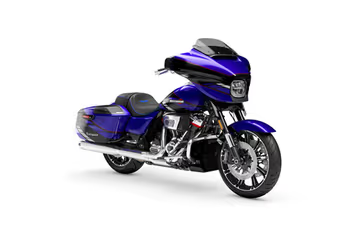
 CVO Street Glide & Road Glide

14.5 pts
Unweighted: 8 advantages
EnginePerformanceDimensionsBrakesTyresFeaturesOther

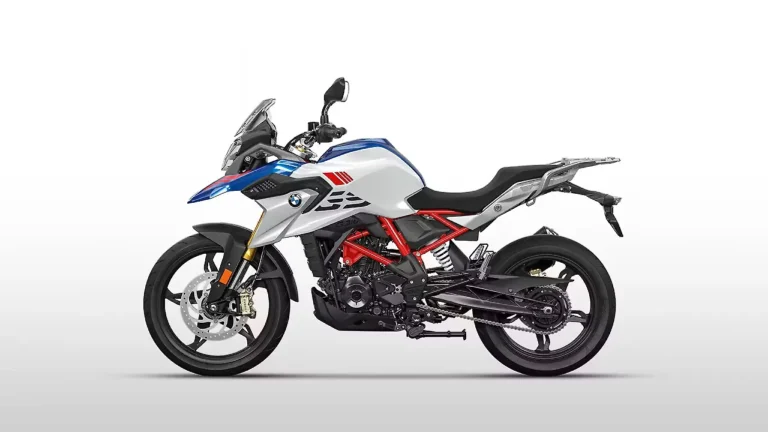
BMW G 310 GS

13.0 pts
Unweighted: 10 advantages
EnginePerformanceDimensionsBrakesTyresFeaturesOther
Specification
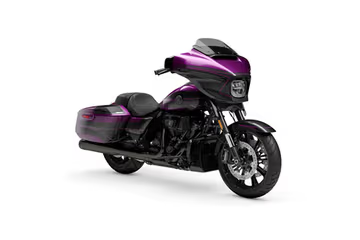
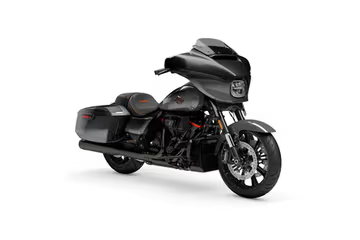
 CVO Street Glide & Road Glide
 CVO Street Glide & Road Glide
Harley Davidson
₹2
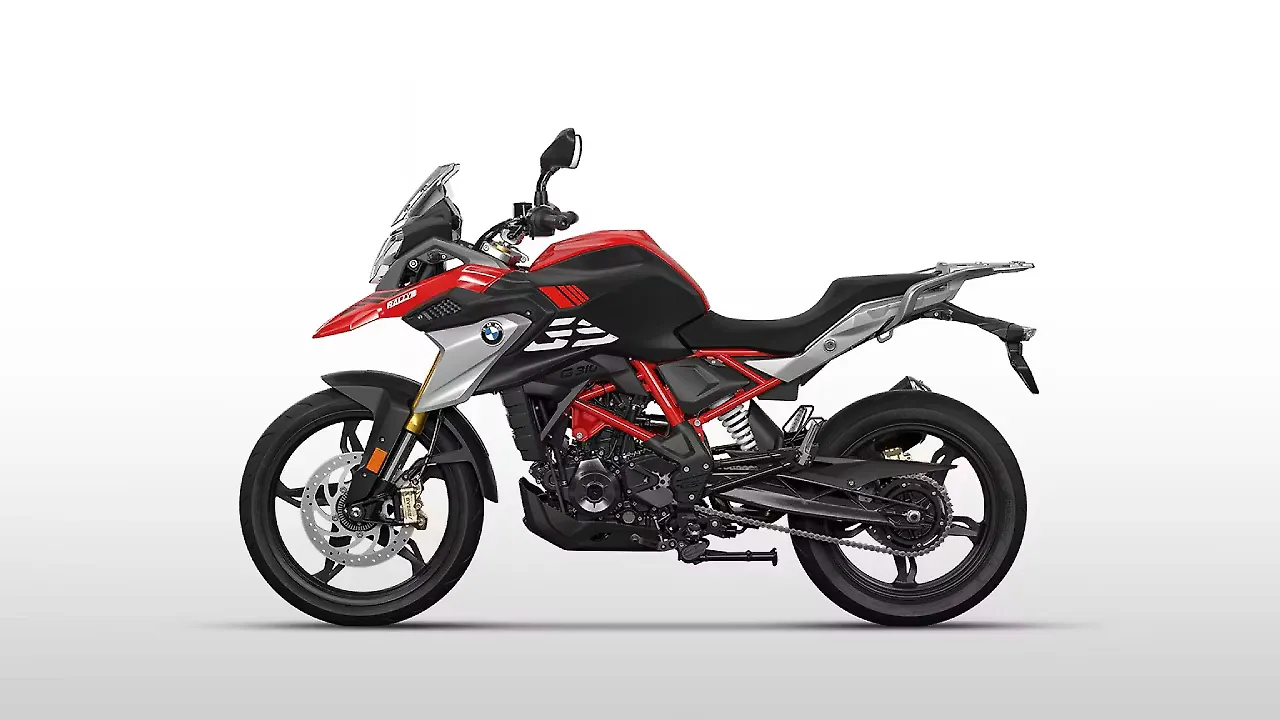
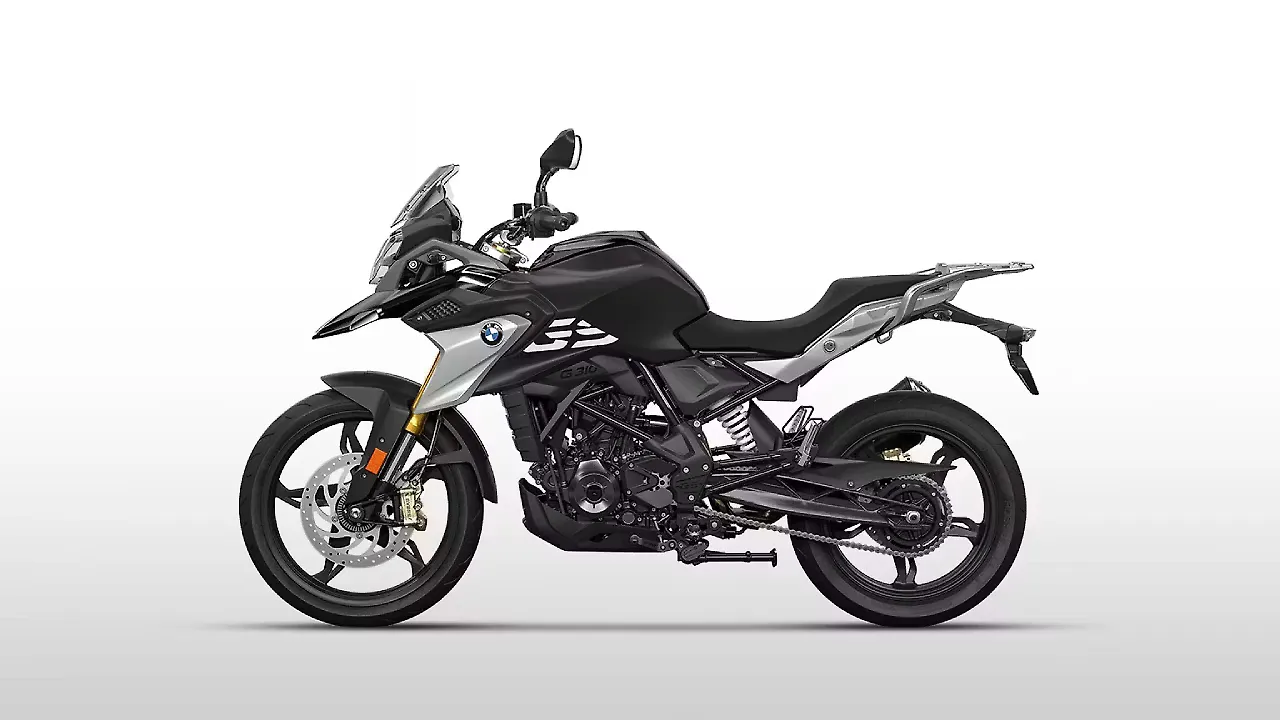
BMW G 310 GS
BMW G 310 GS
BMW

Engine Specifications

Cooling System Air-cooled Liquid cooled system
Displacement 1,977 cc 313 cc
Engine Type Milwaukee-Eight® VVT 121 V-Twin Water-cooled, single-cylinder 4-stroke engine, four valves, two overhead camshafts and finger followers, wet sump lubrication
Power 116.6 PS @ 5020 rpm 34 PS (25 kW) at 9,500 rpm
Torque 189 Nm @ 3,500 rpm 28 Nm at 7,500 rpm

Performance & Efficiency

Fuel Tank Capacity 22.7 litres 11 L
Mileage 30

Dimensions & Weight

Kerb Weight 380 169.5
Seat Height 715 835

Brakes & Suspension

ABS Dual Channel Dual Channel ABS
Front Brake Double Disc Single disc 300 mm with a 4-piston radial caliper
Front Suspension 47 mm Inverted 1x1 Front Forks Upside down fork , Ø 41 mm
Rear Brake Disc Single disc 240 mm with a floating caliper
Rear Suspension Dual adjustable emulsions suspension with remote preload adjustment on the left shock, and threaded preload on the right shock Cast aluminium dual swing arm

Tyres & Wheels

Front Tyre 130/60 B19 110/80 R19
Rear Tyre 180/55 B18 150/70 R17
Tyre Type Tubeless Tubelesss
Wheel Type Cast aluminum Alloy

Features & Technology

Headlight LED (signature lighting) LED

Other Specifications

Battery 12 V / 8 Ah
Bike Image 1 https://motoautiv.com/wp-content/uploads/2025/06/Poison-berry.avif https://motoautiv.com/wp-content/uploads/2025/12/g310gsracingred.webp
Bike Image 2 https://motoautiv.com/wp-content/uploads/2025/06/Raven-fade.avif https://motoautiv.com/wp-content/uploads/2025/12/g310gscosmicblack3.webp
Cluster 312 mm TFT touchscreen Digital
Color Options Raven Fade | #2C2C2E Poison Berry | #8A2F6B Blue Streak | #1F4FA3 Racing Red | #C40000 Cosmic Black 3 | #1A1A1A Polar White with Racing Blue Metallic | #F5F5F5,#003399
Cons Weight Is Always Part of the Experience – Despite refinements to the chassis and engine, these remain large touring motorcycles that require effort when manoeuvring at walking pace or parking. Purchase Price Places Them in a Very Exclusive Segment – The CVO range sits at the top of Harley-Davidson's lineup and costs significantly more than standard touring models. The Size Can Be Limiting in Urban Environments – Dense traffic, narrow roads, and tight parking spaces highlight the physical dimensions of the motorcycles. Premium Paint Requires Care – The complex paint finishes are a major part of the motorcycles' appeal, but they can also make owners more cautious about scratches, chips, and cosmetic damage. Engine Heat Is Still Noticeable in Slow Traffic – Although modern engine management has improved thermal control, a large-capacity V-twin still generates noticeable heat during prolonged stop-and-go riding. Most of Their Strengths Are Best Appreciated on Open Roads – Features such as the fairing, luggage capacity, and touring ergonomics become less relevant during short urban rides. Replacement Parts and Accessories Can Be Expensive – Premium components and model-specific parts typically cost more than those used on standard motorcycles. The Feature List Can Feel Overwhelming to Some Riders – Compared with traditional Harley-Davidsons, the amount of technology and menu-based customization is considerably greater. Seat height of 835 mm may be challenging for shorter riders. Fuel tank is only 11 litres, limiting long-distance touring range. Relatively expensive compared to entry-level adventure bikes in India. Single-cylinder engine vibrations can be felt at higher speeds on long rides. No advanced electronics or ride modes, which some competitors offer at this price point.
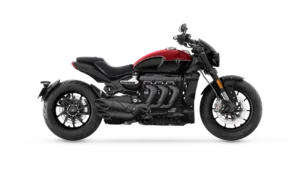
Detailed Overview The CVO Street Glide and CVO Road Glide sit at the top of Harley-Davidson’s touring range. While they share their foundations with the standard Street Glide and Road Glide, the CVO versions are built around a more extensive specification list, additional equipment, and exclusive finishes. Mechanically, the two motorcycles are very closely related, with the main distinction continuing to be the fairing design. The Street Glide uses Harley-Davidson’s Batwing fairing, mounted directly to the forks, while the Road Glide uses the Sharknose fairing that is attached to the frame. That difference affects the appearance of the motorcycles and contributes to subtle changes in steering feel and wind management, but the overall purpose remains the same. At the centre of both motorcycles is the Milwaukee-Eight VVT 121 engine. With a displacement of 1,977cc, it is one of the largest engines currently used in Harley-Davidson’s production motorcycles. Unlike earlier generations of large-capacity V-twins that relied on a relatively fixed valve setup, this engine incorporates Variable Valve Timing (VVT). The system continuously adjusts valve timing depending on engine speed and load, allowing the engine to operate differently across various riding conditions. A six-speed transmission transfers power to the rear wheel, and the engine remains a defining part of the motorcycles’ overall character due to both its size and configuration. The touring chassis underneath is designed around stability, passenger accommodation, and luggage carrying capability. Large dimensions and a substantial wheelbase contribute to the motorcycles’ presence on the road, while suspension components are tuned to support the weight of the machine, rider, passenger, and luggage. The setup is intended to maintain composure during extended highway use rather than prioritize rapid direction changes or sporty handling characteristics. One of the most visible differences between the CVO models and Harley-Davidson’s smaller motorcycles is the level of equipment integrated into the design. Both motorcycles feature hard saddlebags that form part of the bodywork rather than appearing as separate accessories. These storage compartments are designed to carry luggage while maintaining the motorcycles’ touring-focused appearance. Passenger accommodation is also a significant consideration, with large seats and ergonomics developed around long-distance travel. Technology plays a much larger role than it did on Harley-Davidson touring motorcycles of previous generations. A large TFT display serves as the central interface for navigation, vehicle information, media controls, and smartphone connectivity. Riders can interact with various settings through the display, while multiple electronic rider-assistance systems operate in the background. These include cornering-sensitive ABS, traction control, drag-torque slip control, hill-hold control, tyre-pressure monitoring, and selectable ride modes. Rather than existing as isolated features, these systems are integrated into the motorcycle’s broader electronic architecture. The motorcycles carry a fuel tank with a capacity of approximately 22.7 litres, reflecting their intended use as long-distance touring machines. Lighting systems use modern LED technology throughout, while premium audio components are incorporated into the fairing. These audio systems form part of the touring experience and are integrated directly into the motorcycles rather than being added as aftermarket accessories. Although the CVO Street Glide and CVO Road Glide share most of their major specifications, the Batwing and Sharknose fairings remain the defining visual and functional distinction between them. Beyond that difference, both motorcycles combine a large-capacity V-twin engine, touring-oriented chassis, integrated luggage, extensive electronic rider aids, and a substantial amount of onboard technology. Their specifications are arranged around the requirements of long-distance road travel, carrying both rider and passenger while accommodating luggage and electronic conveniences within a single touring platform. The BMW G 310 GS serves as a lightweight entry into the adventure-touring segment, specifically engineered to balance urban agility with light trail capability. At its core is a 313cc, single-cylinder engine featuring a unique “reverse-inclined” layout, which positions the intake at the front and exhaust at the rear to lower the bike’s center of gravity. This liquid-cooled, DOHC unit produces 34 PS of power and 28 Nm of torque, managed through a 6-speed gearbox equipped with an anti-hopping slipper clutch and ride-by-wire throttle for smoother transitions. The chassis is built around a tubular space frame supported by a suspension system designed for high comfort levels on uneven surfaces. It features 41mm upside-down front forks and a rear monoshock, both providing 180mm of travel to effectively absorb road irregularities. The bike rolls on a 19-inch front and 17-inch rear cast aluminum wheel setup, fitted with tubeless radial tyres. Braking is handled by a large 300mm front disc and a 240mm rear disc, both integrated with a dual-channel ABS system for consistent stopping power. Ergonomically, the motorcycle provides an upright, neutral seating position with a standard seat height of 835mm, making it a stable platform for both commuting and touring. With a kerb weight of 175 kg and an 11.5-liter fuel tank, it remains manageable for a variety of riders. The interface includes a full LED lighting package and a functional LCD digital instrument cluster that provides essential ride data at a glance.
Expert Review The CVO Street Glide and CVO Road Glide are less about introducing a fundamentally different riding experience and more about showing what Harley-Davidson's touring platform looks like when fitted with the company's highest-specification components and finishes. Beneath the exclusive paintwork, upgraded audio systems, and model-specific details, both motorcycles retain the core characteristics of Harley-Davidson's touring family. The Milwaukee-Eight VVT 121 engine brings a broader spread of performance than earlier touring engines, while the latest electronics package introduces a level of rider assistance and connectivity that would have been uncommon on Harley-Davidson motorcycles a decade ago. The distinction between the two models still comes primarily from their fairing designs. The Street Glide's fork-mounted Batwing fairing contributes to a different steering feel than the Road Glide's frame-mounted Sharknose setup, and riders often have strong preferences between the two approaches. Beyond that, both motorcycles are shaped by the same priorities: long-distance travel, rider comfort, luggage capacity, and highway stability. Their size, weight, and cost remain significant parts of the ownership experience, and those characteristics are difficult to separate from the motorcycles themselves. Rather than redefining the touring formula, the CVO models refine it through additional equipment, upgraded finishes, and a more comprehensive feature set., 4.7, MotoAutiv Team The BMW G 310 GS is a purposefully engineered adventure tourer that prioritizes mechanical refinement and rider ergonomics over aggressive off-road performance. Its standout feature is a plush, long-travel suspension system that effectively isolates the rider from the harsh irregularities typical of Indian road infrastructure. Complemented by an upright, commanding seating position, the motorcycle offers superior long-distance comfort and high visibility for urban navigation. The 313cc liquid-cooled engine is characterized by a linear power delivery of 34 PS, providing a predictable and manageable experience for intermediate riders. While it maintains highway speeds with ease, high-frequency vibrations at the upper end of the rev range remain a known trait of its single-cylinder configuration. Ultimately, the G 310 GS represents a premium ownership proposition, where the initial build quality and brand prestige are balanced against higher-than-average maintenance costs and a relatively concentrated service network., 4.4, MotoAutiv Team
FAQ (Manual Override) Q: What does CVO stand for? A: CVO stands for Custom Vehicle Operations, Harley-Davidson's factory-custom division responsible for producing limited-production, premium-specification motorcycles. Q: What is the difference between the CVO Street Glide and CVO Road Glide? A: The primary difference is the fairing design. The CVO Street Glide uses a fork-mounted Batwing fairing, while the CVO Road Glide uses a frame-mounted Sharknose fairing. The engine, electronics package, and overall touring purpose are largely similar. Q: Which engine powers the CVO Street Glide and CVO Road Glide? A: Both motorcycles use the Milwaukee-Eight VVT 121 V-twin engine with a displacement of approximately 1,977cc. Q: What does VVT mean? A: VVT stands for Variable Valve Timing, a system that adjusts valve operation to improve performance, efficiency, and torque delivery across different engine speeds. Q: Are the CVO models more powerful than standard Street Glide and Road Glide models? A: Yes. The CVO models receive the larger Milwaukee-Eight VVT 121 engine, while standard models use smaller versions of the Milwaukee-Eight engine. Q: Do the CVO models come with navigation? A: Yes. Both motorcycles feature a large TFT display with integrated navigation, smartphone connectivity, and infotainment functions. Q: Do they have cruise control? A: Yes. Electronic cruise control is standard equipment. Q: Are saddlebags included as standard? A: Yes. Integrated hard saddlebags are part of the standard touring package. Q: What is the fuel tank capacity? A: The fuel tank capacity is approximately 22.7 litres. Q: Do the motorcycles have ride modes? A: Yes. Multiple ride modes are available, allowing riders to alter throttle response and electronic intervention settings. Q: Are the CVO models comfortable for two-up touring? A: Yes. The seating layout, passenger accommodations, luggage capacity, and touring ergonomics are designed with long-distance two-up riding in mind. Q: Do they include rider-assistance systems? A: Yes. Features include cornering-enhanced ABS, traction control, drag-torque slip control, hill-hold control, tyre-pressure monitoring, and other electronic rider aids. Q: What is the approximate kerb weight? A: Depending on specification, the motorcycles weigh approximately 380–400 kg in running condition. Q: Can they be used for daily commuting? A: They can be ridden daily, but their size, weight, and touring-focused design make them better suited to open roads and highway travel than dense urban traffic. Q: What body type do the CVO Street Glide and CVO Road Glide belong to? A: Both are classified as Touring Motorcycles, more specifically Luxury Grand Touring Motorcycles. Q: Are CVO motorcycles limited-production models? A: Yes. CVO motorcycles are produced in smaller numbers than Harley-Davidson's standard models and typically feature exclusive paint schemes, finishes, and equipment packages. Q: What is the mileage of BMW G 310 GS? A: The mileage is approximately 28–30 kmpl. Q: Does BMW G 310 GS have ABS? A: Yes, it comes with dual-channel ABS. Q: Is the BMW G 310 GS suitable for short riders? A: The standard BMW G 310 GS seat height is 835mm, which can be challenging for anyone under 5'7". However, BMW offers a low seat option (820mm), and the bike's narrow profile and light 170kg kerb weight make the BMW G 310 GS easier to balance with one foot down. Q: How much is the annual maintenance cost for a BMW G 310 GS in India? A: Expect to pay between ₹6,000 and ₹10,000 for a standard annual service of the BMW G 310 GS. Major services (every 20,000 km) for the BMW G 310 GS can cost significantly more, sometimes exceeding ₹20,000 if parts like the chain-sprocket or brake pads need replacement. Q: Is the BMW G 310 GS engine reliable for long-distance touring? A: The BMW G 310 GS uses a proven 313cc reverse-inclined engine that manages heat very well.
Fuel System Fuel Injection Electronic fuel injection
Price Variants STD | 6303142 Standard | 324973
Pros Milwaukee-Eight VVT 121 Engine Adds Another Layer of Performance – The 1,977cc engine delivers strong torque throughout the rev range, but the addition of variable valve timing broadens the power delivery compared to Harley-Davidson's previous large-capacity touring engines. Extensive Factory Equipment – Unlike standard touring models that are often customized after purchase, the CVO models arrive with premium audio systems, upgraded finishes, advanced electronics, and exclusive components already fitted. Premium Paint and Finish Quality – The multi-layer paint schemes, intricate graphics, and detailing are among the most elaborate finishes Harley-Davidson applies to production motorcycles. Advanced Touring Technology – Features such as the large TFT display, navigation, ride modes, adaptive rider aids, premium audio systems, and smartphone connectivity form a substantial part of the ownership experience. Long-Distance Comfort Remains a Core Focus – The seating position, wind protection, and touring ergonomics are designed around spending extended periods on the road. Strong Highway Stability – Both motorcycles are developed primarily for highway use, where their weight, chassis, and fairing designs contribute to a planted feel. Integrated Luggage and Touring Practicality – Saddlebags are part of the design rather than an accessory, providing useful storage without altering the motorcycle's appearance. Distinctive Presence Compared With Standard Models – Beyond the paintwork, the wheels, trim pieces, finishes, and component choices make the CVO models visually different from standard Street Glide and Road Glide variants. Compact and lightweight adventure bike, making it very manageable in city traffic and narrow streets. Refined engine that delivers smooth power and strong mid-range torque, perfect for both urban commuting and occasional highway runs. Comfortable long-travel suspension that absorbs potholes and rough Indian roads effectively. Strong and predictable braking with dual-channel ABS for enhanced safety. High-quality build and premium feel typical of BMW motorcycles. Good ergonomics and upright seating that reduce fatigue during longer rides. LED headlight and digital instrument cluster improve visibility and usability. Tubeless radial tyres provide better grip and easier maintenance.
Starter Electric Electric
Transmission 6-speed manual 6-speed manual

If you like what we do, Stay connected with 🚗 Motoautiv.com ⚡

Leave your email 📧 below and Click subscribe Now 🔔✨