Quick Analysis
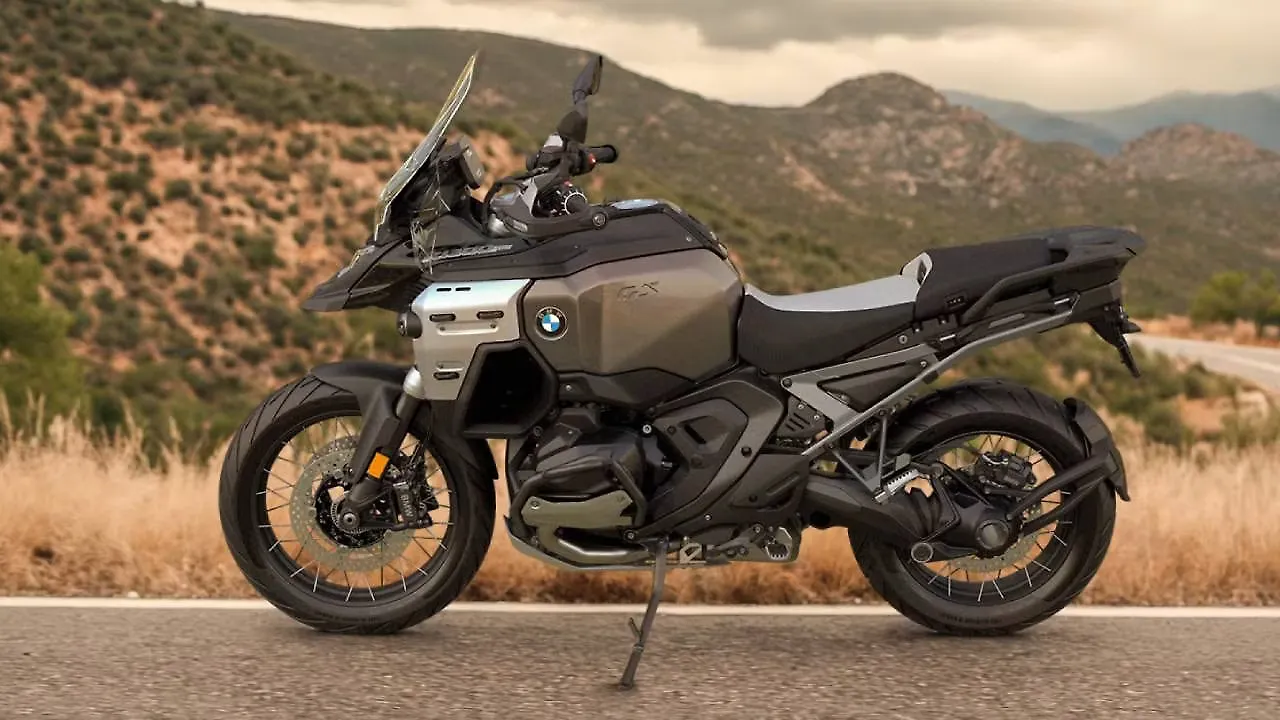
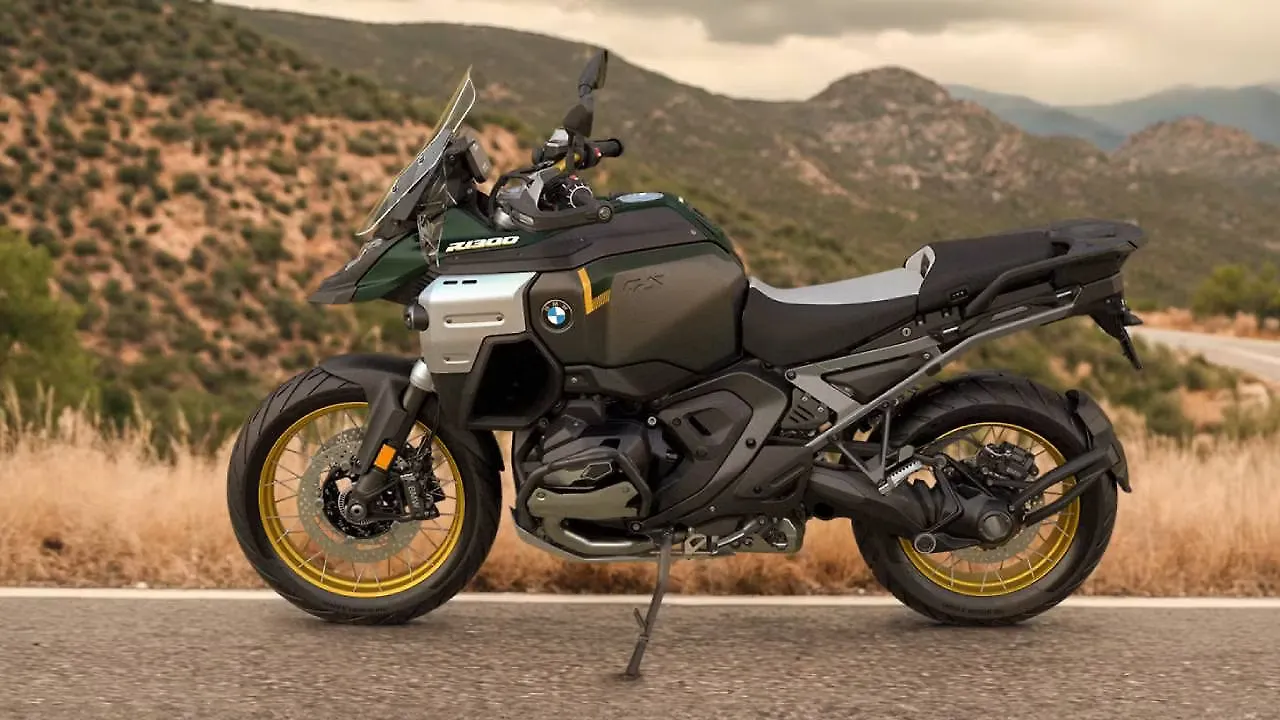
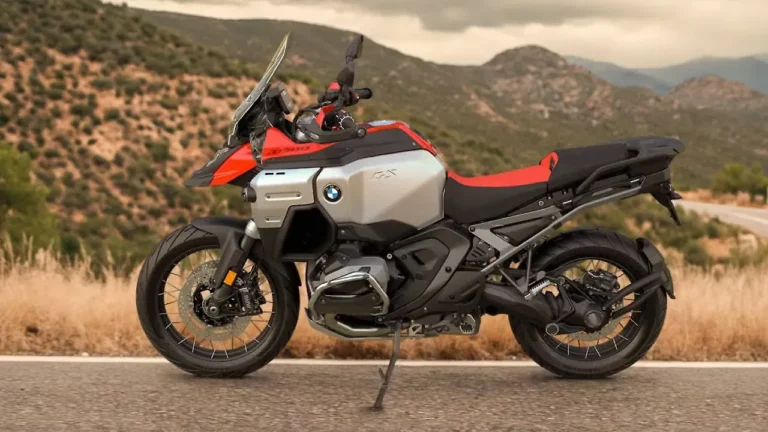
BMW R 1300 GS Adventure
18.0 pts
Unweighted: 13 advantages
EnginePerformanceDimensionsBrakesTyresFeaturesOther
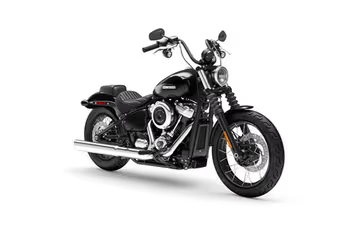
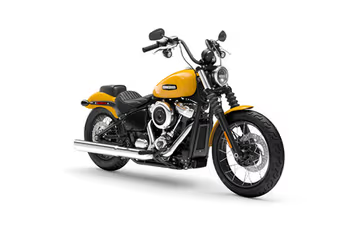
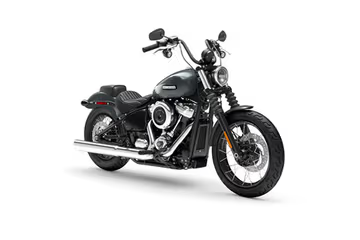
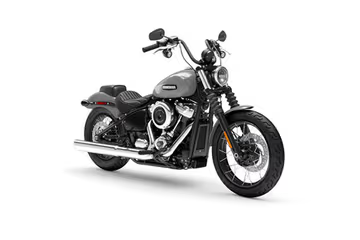
Street Bob 117
8.0 pts
Unweighted: 7 advantages
EnginePerformanceDimensionsBrakesTyresFeaturesOther
| Specification | ||
|---|---|---|
Engine Specifications |
||
| Cooling System | Air + liquid cooled | Air-cooled |
| Displacement | 1,300 cc | 1,923 cc |
| Engine Type | Air Liquid Cooled Two Cylinder Four Stroke Boxer Engine | Milwaukee-Eight™ 117 Classic |
| Power | 143.4 bhp @ 7750 rpm | 91 hp @ 5,020 rpm |
| Torque | 149 Nm @ 6500 rpm | 156 Nm @ 2,750 rpm |
Performance & Efficiency |
||
| Fuel Tank Capacity | 30 L | 13.2 litres |
| Mileage | 21 kmpl | 18.18 Kmpl |
Dimensions & Weight |
||
| Kerb Weight | 269 | 293 |
| Seat Height | 850 | 680 |
Brakes & Suspension |
||
| ABS | Dual Channel ABS | Dual Channel |
| Front Brake | Disc 310 mm Caliper - Front 4 Piston | Disc |
| Front Suspension | Central Shock Absorber | Dual-bending valve 49 mm telescopic with aluminum fork triple clamps; dual rate spring; gaiter covers |
| Rear Brake | Disc 285 mm Caliper - Rear 2 Piston | Disc |
| Rear Suspension | Single-sided Swingarm | Hidden, free piston, coil-over monoshock; 43mm stroke; cam-style preload adjustment |
Tyres & Wheels |
||
| Front Tyre | 120/70 - R19 | 100/90 B19 |
| Rear Tyre | 170/60 - R17 | 150/80 B16 |
| Tyre Type | Tubeless | Tubeless (blackwall bias) |
| Wheel Type | Alloy | Cast Aluminum |
Features & Technology |
||
| Headlight | LED | All LED, low beam, high beam and signature position lamp |
Other Specifications |
||
| Battery | 12 V / 10 Ah | — |
| Bike Image 1 | https://motoautiv.com/wp-content/uploads/2025/12/r1300gsadventureracingbluemetallic.webp | https://motoautiv.com/wp-content/uploads/2025/06/Black.avif |
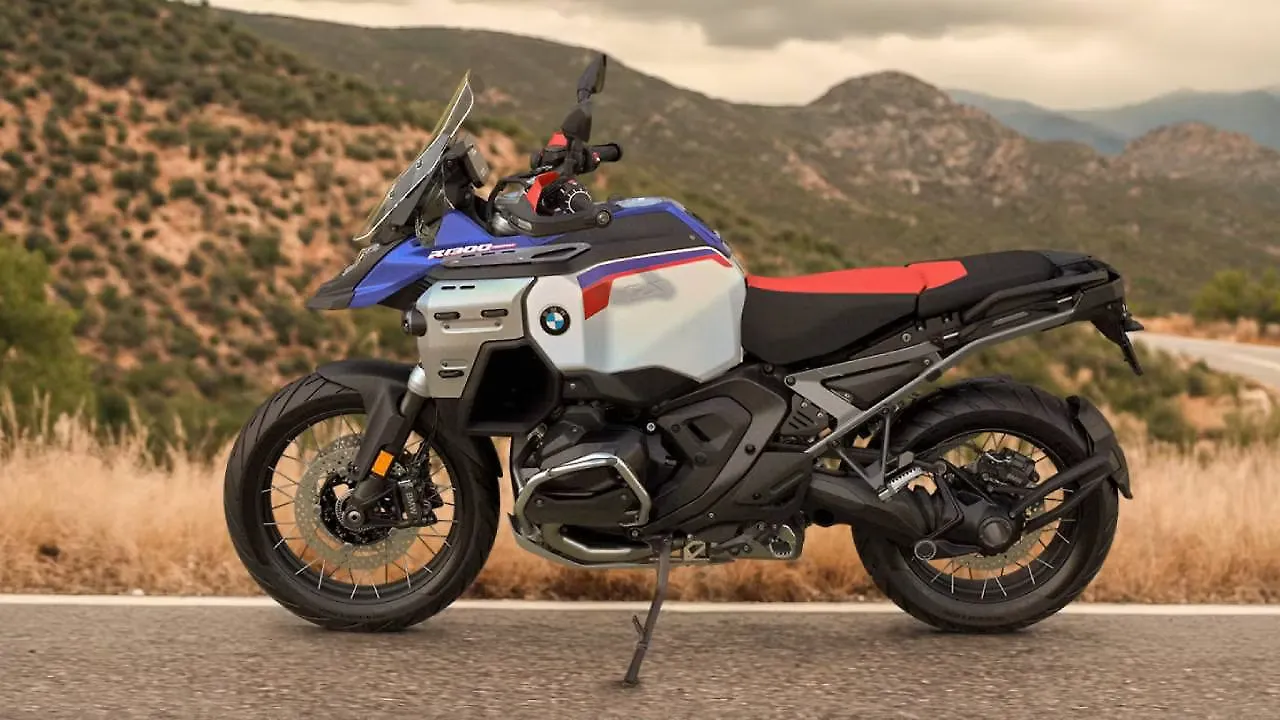
| Bike Image 2 | https://motoautiv.com/wp-content/uploads/2025/12/r1300gsadventuretripleblack.webp | https://motoautiv.com/wp-content/uploads/2025/06/Centerline.avif |
| Bike Image 3 | https://motoautiv.com/wp-content/uploads/2025/12/r1300gsadventureblackandgreywithgold.webp | https://motoautiv.com/wp-content/uploads/2025/06/Horse-Metallic.avif |
| Bike Image 4 | — | https://motoautiv.com/wp-content/uploads/2025/06/Purple.avif |
| Cluster | Digital | — |
| Color Options | Racing red solid paint | #D2111C Triple Black | #0B0B0C Racing Blue Metallic | #005BBB Aurelius Green Metallic Matte | #404F44 | Billiard Gray | #6B7074 Vivid Black | #0F0F10 Centerline | #D8A628 Iron Horse Metallic | #5A5A58 Purple Abyss Denim | #4B3A63 |
| Cons | • High purchase price, especially for top-end variants with optional packages • Heavy at 269 kg, which can challenge beginners or slow-speed maneuvering • Heat from the engine can be noticeable in stop-and-go city traffic • Pillion comfort is good, though dependent on seat setup and accessories • Optional packages significantly increase the overall cost • Bulky dimensions can make narrow roads and tight parking tricky | Limited Touring Comfort – The minimalist approach means there is no wind protection, luggage system, or touring-focused equipment as standard. Single Front Disc Brake Feels Basic for the Performance Available – While adequate for normal riding, some riders may expect a stronger braking setup given the motorcycle's weight and engine output. Minimal Pillion Accommodation – Passenger comfort is limited compared to cruisers and touring motorcycles designed with two-up riding in mind. Wind Fatigue at Highway Speeds – Without a fairing or windscreen, riders are exposed directly to airflow during long highway journeys. Rear Suspension Travel Is Limited – Sharp bumps and poor road surfaces can sometimes be felt more noticeably than on motorcycles with longer-travel suspension. Premium Ownership Costs – Servicing, insurance, accessories, and replacement parts can be expensive compared to middleweight motorcycles. Ground Clearance Limits Aggressive Cornering – Footpegs can touch down relatively early when cornering enthusiastically. Feature List Remains Relatively Simple – The Street Bob focuses more on mechanical character than technology and lacks some of the advanced electronics available on similarly priced motorcycles. Not Ideal for Long-Distance Touring in Standard Form – Riders planning extensive highway travel often add accessories such as windscreens, saddlebags, and upgraded seats. Engine Heat Can Be Noticeable in Traffic – The large air/oil-cooled V-twin can generate noticeable heat during prolonged stop-and-go riding. |
| Detailed Overview | The BMW R 1300 GS Adventure is built around a 1,300 cc twin-cylinder boxer engine incorporating BMW’s ShiftCam technology, which varies valve timing and lift to manage performance and efficiency across different engine speeds. The engine produces approximately 145 hp and 149 Nm of torque and is paired with a 6-speed gearbox. An optional Automated Shift Assistant (ASA) is available, allowing clutchless gear changes depending on configuration. Power delivery is further managed through multiple riding modes, including Road, Rain, Dynamic, Enduro, and Enduro Pro, which adjust throttle response and electronic intervention based on riding conditions. The motorcycle uses a chassis layout that integrates a large-capacity fuel tank of approximately 30 litres, supporting extended riding range. Suspension duties are handled by BMW’s Telelever front system and Paralever rear setup, combined with Dynamic Suspension Adjustment (DSA), which electronically adjusts damping characteristics in real time. This system is designed to accommodate varying terrain, rider input, and load conditions, including luggage and pillion usage. The kerb weight is approximately 269 kg, which contributes to stability at higher speeds while requiring consideration during low-speed maneuvering and stationary handling. Braking is managed by dual front discs and a rear disc, supported by cornering ABS and traction control systems that operate in conjunction with a multi-axis inertial measurement unit (IMU). These systems regulate braking force and wheel slip based on lean angle, speed, and surface conditions. Higher-spec configurations may include radar-based rider assistance systems such as adaptive cruise control, front collision warning, lane-change warning, and rear collision warning, which function to provide additional situational awareness and rider support. Ergonomically, the BMW R 1300 GS Adventure features an upright riding position with a wide handlebar and adjustable windscreen. The seating configuration is designed to accommodate both rider and pillion, with provisions for mounting luggage and touring accessories. The overall dimensions and design influence both long-distance riding comfort and the ability to handle varied terrain, including paved roads and off-road environments. The motorcycle is equipped with a TFT instrument display that provides ride data, navigation integration, and connectivity features through compatible systems. Lighting is fully LED, including advanced headlight configurations that adapt illumination patterns based on riding conditions. Additional electronic systems include cruise control, hill-start assist, and selectable riding parameters that allow customization based on usage requirements. The BMW R 1300 GS Adventure is positioned within the large-capacity adventure touring segment, combining mechanical components and electronic systems intended to support a range of riding scenarios, including long-distance travel, highway use, and off-road riding. | The Harley-Davidson Street Bob is part of the company’s Softail family and follows a traditional bobber-inspired design philosophy. Compared to Harley-Davidson’s touring motorcycles, the Street Bob adopts a much simpler layout, with minimal bodywork, a compact fuel tank, and fewer touring-oriented components. Its design emphasizes exposed mechanical elements and a stripped-back appearance, characteristics that have long been associated with the bobber style of motorcycle. The result is a motorcycle that appears visually lighter and less complex than many other large-capacity cruisers in the Harley-Davidson range. Power comes from the Milwaukee-Eight 117 engine, a large-displacement V-twin that serves as the centerpiece of the motorcycle. The engine is designed to produce strong torque at relatively low engine speeds, which influences the motorcycle’s riding characteristics. Rather than relying on high engine revolutions to generate performance, the power delivery is concentrated lower in the rev range. The engine is paired with a six-speed transmission that allows relaxed cruising at highway speeds while keeping engine speeds relatively low. Fuel injection is used to manage fuel delivery and throttle response across different riding conditions. The Street Bob is built around Harley-Davidson’s Softail chassis architecture. A key feature of this platform is the hidden rear monoshock suspension, which allows the motorcycle to retain the appearance of a traditional hardtail frame while still providing rear suspension travel. Front suspension duties are handled by conventional telescopic forks. This combination contributes to the motorcycle’s low-slung profile while maintaining the suspension functionality expected from a modern road-going motorcycle. Braking is managed through a single disc brake at the front and a rear disc brake at the back. Modern versions of the Street Bob also incorporate electronic rider-assistance systems, including ABS and traction control. Depending on market and model year, additional rider aids such as selectable riding modes and cornering-sensitive electronic systems may also be available. These systems are designed to assist with braking and traction management under different riding conditions. One of the defining characteristics of the Street Bob is its riding position. The motorcycle uses mid-mounted foot controls and mini ape-hanger handlebars, creating an upright seating posture that differs from the feet-forward layout commonly found on some larger cruisers. The seat height is relatively low, allowing many riders to place their feet comfortably on the ground when stationary. This low seating position also contributes to the motorcycle’s overall visual stance. The Street Bob uses a 13.2-litre fuel tank integrated into its compact design. While smaller than the fuel tanks found on dedicated touring motorcycles, the tank size is consistent with the motorcycle’s bobber-inspired layout. The minimalist approach extends to the bodywork, where components such as the front fender, rear section, and side panels are kept relatively compact. Lighting is provided through LED units, contributing to visibility while maintaining a modern specification. Instrumentation is intentionally simple compared to Harley-Davidson’s touring motorcycles. Instead of a large infotainment system or touchscreen display, the Street Bob uses a compact digital display for essential riding information. This setup aligns with the motorcycle’s stripped-back character and keeps the focus on core riding functions rather than extensive electronic interfaces. With its Milwaukee-Eight 117 V-twin engine, Softail chassis, hidden rear suspension, low seat height, and minimalist bodywork, the Harley-Davidson Street Bob represents a modern interpretation of the traditional bobber concept. The motorcycle combines contemporary engineering and electronic safety systems with a design approach that emphasizes simplicity, exposed mechanical components, and classic cruiser proportions. |
| Expert Review | The BMW R 1300 GS Adventure is powered by a 1,300 cc boxer engine that delivers strong torque across a broad rev range, influencing its performance in both highway and off-road conditions. It features a semi-active suspension system that adapts to varying terrain and load conditions, along with multiple riding modes that modify throttle response and electronic intervention. The chassis and large fuel tank contribute to stability and extended range, while also affecting maneuverability at low speeds due to its size and weight. Braking and safety systems include cornering ABS, traction control, and optional radar-based rider aids integrated through a multi-axis IMU. The upright ergonomics, wide handlebar, and windscreen are configured for long-distance riding and touring use. The overall setup reflects a combination of mechanical capability and electronic support designed for mixed-terrain applications., 4.1, MotoAutiv Team | The Street Bob is arguably one of the purest motorcycles in Harley-Davidson's current lineup. Unlike the company's touring models that surround the rider with screens, luggage, and electronics, the Street Bob keeps the experience relatively simple. The focus here is on the Milwaukee-Eight 117 engine and the riding character that comes with it. The motor produces effortless torque from almost any rpm, which means the bike rarely feels like it's working hard, whether it's pulling away from a traffic light or cruising on an open road. Its lighter weight compared to Harley's larger cruisers and tourers also makes it feel more approachable and easier to live with on a daily basis. At the same time, the stripped-back design brings compromises. Wind protection is nonexistent, passenger comfort is limited, and longer highway rides can become tiring in stock form. The Street Bob isn't trying to be a do-everything motorcycle, it leans heavily into the traditional bobber formula. For riders who value engine character, simplicity, and customization potential over technology and touring equipment, that focused approach is exactly what defines the motorcycle., 4.4, MotoAutiv Team |
| FAQ (Manual Override) | Q: What is the engine capacity and configuration of the BMW R 1300 GS Adventure? A: The BMW R 1300 GS Adventure is powered by a 1,300 cc twin-cylinder boxer engine featuring BMW’s ShiftCam technology, designed to optimize performance and efficiency across different engine speeds. Q: What is the engine capacity and configuration of the BMW R 1300 GS Adventure? A: The BMW R 1300 GS Adventure is powered by a 1,300 cc twin-cylinder boxer engine featuring BMW’s ShiftCam technology, designed to optimize performance and efficiency across different engine speeds. Q: How much power does the BMW R 1300 GS Adventure produce? A: The BMW R 1300 GS Adventure produces approximately 145 hp at 7,750 rpm, delivering strong performance for highway cruising and off-road riding conditions. Q: What is the torque output of the BMW R 1300 GS Adventure? A: The BMW R 1300 GS Adventure generates around 149 Nm of peak torque at 6,500 rpm, contributing to strong low- and mid-range performance. Q: What riding modes are available in the BMW R 1300 GS Adventure? A: The BMW R 1300 GS Adventure offers multiple riding modes including Rain, Road, Dynamic, Enduro, and Enduro Pro, with additional customization available depending on selected packages. | Q: What type of motorcycle is the Harley-Davidson Street Bob? A: The Street Bob is classified as a bobber-style cruiser motorcycle, featuring minimalist styling, a low stance, and a torque-focused V-twin engine. Q: Which engine powers the Street Bob? A: The latest model uses the Milwaukee-Eight 117 V-twin engine paired with a 6-speed gearbox. Q: Is the Street Bob suitable for beginners? A: While the low seat height can make it approachable, the engine size, torque output, and overall weight mean it is generally better suited to riders with some experience. Q: What is the seat height of the Street Bob? A: The seat height is approximately 680 mm, making it one of the more accessible motorcycles in Harley-Davidson's lineup. Q: Does the Street Bob have cruise control? A: Depending on model year and market specification, cruise control may be available as standard or optional equipment. Q: Is the Street Bob comfortable for long-distance touring? A: It can handle longer rides, but the lack of wind protection and limited touring equipment means many owners add accessories such as windscreens and luggage. Q: Does the Street Bob have riding modes? A: Recent versions include selectable ride modes and modern electronic rider-assistance systems. Q: What is the fuel tank capacity of the Street Bob? A: The motorcycle is equipped with a fuel tank of approximately 13.2 litres. Q: Is the Street Bob good for city riding? A: Its low seat height and strong low-end torque make urban riding manageable, although its weight can still be noticeable in congested conditions. Q: How is the Street Bob different from the Fat Bob? A: The Street Bob follows a minimalist bobber philosophy, while the Fat Bob features more aggressive styling, dual front disc brakes, wider tyres, and a more performance-oriented character. Q: Does the Street Bob have a passenger seat? A: Some variants are sold with a solo-seat appearance, though passenger seating can be fitted depending on specification and accessories. Q: What is the kerb weight of the Harley-Davidson Street Bob? A: The motorcycle weighs approximately 290–300 kg in running condition, depending on specification. Q: Does the Street Bob support smartphone connectivity? A: The feature set is intentionally simple compared to Harley's touring models, so smartphone integration varies by market and model year. Q: What makes the Street Bob popular among custom builders? A: Its stripped-back design, exposed mechanical components, and extensive aftermarket support make it a common platform for personalization and custom builds. Q: Is the Street Bob a cruiser or a touring motorcycle? A: It is a cruiser, more specifically a bobber-style cruiser, designed around simplicity, styling, and V-twin character rather than touring-focused comfort and equipment. |
| Fuel System | Electronic fuel injection | Fuel Injection |
| Price Variants | (Racing Red) | 2575000 | Disc Brakes, Alloy Wheels Triple Black | 2690000 | Disc Brakes, Alloy Wheels GS Trophy | 2715000 | Disc Brakes, Alloy Wheels Option 719 | 2930000 | Disc Brakes, Alloy Wheels | STD | 2023000 |
| Pros | • Powerful and smooth 1,300 cc boxer engine with broad torque for effortless acceleration • Optional automated shift assistant (ASA) for clutchless operation • Advanced electronics including dynamic cruise, cornering ABS, traction control, and optional radar-based safety aids • Adaptive and semi-active suspension delivers exceptional comfort and stability on both tarmac and off-road • Multiple style variants (Triple Black, GS Trophy, Option 719, etc.) • Excellent wind protection and ergonomic layout for long-distance touring • High-quality build and premium materials throughout • Large fuel tank offers extended range for adventure rides • Stable and controlled handling for its size | Authentic Bobber Character – The stripped-back styling, mini ape-hanger handlebars, solo-style look, and minimal bodywork give the Street Bob a traditional bobber personality without excessive visual clutter. Strong Milwaukee-Eight 117 Engine – The large V-twin produces substantial torque from low revs, allowing relaxed acceleration and effortless overtakes without needing to constantly work through the gearbox. Lighter Than Harley's Touring Models – Compared to motorcycles such as the Street Glide or Road Glide, the Street Bob feels noticeably less intimidating and easier to manage. Simple, Rider-Focused Design – The motorcycle avoids excessive bodywork and touring equipment, resulting in a cleaner and more direct riding experience. Comfortable for Short and Medium-Distance Riding – The relaxed ergonomics and low seat height make the motorcycle approachable and easy to ride in a variety of conditions. Strong Customisation Potential – The Street Bob is often used as a starting point for custom builds thanks to its minimalist design and extensive aftermarket support. Good Low-Speed Rideability – The torque-rich engine and predictable throttle response make city riding and low-speed manoeuvres easier than the motorcycle's engine size might suggest. Distinctive Harley-Davidson Presence – The combination of styling, engine character, and riding position gives the Street Bob a personality that is immediately recognizable. |
| Starter | Electric | Self Start |
| Transmission | 6 Speed Manual | 6-speed manual |