VS

Quick Analysis

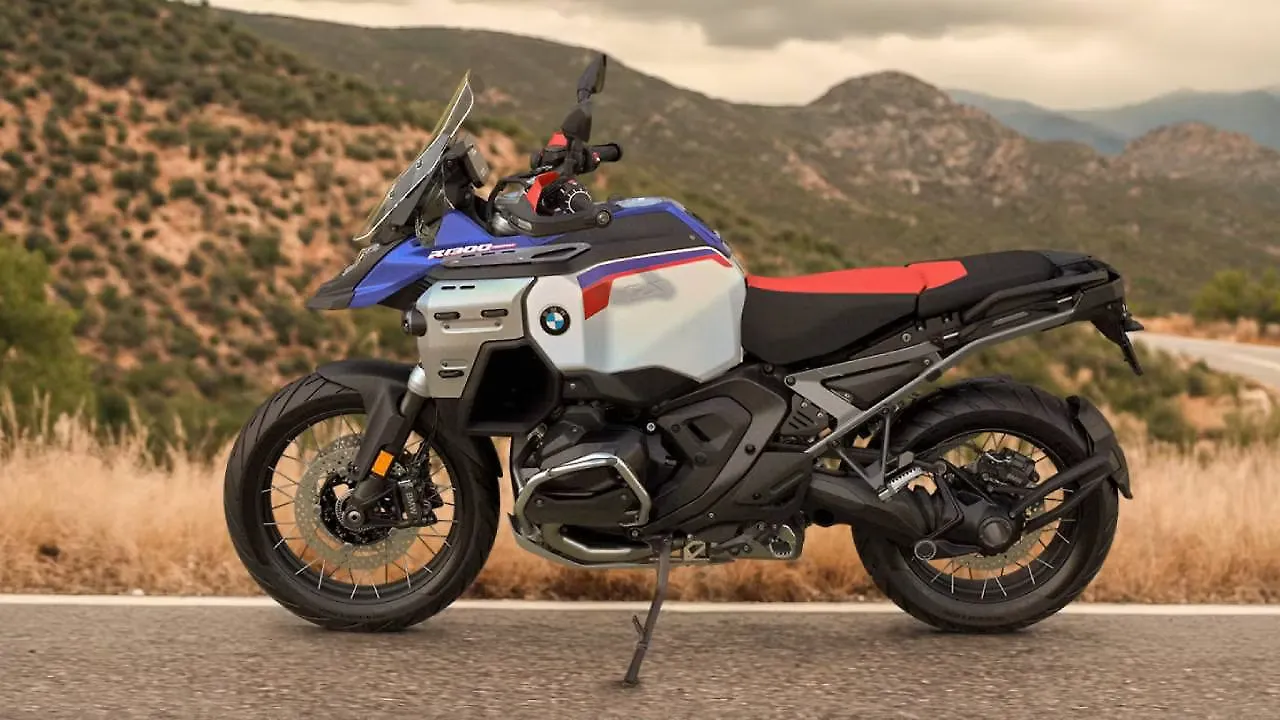
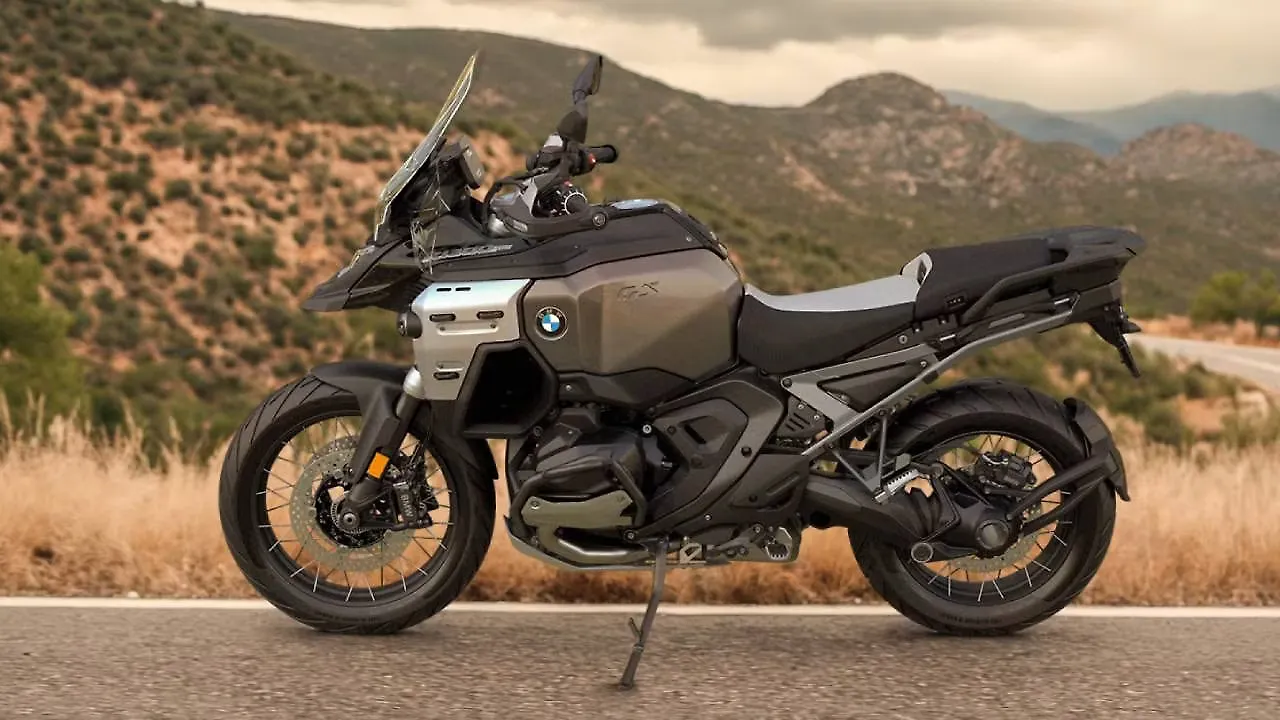
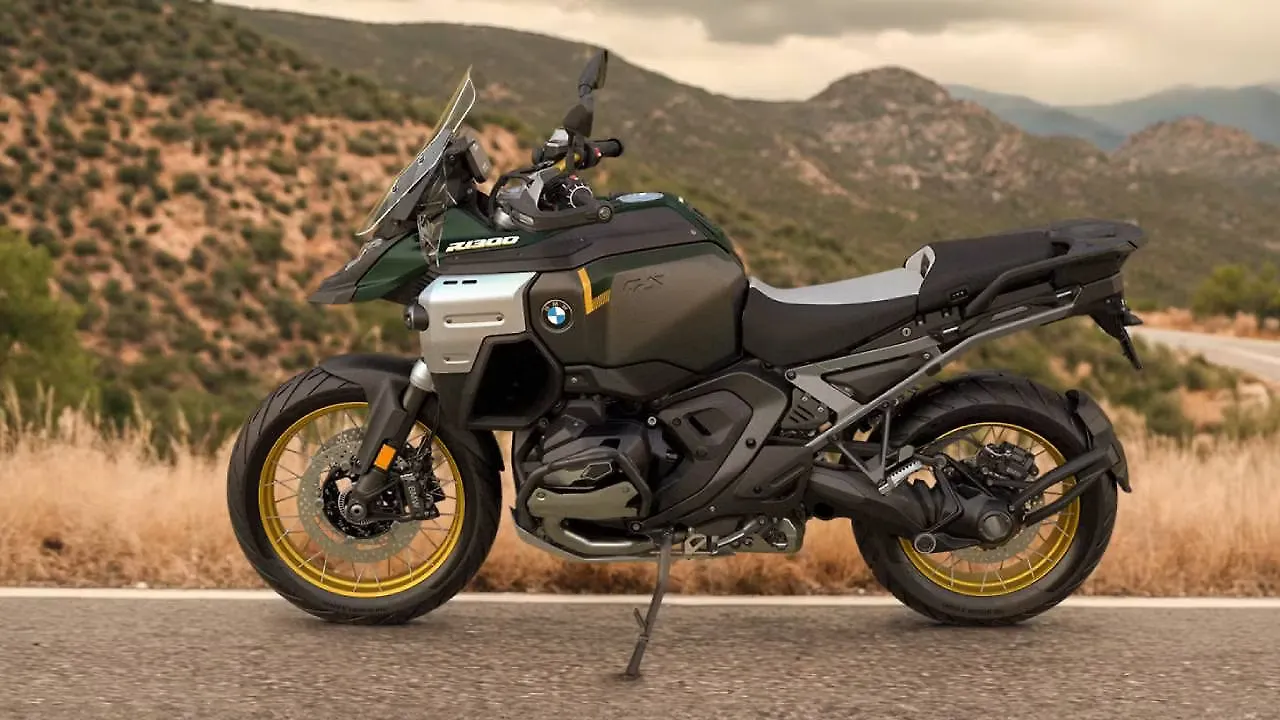
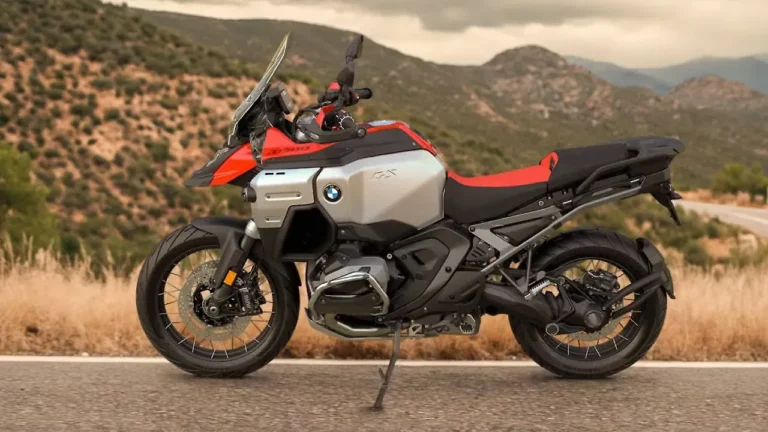
BMW R 1300 GS Adventure

17.5 pts
Unweighted: 12 advantages
EnginePerformanceDimensionsBrakesTyresFeaturesOther

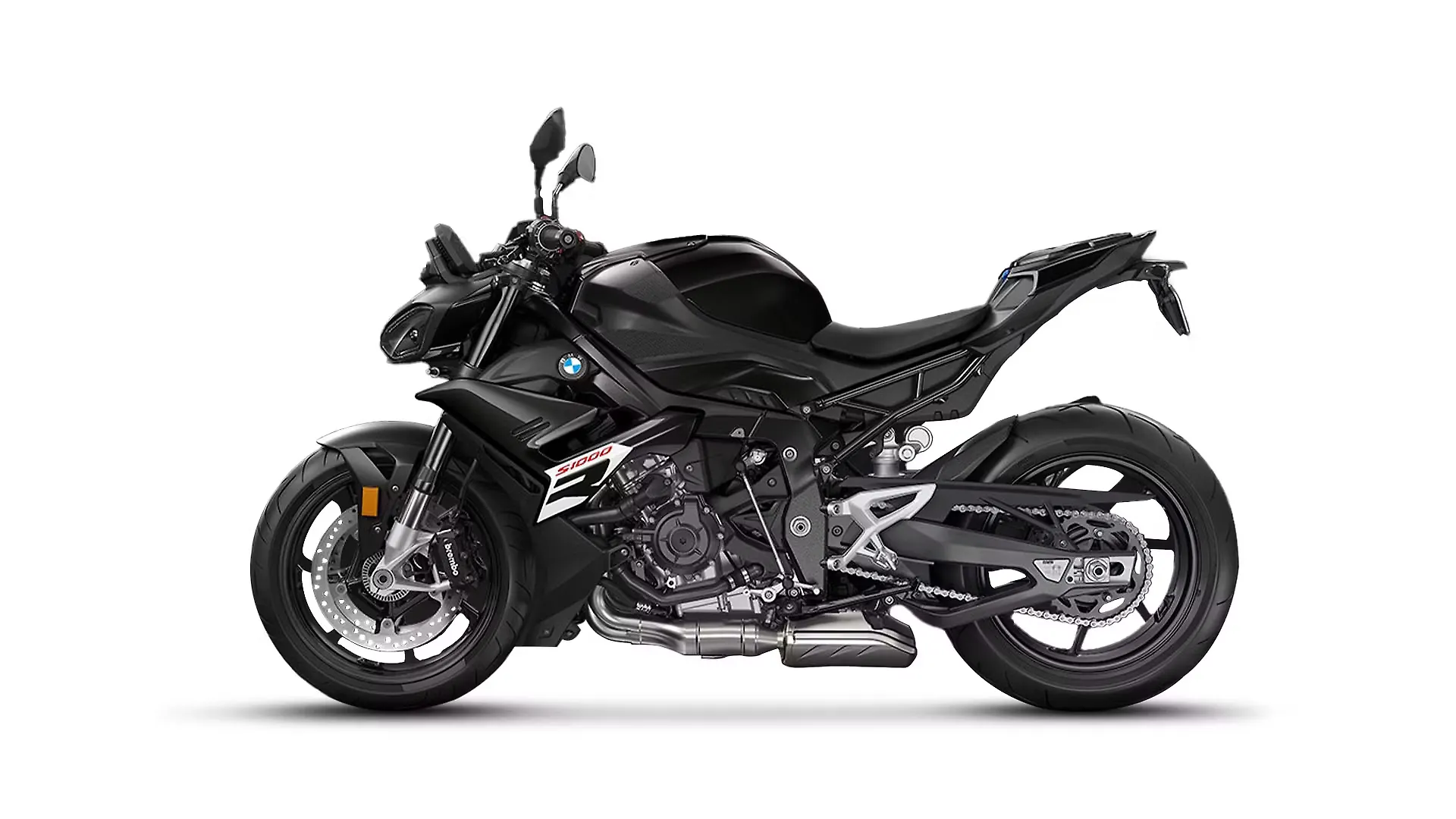
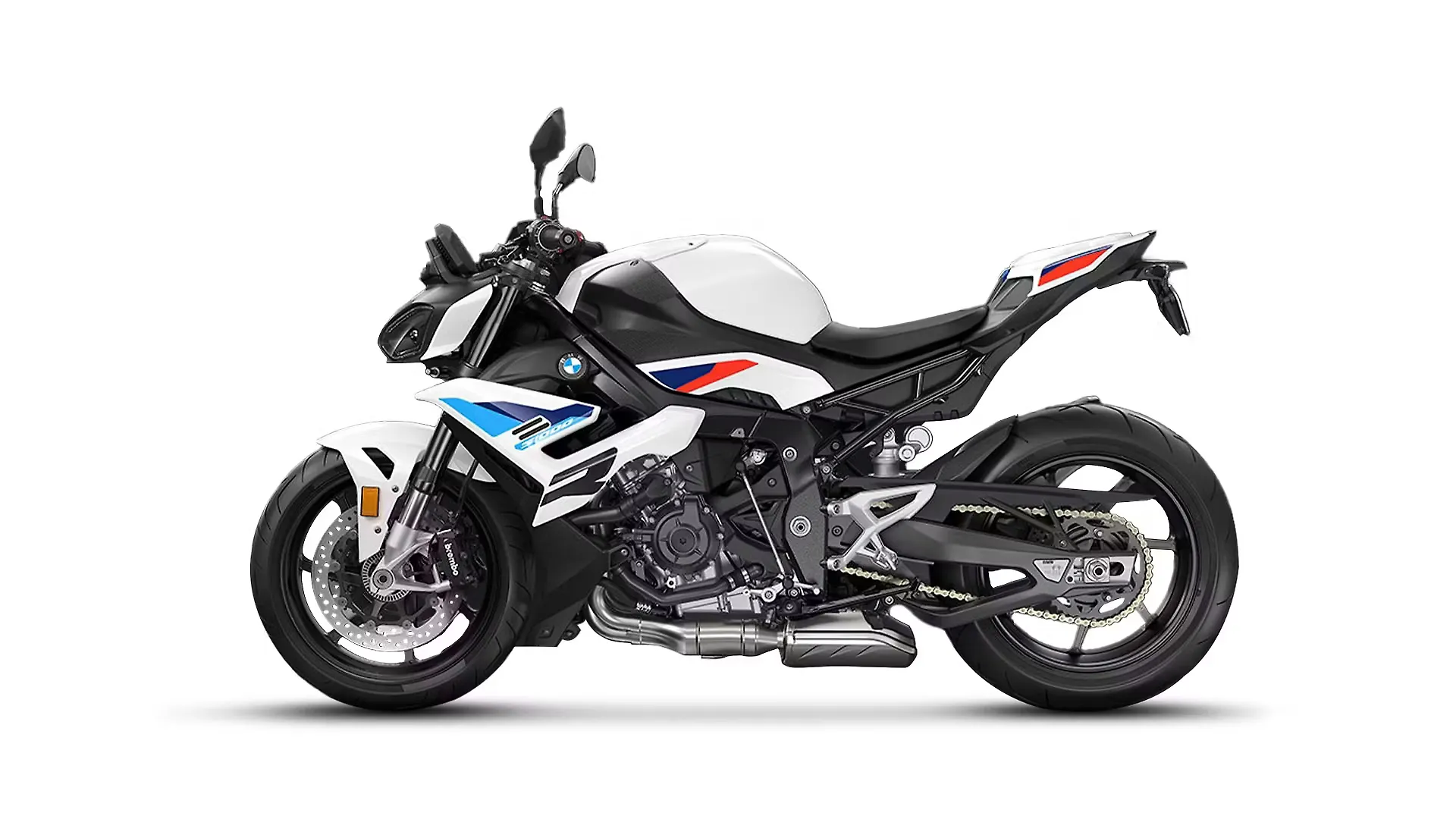
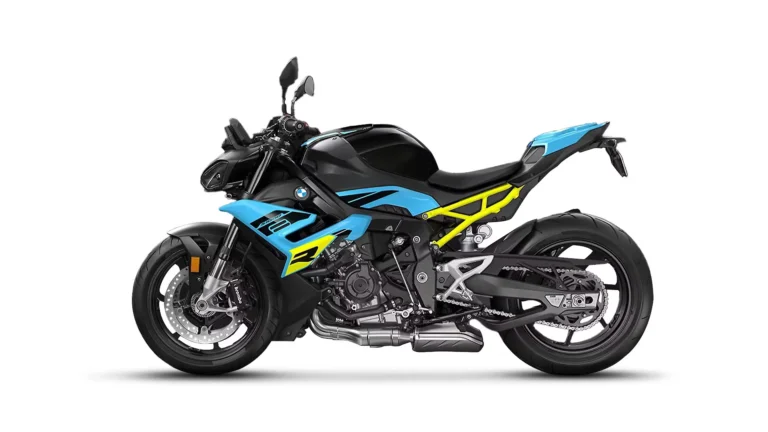
BMW S 1000 R

9.5 pts
Unweighted: 5 advantages
EnginePerformanceDimensionsBrakesTyresFeaturesOther
Specification
BMW R 1300 GS Adventure
BMW
BMW S 1000 R
BMW S 1000 R
BMW

Engine Specifications

Cooling System Air + liquid cooled Oil/water cooling
Displacement 1,300 cc 999 cc
Engine Type Air Liquid Cooled Two Cylinder Four Stroke Boxer Engine four-cylinder, four-stroke inline engine with four valves per cylinder
Power 143.4 bhp @ 7750 rpm 125 kW (170 hp) at 11,000 rpm
Torque 149 Nm @ 6500 rpm 114 Nm @ 9,250 rpm

Performance & Efficiency

Fuel Tank Capacity 30 L 16.5 L
Mileage 21 kmpl 16 kmpl

Dimensions & Weight

Kerb Weight 269 199
Seat Height 850 830

Brakes & Suspension

ABS Dual Channel ABS Dual Channel ABS
Front Brake Disc 310 mm Caliper - Front 4 Piston Disc Front Brake Size 320 mm Caliper - Front 4 Piston
Front Suspension Central Shock Absorber Upside-down telescopic fork, diameter 45 mm, spring preload, rebound and compression stages adjustable
Rear Brake Disc 285 mm Caliper - Rear 2 Piston Disc Rear Brake Size 220 mm Caliper - Rear 1 Piston
Rear Suspension Single-sided Swingarm Aluminium swing arm, full floater pro, compression and rebound damping adjustable, adjustable spring preload

Tyres & Wheels

Front Tyre 120/70 - R19 120/70 - ZR17
Rear Tyre 170/60 - R17 190/55 - ZR17
Tyre Type Tubeless Tubeless
Wheel Type Alloy Alloy

Features & Technology

Headlight LED LED

Other Specifications

Battery 12 V / 10 Ah 12 V / 8 Ah
Bike Image 1 https://motoautiv.com/wp-content/uploads/2025/12/r1300gsadventureracingbluemetallic.webp https://motoautiv.com/wp-content/uploads/2025/12/s1000rblackstormmetallic.webp
Bike Image 2 https://motoautiv.com/wp-content/uploads/2025/12/r1300gsadventuretripleblack.webp https://motoautiv.com/wp-content/uploads/2025/12/s1000rlightwhitemmotorsport.webp
Bike Image 3 https://motoautiv.com/wp-content/uploads/2025/12/r1300gsadventureblackandgreywithgold.webp
Cluster Digital Fully digital display with speedometer, tachometer, ride data
Color Options Racing red solid paint | #D2111C Triple Black | #0B0B0C Racing Blue Metallic | #005BBB Aurelius Green Metallic Matte | #404F44 Blackstorm metallic | #1B1B1B Light white | #1E3A8A, #F5F5F5 Bluefire/Mugiallo Yellow | #00ABED, #FFD700
Cons • High purchase price, especially for top-end variants with optional packages • Heavy at 269 kg, which can challenge beginners or slow-speed maneuvering • Heat from the engine can be noticeable in stop-and-go city traffic • Pillion comfort is good, though dependent on seat setup and accessories • Optional packages significantly increase the overall cost • Bulky dimensions can make narrow roads and tight parking tricky Real-world mileage is low, especially in city conditions Heat management in traffic can be noticeable Premium pricing compared to some rivals Firm suspension may feel stiff on rough Indian roads Limited pillion comfort for longer rides Maintenance and service costs are on the higher side for BMW motorcycles
Detailed Overview The BMW R 1300 GS Adventure is built around a 1,300 cc twin-cylinder boxer engine incorporating BMW’s ShiftCam technology, which varies valve timing and lift to manage performance and efficiency across different engine speeds. The engine produces approximately 145 hp and 149 Nm of torque and is paired with a 6-speed gearbox. An optional Automated Shift Assistant (ASA) is available, allowing clutchless gear changes depending on configuration. Power delivery is further managed through multiple riding modes, including Road, Rain, Dynamic, Enduro, and Enduro Pro, which adjust throttle response and electronic intervention based on riding conditions. The motorcycle uses a chassis layout that integrates a large-capacity fuel tank of approximately 30 litres, supporting extended riding range. Suspension duties are handled by BMW’s Telelever front system and Paralever rear setup, combined with Dynamic Suspension Adjustment (DSA), which electronically adjusts damping characteristics in real time. This system is designed to accommodate varying terrain, rider input, and load conditions, including luggage and pillion usage. The kerb weight is approximately 269 kg, which contributes to stability at higher speeds while requiring consideration during low-speed maneuvering and stationary handling. Braking is managed by dual front discs and a rear disc, supported by cornering ABS and traction control systems that operate in conjunction with a multi-axis inertial measurement unit (IMU). These systems regulate braking force and wheel slip based on lean angle, speed, and surface conditions. Higher-spec configurations may include radar-based rider assistance systems such as adaptive cruise control, front collision warning, lane-change warning, and rear collision warning, which function to provide additional situational awareness and rider support. Ergonomically, the BMW R 1300 GS Adventure features an upright riding position with a wide handlebar and adjustable windscreen. The seating configuration is designed to accommodate both rider and pillion, with provisions for mounting luggage and touring accessories. The overall dimensions and design influence both long-distance riding comfort and the ability to handle varied terrain, including paved roads and off-road environments. The motorcycle is equipped with a TFT instrument display that provides ride data, navigation integration, and connectivity features through compatible systems. Lighting is fully LED, including advanced headlight configurations that adapt illumination patterns based on riding conditions. Additional electronic systems include cruise control, hill-start assist, and selectable riding parameters that allow customization based on usage requirements. The BMW R 1300 GS Adventure is positioned within the large-capacity adventure touring segment, combining mechanical components and electronic systems intended to support a range of riding scenarios, including long-distance travel, highway use, and off-road riding. The BMW S 1000 R is a high-performance naked motorcycle, often called a “Roadster,” that adapts the mechanical DNA of a superbike for street use. At its core is a 999cc liquid-cooled, four-cylinder inline engine that has been updated for 2026 to produce 170 hp at 11,000 rpm and 114 Nm of torque at 9,250 rpm. This power is managed through a six-speed gearbox and a new M Quick Action throttle, which features a reduced rotation angle of 58 degrees to provide a more immediate response when accelerating. Unlike its track-oriented siblings, this engine is tuned to deliver more pull in the mid-range, making it better suited for overtaking and varied speeds on public roads. The bike is built around an aluminum bridge-type frame where the engine serves as a load-bearing component to save weight. This helps the S 1000 R achieve a relatively light kerb weight of 199 kg, including a full 16.5-litre fuel tank. The suspension consists of 45 mm upside-down front forks and a rear aluminum swingarm with a central shock; both ends offer full adjustability for preload and damping. For braking, the motorcycle utilizes twin 320 mm front discs with four-piston radial calipers and a single 220 mm rear disc, all supported by a lean-angle sensitive ABS Pro system that prevents wheel lock-up even while the bike is cornering. The electronics are centered on a 6.5-inch full-color TFT display that includes Bluetooth connectivity for turn-by-turn navigation and media control. It comes equipped with four standard riding modes – Rain, Road, Dynamic, and Dynamic Pro—which allow the rider to adjust the intervention levels of the traction control, wheelie control, and engine braking. Physically, the bike has a seat height of 830 mm, which provides an upright and natural riding position compared to a sportbike. It features a new split-LED headlight design for better nighttime visibility and LED indicators integrated into the mirrors or tail section depending on the specific trim. This combination of a 1,450 mm wheelbase and sharp geometry is designed to offer a balance of high-speed stability and quick flickability through corners
Expert Review The BMW R 1300 GS Adventure is powered by a 1,300 cc boxer engine that delivers strong torque across a broad rev range, influencing its performance in both highway and off-road conditions. It features a semi-active suspension system that adapts to varying terrain and load conditions, along with multiple riding modes that modify throttle response and electronic intervention. The chassis and large fuel tank contribute to stability and extended range, while also affecting maneuverability at low speeds due to its size and weight. Braking and safety systems include cornering ABS, traction control, and optional radar-based rider aids integrated through a multi-axis IMU. The upright ergonomics, wide handlebar, and windscreen are configured for long-distance riding and touring use. The overall setup reflects a combination of mechanical capability and electronic support designed for mixed-terrain applications., 4.1, MotoAutiv Team The BMW S 1000 R stands out in the Indian market as a highly accessible "super-naked" that balances raw performance with genuine everyday usability. Its revised 170 hp inline-four engine delivers a linear power spread that feels more manageable on our varied road surfaces compared to more aggressive V4 rivals. The bike’s relatively low kerb weight and compact chassis make it surprisingly agile for filtering through city traffic, while the inclusion of features like cruise control and heated grips adds a level of touring comfort rarely seen in this segment. However, the 140 mm ground clearance remains a point of caution for taller speed breakers, and the premium pricing for optional packages can quickly push it into a much higher bracket. Service accessibility is also restricted to major metropolitan hubs, which is a significant consideration for those planning long-distance rides across the country. Ultimately, it offers a refined and tech-heavy experience that bridges the gap between a focused track machine and a practical street fighter., 4.3, MotoAutiv Team
FAQ (Manual Override) Q: What is the engine capacity and configuration of the BMW R 1300 GS Adventure? A: The BMW R 1300 GS Adventure is powered by a 1,300 cc twin-cylinder boxer engine featuring BMW’s ShiftCam technology, designed to optimize performance and efficiency across different engine speeds. Q: What is the engine capacity and configuration of the BMW R 1300 GS Adventure? A: The BMW R 1300 GS Adventure is powered by a 1,300 cc twin-cylinder boxer engine featuring BMW’s ShiftCam technology, designed to optimize performance and efficiency across different engine speeds. Q: How much power does the BMW R 1300 GS Adventure produce? A: The BMW R 1300 GS Adventure produces approximately 145 hp at 7,750 rpm, delivering strong performance for highway cruising and off-road riding conditions. Q: What is the torque output of the BMW R 1300 GS Adventure? A: The BMW R 1300 GS Adventure generates around 149 Nm of peak torque at 6,500 rpm, contributing to strong low- and mid-range performance. Q: What riding modes are available in the BMW R 1300 GS Adventure? A: The BMW R 1300 GS Adventure offers multiple riding modes including Rain, Road, Dynamic, Enduro, and Enduro Pro, with additional customization available depending on selected packages. Q: What is the mileage of the BMW S1000R? A: The mileage is around 15–17 kmpl in real-world Indian riding conditions. Q: Can a shorter rider comfortably handle the BMW S 1000 R? A: Yes, the BMW S 1000 R seat height is a relatively accessible 830 mm. Because the bike is very slim where the tank meets the seat, it feels narrower than it looks, allowing riders around 5'6" or 5'7" to get their feet down comfortably. Q: How expensive is the periodic maintenance for a BMW S 1000 R in India? A: Being a premium CBU (Completely Built Unit) import, the BMW S 1000 R service cost is on the higher side. A standard annual service typically costs between ₹15,000 and ₹22,000 at an authorized BMW Motorrad workshop. Q: What is the main difference between the BMW S 1000 R and the S 1000 RR? A: While both share the same 999cc heart, the BMW S 1000 R is tuned for "street torque" rather than "track screaming." The S 1000 R produces 170 hp with a focus on mid-range pull, making it easier to overtakes in traffic without constantly downshifting. The S 1000 RR (the superbike) produces over 210 hp but requires high revs to really move.
Fuel System Electronic fuel injection Electronic fuel injection
Price Variants (Racing Red) | 2575000 | Disc Brakes, Alloy Wheels Triple Black | 2690000 | Disc Brakes, Alloy Wheels GS Trophy | 2715000 | Disc Brakes, Alloy Wheels Option 719 | 2930000 | Disc Brakes, Alloy Wheels Standard | 2127000 | Disc Brakes, Alloy Wheels
Pros • Powerful and smooth 1,300 cc boxer engine with broad torque for effortless acceleration • Optional automated shift assistant (ASA) for clutchless operation • Advanced electronics including dynamic cruise, cornering ABS, traction control, and optional radar-based safety aids • Adaptive and semi-active suspension delivers exceptional comfort and stability on both tarmac and off-road • Multiple style variants (Triple Black, GS Trophy, Option 719, etc.) • Excellent wind protection and ergonomic layout for long-distance touring • High-quality build and premium materials throughout • Large fuel tank offers extended range for adventure rides • Stable and controlled handling for its size Explosive performance with strong mid-range and high-end power Lightweight and agile for a litre-class naked bike Excellent electronics package with multiple ride modes and advanced safety systems Sharp handling supported by fully adjustable suspension Powerful braking setup with cornering ABS Comfortable ergonomics for both city riding and spirited highway use Premium build quality and attention to detail
Starter Electric Electric
Transmission 6 Speed Manual 6-speed manual

If you like what we do, Stay connected with 🚗 Motoautiv.com ⚡

Leave your email 📧 below and Click subscribe Now 🔔✨