VS

Quick Analysis

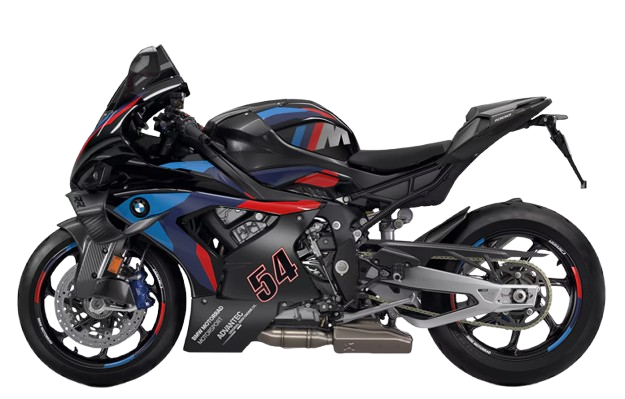
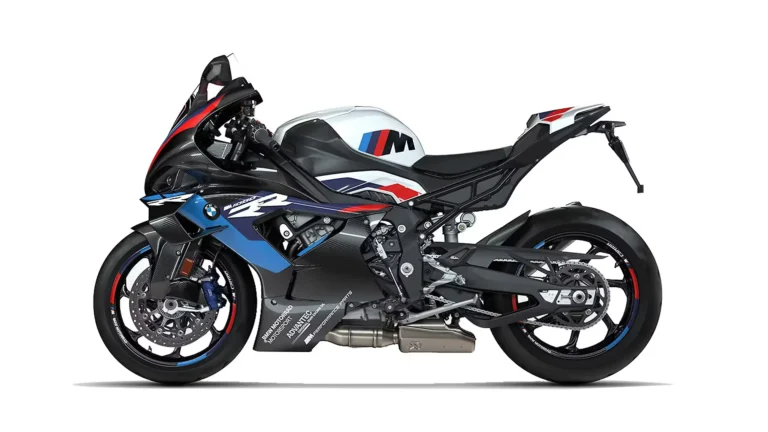
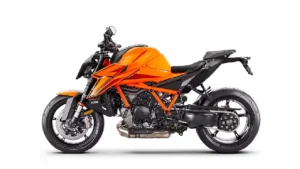
BMW M 1000 RR

32.5 pts
Unweighted: 20 advantages
EnginePerformanceDimensionsBrakesTyresFeaturesOther

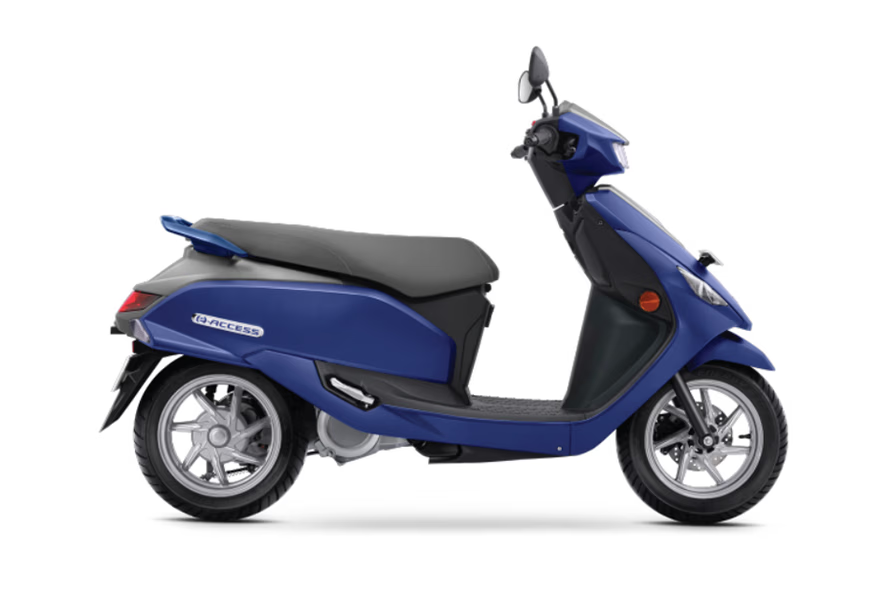
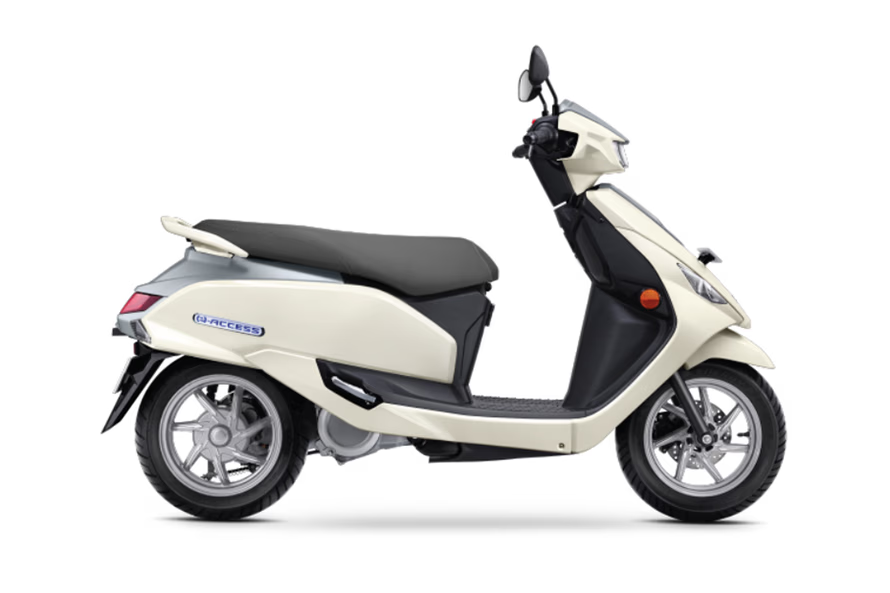
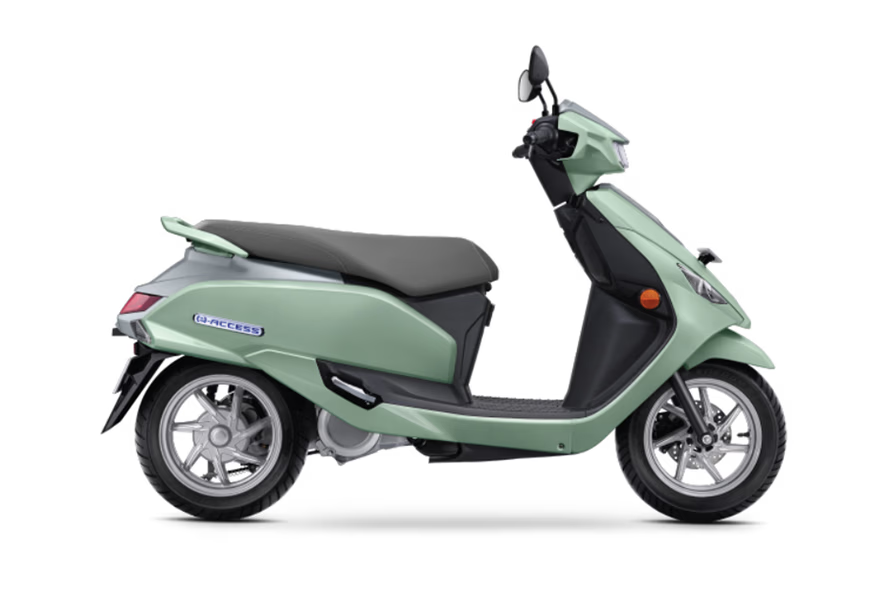
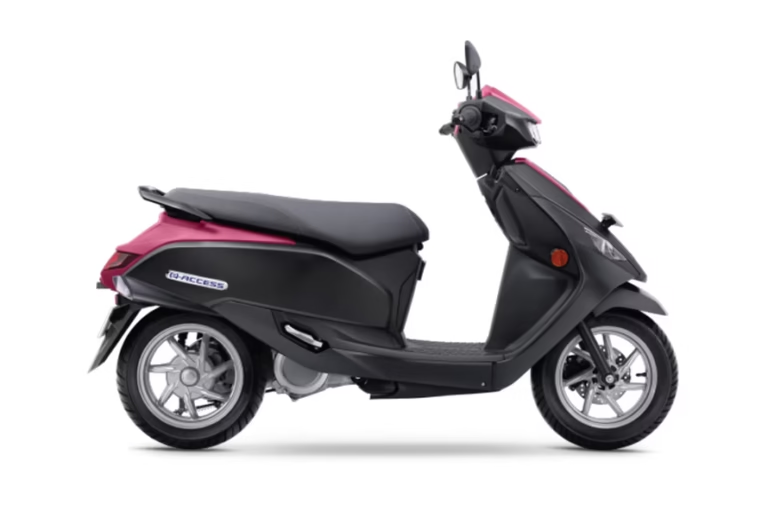
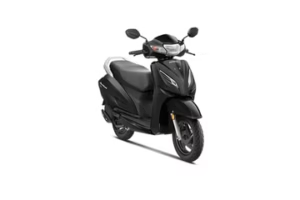
SUZUKI e-ACCESS

14.0 pts
Unweighted: 23 advantages
EnginePerformanceDimensionsBrakesTyresFeaturesOther
Specification
BMW M 1000 RR
BMW M 1000 RR
BMW
SUZUKI e-ACCESS
SUZUKI e-ACCESS
Suzuki

Engine Specifications

Cooling System Liquid-cooled
Displacement 999 cc
Engine Type 4-cylinder, four-stroke, liquid-cooled, DOHC, 4 valves per cylinder
Power 212 hp at 14,500 rpm 4.1 kW
Torque 113 Nm at 11,000 rpm 15 Nm

Performance & Efficiency

Fuel Tank Capacity 16.5 L
Mileage 15.3 kmpl
Top Speed (km/h) 71

Dimensions & Weight

Kerb Weight 192 122
Seat Height 832 765

Brakes & Suspension

ABS Dual-channel ABS
Front Brake Disc 320 mm Caliper - Front 4 Piston Disc
Front Suspension Upside-down telescopic fork with a diameter of 45 mm Telescopic, Coil Spring ,Oil Damped
Rear Brake Disc 220 mm Caliper - Rear 2 Piston Drum
Rear Suspension Monoshock, Full Floater Pro, 117mm Travel, Fully Adjustable Swingarm type, coil spring, oil damped

Tyres & Wheels

Front Tyre 120/70 - ZR17 90/90-12 54J
Rear Tyre 200/55 - ZR17 100/80-12 56J
Tyre Type Tubeless Tubeless
Wheel Type Alloy Alloy

Features & Technology

Headlight LED LED

Other Specifications

Anti-Theft / IoT Tracking Yes
App Connectivity Yes
Battery 12 V / 5 Ah, Lithium-ion Maintenance -free 12V , 5Ah
Battery Capacity (kWh) 3.1
Battery Chemistry Li-ion
Bike Image 1 https://motoautiv.com/wp-content/uploads/2026/03/Screenshot_2026-03-19_190742-removebg-preview.png https://motoautiv.com/wp-content/uploads/2025/12/Metallic-Mat-Blue-No-2-And-Metallic-Mat-Fibroin-Gray.avif
Bike Image 2 https://motoautiv.com/wp-content/uploads/2025/12/Pearl-Grace-White-And-Metallic-Mat-Fibroin-Gray.avif
Bike Image 3 https://motoautiv.com/wp-content/uploads/2025/12/Pearl-Jade-Green-And-Metallic-Mat-Fibroin-Gray.avif
Built-in GPS Navigation Yes
Charging Port Type Proprietary
Charging Time (Fast) 80% in 1.1h
Charging Time (Standard) 80% in 4.5h
Color Options Light white | #F4F4F4, #16588E Blackstorm Metallic | #121212, #16588E Jade Green and Metallic Mat Fibroin Gray | #9FBF9F, #7A8086 Pearl Grace White and Metallic Mat Fibroin Gray | #6A1F2B, #7A8086 Metallic Mat Black and Metallic Mat Bordeaux Red | #0D0D0D, #6A1F2B Metallic Matte Stellar Blue & Metallic Matte Fibroin Gray | #2F4F7F, #7A8086
Connectivity Features Bluetooth, navigation, call/SMS alerts
Cons Extremely high ownership costs Poor real-world fuel efficiency Aggressive, tiring ergonomics Complex, dealer-dependent electronics Steep maintenance and servicing costs Rear drum brake could feel basic at higher speeds. Under-seat storage is smaller than typical petrol scooters. Top speed may feel limited for highway use. Ride can get firm on rough patches or broken roads. Charging infrastructure availability may vary by region.
Detailed Overview The BMW M 1000 RR is built around a 999cc water and oil-cooled inline four-cylinder four-stroke engine, sharing its basic architecture with the S 1000 RR but with meaningful internal differences. The cylinder heads are revised with larger 52mm throttle bodies, and the ShiftCam variable intake camshaft system is carried over. The result is 212 hp at 14,500 rpm and 113 Nm of torque at 11,000 rpm, delivered through a six-speed gearbox with a slip-and-assist clutch and a bidirectional quickshifter as standard. Fuel is fed via electronic injection with a variable intake pipe, requiring a minimum of 98 RON premium unleaded petrol. The chassis is a bridge-type cast aluminium frame with the engine serving as a structural element, wrapped around M Carbon wheels, a notable distinction from the standard S 1000 RR’s cast aluminium units. These carbon wheels contribute to the bike’s 192 kg kerb weight, one of the lowest figures in its class. Suspension is handled by a fully adjustable 45mm upside-down fork at the front with 120mm of travel, and a fully adjustable monoshock at the rear with 117mm of travel. Braking is taken care of by twin 320mm discs at the front with four-piston fixed calipers, and a single 220mm disc at the rear with a two-piston fixed caliper, supported by Race ABS Pro as standard. The bike rolls on 120/70 ZR17 front and 200/55 ZR17 rear tubeless radial tyres. Seat height is 832mm with a 16.5-litre fuel tank. The electrical system uses BMW’s M Lightweight lithium-ion battery at 12V / 5Ah, paired with a 450W alternator. The instrument cluster is a 6.5-inch TFT display with full LED lighting and electric start. Electronics include the full Riding Modes Pro suite with Launch Control, Wheelie Control, Pit Lane Limiter, Brake Slide Assist, Slide Control, and a steering angle sensor. The Competition variant adds the M GPS Laptrigger with data logging capability, a lighter anodised swingarm, DLC-coated M Endurance chain, and M milled parts. In India, it was offered in two variants, Standard at ₹49 lakh and Competition at ₹55 lakh ex-showroom, both now discontinued. Looking at the Suzuki e-Access in terms of its specifications, the overall setup is clearly built around short and predictable city use. It uses a 3.07 kWh lithium-ion battery with an electric motor that produces about 4.1 kW of power and 15 Nm of torque. The response is immediate, which is typical for electric scooters, and it feels most relevant at lower speeds where traffic conditions require frequent acceleration and slowing down. The scooter offers three riding modes—Eco, Ride A and Ride B—which mainly change how the power is delivered and how the battery is used. Charging is handled through a fixed battery, so it needs to be plugged in directly. A standard home charger takes a little over six hours for a full charge, while fast charging can reduce that time to just above two hours. The claimed range is around 95 kilometres, although in real usage this depends on factors like traffic, riding mode, and throttle input. The top speed is around 71 km/h, which keeps it within the limits of typical city riding. The suspension setup includes telescopic forks at the front and a rear monoshock, which are tuned to handle regular road conditions like speed breakers and uneven surfaces. The scooter rides on 12-inch wheels with tubeless tyres, which is a common setup in this category. Braking is managed by a front disc and a rear drum, supported by a combined braking system to keep the response consistent during normal use. In terms of size, the kerb weight is around 122 kg, which is slightly higher than most petrol scooters due to the battery. The seat height is about 765 mm, and the ground clearance is around 165 mm, which helps when dealing with everyday road obstacles. The wheelbase is 1305 mm, contributing to stability during regular riding. The feature list includes a 4.2-inch TFT display that shows speed, battery level, range, and riding mode. It also supports Bluetooth connectivity for navigation alerts and basic notifications. Other additions like keyless operation, reverse assist, and a USB charging port are included for everyday convenience. Overall, the specifications come together in a way that reflects a scooter designed for routine urban travel, with a focus on consistency and ease of use rather than performance.
Drive Modes Eco, Ride A, Ride B
Expert Review The M 1000 RR is BMW Motorrad's most extreme road-legal offering, extracting 212 hp from a revised version of the familiar 999cc ShiftCam inline-four. The M Carbon wheels and 192 kg kerb weight give it a noticeably sharp, responsive character, and the Race ABS Pro electronics suite functions cohesively at pace. On track, it is difficult to fault. In India however, the fully committed riding position, heat buildup in traffic, and the bike's narrow performance window make everyday use genuinely demanding. At ₹49–55 lakh ex-showroom, ownership costs, limited trained technicians, and growing parts availability concerns add further weight to the ownership equation., 3.9, MotoAutiv Team In everyday city use, the Suzuki e-Access reflects how the Indian two-wheeler market is gradually adapting to electric mobility without moving too far away from familiar scooter behaviour. Its performance and range are clearly oriented towards short, predictable commutes, which aligns with how most scooters are used in urban areas. The riding experience remains simple and smooth, with minimal noise and no gear changes, making it easy to adapt for riders coming from petrol scooters. At the same time, factors like charging time and infrastructure still influence how practical it feels in daily routines. The overall setup suggests a focus on consistency rather than outright performance, especially in stop-and-go traffic. In the current Indian market, it fits into a space where buyers are exploring electric options but still expect a straightforward and dependable usage pattern., 4.4, MotoAutiv Team
FAQ (Manual Override) Q: Is the BMW M 1000 RR still available to buy in India? A: No. The M 1000 RR has been discontinued by BMW Motorrad and is no longer available through authorized dealerships in India. It can only be found through the used motorcycle market. Q: What is the difference between the Standard and Competition variant? A: Both share the same engine and core hardware. The Competition variant adds the M GPS Laptrigger with data logging software, a lighter anodised swingarm, DLC-coated M Endurance chain, M milled parts package, and M Carbon components, all oriented toward track use. Q: How practical is it for daily use in Indian cities? A: Very limited. The fully committed riding position, significant heat buildup in traffic, 832mm seat height, and track-tuned suspension make city commuting physically demanding and uncomfortable, especially in Indian summer conditions. Q: How does it differ from the standard S 1000 RR? A: The M 1000 RR gets revised cylinder heads with larger 52mm throttle bodies, M Carbon wheels, carbon fibre aerodynamic winglets generating significantly more downforce, M-spec brakes, a lighter overall package, and 2 additional hp, all developed specifically for homologation racing purposes. Q: What is the real-world range of the Suzuki e-Access in India? A: The Suzuki e-Access has a claimed range of around 95 km per charge, but in real usage, it is expected to deliver around 75–90 km, depending on riding style, traffic, and mode. Q: How long does it take to charge the Suzuki e-Access? A: With a standard charger, the Suzuki e-Access takes about 6–6.5 hours for a full charge. It also supports fast charging, which can bring the battery to full in a little over 2 hours. Q: Is the Suzuki e-Access suitable for daily commuting? A: Yes, the Suzuki e-Access is designed mainly for city use. Its range, smooth power delivery, and automatic operation make it suitable for regular commuting and short daily rides. Q: What is the top speed of the Suzuki e-Access? A: The Suzuki e-Access has a top speed of around 71 km/h, which is adequate for city riding but not meant for high-speed highway use. Q: What type of battery does the Suzuki e-Access use? A: The Suzuki e-Access uses a 3.07 kWh lithium-ion battery, and it is a fixed (non-removable) unit, meaning it needs to be charged on the scooter itself. Q: Does the Suzuki e-Access have fast charging support? A: Yes, the Suzuki e-Access supports fast charging, which significantly reduces charging time compared to a standard charger. Q: Is the Suzuki e-Access easy to handle in traffic? A: With a kerb weight of around 122 kg, the Suzuki e-Access is slightly heavier than petrol scooters, but it remains manageable in city traffic once you get used to it. Q: What riding modes are available in the Suzuki e-Access? A: The Suzuki e-Access comes with Eco, Ride A, and Ride B modes, which adjust performance and efficiency based on riding needs. Q: Does the Suzuki e-Access come with connectivity features? A: Yes, the Suzuki e-Access includes Bluetooth connectivity, navigation support, and call/SMS alerts through its digital display. Q: Is the Suzuki e-Access suitable for highway riding? A: The Suzuki e-Access can handle short highway stretches, but it is mainly designed for urban commuting, where speeds are lower and range requirements are moderate.
Fast Charging Supported Yes
Final Drive Type belt
Fuel System Electronic fuel injection Electric
Motor Power (Peak, kW) 4.1
Motor Type Mid-drive
Price Variants Standard | 4900000 Competition | 5500000 STD | 188490
Pros Monstrous, thrilling engine performance Comprehensive, race-grade electronics suite Lightweight, razor-sharp handling Powerful, fade-free braking Premium carbon-fibre build quality Highly adjustable suspension and ergonomics Smooth and silent electric motor with good low-end torque for city traffic. Practical real-world range suitable for daily commuting. Fast-charging support greatly reduces downtime. Comfortable ride quality thanks to telescopic front suspension. Keyless operation and modern features add convenience. LFP battery offers better durability and long cycle life. Reverse mode makes parking in tight spaces easier. Lightweight and easy to maneuver in crowded urban areas.
Range (Claimed, km) 95
Range (Real World, km) 80
Starter Electric
Torque (Electric, Nm) 15
Transmission 6-speed manual
Vehicle Warranty (Years) 6

If you like what we do, Stay connected with 🚗 Motoautiv.com ⚡

Leave your email 📧 below and Click subscribe Now 🔔✨