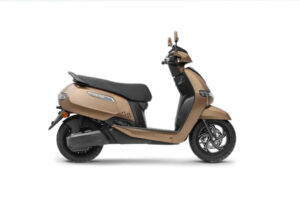
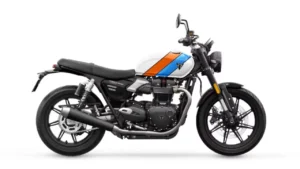
Quick Analysis
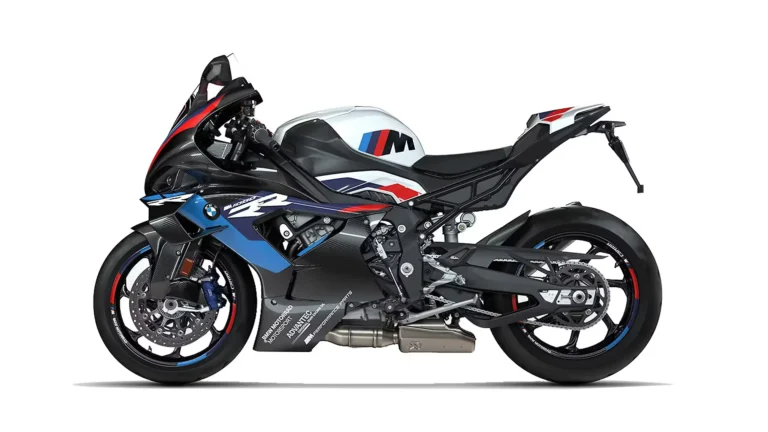
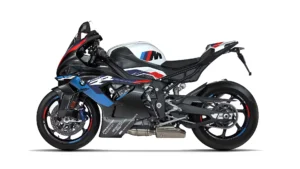
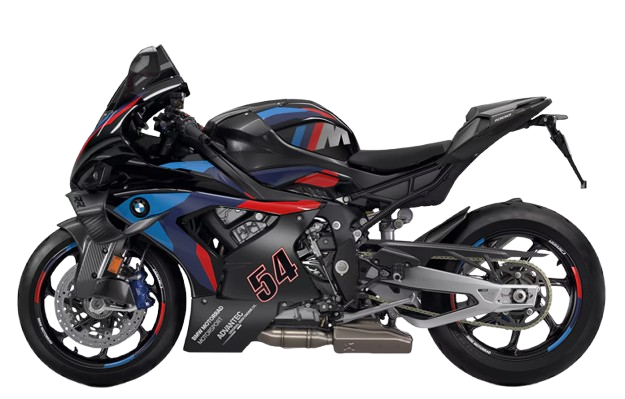
BMW M 1000 RR
24.0 pts
Unweighted: 15 advantages
EnginePerformanceDimensionsBrakesTyresFeaturesOther
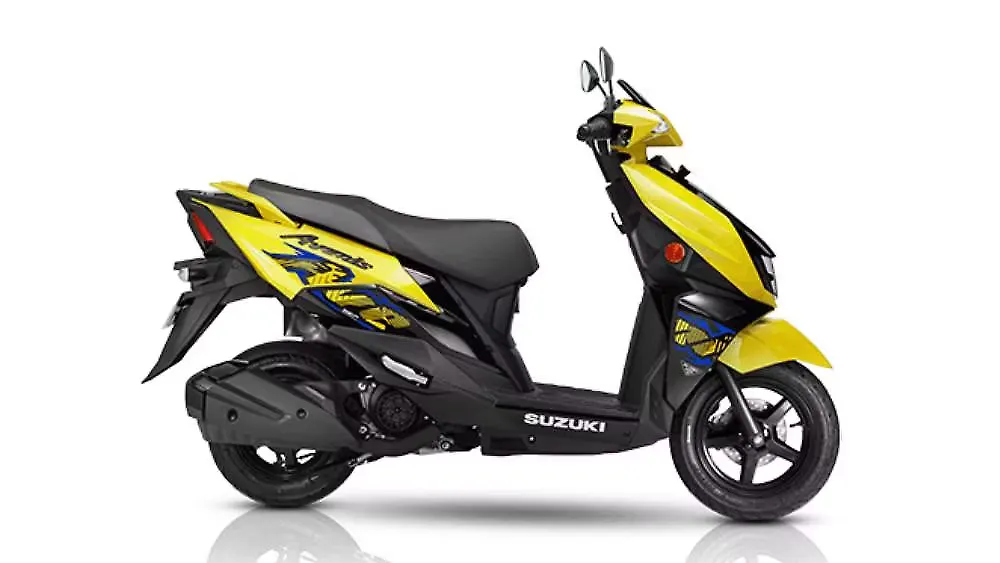
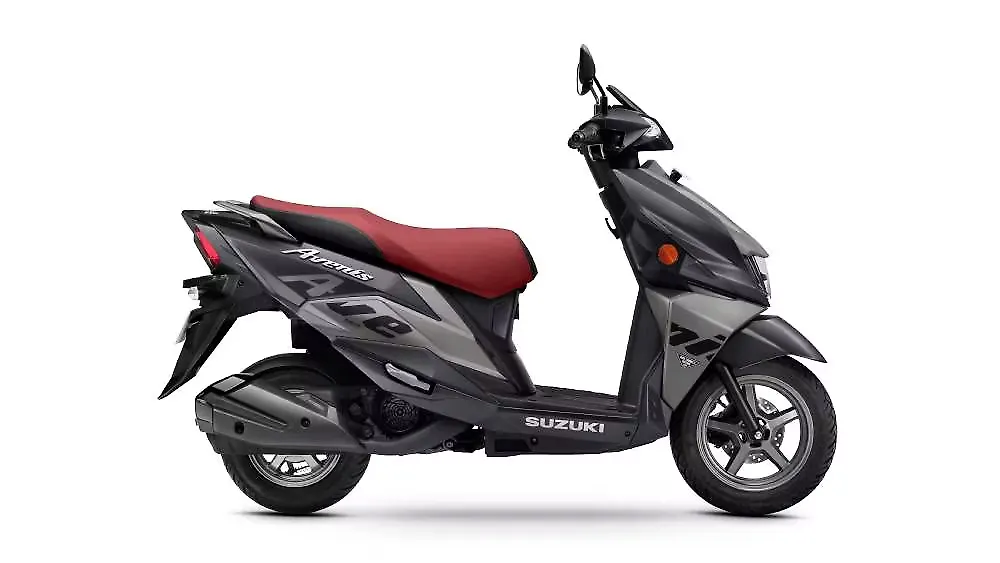
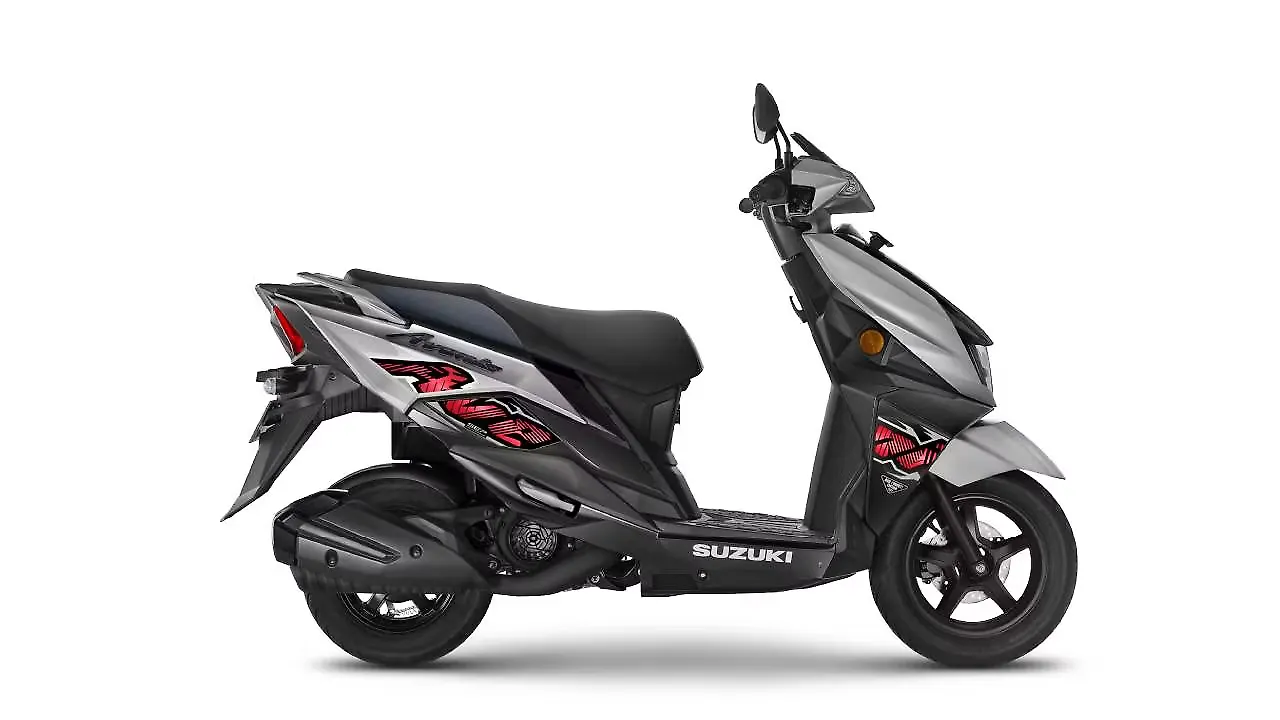
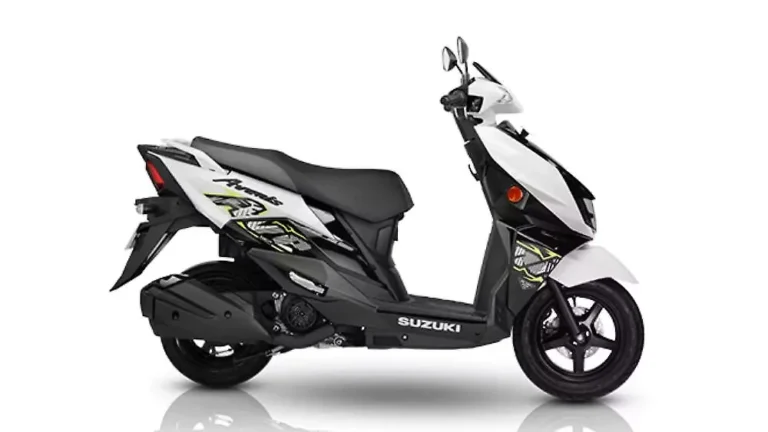
SUZUKI Avenis
5.5 pts
Unweighted: 6 advantages
EnginePerformanceDimensionsBrakesTyresFeaturesOther
| Specification | ||
|---|---|---|
Engine Specifications |
||
| Cooling System | Liquid-cooled | Air Cooled |
| Displacement | 999 cc | 124 cc |
| Engine Type | 4-cylinder, four-stroke, liquid-cooled, DOHC, 4 valves per cylinder | 4- Stroke, 1-Cylinder, Air Cooled |
| Power | 212 hp at 14,500 rpm | 8.7 ps @ 6750 rpm |
| Torque | 113 Nm at 11,000 rpm | 10 Nm @ 5500 rpm |
Performance & Efficiency |
||
| Fuel Tank Capacity | 16.5 L | 5.2 L |
| Mileage | 15.3 kmpl | 55 kmpl |
Dimensions & Weight |
||
| Kerb Weight | 192 | 106 |
| Seat Height | 832 | 780 |
Brakes & Suspension |
||
| ABS | Dual-channel ABS | No, Combi Brake System |
| Front Brake | Disc 320 mm Caliper - Front 4 Piston | Disc Front Brake Size - Caliper - Front 1 Piston |
| Front Suspension | Upside-down telescopic fork with a diameter of 45 mm | Telescopic |
| Rear Brake | Disc 220 mm Caliper - Rear 2 Piston | Drum |
| Rear Suspension | Monoshock, Full Floater Pro, 117mm Travel, Fully Adjustable | Swing Arm |
Tyres & Wheels |
||
| Front Tyre | 120/70 - ZR17 | 90/90 - 12 |
| Rear Tyre | 200/55 - ZR17 | 90/100 – 10 |
| Tyre Type | Tubeless | Tubeless |
| Wheel Type | Alloy | Alloy |
Features & Technology |
||
| Headlight | LED | LED |
Other Specifications |
||
| Battery | 12 V / 5 Ah, Lithium-ion | Maintenance Free 12V, 4Ah |
| Bike Image 1 | https://motoautiv.com/wp-content/uploads/2026/03/Screenshot_2026-03-19_190742-removebg-preview.png | https://motoautiv.com/wp-content/uploads/2025/11/avenis125championyellowno2glossysparkleblack.webp |
| Bike Image 2 | — | https://motoautiv.com/wp-content/uploads/2025/11/avenis125metallicmatblackandmetallicmattitaniumsilver.webp |
| Bike Image 3 | — | https://motoautiv.com/wp-content/uploads/2025/11/avenis125metallicmatteplatinumsilverandglasssparkleblack.webp |
| Bike Image 4 | — | https://motoautiv.com/wp-content/uploads/2025/11/avenis125glossysparkleblack.webp |
| Bike Image 5 | — | https://motoautiv.com/wp-content/uploads/2025/11/avenis125glossysparkleblackpearlmirared.webp |
| Color Options | Light white | #F4F4F4, #16588E Blackstorm Metallic | #121212, #16588E | Metallic Matte Platinum Silver and Glass Sparkle Black | #9AA0A6, #0A0A0A Glossy Sparkle Black | #0A0A0A Champion Yellow No 2 Glossy Sparkle Black | #F5C400, #0A0A0A Glossy Sparkle Black Pearl Glacier White | #0A0A0A, #F4F7FB Glossy Sparkle Black Pearl Mira Red | #0A0A0A, #9E1B22 Metallic Mat Black No 2 and Metallic Mat Titanium Silver | #121212, #8A8F95 |
| Cons | Extremely high ownership costs Poor real-world fuel efficiency Aggressive, tiring ergonomics Complex, dealer-dependent electronics Steep maintenance and servicing costs | Modest engine performance, better suited for city use than high-speed riding Ride can feel slightly firm over rough or uneven roads Braking setup is simple and focused on everyday riding Seat comfort may feel firm on longer rides, though storage is sufficient for daily use More suited to city commuting than long-distance travel or regular rough-road use |
| Detailed Overview | The BMW M 1000 RR is built around a 999cc water and oil-cooled inline four-cylinder four-stroke engine, sharing its basic architecture with the S 1000 RR but with meaningful internal differences. The cylinder heads are revised with larger 52mm throttle bodies, and the ShiftCam variable intake camshaft system is carried over. The result is 212 hp at 14,500 rpm and 113 Nm of torque at 11,000 rpm, delivered through a six-speed gearbox with a slip-and-assist clutch and a bidirectional quickshifter as standard. Fuel is fed via electronic injection with a variable intake pipe, requiring a minimum of 98 RON premium unleaded petrol. The chassis is a bridge-type cast aluminium frame with the engine serving as a structural element, wrapped around M Carbon wheels, a notable distinction from the standard S 1000 RR’s cast aluminium units. These carbon wheels contribute to the bike’s 192 kg kerb weight, one of the lowest figures in its class. Suspension is handled by a fully adjustable 45mm upside-down fork at the front with 120mm of travel, and a fully adjustable monoshock at the rear with 117mm of travel. Braking is taken care of by twin 320mm discs at the front with four-piston fixed calipers, and a single 220mm disc at the rear with a two-piston fixed caliper, supported by Race ABS Pro as standard. The bike rolls on 120/70 ZR17 front and 200/55 ZR17 rear tubeless radial tyres. Seat height is 832mm with a 16.5-litre fuel tank. The electrical system uses BMW’s M Lightweight lithium-ion battery at 12V / 5Ah, paired with a 450W alternator. The instrument cluster is a 6.5-inch TFT display with full LED lighting and electric start. Electronics include the full Riding Modes Pro suite with Launch Control, Wheelie Control, Pit Lane Limiter, Brake Slide Assist, Slide Control, and a steering angle sensor. The Competition variant adds the M GPS Laptrigger with data logging capability, a lighter anodised swingarm, DLC-coated M Endurance chain, and M milled parts. In India, it was offered in two variants, Standard at ₹49 lakh and Competition at ₹55 lakh ex-showroom, both now discontinued. | In everyday city riding, a scooter like the Suzuki Avenis is shaped more by how it handles traffic, short trips, and frequent stops than by outright numbers on paper. At its core, it uses a 124.3cc, single-cylinder, air-cooled engine with fuel injection. The engine is tuned to deliver a smooth and consistent flow of power, which becomes noticeable during stop-and-go traffic where sudden bursts are less important than predictable response. It is paired with a CVT automatic transmission, which removes the need for manual gear changes and keeps the riding experience simple and straightforward. The Avenis is built on a lightweight frame, and with a kerb weight of just over 100 kg, it feels easy to move around, whether it’s being ridden through narrow streets or parked in tight spaces. The suspension setup consists of telescopic front forks and a rear monoshock. This combination is tuned for typical city roads, where it can handle small bumps and uneven patches without much effort, although sharper potholes can still be felt. The riding position is upright, with a wide handlebar that gives a good sense of control at lower speeds. Braking duties are handled by a front disc brake and a rear drum brake, supported by a combined braking system (CBS). This setup is designed to provide balanced stopping for everyday riding conditions rather than aggressive braking scenarios. The scooter runs on 12-inch wheels at both ends, fitted with tubeless tyres that are suited for regular road use and offer predictable grip in daily conditions. In terms of features, the Avenis comes with a fully digital instrument cluster that displays basic information such as speed, fuel level, trip details, and in some variants, smartphone connectivity. The lighting system includes LED headlamps and tail lamps, which improve visibility and add to the modern design. Practical elements like a USB charging port and external fuel filling make daily use more convenient. Storage and usability also play an important role in its design. The under-seat storage is around 21.8 litres, which is enough for a helmet or small bags, and there are additional hooks and pockets for carrying everyday items. The fuel tank capacity stands at 5.2 litres, which aligns with its intended use for short to medium-distance travel within the city. Overall, the specifications of the Suzuki Avenis reflect a setup that focuses on ease of use, light handling, and everyday practicality, bringing together simple mechanical components and basic modern features in a way that fits regular urban commuting conditions. |
| Expert Review | The M 1000 RR is BMW Motorrad's most extreme road-legal offering, extracting 212 hp from a revised version of the familiar 999cc ShiftCam inline-four. The M Carbon wheels and 192 kg kerb weight give it a noticeably sharp, responsive character, and the Race ABS Pro electronics suite functions cohesively at pace. On track, it is difficult to fault. In India however, the fully committed riding position, heat buildup in traffic, and the bike's narrow performance window make everyday use genuinely demanding. At ₹49–55 lakh ex-showroom, ownership costs, limited trained technicians, and growing parts availability concerns add further weight to the ownership equation., 3.9, MotoAutiv Team | The Suzuki Avenis fits into a part of the Indian market where scooters are expected to handle daily routines without much effort, and that shapes how it is positioned. Its compact size and light feel make it easier to manage in crowded city conditions, where frequent stops and tight spaces are common. The engine is tuned more for smooth and consistent performance rather than quick bursts of speed, which aligns with typical urban usage. At the same time, buyers in this segment also look for styling and basic features, and that is where the Avenis tries to stay relevant among younger riders. In everyday use, factors like ride comfort on uneven roads and practical storage play a noticeable role in how it is experienced. Its relevance, therefore, comes from how it fits into regular city life rather than trying to stretch beyond it., 3.9, MotoAutiv Team |
| FAQ (Manual Override) | Q: Is the BMW M 1000 RR still available to buy in India? A: No. The M 1000 RR has been discontinued by BMW Motorrad and is no longer available through authorized dealerships in India. It can only be found through the used motorcycle market. Q: What is the difference between the Standard and Competition variant? A: Both share the same engine and core hardware. The Competition variant adds the M GPS Laptrigger with data logging software, a lighter anodised swingarm, DLC-coated M Endurance chain, M milled parts package, and M Carbon components, all oriented toward track use. Q: How practical is it for daily use in Indian cities? A: Very limited. The fully committed riding position, significant heat buildup in traffic, 832mm seat height, and track-tuned suspension make city commuting physically demanding and uncomfortable, especially in Indian summer conditions. Q: How does it differ from the standard S 1000 RR? A: The M 1000 RR gets revised cylinder heads with larger 52mm throttle bodies, M Carbon wheels, carbon fibre aerodynamic winglets generating significantly more downforce, M-spec brakes, a lighter overall package, and 2 additional hp, all developed specifically for homologation racing purposes. | Q: What is the real-world mileage of the Suzuki Avenis in India? A: The Suzuki Avenis typically delivers around 45–50 km/l in real-world riding, with many owners reporting close to 50 km/l under normal usage. Q: Is the Suzuki Avenis good for daily city commuting? A: Yes, the Suzuki Avenis is designed mainly for city use. Its light weight (around 106 kg) and smooth engine make it easy to handle in traffic and for short daily rides. Q: What is the top speed of the Suzuki Avenis? A: The Suzuki Avenis has a top speed of around 90 km/h, which is enough for city use but not meant for sustained high-speed riding. Q: How much storage space does the Suzuki Avenis offer? A: The Suzuki Avenis comes with 21.8 litres of under-seat storage, which is enough for daily essentials like a helmet or small bags. Q: Is the Suzuki Avenis comfortable for long rides? A: The Suzuki Avenis can handle short to medium rides comfortably, but for longer distances, the seat and suspension may start to feel firm compared to more comfort-focused scooters. Q: What engine does the Suzuki Avenis use? A: The Suzuki Avenis is powered by a 124.3cc air-cooled engine, producing around 8.5–8.7 bhp, which is tuned for smooth and consistent performance. Q: Is the Suzuki Avenis easy to handle for beginners? A: Yes, the Suzuki Avenis is considered beginner-friendly because of its light weight, automatic transmission, and predictable power delivery. Q: Does the Suzuki Avenis have modern features? A: The Suzuki Avenis includes features like LED lighting, digital console, USB charging, and smartphone connectivity (in some variants), focusing on everyday usability. Q: What is the fuel tank capacity of the Suzuki Avenis? A: The Suzuki Avenis has a 5.2-litre fuel tank, which is typical for scooters in this segment. Q: Is the Suzuki Avenis suitable for highway riding? A: The Suzuki Avenis can handle short highway stretches, but it is primarily built for city riding. Its performance and stability are more suited to urban speeds rather than long highway runs. |
| Fuel System | Electronic fuel injection | Fuel Injection |
| Price Variants | Standard | 4900000 Competition | 5500000 | Standard | 84293 Base | 85942 Special | 86677 |
| Pros | Monstrous, thrilling engine performance Comprehensive, race-grade electronics suite Lightweight, razor-sharp handling Powerful, fade-free braking Premium carbon-fibre build quality Highly adjustable suspension and ergonomics | Smart, sporty design that stands out in city traffic Light and easy to handle, making it convenient in traffic and tight spaces Good fuel efficiency with manageable running costs for daily use Comfortable enough for regular commuting, though not the softest ride in the segment Comes with practical features like USB charging and storage, focused on everyday usability |
| Starter | Electric | Kick and Electric |
| Transmission | 6-speed manual | CVT |