Quick Analysis
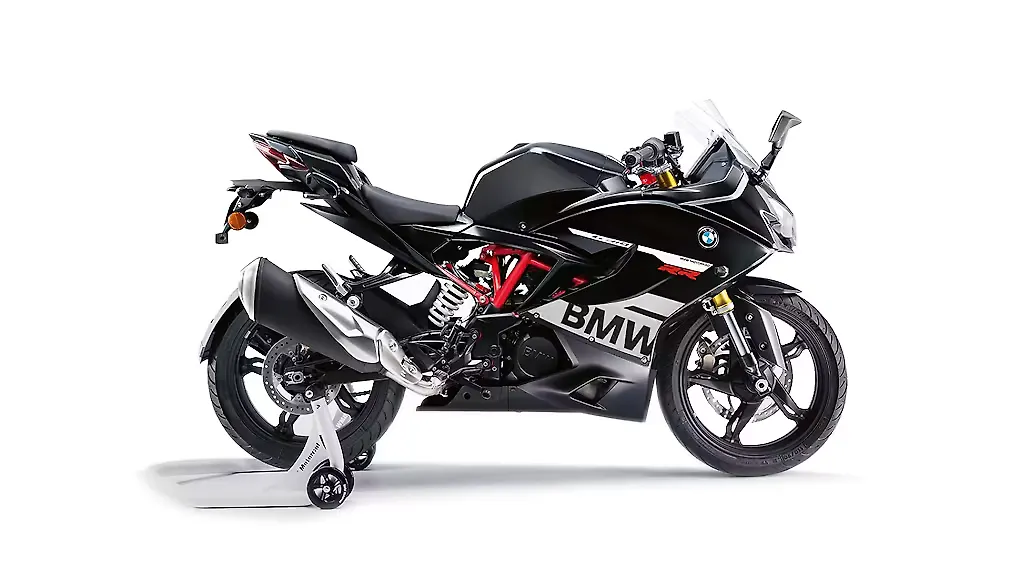
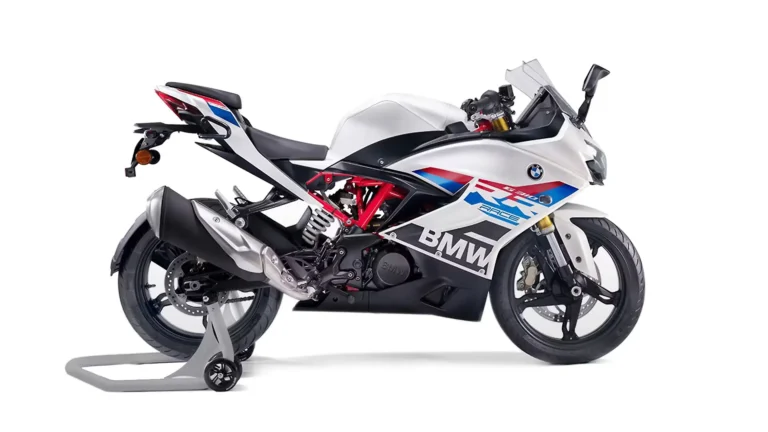
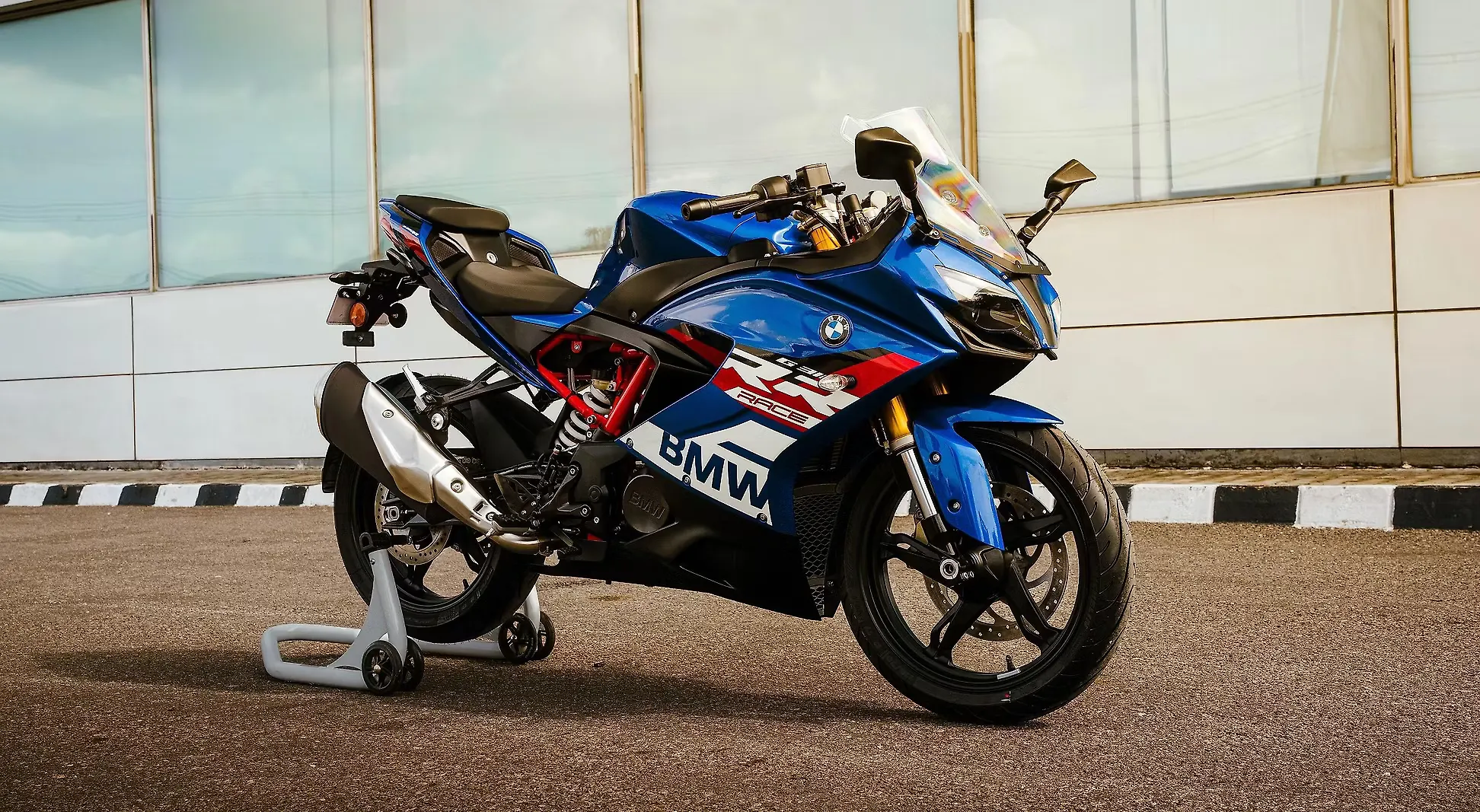
BMW G 310 RR
19.0 pts
Unweighted: 13 advantages
EnginePerformanceDimensionsBrakesTyresFeaturesOther
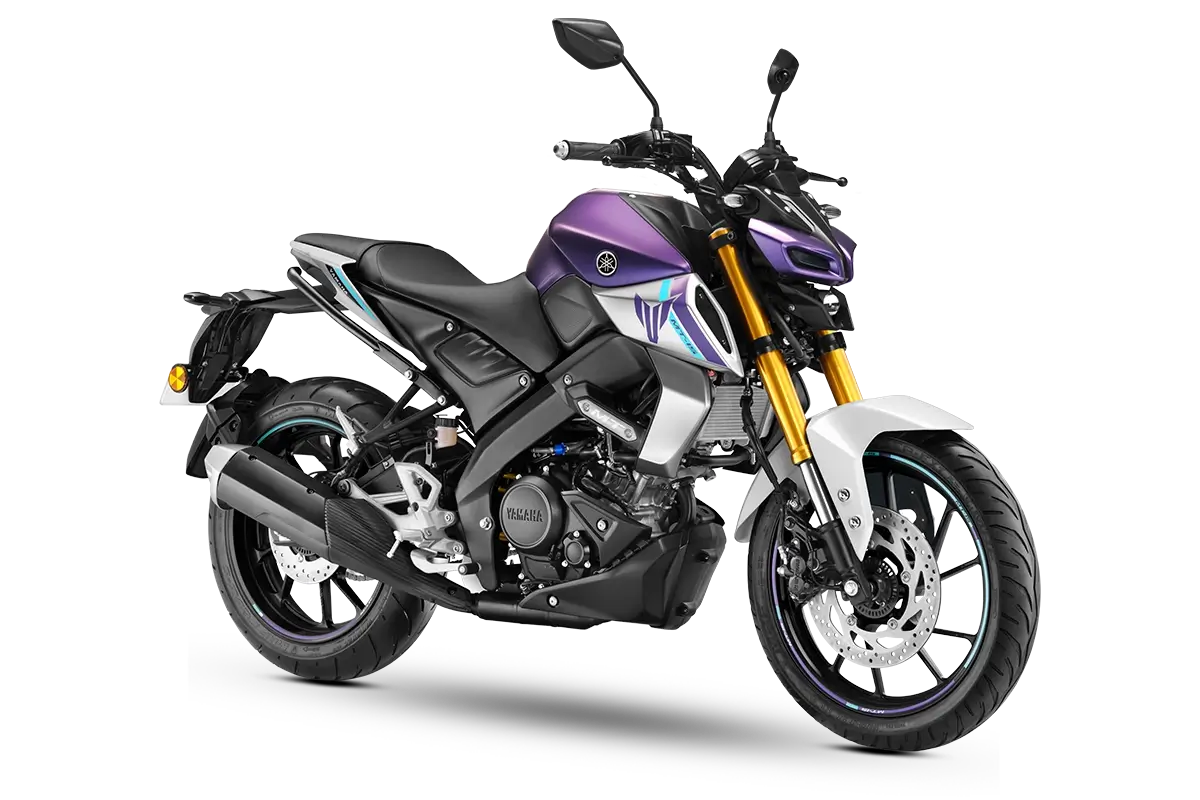
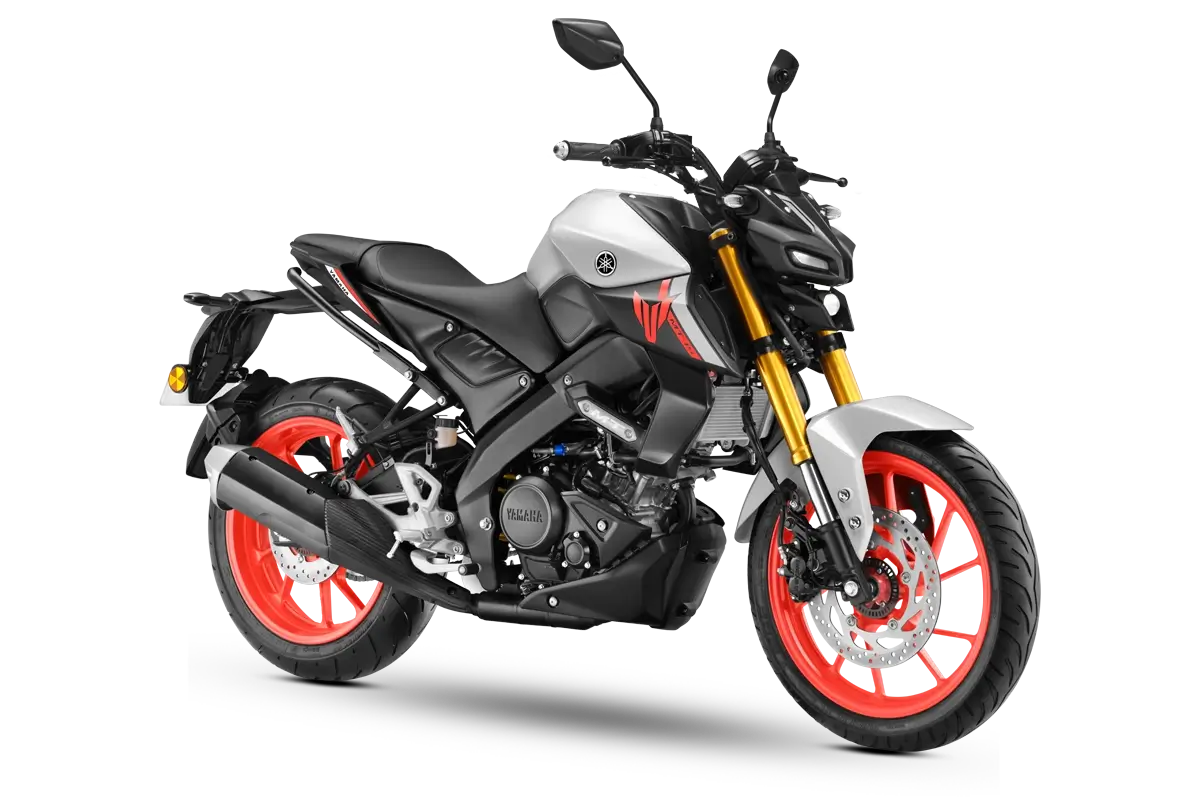
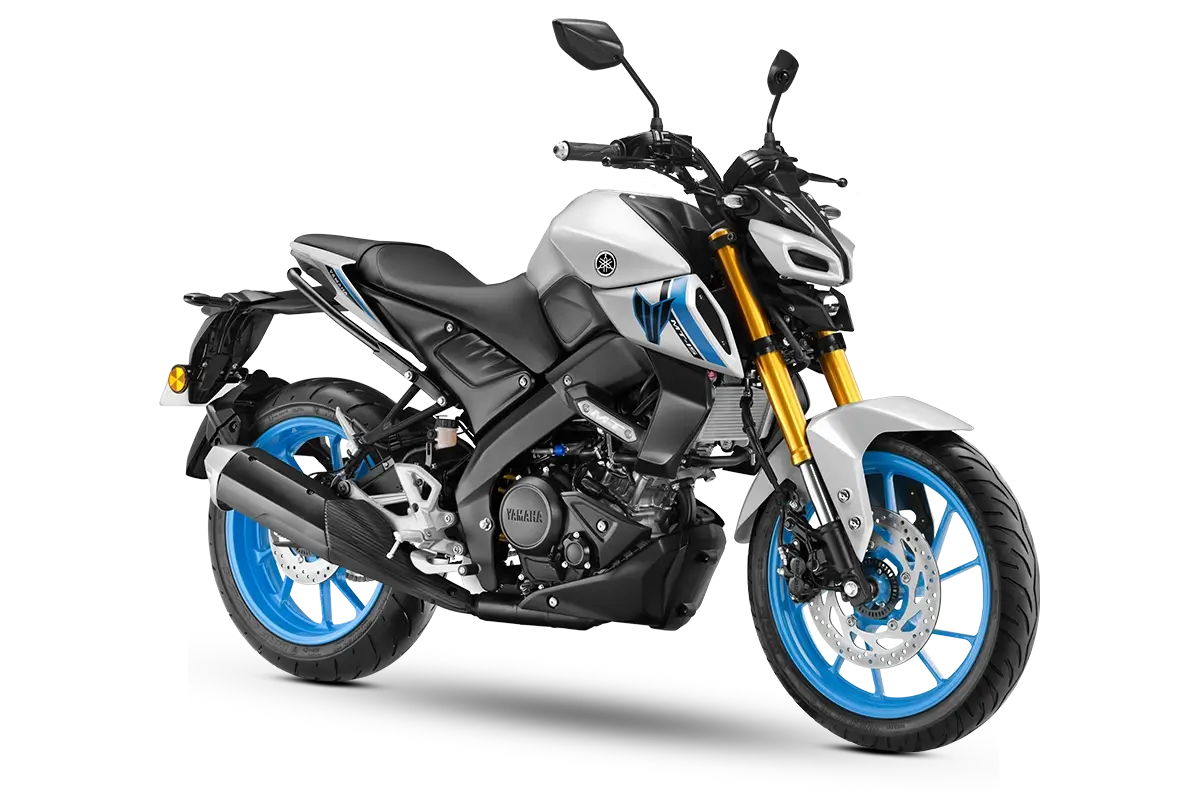
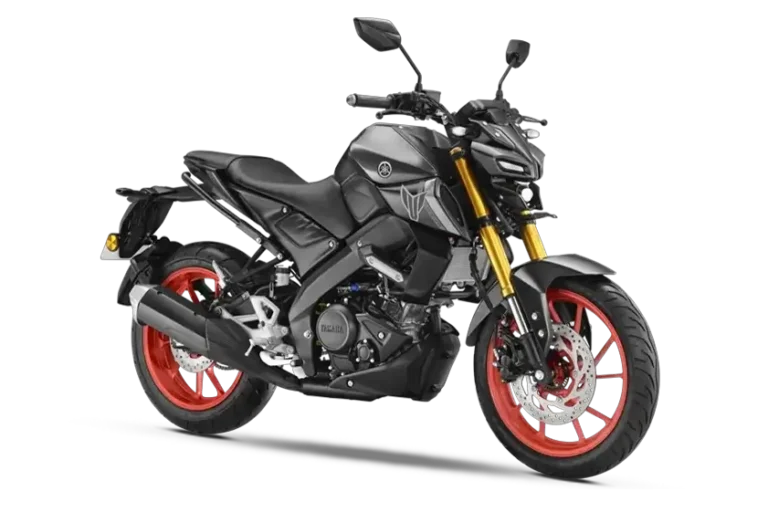
YAMAHA MT 15 V2
9.0 pts
Unweighted: 8 advantages
EnginePerformanceDimensionsBrakesTyresFeaturesOther
| Specification | ||
|---|---|---|
Engine Specifications |
||
| Cooling System | liquid cooling | Liquid-cooled |
| Displacement | 312.12 cc | 155 CC |
| Engine Type | single‑cylinder, four‑stroke engine with four valves | Liquid-cooled, 4-stroke, SOHC, 4-valve |
| Power | 34 PS at 9,700 rpm | 13.5kW(18.4PS)/10000r/min |
| Torque | 27.3 Nm at 7,700 rpm | 14.1N.m(1.4kgf.m)/7500r/min |
Performance & Efficiency |
||
| Fuel Tank Capacity | 11 L | 10 L |
| Mileage | 30 kmpl | 47 Kmpl |
Dimensions & Weight |
||
| Kerb Weight | 174 | 141 |
| Seat Height | 811 | 810 |
Brakes & Suspension |
||
| ABS | Dual Channel ABS | Dual Channel |
| Front Brake | Disc 300 mm Caliper - Front 4 Piston | Disc brake (282 mm) |
| Front Suspension | Upside down fork, Ø 41 mm | Telescopic upside down Front Fork |
| Rear Brake | Disc 240 mm Caliper - Rear 1 Piston | Disc brake (220 mm) |
| Rear Suspension | Cast aluminium dual swing arm, central spring strut | Linked-Type Monocross Suspension |
Tyres & Wheels |
||
| Front Tyre | 110/70 - R17 | 100/80-17M/C 52P |
| Rear Tyre | 150/60 - R17 | 140/70R-17M/C 66H |
| Tyre Type | Tubeless | Tubeless |
| Wheel Type | Alloy | Alloy |
Features & Technology |
||
| Headlight | LED | LED |
Other Specifications |
||
| Battery | 12 V / 8 Ah | 12 V, 4.0 Ah |
| Bike Image 1 | https://motoautiv.com/wp-content/uploads/2025/12/g310rrracingbluemetallic.webp | https://motoautiv.com/wp-content/uploads/2025/05/Voilet.webp |
| Bike Image 2 | https://motoautiv.com/wp-content/uploads/2025/12/g310rrcosmicblack2.webp | https://motoautiv.com/wp-content/uploads/2025/05/Ice-Fluo.webp |
| Bike Image 3 | — | https://motoautiv.com/wp-content/uploads/2025/05/Ice-Storm.webp |
| Bike Image 4 | — | https://motoautiv.com/wp-content/uploads/2025/05/Metallic-Black.webp |
| Bike Image 5 | — | https://motoautiv.com/wp-content/uploads/2025/05/Silver-Cyan-1.webp |
| Cluster | Digital 5 inch TFT | Digital |
| Color Options | Racing Blue Metallic | #0057A3 Cosmic Black 2 | #0B0B0C White with M Sport graphics | #F5F5F5 Polar White | #FFFFFF Cosmic Black | #000000 | Metallic Black | #1C1C1C Metallic Silver Cyan | #C0C8CF, #00A8D8 Metallic Black DLX | #1A1A1A, #3F3F3F Ice Storm DLX | #E8ECEF, #00C4D8 Vivid Violet Metallic DLX | #6A0DAD Ice Fluo Vermillion DLX | #F5F5F5, #FF5A36 |
| Cons | Fuel tank is only 11 litres, limiting range on longer rides. Seat height may feel slightly tall for shorter riders due to riding posture Single-cylinder engine can produce noticeable vibrations at higher speeds. Relatively premium price compared to entry-level sport bikes in India. Lacks advanced electronics like traction control or quick shifter that competitors may offer. | Pillion Comfort Is Limited: One of the most common owner complaints is the compact rear seat, which can feel uncomfortable for longer journeys. Premium Pricing: The MT-15 V2 is often priced higher than several competitors offering larger engines or additional equipment. Small Fuel Tank Capacity: The 10-litre fuel tank is adequate for daily use but offers a shorter touring range than some rivals. Suspension Can Feel Firm: While excellent for handling, the suspension setup can feel stiff over rough roads and potholes. No Dual-Channel ABS: Despite its premium positioning, the motorcycle continues to use single-channel ABS. Highway Touring Comfort Is Average: The naked-bike design offers minimal wind protection during prolonged highway rides. Rear Tyre Width Is Conservative: Some enthusiasts feel the rear tyre could be wider to better match the motorcycle's sporty appearance. |
| Detailed Overview | The BMW G 310 RR is based on a 312 cc, single-cylinder, liquid-cooled, four-stroke DOHC engine producing approximately 34 PS of power and 27.3 Nm of torque. The engine is paired with a 6-speed manual gearbox featuring an assist and slipper clutch, with power transmitted via a chain drive. Fuel delivery is managed through electronic fuel injection, and the engine is tuned to operate across a range of riding conditions typically encountered in Indian environments. The motorcycle is equipped with four riding modes, Track, Sport, Urban, and Rain which alter throttle response and power delivery characteristics. These modes allow the rider to adapt the engine output based on road surface conditions and usage scenarios. The gearbox is designed to provide consistent shifts across different speeds, while the slipper clutch assists in maintaining stability during aggressive downshifting. The chassis is supported by a 41 mm upside-down telescopic front fork and a rear monoshock mounted on a cast aluminium dual swingarm, with preload adjustability at the rear. This suspension setup is configured to manage a combination of urban road irregularities and highway riding conditions. The motorcycle has a kerb weight of approximately 174 kg, contributing to its handling characteristics in both low-speed and higher-speed scenarios. Braking duties are handled by a 300 mm front disc with a four-piston caliper and a 240 mm rear disc, supported by dual-channel ABS. The braking system is designed to provide controlled deceleration across varying road conditions. The motorcycle is fitted with 110/70 R17 front and 150/60 R17 rear tubeless radial tyres mounted on alloy wheels. In terms of dimensions, the BMW G 310 RR has a seat height of 811 mm and a fuel tank capacity of 11 litres. The overall design includes a fully faired body structure, influencing both aerodynamics and rider positioning. The riding posture is moderately forward-leaning, with handlebar and footpeg placement aligned with its sport-oriented configuration. Electrical components include a full LED lighting system and a fully digital instrument cluster displaying speed, gear position, fuel level, and trip-related information. The motorcycle is powered by a maintenance-free battery and uses an electric start system for ignition. | The Yamaha MT-15 V2 is a streetfighter motorcycle that combines aggressive styling, lightweight construction, and advanced engineering derived from Yamaha’s performance-oriented motorcycle lineup. As part of the company’s globally recognized MT (Master of Torque) series, the motorcycle is designed to deliver a balance of everyday usability and engaging riding dynamics. The MT-15 V2 adopts a compact and muscular appearance, featuring a bi-functional LED projector headlamp, sharp tank extensions, sculpted body panels, and a minimalist tail section. Its design reflects the styling philosophy of larger MT-series motorcycles while remaining proportionate to the 150cc segment. At the heart of the Yamaha MT-15 V2 is a 155cc, single-cylinder, liquid-cooled, fuel-injected engine. This powerplant produces approximately 18.4 PS of power and 14.1 Nm of torque and is paired with a six-speed gearbox. The engine incorporates Yamaha’s Variable Valve Actuation (VVA) technology, which adjusts valve timing according to engine speed to help maintain performance across a broader rev range. This system allows the motorcycle to deliver smooth low- and mid-range response for city riding while maintaining stronger performance at higher engine speeds. Fuel injection technology further contributes to throttle response, fuel efficiency, and consistent engine operation under varying riding conditions. The motorcycle is built around Yamaha’s Deltabox frame, a chassis design intended to provide rigidity and handling precision. The frame contributes significantly to the MT-15 V2’s agile character and balanced riding dynamics. Suspension duties are managed by upside-down (USD) front forks and a rear monoshock setup. The USD forks not only enhance the motorcycle’s visual appeal but also contribute to front-end stability and steering feedback. Together, the suspension components are designed to provide a combination of handling confidence and everyday ride comfort. The Yamaha MT-15 V2 rides on 17-inch alloy wheels fitted with tubeless tyres. Braking performance is managed by disc brakes at both the front and rear. The motorcycle is equipped with a single-channel Anti-lock Braking System (ABS), which operates on the front wheel and helps reduce the likelihood of wheel lock-up during sudden braking situations. In addition, the motorcycle features a Traction Control System (TCS), a rider-assistance feature that monitors wheel slip and adjusts power delivery when necessary to help maintain traction on low-grip surfaces. One of the defining characteristics of the MT-15 V2 is its lightweight construction. With a kerb weight of approximately 141 kg, the motorcycle remains easy to maneuver in urban traffic while also contributing to its responsive handling. The seat height of 810 mm and upright riding position create a balance between sporty control and everyday comfort. The wide handlebar and neutrally positioned footpegs allow riders to maintain a relaxed posture during daily commutes while still offering sufficient leverage for spirited riding. The motorcycle features a fuel tank capacity of 10 litres, providing a practical range for routine commuting and occasional highway use. The compact dimensions and balanced weight distribution further support the motorcycle’s versatility in different riding environments. Technology and convenience features include a fully digital LCD instrument cluster with Bluetooth connectivity through Yamaha’s Y-Connect application. This system allows riders to access call alerts, message notifications, maintenance reminders, fuel consumption information, and smartphone-related functions. The motorcycle also features an assist-and-slipper clutch, which reduces clutch lever effort and helps improve stability during aggressive downshifts. The lighting system is fully LED-based, including the projector headlamp, position lamps, and tail lamp. Additional features such as a side-stand engine cut-off function and engine kill switch contribute to everyday convenience and safety. Overall, the Yamaha MT-15 V2 combines a liquid-cooled VVA engine, Deltabox frame, USD front suspension, traction control, assist-and-slipper clutch, and modern connectivity features into a compact streetfighter motorcycle package. Its specifications emphasize handling precision, engine refinement, rider engagement, and everyday practicality while maintaining the aggressive design identity associated with Yamaha’s MT series. |
| Expert Review | The BMW G 310 RR is positioned as an entry-level fully faired sport motorcycle built around a 312 cc single-cylinder platform, tuned to deliver a balance between everyday usability and sport-oriented performance. In Indian riding conditions, the engine offers adequate performance for city and highway use, though vibrations become more noticeable at higher speeds. The chassis and suspension setup provide stable handling with a focus on predictable dynamics rather than aggressive track-oriented sharpness. Its electronics package, including multiple riding modes, adds adaptability across varying road and weather conditions, which is relatively uncommon in this segment. However, factors such as limited fuel tank capacity, absence of certain advanced rider aids, and pricing relative to similarly positioned motorcycles influence its positioning within the market., 4.0, MotoAutiv Team | The Yamaha MT-15 V2 is one of the most focused streetfighters in the 150cc segment, built around a combination of lightweight construction, sharp handling, and a highly refined 155cc liquid-cooled VVA engine. The motor remains the centerpiece of the package, offering strong mid-range performance, smooth power delivery, and impressive fuel efficiency while retaining the eager character that has made the R15 platform popular among enthusiasts. The Deltabox chassis, USD front forks, and compact dimensions contribute to agile handling that feels equally at home in city traffic and on winding roads. The motorcycle's aggressive styling, premium switchgear, traction control system, and assist-and-slipper clutch further enhance its appeal. However, the pursuit of sporty dynamics results in a firm suspension setup and a compact pillion seat that prioritizes design and handling over passenger comfort. The absence of dual-channel ABS is also noticeable considering the motorcycle's premium positioning. Overall, the MT-15 V2 delivers a riding experience centered around engagement, precision, and everyday usability, making it one of the most distinctive motorcycles in its category., 4.4, MotoAutiv Team |
| FAQ (Manual Override) | Q: What type of engine does the BMW G 310 RR use? A: The BMW G 310 RR is powered by a 312 cc, single-cylinder, liquid-cooled, four-stroke DOHC engine with four valves. Q: How much power does the BMW G 310 RR produce? A: The BMW G 310 RR produces 34 PS of maximum power at higher RPMs, which allows it to maintain consistent performance across a range of riding conditions, including urban traffic and open roads. Q: How much power does the BMW G 310 RR produce? A: The BMW G 310 RR produces 34 PS of maximum power at higher RPMs, which allows it to maintain consistent performance across a range of riding conditions, including urban traffic and open roads. Q: What type of lighting setup does the BMW G 310 RR have? A: The BMW G 310 RR features a full LED lighting system, including the headlight, tail light, and turn indicators, contributing to visibility and consistent illumination. Q: What type of starter system is available in the BMW G 310 RR? A: The BMW G 310 RR is equipped with an electric starter system, ensuring convenient and reliable ignition. | Q: What is the real-world mileage of the Yamaha MT-15 V2? A: Most Yamaha MT-15 V2 owners report real-world mileage between 45 and 55 km/l, depending on riding style, traffic conditions, and maintenance. Q: What is the top speed of the Yamaha MT-15 V2? A: The Yamaha MT-15 V2 can achieve a top speed of approximately 125-130 km/h under suitable riding conditions. Q: Does the Yamaha MT-15 V2 use the same engine as the Yamaha R15 V4? A: Yes, the Yamaha MT-15 V2 shares its 155cc liquid-cooled, VVA-equipped engine with the Yamaha R15 V4, although the tuning and riding ergonomics differ. Q: Does the Yamaha MT-15 V2 have traction control? A: Yes, the Yamaha MT-15 V2 comes equipped with a Traction Control System (TCS), which helps maintain grip during acceleration on slippery surfaces. Q: Does the Yamaha MT-15 V2 have a slipper clutch? A: Yes, the Yamaha MT-15 V2 features an assist-and-slipper clutch that reduces clutch effort and helps prevent rear-wheel hop during aggressive downshifts. Q: Is the Yamaha MT-15 V2 suitable for beginners? A: Yes, the Yamaha MT-15 V2 is often recommended for beginners because of its lightweight chassis, predictable handling, manageable power delivery, and rider-friendly ergonomics. Q: What is the fuel tank capacity of the Yamaha MT-15 V2? A: The Yamaha MT-15 V2 comes with a 10-litre fuel tank. Q: What is the seat height of the Yamaha MT-15 V2? A: The Yamaha MT-15 V2 has a seat height of 810 mm. Q: Does the Yamaha MT-15 V2 have dual-channel ABS? A: No, the Yamaha MT-15 V2 is equipped with single-channel ABS operating on the front wheel. Q: Is the Yamaha MT-15 V2 comfortable for long rides? A: The Yamaha MT-15 V2 offers a comfortable riding position for the rider and a refined engine suitable for touring, though the compact pillion seat and limited wind protection may affect long-distance comfort. Q: What is the kerb weight of the Yamaha MT-15 V2? A: The Yamaha MT-15 V2 has a kerb weight of approximately 141 kg. Q: Why is the Yamaha MT-15 V2 popular among enthusiasts? A: The Yamaha MT-15 V2 is popular because of its sharp handling, VVA-equipped engine, premium build quality, lightweight chassis, fuel efficiency, and aggressive streetfighter styling. |
| Fuel System | electronic fuel injection | Fuel Injection |
| Price Variants | STD | 285000 | Disc Brakes, Alloy Wheels Limited Edition | 299000 | Disc Brakes, Alloy Wheels | METALLIC BLACK | 162800 METALLIC SILVER CYAN | 163700 METALLIC BLACK DLX, ICE STORM DLX, VIVID VIOLET METALLIC DLX, ICE FLUO VERMILLION DLX | 172040 |
| Pros | Sporty fully-faired design with aggressive aesthetics suitable for enthusiasts. Balanced performance suitable for city and highway use Four riding modes (Track, Sport, Urban, Rain) allow you to adapt the bike to different road conditions. Dual-channel ABS with adequate braking performance Relatively manageable weight with nimble handling characteristics Moderately sporty ergonomics with a relatively upright stance LED lighting and fully digital instrument cluster enhance visibility and usability. | Powerful and Refined Engine: The 155cc liquid-cooled VVA engine delivers strong acceleration, smooth power delivery, and impressive refinement throughout the rev range. Excellent Handling Dynamics: The lightweight chassis, USD front forks, and well-balanced geometry make the MT-15 V2 one of the sharpest-handling motorcycles in its segment. Outstanding Fuel Efficiency: Despite its performance-oriented nature, many owners report real-world mileage figures between 45 and 55 km/l. Premium Build Quality: Yamaha's fit-and-finish, paint quality, switchgear, and overall attention to detail receive consistent praise from owners. Aggressive Streetfighter Styling: Inspired by Yamaha's larger MT models, the motorcycle features a muscular tank, bi-functional LED projector headlamp, and sharp bodywork. Lightweight and Easy to Ride: At approximately 141 kg, the MT-15 V2 feels agile in city traffic and confidence-inspiring for newer riders. Feature-Rich Package: Bluetooth connectivity, traction control, assist and slipper clutch, LED lighting, and USD forks add modern functionality. Strong Mid-Range Performance: The Variable Valve Actuation (VVA) system helps deliver usable performance across both city and highway speeds. |
| Starter | Electric | Electric starter |
| Transmission | 6‑speed manual | Constant mesh, 6-speed |