VS

Quick Analysis

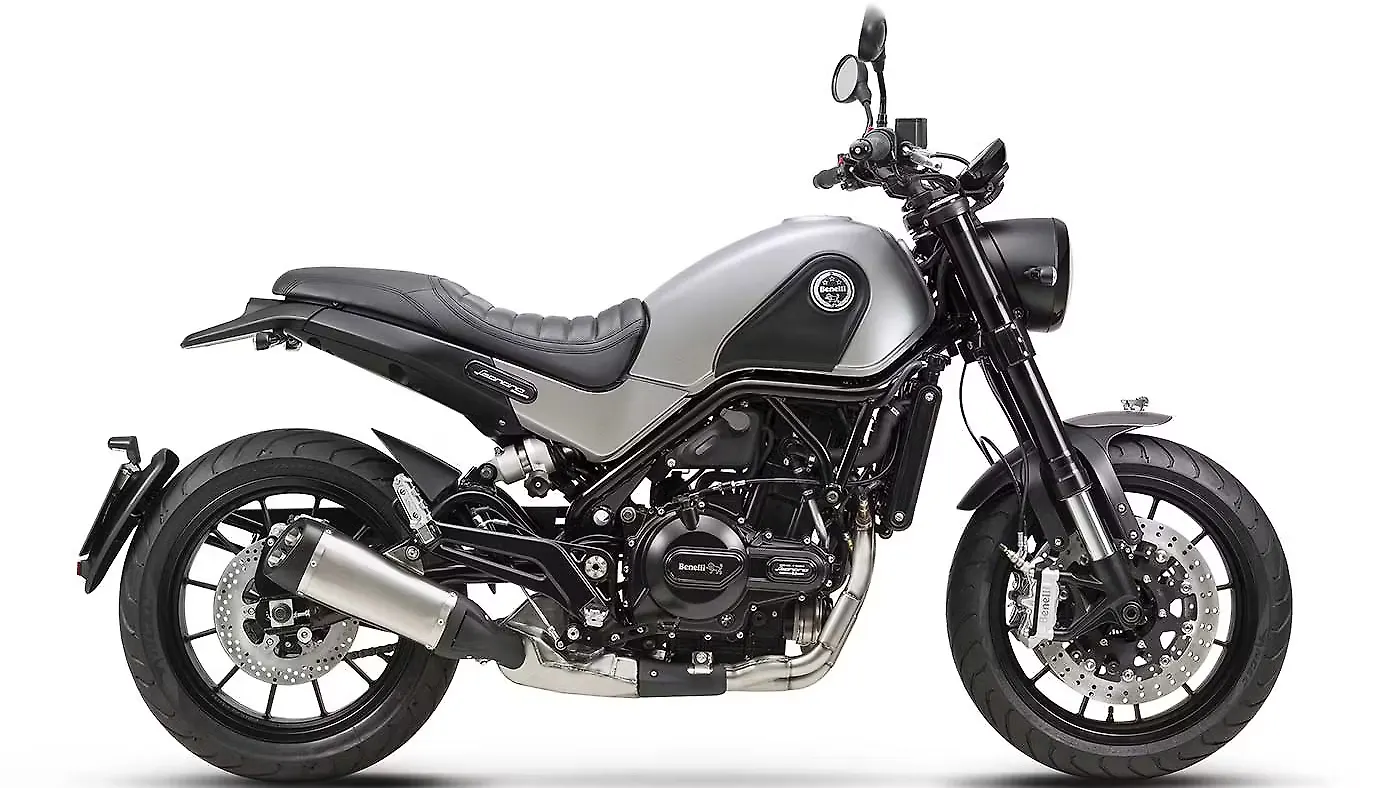
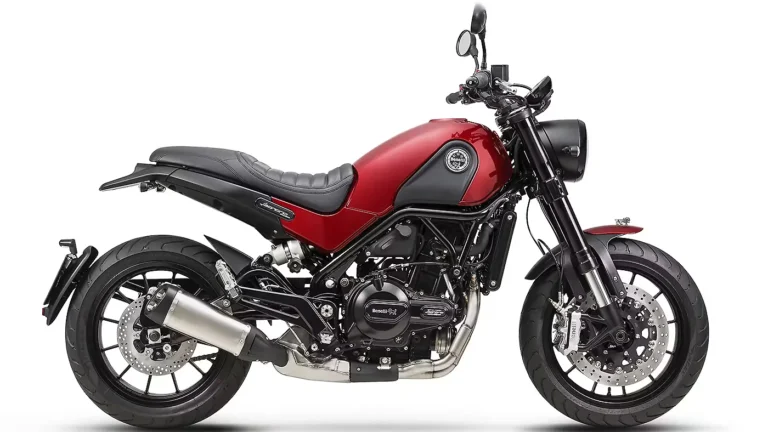
Benelli Leoncino 500

28.5 pts
Unweighted: 17 advantages
EnginePerformanceDimensionsBrakesTyresOther

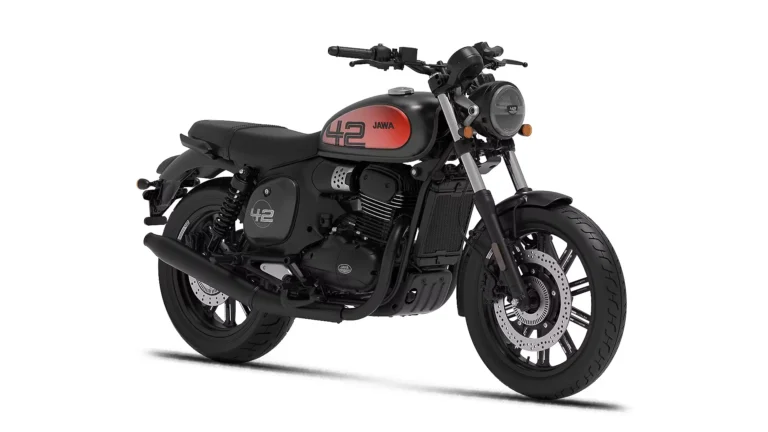
JAWA 42 J

7.5 pts
Unweighted: 7 advantages
EnginePerformanceDimensionsBrakesTyresOther
Specification
Benelli Leoncino 500
Benelli
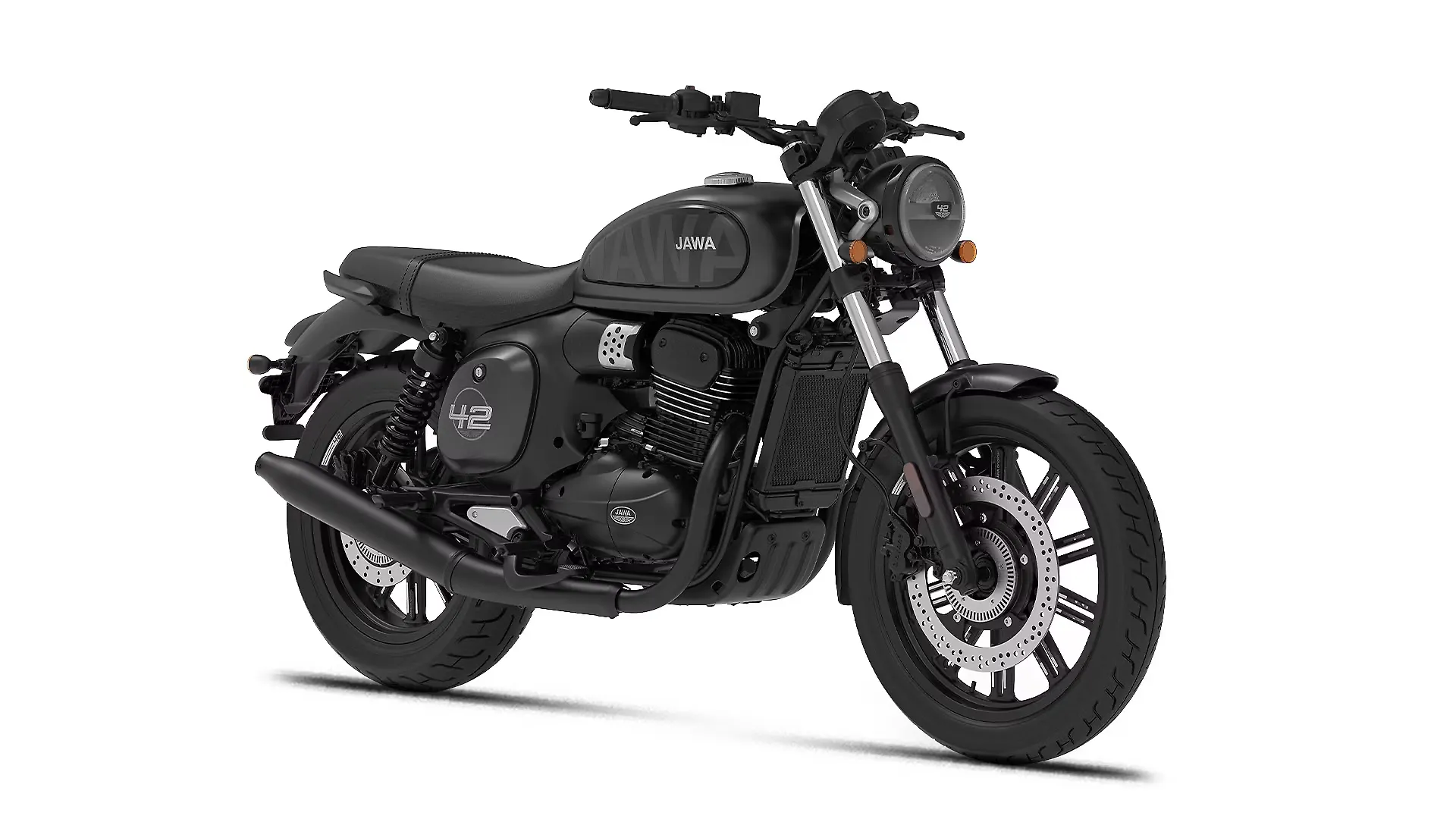
JAWA 42 J
JAWA 42 J
Jawa

Engine Specifications

Cooling System Liquid-cooled
Displacement 500cc 334 cc
Engine Type 2-cylinder/4-stroke/8-valve Single Cylinder, 4 Stroke, Liquid Cooled, DOHC
Power 35kW at 8500 r/min 29.17 PS
Torque 46N·m/6000 r/min 29.62 Nm

Performance & Efficiency

Fuel Tank Capacity 12.7 l 12 L
Mileage 30 kmpl

Dimensions & Weight

Kerb Weight 207 184 kg
Seat Height 810 790 mm

Brakes & Suspension

ABS Dual Channel ABS Dual Channel ABS
Front Brake Disc 320 mm Caliper - Front 4 Piston Disc With Floating Caliper 320 mm
Front Suspension 50mm inverted forks Telescopic Forks, Ø 41 mm
Rear Brake Disc 260 mm Caliper - Rear 1 Piston Disc With Floating Caliper 240 mm
Rear Suspension Hydraulic Monoshock (Rebound & Preload adjustable) Twin Shock Absorber With 5-step Adjustable Pre-load

Tyres & Wheels

Front Tyre Pirelli 120/70 ZR17 M/C 100/90-18, 56H
Rear Tyre Pirelli 160/60 ZR17 M/C 140/70-17, 66H
Tyre Type Tubeless Tube
Wheel Type Alloy Spoke

Other Specifications

Battery MF Battery
Bike Image 1 https://motoautiv.com/wp-content/uploads/2025/11/leoncino500silver.webp https://motoautiv.com/wp-content/uploads/2025/11/42fjdeepblackmatteblackclad.webp
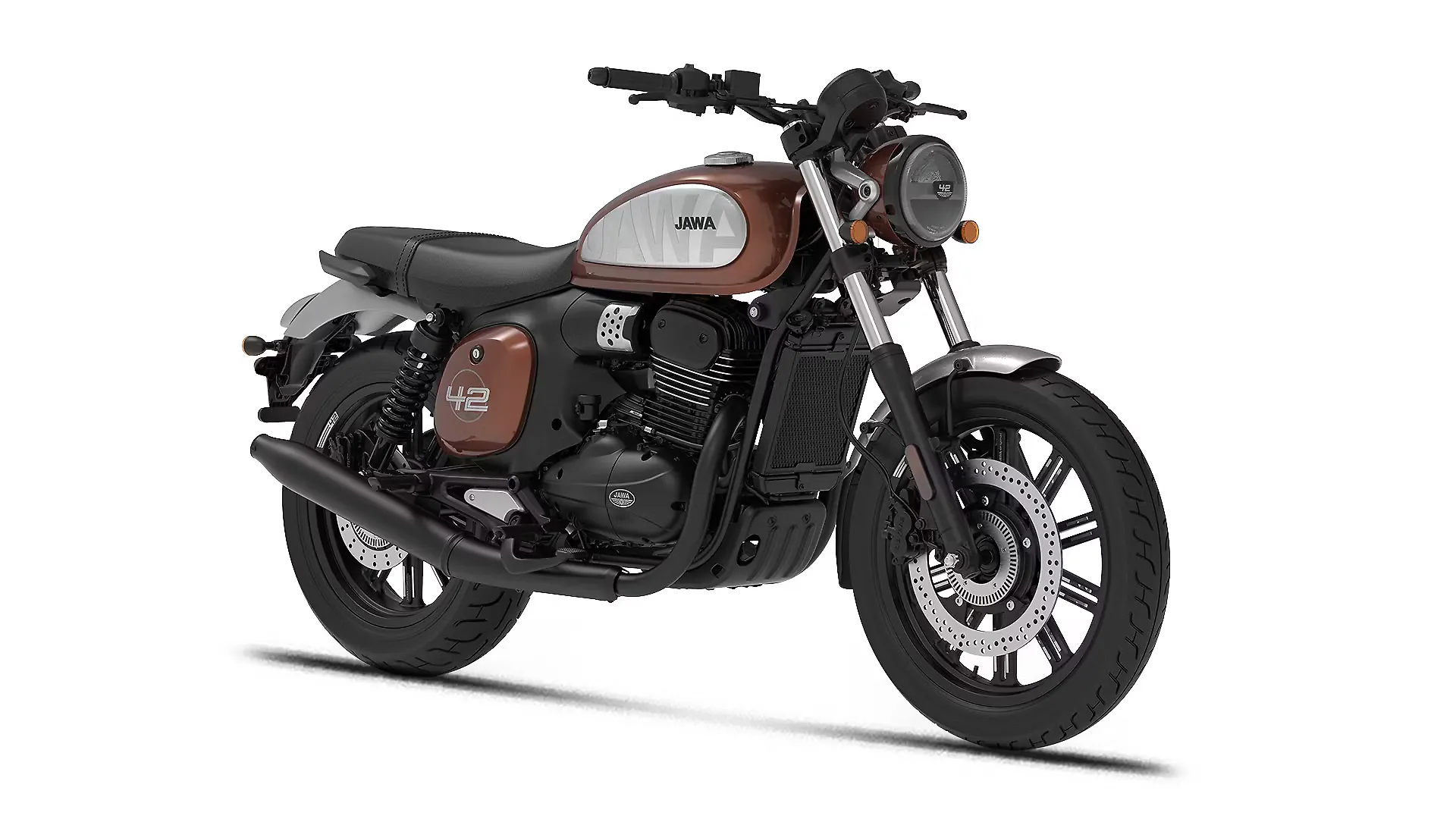
Bike Image 2 https://motoautiv.com/wp-content/uploads/2025/11/42fjmystiquecopper.webp
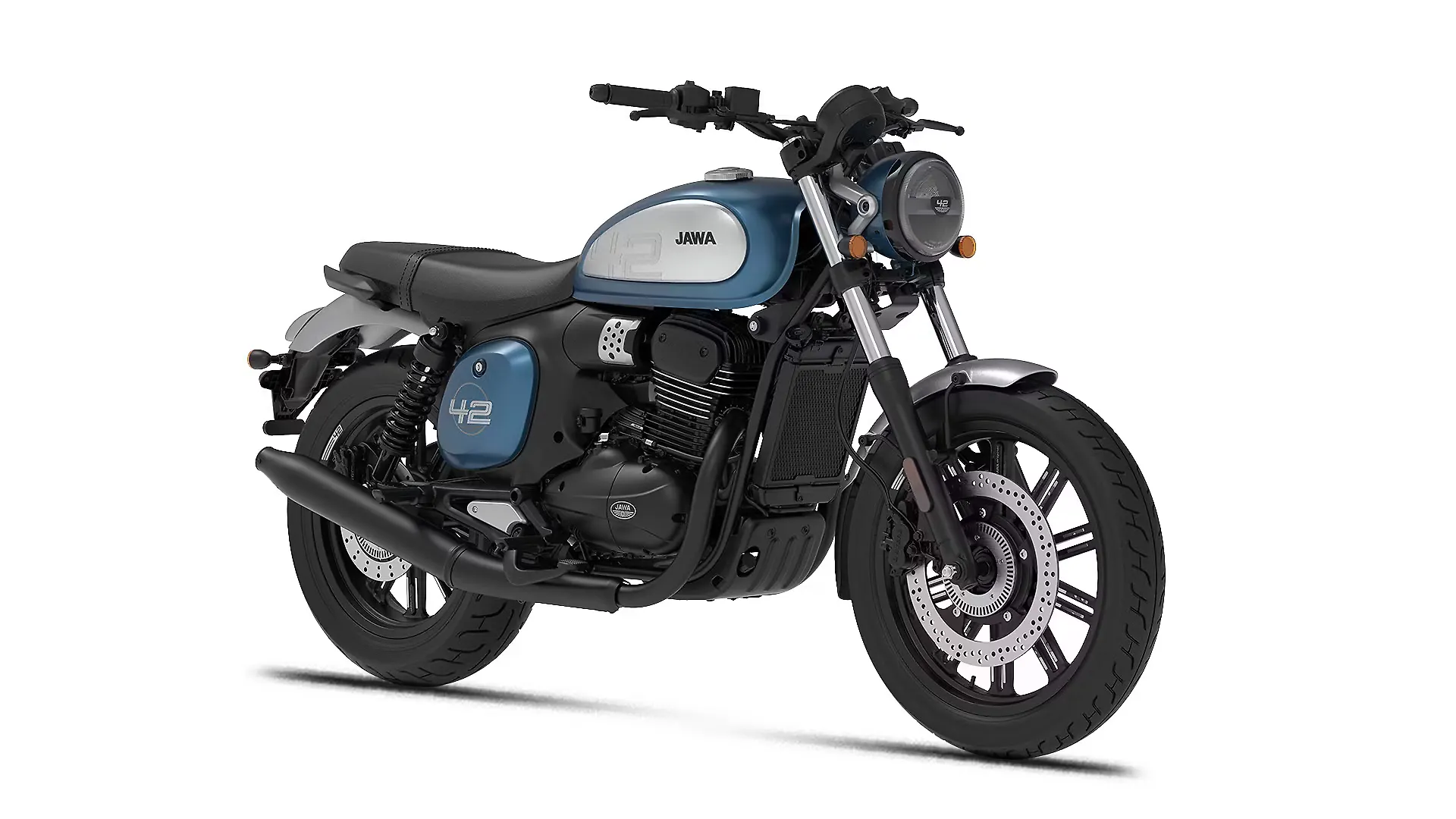
Bike Image 3 https://motoautiv.com/wp-content/uploads/2025/11/42fjcosmobluematte.webp
Color Options RED GREY Mystique Copper Deep Black Matte Black Clad Aurora Green Matte Deep Black Matte Red Clad Cosmo Blue Matte
Cons The bike is on the heavier side, and this weight becomes noticeable during low-speed maneuvers, U-turns, or parking in tight city spaces. Fuel tank capacity is relatively small for a 500cc motorcycle, meaning touring riders may need more frequent fuel stops. The suspension can feel firm over broken roads, and sharp bumps may not be absorbed as smoothly as expected. The engine, while smooth, is not aggressively powerful — riders seeking quick acceleration or sportbike-like performance may find it a bit gentle. Some components and fit-and-finish details do not feel as premium as other bikes in the same price bracket. Limited dealership and service network in certain regions may affect ease of ownership. Limited modern features – Lacks advanced electronics, ride modes, or connectivity options. Reliability concerns – Some owners report minor mechanical or electrical issues. After-sales and parts availability – Service centers may be limited in some areas, and spare parts can be hard to get. Comfort limitations for long rides – Pillion seat and luggage capacity are limited; not ideal for long-distance touring. Moderate fuel efficiency – Real-world mileage may be lower than expected in heavy traffic or aggressive riding.
Detailed Overview When you swing your leg over the Leoncino 500, the first thing you notice is that it doesn’t feel like a heavy, intimidating “big bike.” Its 500 cc, liquid-cooled, parallel-twin engine—built with a DOHC, 8-valve layout and a bore/stroke of 69 × 66.8 mm—offers a nice balance: enough punch to make each twist of the wrist satisfying, without being overly fierce or jerky. With around 35 kW (≈ 47.5 PS) at 8,500 rpm and 46 Nm torque at 6,000 rpm, the power delivery doesn’t spike — it builds progressively. In practical riding, that translates to a throttle that’s forgiving in traffic, yet confident when you want to overtake or cruise smoothly on open roads. It won’t throw you back in the seat, but it will carry you along with reassuring steadiness. Mated to a six-speed gearbox and a conventional chain final drive, the riding experience feels grounded. The wet multi-plate clutch gives clean, predictable engagement — useful when pulling away at traffic lights or crawling in city bustle. Because the engine isn’t hyper-aggressive, clutch work stays manageable; the Leoncino remains friendly even for someone transitioning into a middle-weight bike. The chassis and underpinnings do more than just hold things together — they shape the ride’s character. A steel trellis frame gives the Leoncino a firm backbone that also offers a touch of flexibility to soak up minor road flaws. Up front, a 50 mm inverted fork works together with a preload-adjustable rear mono-shock to deliver suspension behaviour that’s more composed than harsh — meaning city potholes, speed-breakers, or imperfect tarmac aren’t punished on your spine. The 17-inch alloy wheels shod in reasonably sporty tyres (120/70-R17 front, 160/60-R17 rear) enhance stability and responsiveness when carving corners or cutting through slow-moving traffic. The geometry and ergonomics strike a clever balance: at roughly 2160 mm long, 875 mm wide and 1160 mm tall, with a wheelbase around 1460–1490 mm, the Leoncino has enough presence to feel stable — not twitchy or nervous. A seat height of ~790–815 mm keeps reach manageable for many riders, striking a middle ground: upright enough for comfort on longer rides, yet low enough for confidence at stops. What this means on Indian roads is that the Leoncino can be surprisingly practical for both city and occasional weekend highway duty — though its 207 kg curb weight does remind you to be smooth in heavy traffic or U-turns. When it’s time to slow down or stop, the Leoncino doesn’t let you down. Dual 320 mm discs up front, paired with a 260 mm disc at the rear — all with dual-channel ABS — give braking that’s confident and progressive, not grabby. Whether you’re carrying a pillion, riding solo, or braking hard in a sudden traffic stop, the setup inspires control. Fuel-wise, its 12.7-litre tank might not scream “long-distance tourer,” but combined with the relatively efficient 500 cc twin, it makes the Leoncino handy for daily commuting and short-to-medium rides. For a rider commuting in mixed city-highway conditions, occasional fuel-ups aren’t a chore. And because the bike isn’t tuned for maximum range, the ride still feels alive — engaging for morning traffic and evening returns alike. In terms of attitude and feel, the Leoncino 500 defines a sweet middle ground. It doesn’t pretend to be a stripped-down commuter, but nor does it put on airs as a heavy cruiser. Its modest displacement, manageable weight, and composed suspension make it friendly enough for newer middle-weight riders, yet its engine character, chassis solidity, and braking setup give it enough credibility for seasoned riders seeking a reliable everyday or weekend bike. Yet no machine is perfect, and Leoncino 500 comes with trade-offs—ones you’d want to understand before committing. The modest fuel tank means long rides will require more stops than larger adventure or tourer bikes. The 207 kg weight, while manageable, can feel substantial when manoeuvring in tight traffic or parking in cramped city lanes. If you’re expecting aggressive acceleration or a sportbike-like rush, the Leoncino will seem restrained — it’s tuned for balance and usability, not adrenaline-fueled bursts. For long highway runs or two-up touring, the comfort is decent but not plush — it’s not designed as a luxury tourer. In essence, the Leoncino 500 feels like an honest, grounded middle-weight — one that doesn’t oversell itself. It aims to be versatile: a companion for daily commutes, a weekend ride when you want to stretch your legs, and a reliable machine for short trips and errands. It isn’t flashy in performance terms, but in everyday ownership it delivers a satisfying mixture of practicality, character, and rideability. If you’re the kind of rider who values balance over extremes, who wants a bike that handles city chaos yet isn’t out of place on a highway — the Leoncino 500 is likely to make a lot of sense. Riding the Jawa 42 FJ feels like you’re commanding a machine that strikes a rare balance — it’s rugged without being raw, modern without giving up its classic soul. Under its skin lives a 334 cc, single-cylinder, liquid-cooled DOHC engine that’s tuned to generate about 29.17 PS of power and 29.62 Nm of torque. That power figure isn’t about wild acceleration; it’s about usable, confident torque right in the midrange — the kind that lets you surge past slow-moving traffic or carry speed comfortably once you’re out on open roads. Because the engine is liquid-cooled, it resists overheating even in stop-go traffic or during longer rides, which is a big plus for both city commuters and weekend travellers. Paired with that engine is a 6-speed constant-mesh gearbox, which gives the 42 FJ a flexibility that many retro-inspired bikes lack. In the city, lower gears help you navigate tight turns and slow zones; crank into the higher gears on the highway, and the bike relaxes into a smooth, sustained rhythm — it doesn’t feel stressed or out of breath. The assist-and-slipper clutch makes downshifts lighter and safer, especially when you’re slowing down hard or tackling steep terrain. This kind of setup means you don’t have to wrestle with clutch levers constantly — the bike does a lot of the work for you. On the road, the frame’s double-cradle design gives the bike a stable backbone. The front suspension is handled by telescopic forks (41 mm), while the rear uses twin shock absorbers with 5-step preload adjustment. In real-world terms, that means potholes and rough patches don’t slam into your spine — there’s just enough give to absorb most imperfections without turning the ride into a mushy mess. Once the road smooths out, the brakes — dual disc with floating calipers and dual-channel ABS — give strong, predictable bite. You feel secure braking hard, even when you’re leaning into a turn or coming down from highway speed. The motorcycle’s dimensions also contribute to its confidence-in-motion: a wheelbase of 1,440 mm gives it stability, while a seat height of 790 mm makes it accessible for many riders without feeling too compact. Ground clearance sits at 178 mm, which helps when you’re navigating over uneven terrain or clearing speed breakers — something very relevant in real-world road conditions. At a kerb weight of around 184 kg, it’s not feather-light, but once moving, it feels planted rather than ponderous. In city traffic, the weight is manageable; on highways, it adds to the sense that the bike is confident and steady. Fueling comes from injection, and though the claimed tank capacity is 12 litres, the real-world balance likely leans toward practicality over long-range touring. For regular commuting and moderate weekend rides, that tank paired with the efficient engine should work well, though it may not give you motorway-range without a stop. Riders who expect to do long-haul touring might need to plan fuel stops more carefully. The wheels are wrapped in road-friendly tyres (100/90-18 up front, 140/70-17 at the rear), which, along with the disc-brake setup, reinforce good grip and handling. The brakes feel responsive — not grabby, but confident. That’s exactly what you want when your speed is building or when traffic messes up your smooth ride. Electronics on the 42 FJ are minimal but practical: there’s a fully digital instrument cluster that shows speed, gear position, fuel, and trip details — all clearly visible so you don’t have to squint or guess. No flashy connectivity gimmicks, but the essentials are covered well. The exhaust comes in a twin layout, which gives the FJ a good exhaust note — neither too loud to be annoying in residential areas, nor too soft to sound uninspiring. In terms of design, the 42 FJ stands out. The brushed aluminium cladding on the tank gives it a distinctive, premium look. It’s not just retro for retro’s sake — the styling feels purposeful, with a bold, modern twist. Colours range from deep matte shades to dual-tone finishes, giving riders a variety of looks to express themselves. Price-wise, the ex-showroom figure starts at around ₹1.93 lakhs and can go to about ₹2.2 lakhs depending on variant and location. Riding one means committing to a machine that’s not just about show: you’re getting a bike with real substance — capable of daily commuting, capable of enjoyable weekend rides, and capable of delivering a retro-modern experience without too many compromises. Overall, the Jawa 42 FJ feels like a well-rounded partner on two wheels. It doesn’t demand constant attention or aggressive riding, but it rewards smooth, thoughtful throttle control and confident road use. For someone looking for a neo-classic bike that’s equally at home in city traffic and on open highways, it’s a choice that marries character with practicality.
Expert Review MotoAutiv Team MotoAutiv Team
FAQ (Manual Override) Q: What is the engine configuration of the Leoncino 500? A: It comes with a 500cc, liquid-cooled, parallel-twin DOHC engine with 8 valves. Q: How much power and torque does it produce? A: The bike makes around 47–48 PS of power at 8,500 rpm and about 46 Nm of torque at 6,000 rpm. Q: What type of gearbox does the Leoncino 500 have? A: It uses a 6-speed manual transmission paired with a wet multi-plate clutch. Q: What is the fuel tank capacity and expected mileage? A: The fuel tank capacity is 12.7 litres, and you can expect real-world mileage of roughly 20–25 kmpl depending on riding conditions. Q: What is the seat height and kerb weight? A: The seat height is approximately 790–815 mm, and the kerb weight is around 207 kg. Q: What suspension setup does the bike use? A: It gets a 50 mm upside-down front fork and a rear mono-shock with preload and rebound adjustability. Q: What wheels and tyres come with the Leoncino 500? A: It rides on 17-inch alloy wheels with tubeless tyres sized 120/70-R17 at the front and 160/60-R17 at the rear. Q: What braking system is offered? A: The bike features dual 320 mm front discs with 4-piston calipers and a 260 mm rear disc, supported by dual-channel ABS. Q: What are the key dimensions of the motorcycle? A: It measures about 2160 mm in length, 875 mm in width, with a wheelbase of around 1460 mm and ground clearance close to 160 mm. Q: Is the Leoncino 500 suitable for long rides? A: Yes, the smooth twin-cylinder engine makes highway riding comfortable, though the small fuel tank means slightly more frequent fuel stops. Q: Who is this bike best suited for? A: It’s ideal for city riders, beginners stepping into the 500cc segment, and weekend tourers who want a stylish, easy-to-ride motorcycle. Q: What is the Jawa 42 FJ? A: It is a modern-styled version of the Jawa 42 with a brushed-metal tank, sporty detailing, and a more premium, neo-retro look. Q: What engine does the Jawa 42 FJ use? A: It uses a 334cc, liquid-cooled, single-cylinder DOHC engine. Q: How much power and torque does it produce? A: It delivers around 29.17 PS of power and 29.62 Nm of torque. Q: What is the mileage of the Jawa 42 FJ? A: Real-world mileage is around 28–32 kmpl depending on riding style. Q: Does the Jawa 42 FJ have a 6-speed gearbox? A: Yes, it comes with a 6-speed constant-mesh gearbox and a slipper clutch. Q: Does the Jawa 42 FJ come with ABS? A: Yes, it features dual-channel ABS for safer braking. Q: What is the seat height of the Jawa 42 FJ? A: The seat height is approximately 790 mm, making it comfortable for most riders. Q: What is the kerb weight of the bike? A: The Jawa 42 FJ weighs around 184 kg. Q: What is the fuel tank capacity? A: It has a 12-litre fuel tank. Q: Is the Jawa 42 FJ good for daily commuting? A: Yes, its smooth engine and comfortable ergonomics make it great for daily use. Q: Is the Jawa 42 FJ suitable for long rides? A: Yes, the stable frame, 6-speed gearbox, and comfortable seating make it capable of touring. Q: What type of brakes does it use? A: It comes with front and rear disc brakes paired with dual-channel ABS. Q: What are the tyre sizes of the Jawa 42 FJ? A: 100/90-18 at the front and 140/70-17 at the rear. Q: What makes the FJ edition different from the regular Jawa 42? A: The FJ gets a brushed-aluminium tank finish, sportier styling, and a more modern premium look. Q: What is the approximate price of the Jawa 42 FJ? A: The ex-showroom price starts around ₹1.93 lakh and varies by location.
Fuel System Electronic Fuel Injection
Price Variants | 560000 | 193000
Pros The Leoncino 500 has a very distinctive neo-retro design that instantly stands out, giving it a stylish presence that many riders appreciate. Its 500cc parallel-twin engine is smooth, predictable, and friendly, making it easy to manage in city traffic while still delivering enough power for enjoyable highway cruising. The low seat height and upright ergonomics make the bike accessible and comfortable for a wide range of riders, especially those who want a relaxed riding posture. Handling feels confidence-inspiring thanks to wide handlebars, good weight distribution, and a planted feel through corners. Braking performance is strong due to the dual front discs and ABS, offering stability and reassurance even during sudden stops. Build quality feels solid and the bike gives a “big-bike” road presence, which appeals to riders upgrading from smaller displacement motorcycles. The exhaust note has a pleasing, refined twin-cylinder character that many owners enjoy. Retro-modern styling – Classic look with modern touches makes it stand out. Decent engine performance – The 294 cc engine with 6-speed gearbox provides good acceleration and city/highway usability. Comfortable ergonomics – Low seat height and upright riding stance make it accessible for most riders. Blend of old-school charm + modern basics – Features like disc brakes, ABS, and alloy/spoke wheel options balance nostalgia with practicality. Fun to ride – Lightweight and responsive, ideal for weekend rides or casual city commuting.
Starter Electric
Transmission 6- Speed 6–Speed