Quick Analysis
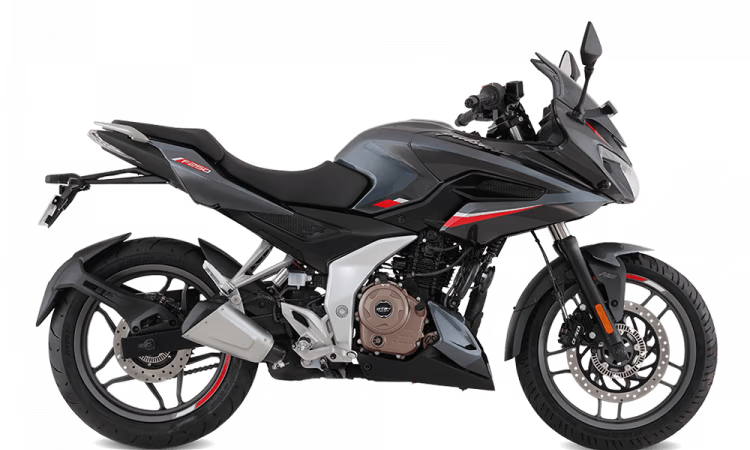
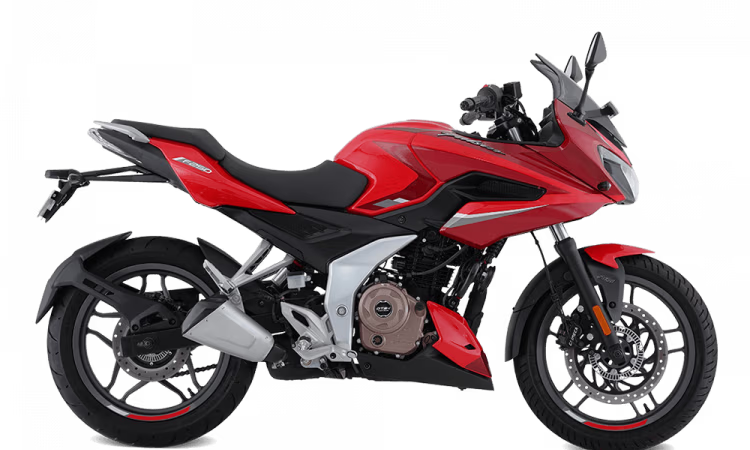
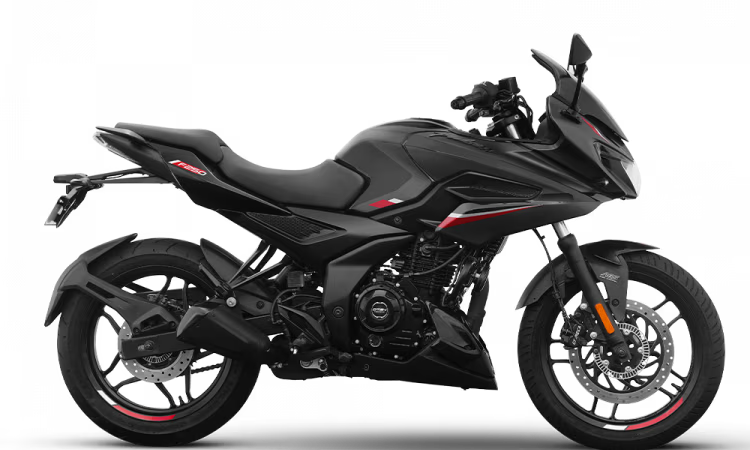
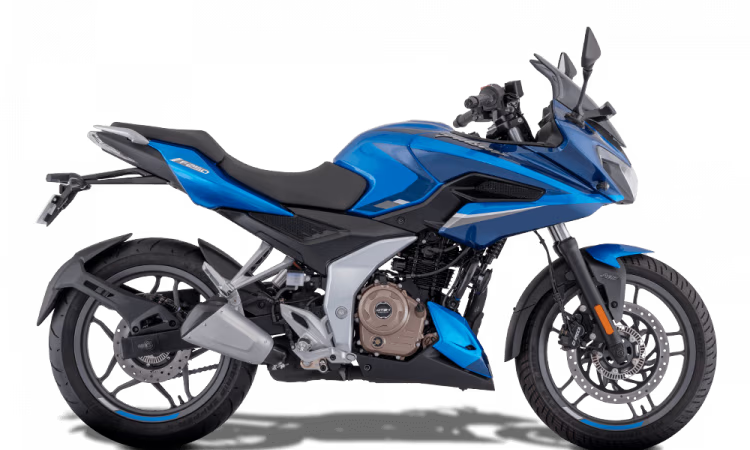
Bajaj Pulsar F250
16.0 pts
Unweighted: 11 advantages
EnginePerformanceDimensionsBrakesTyresFeaturesOther
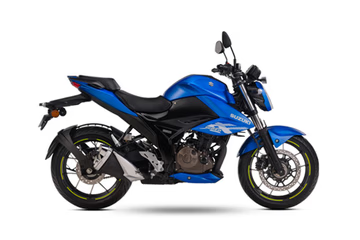
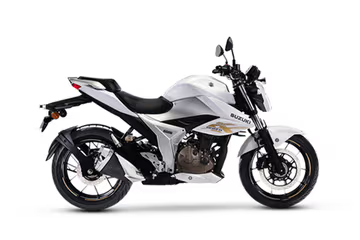
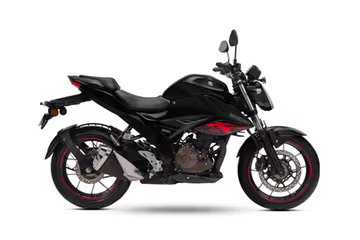
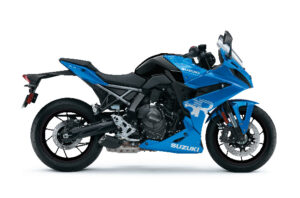
Suzuki Gixxer 250
12.0 pts
Unweighted: 8 advantages
EnginePerformanceDimensionsBrakesTyresFeaturesOther
| Specification | ||
|---|---|---|
Engine Specifications |
||
| Cooling System | Oil‑cooled | Oil cooled |
| Displacement | 249.07 cc | 249 cc |
| Engine Type | Single cylinder, 4 stroke, SOHC, 2 Valve, Oil cooled, FI | 4-Cycle, 1-cylinder, Fuel Injection SOHC, 6 Speed |
| Power | 18 kW (24.5 PS) @ 8,750 rpm | 26.5 PS @ 9300 rpm |
| Torque | 21.5 Nm @ 6,500 rpm | 22.2 Nm @ 7300 rpm |
Performance & Efficiency |
||
| Fuel Tank Capacity | 14 L | 12.0 L |
| Mileage | 35 Kmpl | 38 Kmpl |
Dimensions & Weight |
||
| Kerb Weight | 162 | 156 |
| Seat Height | 795 | 800 |
Brakes & Suspension |
||
| ABS | Dual-channel ABS | Dual Channel ABS |
| Front Brake | 300 mm Disc | 300 mm Disc |
| Front Suspension | USD telescopic fork (37 mm) | Telescopic |
| Rear Brake | 230 mm Disc | 220 mm Disc |
| Rear Suspension | Nitrox mono‑shock | Swing arm |
Tyres & Wheels |
||
| Front Tyre | 100/80–17 Tubeless | 110/70R17 |
| Rear Tyre | 130/70–17 Tubeless | 150/60R17 |
| Tyre Type | Tubeless | Tubeless |
| Wheel Type | Alloy | Alloy |
Features & Technology |
||
| Headlight | LED projector + DRLs | LED |
Other Specifications |
||
| Battery | 12 V, 8 Ah VRLA | 12V 6Ah |
| Bike Image 1 | https://motoautiv.com/wp-content/uploads/2025/07/Blue-4.avif | https://motoautiv.com/wp-content/uploads/2025/06/BLue-3.avif |
| Bike Image 2 | https://motoautiv.com/wp-content/uploads/2025/07/Techno-grey.avif | https://motoautiv.com/wp-content/uploads/2025/06/White-4.avif |
| Bike Image 3 | https://motoautiv.com/wp-content/uploads/2025/07/Racing-red-2.avif | — |
| Cluster | Fully digital LCD w/ Bluetooth & navigation | Digital |
| Color Options | Caribbean Blue | #0066B3 Racing Red | #C1121F Techno Grey | #6A6D70 Brooklyn Black | #1B1B1B | Pearl Glacier White | #F4F5F2 Metallic Triton Blue | #1B4FAF Glass Sparkle Black | #1A1A1C |
| Cons | Limited Top-End Performance – While the engine performs strongly in the mid-range, some riders may find the top-end performance less exciting compared to more performance-focused rivals. Five-Speed Gearbox Only – Several competitors in the segment offer a six-speed gearbox, which some riders prefer for relaxed highway cruising. Feature List Depends on Variant – Certain connectivity and convenience features are available only on selected versions of the motorcycle. Front Design Divides Opinion – The semi-faired styling and projector headlamp design receive mixed reactions, with styling preferences varying among buyers. Suspension Can Feel Firm on Sharp Bumps – Although comfortable overall, sharp potholes and broken roads can occasionally transmit noticeable feedback to the rider. Weight Noticeable at Low Speeds – The motorcycle remains manageable while moving, but some riders may notice its weight during parking manoeuvres and slow-speed handling. Competition Offers More Premium Hardware – Some rivals provide upside-down forks, liquid-cooled engines, quickshifters, or more advanced electronics at similar price points. Aftermarket Touring Accessories Are Less Common – Compared with some established touring motorcycles, dedicated aftermarket accessories and touring-specific modifications are relatively limited. | Feature List Is Relatively Basic – Compared to some rivals, the motorcycle lacks features such as ride modes, traction control, smartphone connectivity, and advanced electronics. Suspension Can Feel Firm on Broken Roads – Sharp bumps and potholes can be transmitted more noticeably than on some comfort-focused motorcycles. Top-End Performance Is Not the Main Focus – The engine emphasizes usable mid-range power rather than high-rev performance, which may not appeal to riders looking for a more aggressive character. Design Has Changed Gradually Over the Years – While muscular and modern, the styling has remained broadly familiar and may appear less dramatic than some newer competitors. Limited Touring Features – Wind protection, luggage options, and touring-oriented equipment are relatively minimal in stock form. Rear Seat Comfort Is Average – The pillion seat is suitable for shorter rides but may feel less accommodating during longer journeys. Instrument Cluster Lacks Modern Connected Features – Riders looking for navigation, call alerts, or app integration may find stronger alternatives elsewhere. |
| Detailed Overview | Among motorcycles designed to balance daily commuting with highway touring, the Bajaj Pulsar F250 occupies a distinctive position in the 250cc segment. Unlike conventional naked street bikes, the F250 adopts a semi-faired design that introduces additional wind protection while retaining the practicality and accessibility expected from a sports commuter motorcycle. It is positioned as one of the larger-capacity offerings in the Pulsar lineup and combines modern styling, contemporary features, and a performance-oriented engine package aimed at a wide range of riding conditions. The motorcycle features a sharp front fairing integrated with a projector LED headlamp and LED daytime running lights. This semi-faired bodywork not only contributes to the motorcycle’s visual identity but also helps channel airflow around the rider during highway travel. A sculpted fuel tank, split-seat configuration, and compact rear section further complement its sporty appearance. Unlike fully-faired sports motorcycles that prioritize aggressive riding positions, the F250 maintains ergonomics intended to support both comfort and control during everyday use. Power comes from a 249.07cc single-cylinder, fuel-injected, oil-cooled engine that produces approximately 24.5 PS of power and 21.5 Nm of torque. The engine is paired with a five-speed gearbox and is designed to deliver a broad spread of usable performance across varying riding situations. Strong low- and mid-range torque characteristics allow the motorcycle to respond effectively during city commuting, overtaking manoeuvres, and highway cruising. Fuel injection technology helps provide precise throttle response and efficient fuel delivery, while the oil-cooling system assists in maintaining stable operating temperatures during prolonged rides. The Pulsar F250 is built around a tubular frame chassis that serves as the foundation for its handling characteristics. Suspension duties are managed by telescopic front forks and a rear monoshock suspension setup. This combination is designed to absorb road imperfections while maintaining stability and rider confidence across different road surfaces. The chassis geometry and wheelbase contribute to predictable handling, whether navigating urban traffic, cornering on winding roads, or travelling at highway speeds. Braking performance is handled by disc brakes at both ends, supported by dual-channel ABS as standard equipment. The anti-lock braking system helps reduce wheel lock-up during hard braking and assists riders in maintaining control under challenging conditions. The motorcycle also incorporates an assist and slipper clutch, which reduces clutch lever effort and helps improve stability during rapid downshifts. Modern features form an important part of the overall package. The motorcycle includes a digital instrument console that displays speed, fuel level, gear position, trip information, distance-to-empty readings, and other ride-related data. Bluetooth connectivity is available on selected variants, enabling smartphone-based functions such as call alerts, message notifications, and turn-by-turn navigation. LED lighting throughout the motorcycle contributes to visibility while maintaining a contemporary appearance. Comfort-oriented ergonomics distinguish the F250 from many sport-focused alternatives. The upright riding posture, wide handlebar, and spacious seating arrangement are designed to reduce rider fatigue during longer journeys. A seat height of approximately 795 mm makes the motorcycle accessible to a broad range of riders, while the split-seat design accommodates both rider and passenger. The 14-litre fuel tank further supports long-distance travel by reducing the frequency of refuelling stops. With its 249cc oil-cooled engine, semi-faired design, modern technology, dual-channel ABS, and touring-friendly ergonomics, the Bajaj Pulsar F250 combines the characteristics of a sports commuter motorcycle with features intended to enhance comfort and usability across a variety of riding environments. | The Suzuki Gixxer 250 is a quarter-litre street motorcycle designed to bridge the gap between everyday commuter bikes and larger performance-oriented machines. It is part of Suzuki’s Gixxer family and follows a naked streetfighter design philosophy, combining a muscular appearance with a relatively straightforward mechanical package. Unlike fully faired sport bikes that focus heavily on aerodynamic styling, the Gixxer 250 exposes much of its engine and chassis, giving it a more upright and practical character for daily riding. Powering the motorcycle is a 249cc single-cylinder, oil-cooled engine. Suzuki uses its Suzuki Oil Cooling System (SOCS), which differs from a conventional liquid-cooling setup. Instead of relying primarily on coolant flowing through a radiator, the system uses engine oil to help manage temperatures. The engine produces approximately 26.5 PS of power and 22.2 Nm of torque, figures that place it within the quarter-litre category. Power is delivered through a six-speed gearbox, allowing the rider to choose appropriate gearing for city traffic, highway cruising, or overtaking situations. The engine is designed to provide a broad spread of usable performance across the rev range. Rather than concentrating all of its performance at high engine speeds, it delivers much of its torque in the mid-range, which is particularly useful during everyday riding. This characteristic reduces the need for frequent gear changes when navigating traffic or riding through varying road conditions. The motorcycle is built around a steel frame that supports both the engine and suspension components. Suspension duties are handled by telescopic front forks and a rear monoshock. The front forks absorb road irregularities and help maintain steering stability, while the rear suspension supports rider and passenger weight while contributing to overall ride quality. The suspension setup is intended to balance comfort and control rather than prioritizing either extreme sportiness or softness. Braking is managed by disc brakes at both ends. The front wheel uses a larger disc for primary stopping power, while the rear disc provides additional braking support. Dual-channel ABS is offered as standard equipment, allowing both wheels to benefit from anti-lock braking functionality. The system is designed to reduce wheel lock-up during hard braking situations. The Gixxer 250 rides on alloy wheels fitted with tubeless tyres. The tyre sizes are selected to support the motorcycle’s handling characteristics while maintaining stability at higher speeds. With a kerb weight of approximately 156 kg, the motorcycle remains relatively light for its engine category, which influences both manoeuvrability and low-speed handling. The fuel tank has a capacity of 12 litres and is shaped with pronounced extensions that contribute to the motorcycle’s streetfighter styling. The riding position combines a wide handlebar, mid-set footpegs, and an upright seating posture. This arrangement allows riders to maintain a natural posture during city commuting while still offering sufficient control during faster riding. A fully digital instrument cluster provides riding information such as speed, fuel level, gear position, trip data, fuel efficiency information, and other vehicle-related details. LED lighting is used for the headlamp and tail lamp, contributing to visibility and reducing electrical load compared with conventional bulb systems. In terms of design, the Gixxer 250 uses sharp body panels, exposed mechanical components, and a compact tail section. The styling reflects the naked street motorcycle category, where the focus is on showcasing the motorcycle’s mechanical elements rather than covering them with extensive bodywork. Overall, the Suzuki Gixxer 250 combines a 249cc oil-cooled engine, six-speed gearbox, dual-channel ABS, digital instrumentation, and streetfighter-inspired styling into a motorcycle intended for a mix of city riding, highway travel, and general-purpose use. |
| Expert Review | Designed around a semi-faired sports commuter concept, the Bajaj Pulsar F250 combines a 249.07cc single-cylinder, fuel-injected, oil-cooled engine with ergonomics that prioritize everyday comfort and highway usability. The engine delivers its strongest performance in the low and mid-range, allowing the motorcycle to handle city traffic and overtaking manoeuvres with minimal effort. The front fairing and windscreen provide a degree of wind protection that is not available on most naked motorcycles, making longer highway journeys more comfortable. Suspension duties are handled by telescopic front forks and a rear monoshock, while disc brakes with dual-channel ABS contribute to predictable braking performance. Features such as LED lighting, a digital instrument cluster, Bluetooth connectivity, and navigation support on selected variants add modern functionality. The motorcycle focuses on smooth power delivery and practical riding characteristics rather than aggressive high-rev performance, positioning it as a versatile option for riders who split their time between daily commuting and occasional touring., 4.3, MotoAutiv Team | The Suzuki Gixxer 250 approaches the quarter-litre segment from a slightly different angle than many of its rivals. Instead of focusing on aggressive performance figures or a long list of electronic features, it emphasizes a balanced riding experience. The 249cc oil-cooled engine delivers its power in a smooth and accessible manner, making the motorcycle easy to ride in both city traffic and on open roads. Its relatively light weight and neutral handling characteristics help it feel approachable, while the upright ergonomics contribute to rider comfort during longer periods in the saddle. The motorcycle does not demand constant high-rev riding to access its performance, and this relaxed nature becomes noticeable in everyday use. At the same time, the feature list remains fairly simple by current segment standards, and buyers looking for advanced electronics or a more aggressive riding character may find stronger alternatives elsewhere. Overall, the Gixxer 250 presents itself as a motorcycle built around usability, predictable performance, and versatility rather than outright speed or technology., 4.3, MotoAutiv Team |
| FAQ (Manual Override) | Q: What is the engine capacity of the Bajaj Pulsar F250? A: The motorcycle is powered by a 249.07cc single-cylinder, fuel-injected, oil-cooled engine paired with a 5-speed gearbox. Q: Is the Bajaj Pulsar F250 suitable for daily commuting? A: Yes. Its upright riding position, smooth power delivery, and manageable dimensions make it comfortable for everyday city use. Q: What mileage does the Pulsar F250 deliver? A: Most owners report a real-world fuel efficiency of around 32–40 kmpl, depending on riding style, traffic conditions, and maintenance. Q: Is the Pulsar F250 good for highway touring? A: Yes. The semi-fairing, windscreen, comfortable ergonomics, and relaxed engine character make it well-suited for long-distance highway rides. Q: Does the Pulsar F250 have dual-channel ABS? A: Yes. Dual-channel ABS comes as standard and helps improve braking control during emergency stops. Q: What is the top speed of the Bajaj Pulsar F250? A: Under suitable conditions, the motorcycle can reach approximately 130–140 km/h, depending on rider weight, road conditions, and weather. Q: Does the Pulsar F250 have Bluetooth connectivity? A: Selected variants feature Bluetooth connectivity with functions such as call alerts, message notifications, and turn-by-turn navigation. Q: What is the fuel tank capacity of the Pulsar F250? A: The motorcycle comes with a 14-litre fuel tank, suitable for longer rides between fuel stops. Q: What is the seat height of the Bajaj Pulsar F250? A: The seat height is approximately 795 mm, making it accessible to riders of varying heights. Q: Is the Pulsar F250 comfortable for a pillion rider? A: The split-seat setup offers adequate space and cushioning for a passenger, making it suitable for daily commuting and occasional touring. Q: Does the Pulsar F250 have a slipper clutch? A: Yes. The motorcycle is equipped with an assist and slipper clutch, which helps reduce rear-wheel hop during aggressive downshifts and provides a lighter clutch feel. Q: How does the Pulsar F250 differ from the Pulsar N250? A: Both motorcycles share the same engine and core platform, but the F250 features a semi-faired design with a windscreen for better wind protection, while the N250 follows a naked street-bike layout. Q: Is the Pulsar F250 beginner-friendly? A: Riders with basic riding experience can adapt to the motorcycle comfortably thanks to its predictable power delivery, comfortable ergonomics, and manageable handling. Q: Does the Pulsar F250 vibrate at high speeds? A: The engine is generally considered refined, although mild vibrations may be noticeable at higher RPMs and sustained highway speeds. Q: What type of motorcycle is the Bajaj Pulsar F250? A: It is classified as a sports commuter motorcycle with a semi-faired design, combining everyday practicality with enhanced highway comfort. Q: Are spare parts and service support easily available? A: Yes. Bajaj has a widespread dealership and service network across India, making routine maintenance and spare parts procurement relatively convenient. | Q: Is Suzuki Gixxer 250 a good bike for daily use? A: The Suzuki Gixxer 250 is designed to balance city commuting and highway riding. Its upright ergonomics, manageable weight, and smooth engine characteristics make it suitable for regular everyday use. Q: What is the real mileage of Suzuki Gixxer 250? A: The real-world mileage of the Suzuki Gixxer 250 generally ranges between 32 km/l and 38 km/l, depending on riding style, traffic conditions, and maintenance. Q: What is the top speed of Suzuki Gixxer 250? A: The Suzuki Gixxer 250 can achieve a top speed of approximately 135–140 km/h, depending on rider weight, road conditions, and weather. Q: What is the engine capacity of Suzuki Gixxer 250? A: The motorcycle is powered by a 249cc single-cylinder, oil-cooled engine. Q: How much power does the Suzuki Gixxer 250 produce? A: The engine produces approximately 26.5 PS of power and 22.2 Nm of torque. Q: Does Suzuki Gixxer 250 have a slipper clutch? A: No, the Suzuki Gixxer 250 does not come equipped with an assist-and-slipper clutch. Q: Does Suzuki Gixxer 250 have traction control? A: No, the motorcycle does not offer traction control. Q: Does Suzuki Gixxer 250 have Bluetooth connectivity? A: No, the Suzuki Gixxer 250 does not include Bluetooth connectivity or smartphone-based navigation features. Q: What is the fuel tank capacity of Suzuki Gixxer 250? A: The Suzuki Gixxer 250 comes with a 12-litre fuel tank. Q: What is the kerb weight of Suzuki Gixxer 250? A: The motorcycle weighs approximately 156 kg in running condition. Q: What is the seat height of Suzuki Gixxer 250? A: The Suzuki Gixxer 250 has a seat height of approximately 800 mm. Q: Is Suzuki Gixxer 250 comfortable for long rides? A: The motorcycle's upright riding position and relaxed ergonomics make it suitable for occasional touring and longer highway journeys. Q: Which is better: Suzuki Gixxer 250 or KTM 250 Duke? A: The Suzuki Gixxer 250 focuses on smooth performance, comfort, and everyday usability, while the KTM 250 Duke places greater emphasis on aggressive performance and technology. Q: Which is better: Suzuki Gixxer 250 or Bajaj Dominar 250? A: The Suzuki Gixxer 250 is lighter and easier to manage in city traffic, whereas the Bajaj Dominar 250 is more touring-oriented with a larger overall footprint. Q: Does Suzuki Gixxer 250 have dual-channel ABS? A: Yes, the Suzuki Gixxer 250 comes equipped with dual-channel ABS as standard. Q: What are the key features of Suzuki Gixxer 250? A: Key features include a 249cc oil-cooled engine, dual-channel ABS, LED headlamp and tail lamp, fully digital instrument cluster, split seat setup, alloy wheels, and tubeless tyres. |
| Fuel System | Fuel Injection | Fuel Injection |
| Price Variants | STD | 144267 Dual Channel ABS | 151037 | STD | 183775 |
| Pros | Strong Mid-Range Performance – The 249.07cc engine delivers ample torque in the low and mid rev range, making city riding, overtaking, and highway cruising feel effortless. Comfortable Touring Ergonomics – The semi-faired design, upright riding position, and well-cushioned seat help reduce fatigue during long-distance rides. Effective Wind Protection – Unlike naked street bikes, the front fairing and windscreen provide noticeable protection from wind blast at highway speeds. Refined Engine Character – Riders generally appreciate the smooth power delivery and predictable throttle response, especially during daily commuting and touring. Stable Highway Behaviour – The motorcycle remains composed at cruising speeds, offering a planted feel on open roads and long stretches of highway. Good Ride Quality – The suspension setup absorbs most road imperfections effectively, helping maintain comfort on uneven surfaces and rough patches. Practical for Everyday Use – Despite its 250cc engine, the F250 remains manageable in urban traffic and does not feel intimidating for regular commuting. Modern Features – Depending on the variant, features such as LED lighting, Bluetooth connectivity, turn-by-turn navigation, and a digital instrument console add convenience to everyday riding. Large Fuel Tank for Longer Journeys – The fuel tank capacity supports extended rides by reducing the need for frequent fuel stops. | Strong Mid-Range Performance – The 249cc oil-cooled engine delivers most of its performance in the mid-range, making the motorcycle feel responsive during overtakes and everyday riding without requiring constant gear changes. Refined Engine Character – The engine remains smooth across much of the rev range, with vibrations generally well controlled for a single-cylinder motorcycle. Comfortable Riding Position – Unlike many aggressive streetfighters, the Gixxer 250 uses relatively relaxed ergonomics that are suitable for daily commuting as well as longer rides. Good Balance Between City and Highway Use – The motorcycle feels manageable in urban traffic while also having enough performance for highway cruising. Lightweight for a 250cc Motorcycle – At around 156 kg kerb weight, it is lighter than several competitors in the quarter-litre segment, helping with manoeuvrability. Stable and Predictable Handling – The chassis offers neutral handling characteristics that make the bike easy to ride for both newer and experienced riders. Fully Digital Instrument Console – The display provides essential ride information in a clear and straightforward layout. LED Lighting System – LED headlamp and tail lamp improve visibility and contribute to the motorcycle's modern appearance. Good Fuel Efficiency for the Segment – The engine's tuning and oil-cooling system help deliver fuel economy figures that are generally competitive within the 250cc class. |
| Starter | Electric | Electric |
| Transmission | 5‑speed manual | 6 Speed Manual |