Quick Analysis
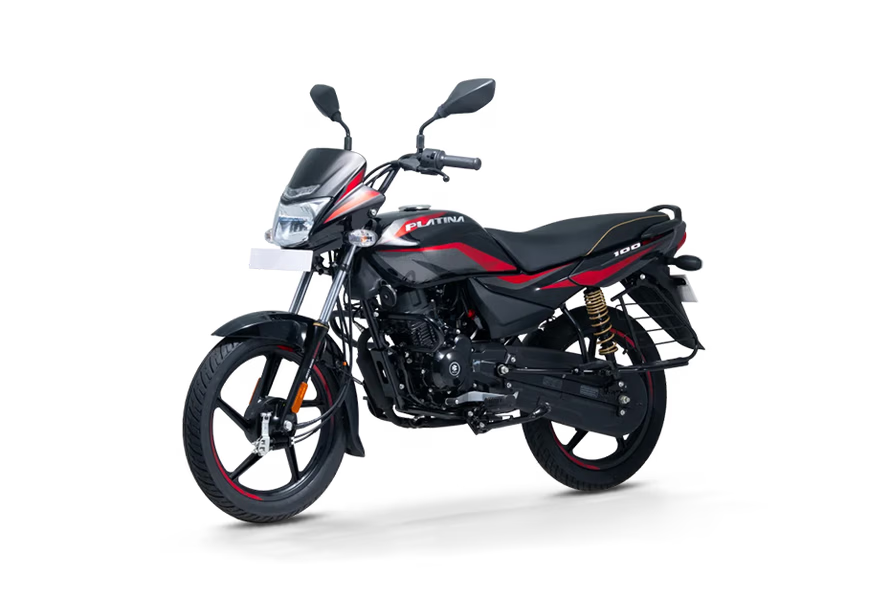
Bajaj Platina 100
25.5 pts
Unweighted: 14 advantages
EnginePerformanceDimensionsBrakesTyresFeaturesOther
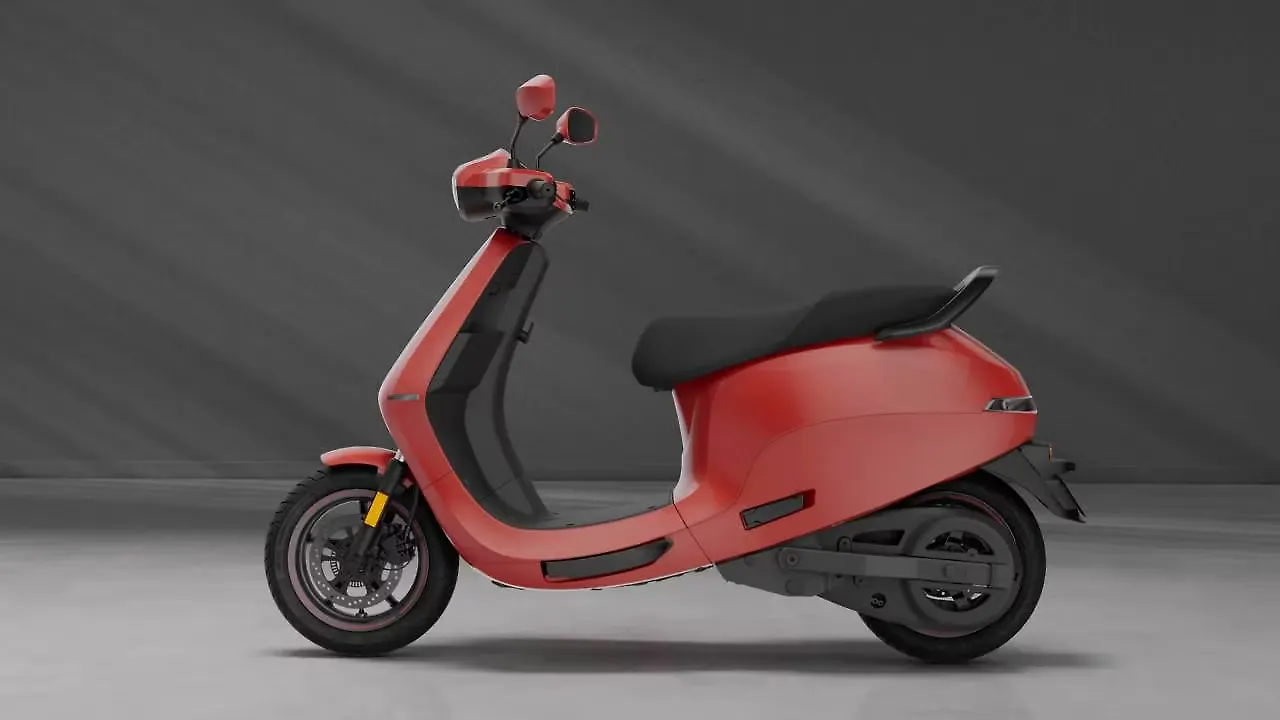
Ola S1 Pro
21.0 pts
Unweighted: 31 advantages
EnginePerformanceDimensionsBrakesTyresFeaturesOther
| Specification | ||
|---|---|---|
Engine Specifications |
||
| Cooling System | Air‑cooled | — |
| Displacement | 99.59 cc | — |
| Engine Type | 4‑Stroke, DTS‑i, Single Cylinder | — |
| Power | 8.2 PS @ 7500 rpm | 11 kW |
| Torque | 8.3 Nm @ 5,500 rpm | 58 Nm |
Performance & Efficiency |
||
| Fuel Tank Capacity | 11 L | — |
| Mileage | 70 Kmpl | — |
Dimensions & Weight |
||
| Kerb Weight | 117 | 109 |
| Seat Height | 807 | 791 |
Brakes & Suspension |
||
| ABS | Anti-Skid Braking System | Dual Channel ABS |
| Front Brake | 130 mm Drum | Disc 2 Piston |
| Front Suspension | 135 mm Hydraulic Telescopic | Twin Telescopic |
| Rear Brake | 10 mm Drum | Disc 1 Piston |
| Rear Suspension | 110 mm Spring‑in‑Spring | Monoshock |
Tyres & Wheels |
||
| Front Tyre | 2.75 × 17 41 P Tube Type | 90/90 - R12 |
| Rear Tyre | 3.00 × 17 50 P Tube Type | 90/90 - R12 |
| Tyre Type | Tube | Tubeless |
| Wheel Type | Alloy | Alloy |
Features & Technology |
||
| Headlight | 12 V, 35/35 W HS1 with LED DRL | LED |
Other Specifications |
||
| 0–40 km/h (s) | — | 2.6 |
| Anti-Theft / IoT Tracking | — | Yes |
| App Connectivity | — | Yes |
| Battery | 12 V 4 AH | — |
| Battery Capacity (kWh) | — | 3.5 |
| Battery Chemistry | — | Li-ion |
| Battery Warranty (Years) | — | 3 |
| Bike Image 1 | https://motoautiv.com/wp-content/uploads/2025/07/Black-and-White.avif | https://motoautiv.com/wp-content/uploads/2025/12/s1proporcelainwhite-1.webp |
| Bike Image 2 | https://motoautiv.com/wp-content/uploads/2025/07/Blue-1.avif | https://motoautiv.com/wp-content/uploads/2025/12/s1projetblack-1.webp |
| Bike Image 3 | https://motoautiv.com/wp-content/uploads/2025/07/Red-2.avif | https://motoautiv.com/wp-content/uploads/2025/12/s1prostellarblue-1.webp |
| Bike Image 4 | — | https://motoautiv.com/wp-content/uploads/2025/12/s1promidnightblue-1.webp |
| Built-in GPS Navigation | — | Yes |
| Charger Output Power (kW) | — | 0.6 |
| Charging Port Type | — | Proprietary |
| Charging Time (Fast) | — | 4.7 |
| Charging Time (Standard) | — | 6.5 hrs |
| Color Options | Blue | #2456A6 Red | #A00000 Black and White | #111111, #F2F2EE Black and Red | #111111, #A00000 | Porcelain White | #F5F5F2 Jet Black | #0F0F10 Silver | #BFC1C2 Passion Red | #C1121F Stellar Blue | #2A4B8D Midnight Blue | #191970 |
| Connectivity Features | — | Eco, Normal, Sport, Hyper (variant dependent) |
| Cons | Performance is limited, especially during highway riding and overtakes. The engine is tuned more for mileage than quick acceleration. The motorcycle does not offer sporty handling or strong high-speed stability compared to larger commuter bikes. Braking hardware feels basic, with no disc brake option available on the Platina 100. Build quality and fit-and-finish in certain plastic panels and switchgear could feel better. Some riders have reported engine noise, loose parts, or reliability issues after long-term heavy usage. The soft suspension improves comfort but can feel slightly unstable or bouncy at higher speeds and on badly broken roads. Features remain minimal compared to newer commuter motorcycles offering digital displays and connected technology. | Real-world range varies a lot depending on throttle use, speed, load, and terrain, aggressive riding or heavy load will significantly reduce how far one charge lasts. Ride comfort is decent but can feel firm on very uneven, potholed or rural roads suspension setup prefers fairly good surfaces. Dependence on charging infrastructure for convenience and peace of mind, access to reliable home charging or public/fast chargers is important; lack of it reduces practical usability. Storage space is useful but still limited compared with a motorcycle or larger scooter for bulky luggage or long-haul travel, you may find it inadequate. For long rides or frequent high-speed travel, the scooter might feel less stable or range-efficient it’s optimized more for urban/commute use than touring. |
| Detailed Overview | The Bajaj Platina 100 is built around one simple priority making everyday commuting comfortable, affordable, and fuel efficient. Unlike motorcycles that try to attract buyers with sporty styling or performance-focused tuning, the Platina 100 follows a more practical approach where comfort and low running cost become the main focus. This makes the motorcycle especially popular among riders who travel daily for work, office commuting, or routine city use where reliability and mileage matter more than speed or aggressive performance. The motorcycle is powered by a 102cc single-cylinder, air-cooled engine paired with a 4-speed gearbox. The engine produces modest power figures, but its tuning is aimed mainly at smooth low-speed riding and fuel efficiency rather than quick acceleration. In real-world traffic conditions, the engine feels calm and predictable, which helps make the motorcycle easy to ride for both experienced and beginner riders. Throttle response remains gentle, and the lightweight nature of the bike further improves maneuverability in crowded streets and narrow roads. Highway performance is limited because the motorcycle is not designed for high-speed touring, but for everyday urban commuting, the engine feels relaxed and economical. Fuel efficiency remains one of the strongest reasons people consider the Platina 100. Real-world mileage generally stays around 65–75 km/l depending on traffic conditions, maintenance, and riding habits. Combined with the 11-litre fuel tank, the motorcycle can cover long distances without frequent fuel stops, which helps reduce running costs over time. Ride comfort is another area where the Platina 100 focuses heavily. Bajaj uses its Comfortec technology, which mainly refers to the suspension tuning and seat design developed to improve comfort on uneven roads. The motorcycle uses telescopic front forks along with Nitrox rear suspension designed to absorb potholes, speed breakers, and rough surfaces more softly than many basic commuter bikes. The long and wide seat further adds to comfort, especially during longer daily commutes or while carrying a pillion rider. The riding posture remains upright and relaxed, with a naturally positioned handlebar and footpegs that reduce strain during regular commuting. The lightweight chassis also helps the bike remain easy to balance at lower speeds and while parking. Since the motorcycle weighs around 117 kg, handling feels manageable even in heavy traffic conditions. In terms of design, the Platina 100 keeps things simple and commuter-focused. The body panels, graphics, and fuel tank styling are designed more around practicality than sporty appearance. The motorcycle uses alloy wheels fitted with tubeless tyres, which improve convenience during punctures compared to older tube-type setups. Braking duties are handled by drum brakes at both ends. The braking setup is basic but suitable for the motorcycle’s intended low-speed commuter role. Feature-wise, the Platina 100 avoids unnecessary complexity. The instrument cluster remains simple and easy to read, while electric start functionality improves convenience during daily use. Unlike premium commuter motorcycles that now include Bluetooth connectivity and digital displays, the Platina focuses more on keeping maintenance costs low and operation straightforward. The overall riding character of the motorcycle feels soft, relaxed, and commuter-oriented. The suspension setup prioritizes comfort over sporty handling, and the engine tuning focuses on smoothness and efficiency rather than strong acceleration. These characteristics make the bike particularly suited for city commuting, office travel, and regular day-to-day transportation. Overall, the Bajaj Platina 100 combines high fuel efficiency, comfort-focused suspension, simple mechanical design, and low running costs into a motorcycle developed mainly for practical and economical everyday commuting. | The Ola S1 Pro is an electric scooter designed for urban use, with a focus on combining range, performance, and connected features. It is available with 3 kWh and 4 kWh lithium-ion battery options, which influence both range and top speed. The scooter uses a mid-drive electric motor that produces around 11 kW of peak power and about 58 Nm of torque, allowing it to accelerate quickly in city conditions. The top speed goes up to around 117 km/h for the 3 kWh version and about 125 km/h for the 4 kWh version, while the acceleration from 0 to 40 km/h is approximately 2.7 seconds. The battery is fixed and cannot be removed, so charging is done using a home charger or through available charging networks. A full charge typically takes around 6 to 7 hours with the standard charger, while faster charging options can reduce the time for partial charging depending on infrastructure availability. The claimed range is around 176 km for the 3 kWh variant and up to 242 km for the 4 kWh variant under standard testing conditions. In real-world conditions, the range is usually lower and depends on factors such as riding mode, speed, traffic, and road conditions. In terms of design, the Ola S1 Pro follows a smooth and minimal scooter layout with a flat floorboard and a single-piece seat. The riding position is upright and comfortable for everyday commuting, making it easier to handle in traffic. The suspension setup includes telescopic front forks and a rear monoshock, which are tuned to handle city roads. While the setup aims to provide a balanced ride, bumps and uneven surfaces can still be noticeable, especially at higher speeds. The braking system consists of disc brakes at both the front and rear, supported by a combined braking system for better control during sudden stops. The scooter runs on 12-inch alloy wheels, which are suitable for urban riding. It also offers a large under-seat storage compartment that can hold a helmet and other daily items, adding to its practicality. One of the key aspects of the Ola S1 Pro is its feature set. It comes with a touchscreen TFT display that shows information such as speed, battery level, navigation, and ride statistics. The scooter supports smartphone connectivity, allowing features like call alerts, navigation, and app-based controls. It also receives over-the-air updates, which can improve or change software features over time. Additional functions include multiple riding modes such as Eco, Normal, Sport, and Hyper, along with features like reverse mode and regenerative braking. |
| Drive Modes | — | Eco, Normal, Sport, Hyper (variant dependent) |
| Expert Review | The Bajaj Platina 100 is designed with a very clear purpose, keeping daily commuting simple, comfortable, and economical. The motorcycle does not try to feel sporty or premium, and instead focuses heavily on ride comfort and fuel efficiency. Its lightweight chassis and smooth low-speed behavior make it easy to ride in crowded city conditions, while the soft Comfortec suspension helps absorb rough roads and potholes reasonably well for a commuter bike. The 102cc engine is tuned more for mileage and relaxed riding than performance, which means the motorcycle feels calm and predictable during everyday use but less energetic on highways. The long seat and upright ergonomics further strengthen its commuter-friendly nature, especially for riders covering long distances daily. At the same time, the basic braking setup, minimal feature list, and simple overall build remind you that the Platina 100 is focused mainly on practicality and affordability rather than modern technology or sporty performance., 4.2, MotoAutiv Team | The Ola S1 Pro sits in the higher end of the electric scooter segment in India, where buyers look for both range and performance. Its motor delivers quick acceleration, which is useful in city traffic as well as short highway stretches, though actual range varies with riding conditions. The riding position is upright and comfortable for daily use, but suspension can feel slightly firm on uneven roads. It comes with a detailed feature set, including a touchscreen display and connected functions, which may take some time to get used to. Charging convenience and service support still play an important role in overall ownership experience. It is more relevant for riders who want a mix of performance and features in an electric scooter., 4.4, MotoAutiv Team |
| FAQ (Manual Override) | Q: What engine does the Bajaj Platina 100 use? A: The motorcycle uses a 102cc single-cylinder, air-cooled engine. Q: What is the mileage of the Bajaj Platina 100? A: Real-world mileage generally stays around 65–75 km/l depending on riding conditions and maintenance. Q: What is the top speed of the Bajaj Platina 100? A: The motorcycle has an approximate top speed of around 85–90 km/h. Q: Does the Bajaj Platina 100 have electric start? A: Yes, selected variants come with electric start functionality. Q: What type of brakes does the Platina 100 use? A: The motorcycle uses drum brakes at both the front and rear. Q: Does the Bajaj Platina 100 have a disc brake option? A: No, the Platina 100 currently does not offer a front disc brake option. Q: What suspension setup does the Bajaj Platina 100 use? A: The motorcycle uses telescopic front forks and Nitrox rear suspension. Q: What is Comfortec technology in the Platina 100? A: Comfortec refers to Bajaj’s comfort-focused suspension and seat setup designed to improve ride quality on rough roads. Q: What is the fuel tank capacity of the Bajaj Platina 100? A: The motorcycle comes with an 11-litre fuel tank. Q: What is the kerb weight of the Bajaj Platina 100? A: The bike weighs approximately 117 kg. Q: Is the Bajaj Platina 100 suitable for long rides? A: It can handle moderate highway and daily rides comfortably, though it is mainly designed for city commuting and fuel-efficient travel. Q: Is the Bajaj Platina 100 beginner-friendly? A: Yes, the lightweight body, smooth power delivery, and comfortable ergonomics make it suitable for beginner riders and daily commuters. | Q: What real-world range does the Ola S1 Pro give in daily use? A: Most users see around 100–140 km depending on riding mode, speed, and traffic, which is lower than the claimed range. Q: How long does it take to charge the battery fully? A: Using a home charger, it generally takes around 6–7 hours for a full charge from low battery. Q: What is the top speed of the S1 Pro Gen 3? A: The scooter can reach a top speed of about 120 km/h in its highest performance mode. Q: Does it support fast charging? A: Yes, Ola Hypercharger stations can add meaningful range quickly, though speed depends on availability and battery percentage. Q: What motor does the S1 Pro Gen 3 use? A: It uses a mid-mounted permanent magnet motor with peak output around 11–13 kW depending on variant. Q: What riding modes are available on the scooter? A: The scooter offers multiple modes such as Eco, Normal, Sport, and Hyper to balance performance and efficiency. Q: Is the scooter suitable for long daily commutes? A: Yes, its strong range, fast acceleration, and comfortable ergonomics make it reliable for long commutes. Q: How is the suspension quality? A: It is stable and sporty, though slightly firm on very rough roads. Q: Does it have storage space? A: Yes, it offers spacious under-seat storage that fits essentials like a helmet, backpack, or groceries. Q: Can it carry a pillion comfortably? A: The seat is long and supportive enough for comfortable pillion riding. Q: Is the S1 Pro Gen 3 good for hilly areas? A: Yes, the powerful motor handles inclines well, though range may drop due to extra load. Q: What safety features does it have? A: It comes with front and rear disc brakes, electronic braking, regenerative braking, and multiple sensors for stability and control. Q: Does it support OTA updates? A: Yes, the scooter’s software can be updated over the air, adding new features and improvements. Q: Is the touchscreen reliable? A: The large digital display responds smoothly and remains visible in bright daylight. Q: What is the warranty on the battery? A: Typically around 8 years or a fixed kilometer limit, depending on Ola’s policy at purchase. |
| Fast Charging Supported | — | Yes |
| Final Drive Type | — | belt |
| Fuel System | Electronic Injection | Electric |
| Ingress Protection (IP Rating) | — | IP67 |
| Motor Power (Continuous, kW) | — | 5.5 |
| Motor Power (Peak, kW) | — | 11 |
| Motor Type | — | Mid-drive |
| OTA Updates | — | Yes |
| Price Variants | STD | 68711 | 3kWh | 102499 4kWh | 114999 |
| Pros | The biggest strength of the Platina 100 is fuel efficiency. Real-world mileage figures often stay around 65–75 km/l, which makes it one of the most economical commuter motorcycles for daily use. Ride comfort is another strong area. The soft Comfortec suspension setup and long seat help the motorcycle handle potholes, speed breakers, and rough city roads more comfortably than many basic commuter bikes. The lightweight chassis makes the bike easy to maneuver in traffic, narrow roads, and crowded market areas, especially for newer riders and daily commuters. Maintenance costs are generally low, and spare parts are widely available across India, which helps reduce long-term ownership expenses. The engine feels smooth and relaxed during normal city riding speeds, making the motorcycle practical for everyday commuting and office travel. The upright riding posture and wide seat help reduce fatigue during regular daily rides. Pricing remains affordable compared to many other commuter motorcycles in the segment. | Strong, responsive acceleration the instant torque and high-power electric motor make starts, overtakes and city traffic much easier and more confidence-inspiring. Good top-end speed and range (on a full battery) it’s not just a short-hop scooter; you can cover daily commutes or longer rides without constant range anxiety if you moderate throttle and riding style. Flexible ride modes Eco through Sport/Hyper give you control: you can save energy on regular commuting or unlock performance when needed. Modern features and convenience digital instrument cluster, ride-modes, braking + regen systems, and under-seat storage add practicality and a “smart-vehicle” feel. Ease of ownership: maintenance simplicity fewer moving parts compared with a petrol scooter/ bike, smoother rides without clutch/gears, and low day-to-day upkeep for city use. |
| Starter | Electric (ES variant) & Kick | — |
| Torque (Electric, Nm) | — | 58 |
| Transmission | Manual | Automatic |
| Vehicle Warranty (Years) | — | 3 |