Quick Analysis
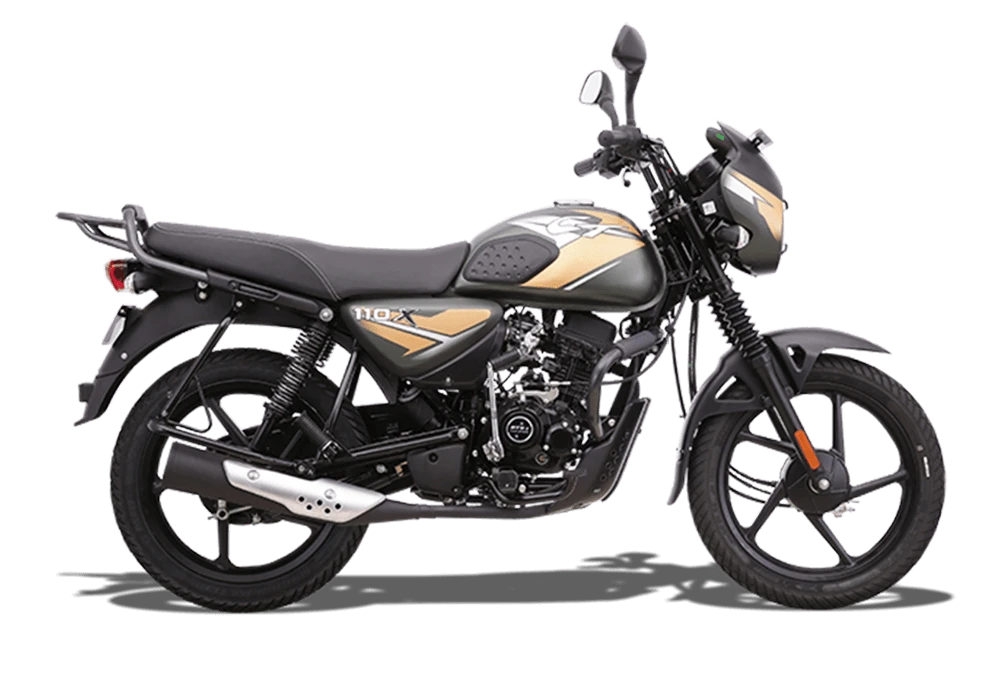
Bajaj CT 110x
24.0 pts
Unweighted: 14 advantages
EnginePerformanceDimensionsBrakesTyresFeaturesOther
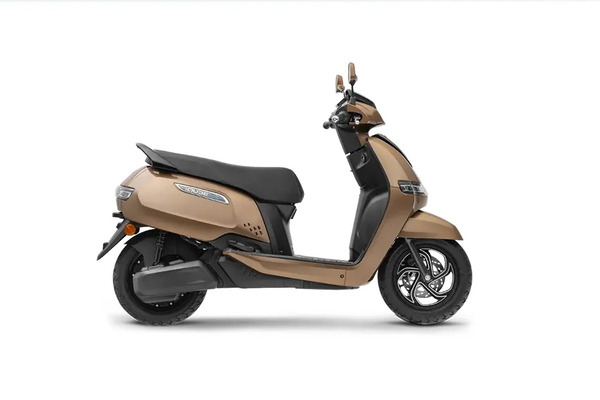
TVS iQube
29.0 pts
Unweighted: 41 advantages
EnginePerformanceDimensionsBrakesTyresFeaturesOther
| Specification | ||
|---|---|---|
Engine Specifications |
||
| Cooling System | Air‑cooled | — |
| Displacement | 115.45 cc | — |
| Engine Type | 4‑Stroke, Single Cylinder | BLDC hub-mounted electric motor |
| Power | 6.99 KW (9.5 PS) @ 7500 rpm | Peak: 4.4 kW; Rated: 3 kW |
| Torque | 9.9 Nm @ 5500 rpm | 140 Nm (wheel torque) |
Performance & Efficiency |
||
| Fuel Tank Capacity | 11 L | — |
| Mileage | 70 Kmpl | — |
| Top Speed (km/h) | — | 80 |
Dimensions & Weight |
||
| Kerb Weight | 124 | 110–125 depending on variant |
| Seat Height | 810 | 770 |
Brakes & Suspension |
||
| ABS | — | No; CBS (Combined Braking System, SBT) |
| Front Brake | 130 mm Drum | Disc (220 mm) |
| Front Suspension | Hydraulic Telescopic, 125 mm Travel | Telescopic hydraulic fork |
| Rear Brake | 110 mm Drum with CBS | Drum (130 mm) |
| Rear Suspension | Spring‑in‑Spring (SNS), 100 mm travel | Hydraulic twin-tube shock absorber |
Tyres & Wheels |
||
| Front Tyre | 2.75 x 17 41 P | 90/90–12 tubeless |
| Rear Tyre | 3.00 x 17 50 P | 90/90–12 tubeless |
| Tyre Type | Tube | Tubeless |
| Wheel Type | Alloy | 12″ alloy wheels |
Features & Technology |
||
| Headlight | LED | LED integrated with TSL (Tip & Stay Light) |
Other Specifications |
||
| 0–40 km/h (s) | — | 4.2 |
| Anti-Theft / IoT Tracking | — | Yes |
| App Connectivity | — | Yes |
| Battery | 12V / 3AH | Lithium-ion, IP67 |
| Battery Capacity (kWh) | — | 3.4 |
| Battery Chemistry | — | Li-ion |
| Battery Warranty (Years) | — | 3 |
| Bike Image 1 | https://motoautiv.com/wp-content/uploads/2025/07/Ebony-blue.avif | https://motoautiv.com/wp-content/uploads/2025/07/Titanium-Grey.jpeg |
| Bike Image 10 | — | https://motoautiv.com/wp-content/uploads/2025/07/Starlight-Blue-Beige.jpeg |
| Bike Image 2 | https://motoautiv.com/wp-content/uploads/2025/07/Ebony-Red.avif | https://motoautiv.com/wp-content/uploads/2025/07/Celebration-Orange.jpeg |
| Bike Image 3 | — | https://motoautiv.com/wp-content/uploads/2025/07/Copper-Brown-Beige.jpeg |
| Bike Image 4 | — | https://motoautiv.com/wp-content/uploads/2025/07/Harliquine-Blue-Beige.jpeg |
| Bike Image 5 | — | https://motoautiv.com/wp-content/uploads/2025/07/Mercury-Grey.jpeg |
| Bike Image 6 | — | https://motoautiv.com/wp-content/uploads/2025/07/Mint-Blue.jpeg |
| Bike Image 7 | — | https://motoautiv.com/wp-content/uploads/2025/07/Pearl-white.jpeg |
| Bike Image 8 | — | https://motoautiv.com/wp-content/uploads/2025/07/Purple-Beige.jpeg |
| Bike Image 9 | — | https://motoautiv.com/wp-content/uploads/2025/07/Titanium-grey-matte.jpeg |
| Built-in GPS Navigation | — | Yes |
| Charger Output Power (kW) | — | 0.9 |
| Charging Port Type | — | Proprietary |
| Charging Time (Fast) | — | 0–80% in around 2 hours |
| Charging Time (Standard) | — | 0–80% in around 4.5 hours |
| Cluster | Analogue | 5″–7″ TFT (variant-dependent), SmartXonnect connectivity, navigation, OTA |
| Color Options | Matte Wild Green | #556B2F Ebony Black - Red | #111111, #A00000 Ebony Black - Blue | #111111, #2456A6 | Pearl White | #F2F2EE Walnut Brown | #5C4635 Titanium Grey | #6E6E6E Titanium Grey Matte | #5F6368 Starlight Blue Beige | #4A6FA5 Copper Brown Beige | #8B6A4E Mercury Grey | #7A7D80 Mint Blue | #7EC8C9 Celebration Orange | #D96A1D Harlequin Blue Beige | #2F5DA8 Magnificence Purple Beige | #6B4A7A |
| Connectivity Features | — | Bluetooth, Wi-Fi, 4G connectivity, navigation, call alerts, ride analytics |
| Cons | The motorcycle is still fundamentally a commuter bike, so highway performance and top-end acceleration feel limited at higher speeds. Braking performance remains basic because the bike uses drum brakes instead of a front disc setup. The semi-knobby tyres improve rough-road usability but slightly reduce smoothness on regular paved roads compared to normal commuter tyres. Features are minimal, with no digital console, Bluetooth connectivity, or modern electronics seen on newer commuter motorcycles. Engine refinement is acceptable for city use, but vibrations become more noticeable when the motorcycle is pushed harder for longer periods. The rugged styling may not appeal to buyers looking for a cleaner or more premium commuter-bike design. Suspension tuning is comfort-focused, so the motorcycle does not feel particularly sporty or sharp while cornering aggressively. | The scooter prioritizes smoothness and comfort more than quick performance, so riders expecting aggressive acceleration or sporty behavior may find it less exciting compared to some rivals. Real-world range can vary quite a bit depending on traffic, riding style, and use of higher riding modes. In heavy traffic or fast riding conditions, the battery drains noticeably quicker. The charging time still feels long compared to refueling a petrol scooter, especially on variants without faster charging support. Some riders may find the scooter slightly heavy while moving it manually in parking spaces or tight areas. Service and software experience can differ depending on the dealership location. A few users have reported occasional app connectivity issues or delayed software updates. Higher variants become considerably more expensive, especially after adding larger battery packs and connected features, which pushes the scooter closer to premium electric scooter pricing. While the design is practical, some people may feel it lacks the sharp or sporty styling offered by more performance-focused electric scooters. |
| Detailed Overview | The Bajaj CT 110X is positioned as a rugged commuter motorcycle designed for riders who regularly travel through uneven roads, village routes, construction patches, and rough daily conditions where a basic city-focused commuter may feel too delicate. While the motorcycle still belongs to the entry-level commuter segment, Bajaj has given it several design and functional changes that make it look and feel tougher than a standard everyday commuter bike. The motorcycle uses a 115.45cc single-cylinder, air-cooled engine paired with a 4-speed gearbox. The engine is tuned primarily for smooth low-speed usability, fuel efficiency, and everyday reliability rather than quick acceleration or sporty performance. In regular city traffic, the motorcycle feels calm and predictable, with enough low-end torque to carry a rider, pillion, or light luggage comfortably. The power delivery remains gradual and easy to control, which makes the bike approachable for beginner riders as well as riders using it for long hours every day. Fuel efficiency remains one of the main characteristics of the CT 110X. Under normal riding conditions, the motorcycle generally delivers around 60–70 km/l depending on traffic, road conditions, riding habits, and maintenance. Combined with the 11-litre fuel tank, the bike can cover long distances before requiring refueling, which is useful for riders who commute daily or travel through areas where fuel stations may not always be nearby. The overall riding posture is upright and relaxed. The handlebar is positioned high enough to reduce strain on the wrists, while the seat remains flat and spacious for both rider and pillion. The motorcycle weighs around 127 kg, which helps keep handling manageable at lower speeds and while maneuvering through traffic or narrow roads. One of the most noticeable differences between the CT 110X and regular commuter motorcycles is the rugged design approach. The bike receives a metal bash plate below the engine, fork gaiters, crash guards, and semi-knobby tyres that visually separate it from conventional commuter bikes. These additions are aimed at improving durability and rough-road usability rather than giving the motorcycle a sporty appearance. The higher ground clearance also helps the bike move through damaged roads, potholes, and speed breakers without scraping the underside easily. The suspension setup is tuned toward comfort and rough-road practicality. The motorcycle uses telescopic front forks along with dual rear shock absorbers designed to absorb uneven surfaces more effectively during daily riding. On broken roads and rural routes, the suspension helps reduce harshness felt by the rider, although the softer tuning also means the motorcycle is not intended for aggressive cornering or high-speed sporty riding. Braking duties are handled by drum brakes at both the front and rear along with Combined Braking System (CBS). The braking setup is designed mainly for predictable low-speed commuter riding rather than hard performance braking. Alloy wheels and tubeless tyres improve practicality by making puncture management easier compared to older tube-type setups. Feature-wise, the CT 110X remains simple and functional. The instrument cluster is basic and easy to read, while electric start functionality adds convenience for everyday use. Unlike more premium commuter motorcycles, the bike avoids advanced electronics, digital displays, or connected technology and instead focuses on mechanical simplicity and low maintenance. The overall character of the CT 110X feels practical, durable, and commuter-oriented. Its design, suspension setup, and riding ergonomics are developed mainly around handling rough daily conditions and maintaining comfort during long hours of everyday usage rather than focusing on sporty performance or modern premium features. | The TVS iQube approaches the electric scooter segment with a focus on practicality, comfort, and everyday usability rather than aggressive styling or extreme performance. Its overall design stays relatively clean and familiar, which helps it feel closer to a conventional family scooter while still integrating modern electric technology underneath. The scooter is built mainly for urban commuting, where smooth acceleration, low running noise, and easy maneuverability are more important than high-speed performance. Powering the iQube is a hub-mounted electric motor paired with lithium-ion battery packs that vary depending on the variant. The standard models use smaller battery capacities, while higher trims such as the iQube ST receive larger battery packs capable of delivering higher claimed riding ranges. Performance delivery remains smooth and linear, with the electric motor responding instantly to throttle inputs without sudden jerks. This makes the scooter feel calm and predictable in traffic conditions, especially during slow-moving urban rides. Acceleration is strong enough for city overtakes and daily commuting, though the tuning remains more comfort-oriented than sporty. The scooter offers multiple riding modes including Eco, Power, and Sport depending on the version. Eco mode focuses more on maximizing range and smoother throttle response, while Power and Sport modes allow quicker acceleration and slightly stronger performance. Top speed figures generally remain in the range of around 75–82 km/h depending on the battery and variant combination. While this is sufficient for urban roads and short highway stretches, the iQube is not positioned as a high-performance electric scooter. One of the key strengths of the iQube is its refinement. Since there is no conventional petrol engine, vibrations and engine noise are almost absent during riding. The scooter feels particularly relaxed in crowded traffic where repeated braking and acceleration are common. The chassis setup also contributes to this character. Suspension duties are handled by telescopic front forks and twin rear shock absorbers tuned mainly for ride comfort. Broken roads, speed breakers, and uneven city surfaces are handled reasonably well without making the scooter feel overly stiff. The riding posture remains upright and practical, supported by a wide seat and spacious floorboard area. The scooter is designed to accommodate both solo riders and family-oriented commuting needs. Under-seat storage space is large enough for daily-use items, while additional practicality comes from features such as reverse assist, external charging support, and USB charging. The kerb weight is slightly higher than many petrol scooters because of the battery pack, though the weight distribution remains balanced during regular riding. Technology is another major part of the iQube package. Higher variants receive a large TFT display with connected features such as Bluetooth connectivity, navigation assist, call alerts, ride analytics, geo-fencing, and anti-theft tracking. Over-the-air software updates are also supported in connected versions, allowing feature improvements and system updates without visiting a service centre. Despite offering modern technology, the interface remains relatively simple and commuter-friendly rather than overly complicated. Charging can be done using a portable charger connected to a normal household socket, making home charging practical for most owners. Charging times vary depending on the battery size and charger type, with higher variants also supporting faster charging options. Real-world riding range changes based on riding mode, traffic conditions, and riding habits, but the scooter is primarily developed around regular city commuting and routine everyday travel. Overall, the TVS iQube combines smooth electric performance, practical everyday features, connected technology, and comfort-oriented ride quality into an electric scooter designed mainly for urban mobility and family-focused commuting. |
| Drive Modes | — | Eco, Power, Sport |
| Expert Review | The Bajaj CT 110X feels like a motorcycle built mainly for riders who deal with difficult roads every day rather than riders looking for speed or modern features. The first thing that stands out is how practical and durable the bike feels. The higher ground clearance, semi-knobby tyres, metal bash plate, and stronger rear carrier give it a tougher personality compared to regular commuter motorcycles. Its 115cc engine is tuned for smooth low-speed usability and fuel efficiency, which makes the bike feel relaxed in traffic and capable enough for carrying luggage or riding on rough village roads. The suspension setup also absorbs potholes and uneven surfaces reasonably well, helping the motorcycle stay comfortable during long daily use. At the same time, the CT 110X keeps things very simple. Features are basic, braking performance remains commuter-oriented, and highway performance feels limited once speeds increase. Overall, the motorcycle focuses more on durability, comfort, and practicality for rough everyday usage rather than sporty riding or premium technology., 4.2, MotoAutiv Team | The TVS iQube focuses more on smooth everyday usability than aggressive performance, and that character is noticeable from the moment it starts moving. The electric motor delivers silent and predictable acceleration that feels comfortable in city traffic, while the suspension and wide seat help maintain a relaxed riding experience on regular roads. Its practical design, spacious storage, connected features, and simple controls make it suitable for routine commuting and family use. The scooter also feels stable at normal riding speeds, which adds confidence during daily travel. However, the iQube is tuned more for comfort and refinement than sporty riding, so acceleration and handling feel calmer compared to some performance-oriented electric scooters. Overall, it follows a practical and commuter-focused approach centered around comfort, smoothness, and everyday convenience., 4.3, MotoAutiv Team |
| FAQ (Manual Override) | Q: What engine does the Bajaj CT 110X use? A: The motorcycle uses a 115.45cc single-cylinder, air-cooled engine. Q: What mileage does the Bajaj CT 110X give? A: Real-world mileage generally stays around 60–70 km/l depending on riding conditions and maintenance. Q: What is the top speed of the Bajaj CT 110X? A: The motorcycle has an approximate top speed of around 90 km/h. Q: What makes the CT 110X different from the regular CT models? A: The CT 110X gets rugged styling elements like fork gaiters, metal bash plate, semi-knobby tyres, crash guards, and higher ground clearance for rough-road usage. Q: Does the Bajaj CT 110X have a disc brake? A: No, the motorcycle uses drum brakes at both ends. Q: Does the CT 110X have ABS? A: No, the motorcycle does not offer ABS. It uses CBS (Combined Braking System). Q: What suspension setup does the Bajaj CT 110X use? A: The motorcycle uses telescopic front forks and dual rear shock absorbers. Q: What is the fuel tank capacity of the CT 110X? A: The motorcycle comes with an 11-litre fuel tank. Q: What is the kerb weight of the Bajaj CT 110X? A: The motorcycle weighs approximately 127 kg. Q: Does the CT 110X use tubeless tyres? A: Yes, the motorcycle comes with tubeless tyres mounted on alloy wheels. Q: Is the Bajaj CT 110X suitable for rough roads? A: Yes, the higher ground clearance, rugged tyres, and comfort-focused suspension make it suitable for rough village roads and uneven surfaces. Q: Does the CT 110X have electric start? A: Yes, the motorcycle comes with electric start functionality. Q: Is the Bajaj CT 110X good for highway riding? A: It can handle moderate highway usage, though the motorcycle is mainly designed for city commuting and rough-road practicality rather than high-speed touring. Q: Is the Bajaj CT 110X beginner-friendly? A: Yes, the lightweight handling, upright ergonomics, and smooth power delivery make it easy for beginner riders to manage. Q: What type of tyres does the CT 110X use? A: The motorcycle uses semi-knobby tubeless tyres designed to improve grip on rough and uneven roads. | Q: What is the battery capacity of the TVS iQube? A: The TVS iQube is available with multiple battery options ranging from around 2.2 kWh to 5.1 kWh depending on the variant. Q: What is the claimed range of the TVS iQube? A: Depending on the variant, the claimed IDC range goes from around 75 km to nearly 150 km on a full charge. Q: What is the real-world range of the TVS iQube? A: In normal city riding conditions, the scooter generally delivers around 75–120 km depending on riding mode, traffic, and battery variant. Q: What is the top speed of the TVS iQube? A: The top speed ranges between 75–82 km/h depending on the variant. Q: Does the TVS iQube support fast charging? A: Yes, higher variants of the iQube support faster charging options. Q: Is the battery removable in the TVS iQube? A: No, the TVS iQube uses a fixed battery setup. Q: Does the TVS iQube have riding modes? A: Yes, the scooter offers modes such as Eco, Power, and Sport depending on the variant. Q: Does the TVS iQube have Bluetooth connectivity? A: Yes, higher variants come with Bluetooth connectivity, navigation support, call alerts, and ride analytics. Q: Can the TVS iQube be charged at home? A: Yes, the scooter can be charged using a portable home charger connected to a standard household socket. Q: Is the TVS iQube suitable for family use? A: Yes, the scooter is designed mainly for comfortable city commuting and family-oriented everyday usage. Q: What type of motor is used in the TVS iQube? A: The scooter uses a BLDC hub-mounted electric motor. Q: Does the TVS iQube get reverse mode? A: Yes, the scooter includes reverse assist for easier movement in parking spaces. Q: What storage space does the TVS iQube offer? A: The scooter provides under-seat storage suitable for helmets and daily-use items. Q: Does the TVS iQube receive OTA updates? A: Yes, connected variants support over-the-air software updates. Q: Is the TVS iQube good for long rides? A: It can handle short highway rides and longer city commutes, but it is mainly designed for urban usage and regular daily travel. |
| Fast Charging Supported | — | Yes |
| Final Drive Type | — | hub |
| Fuel System | Electronic Fuel Injection | — |
| Ingress Protection (IP Rating) | — | IP67 |
| Motor Power (Continuous, kW) | — | 3.0 |
| Motor Power (Peak, kW) | — | 4.4 |
| Motor Type | — | BLDC |
| OTA Updates | — | Yes |
| Price Variants | Electric Start | 70806 | iQube 2.2 kWh | 115322 iQube 3.1 kWh | 125315 iQube 3.5 kWh | 135043 iQube S 4.7 kWh | 137142 iQube S 3.5 kWh | 139642 iQube ST 5.3 kWh | 170984 |
| Pros | The CT 110X is designed to handle rough everyday usage better than many basic commuter motorcycles. The stronger grab rails, metal bash plate, fork gaiters, and semi-knobby tyres give it a more rugged feel on broken roads and village routes. The 115cc engine feels simple and reliable for daily commuting. It delivers enough low-end pulling power for city traffic, carrying luggage, or riding with a pillion without feeling too stressed. Ride comfort is one of the better parts of the motorcycle. The suspension setup handles potholes and uneven roads reasonably well, especially for riders using the bike in semi-urban or rural areas. Fuel efficiency remains strong despite the rugged styling. Real-world mileage generally stays around 60–70 km/l depending on riding conditions and maintenance. The upright riding posture, flat seat, and lightweight chassis make the bike comfortable for long daily usage and easy to manage in traffic. Ground clearance is higher than many commuter motorcycles, which helps while riding on rough roads, speed breakers, and damaged surfaces. Maintenance costs are affordable, and the mechanical setup stays simple enough for easy servicing across smaller towns and local workshops. The design looks more rugged and purposeful than regular budget commuter bikes, giving it a slightly adventure-inspired appearance. | The scooter feels smooth and refined in daily riding conditions, especially during slow-moving city traffic where electric scooters spend most of their time. Acceleration is linear and easy to control, making the riding experience calm and predictable. Ride quality is one of its stronger areas. The suspension setup handles potholes and uneven roads reasonably well, and the seat cushioning remains comfortable for regular commuting and family use. The overall design stays simple and practical instead of looking overly futuristic. Riders who prefer a cleaner and more conventional scooter appearance often find this approach easier to live with. Storage space and everyday usability are handled well. The under-seat storage is large enough for daily items, and features like external charging support, reverse mode, and a spacious floorboard improve convenience during routine use. The TFT display and connected features on higher variants add useful information like navigation, ride statistics, call alerts, and battery-related details without making the interface feel too complicated. The scooter feels stable and confidence-inspiring at normal city speeds. Its weight distribution and chassis setup help maintain balance while riding through traffic or taking turns. Charging can be done at home using the portable charger, which removes the need for dedicated charging infrastructure for most users. |
| Range (Claimed, km) | — | 124 |
| Range (Real World, km) | — | 80 |
| Starter | Electric & Kick | Electric push-button |
| Torque (Electric, Nm) | — | 140 |
| Transmission | 4‑speed (all-down shift) | Direct‑drive via CVT-equivalent hub motor |
| Vehicle Warranty (Years) | — | 3 |