Quick Analysis
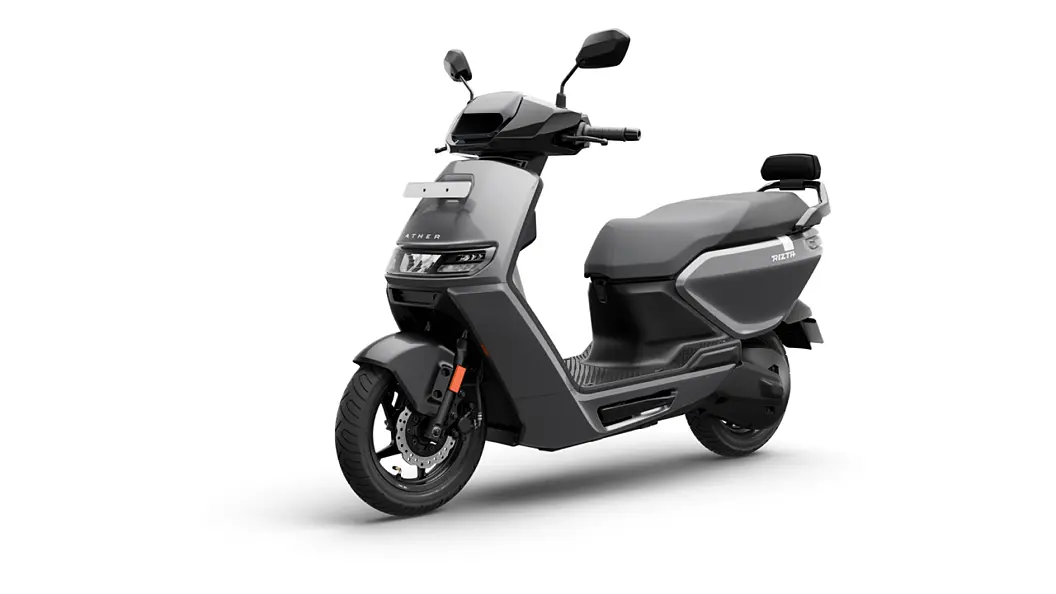
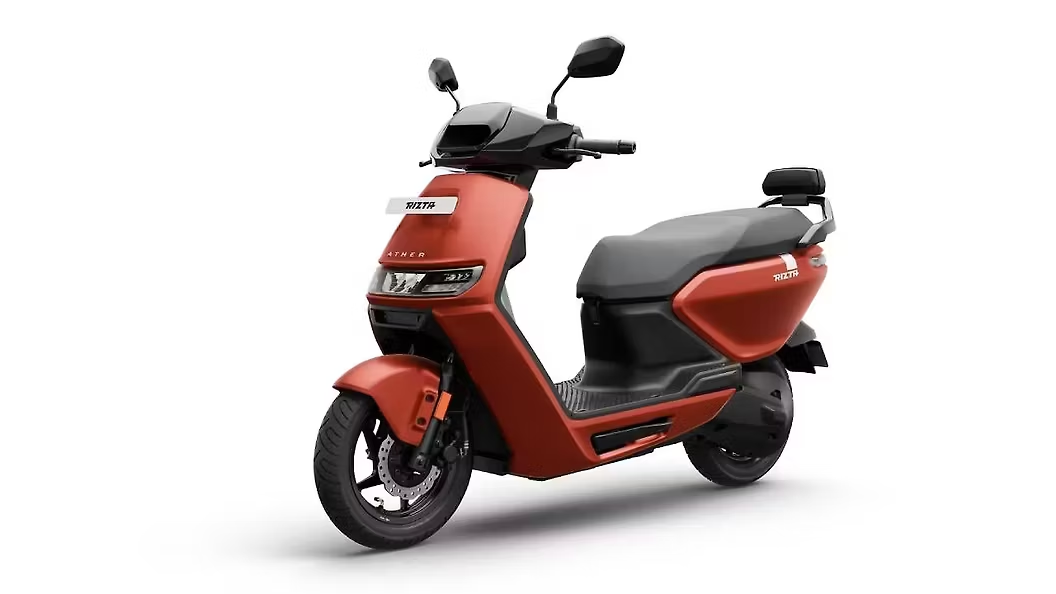
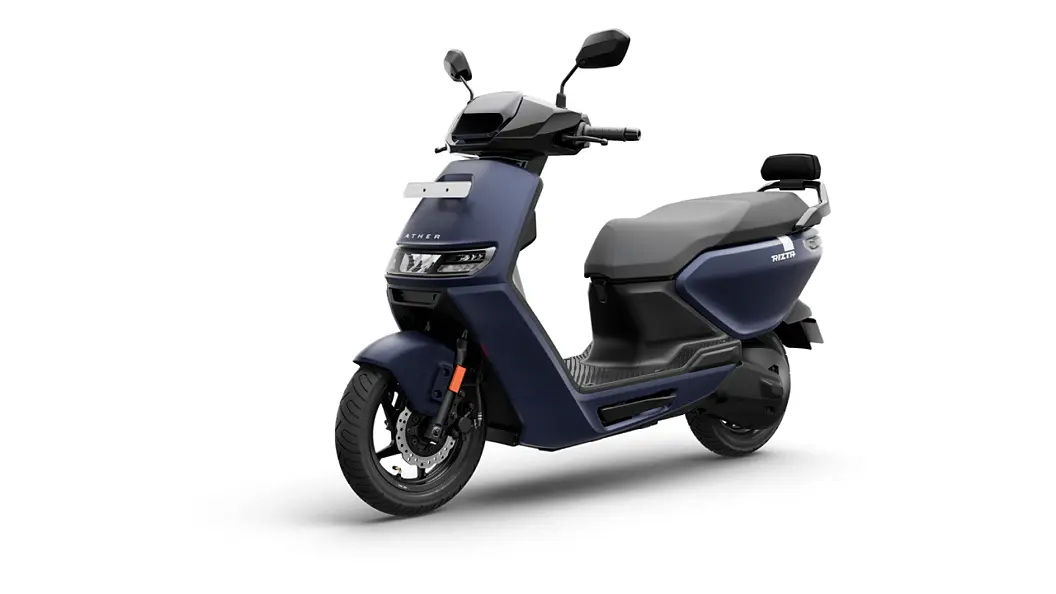
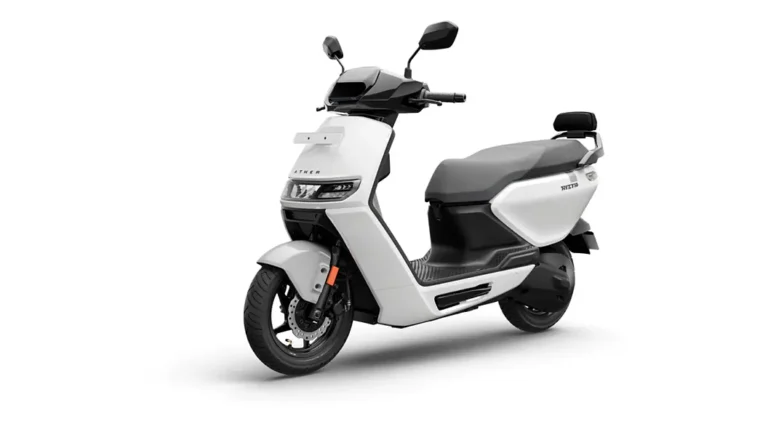
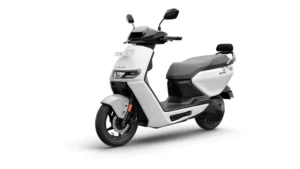
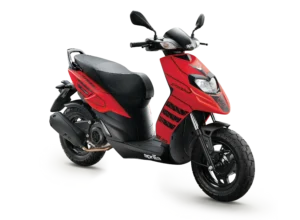
ATHER RIZTA
4.0 pts
Unweighted: 6 advantages
EngineDimensionsBrakesTyresFeaturesOther
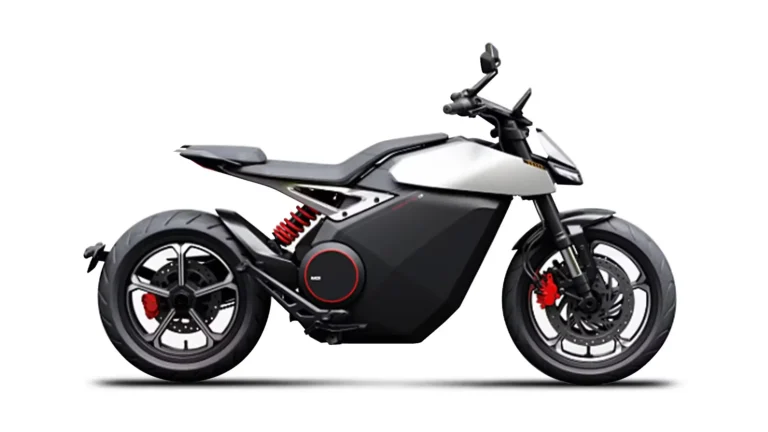
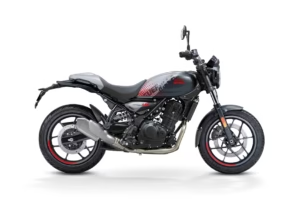
OLA ROADSTER PRO
23.0 pts
Unweighted: 17 advantages
EngineDimensionsBrakesTyresFeaturesOther
| Specification | ||
|---|---|---|
Engine Specifications |
||
| Cooling System | — | Liquid-cooled motor |
| Engine Type | — | Electric motor |
| Power | 4.3 kW | 52 kW |
| Torque | 22 Nm | 105 Nm |
Dimensions & Weight |
||
| Kerb Weight | 125 kg | — |
| Seat Height | 780 mm | — |
Brakes & Suspension |
||
| ABS | — | Dual-channel ABS |
| Front Brake | Disc 200 mm | Double disc |
| Front Suspension | Telescopic Forks | USD |
| Rear Brake | Drum 130 mm | Disc |
| Rear Suspension | Monoshock Absorbers | Monoshock absorber |
Tyres & Wheels |
||
| Front Tyre | 90/90 - 12 | 120/70 ZR17 |
| Rear Tyre | 100/80 - 12 | 180/55 ZR17 |
| Tyre Type | Tubeless | Tubeless |
| Wheel Type | Alloy | Alloy |
Features & Technology |
||
| Headlight | — | LED projector |
Other Specifications |
||
| Battery | — | 8 kWh (lower variant) or 16 kWh (top variant) |
| Bike Image 1 | https://motoautiv.com/wp-content/uploads/2025/12/Rizta-Pangong-Blue-mono-on-road-price-scaled.webp | — |
| Bike Image 2 | https://motoautiv.com/wp-content/uploads/2025/12/riztadeccangrey.webp | — |
| Bike Image 3 | https://motoautiv.com/wp-content/uploads/2025/12/Rizta-Siachen-White-mono-on-road-price-scaled.webp | — |
| Cluster | — | 10-inch TFT touchscreen |
| Color Options | Deccan Grey - Mono Siachen White - Mono Pangong Blue - Super Matte Terracotta Red - Super Matte | Pro |
| Cons | Rear drum brake feels basic compared to full disc setups. Ride can feel firm on rough or broken roads. Top speed is limited for highway or long-distance usage. Higher initial price than many petrol scooters. Charging time requires planning if you ride frequently. Some premium features may require optional add-on packs. | Real-world range may vary: High speeds, heavy traffic, and frequent hard acceleration can reduce range noticeably compared to claims. Charging time is longer than refuelling: Even with good range, charging still takes time, which can be inconvenient for spontaneous long trips. Heavier than petrol bikes: The large battery increases weight, making the bike feel bulkier during tight manoeuvres or parking. Charging infrastructure limitations: If you don’t have home charging, or if public chargers are sparse in your area, usage can become restrictive. High upfront price: The initial cost is significantly more than mainstream petrol motorcycles, and may not suit budget-focused buyers. Electric feel may not appeal to some riders: Absence of sound, gears, and engine character may feel less engaging for petrol-bike enthusiasts. Long-term battery concerns: Battery degradation over years, replacement cost, and service availability remain important unknowns for many EV buyers. |
| Detailed Overview | When you swing your leg over the Rizta, you instantly sense that this is not about performance show-offs but about everyday comfort and sensible practicality. Its 4.3 kW permanent-magnet electric motor quietly hums into life, ready to push you smoothly through city lanes. With 22 Nm of torque on tap, the scooter has enough grunt to handle regular urban traffic — merging, overtaking and climbing gentle slopes without drama. Its top speed of about 80 km/h is more than adequate for everyday city commutes or suburban trips, ensuring you’re not painfully slow relative to other traffic. What matters for many riders is battery and range, and Rizta offers flexibility there. Depending on the variant you pick, you get either a 2.9 kWh battery pack or a larger 3.7 kWh pack. On a full charge, the claimed range is 123 km for the smaller pack and up to 159 km for the bigger one — generous for a scooter, especially if your daily run is modest. In practical terms, this means you could probably go a week or more between charges if you’re only doing commutes, errands and short rides. The battery pack is sealed in a waterproof and dust-resistant casing, which should give some peace of mind in monsoon or dusty road conditions. Charging the scooter is fairly convenient too. With the standard charger at home, you can get a full charge typically in a few hours. If you have access to a fast-charging point (for example through a public network that supports the scooter), topping up for a short ride becomes easy — good for city dwellers who prefer flexibility. Space and comfort are clearly a priority for the Rizta. The seat is long and spacious, making rides comfortable for rider and pillion — a real advantage when you’re carrying family or frequently have a passenger. Under-seat storage is generous, and you also get the option of an additional front trunk (frunk), which together give about 56 litres of carrying capacity. That kind of storage can swallow helmets, bags, groceries or small shopping hauls — a big plus if you use the scooter for errands, family rides or regular shopping. The floorboard is roomy too, so even taller riders won’t feel cramped. On the ride quality front, the front uses telescopic forks while the rear runs a monoshock suspension. This setup aims to deliver a comfortable ride over typical city roads and mild road roughness. For everyday traffic — potholes, speed breakers, uneven surfaces — it hits a balance: softer than sporty bikes, but not so soft that you lose ride stability. For many users that makes it a pleasant daily commuter. Braking is handled via a front disc brake and a rear drum brake. For the speeds and use-cases this scooter is designed for — city traffic, suburban rides, moderate speeds — this arrangement is adequate. The disc brake up front gives reliable stopping power, while the drum at the back keeps things simple and cost-effective. It won’t give you sport-bike level bite, but for a family-oriented urban scooter, it is sensible and functional. Beyond the mechanicals, Rizta trades on convenience and thoughtful touches. The digital console — a clean, modern display — keeps all vital information at a glance. It offers ride-mode selection, battery and range readouts, and other indicators that help you stay informed. Features such as automatic hold on slopes (so you don’t roll back when stopped on an incline), a reverse mode to help with tight parking spots, and a comfortable pillion backrest add up to make daily riding easier and more stress-free. Safety and smart-features are also part of the package. There’s a traction control like system (often referred to as “SkidControl”) that helps manage torque delivery in slippery or low-grip conditions — a thoughtful addition for rainy or sandy roads. Add in theft/tow alerts, emergency-stop signalling (tail-light flashing under sudden braking), and connected-scooter features (like navigation and mobile integration), and the Rizta feels designed for a modern urban rider’s needs. What this all means when you actually ride it: The Rizta comes across as a dependable, practical scooter for daily life. It won’t thrill those who crave sporty acceleration or high-speed cornering, but it doesn’t pretend to. Instead, it quietly delivers what many Indian riders need: comfortable commuting, easy handling in traffic, ample storage, decent range and minimal hassle. For a city commuter, a student, a small family or anyone who wants a low-maintenance electric ride for regular day-to-day use — it’s a well-rounded, sensible choice. In the mix of rising electric scooters, Rizta doesn’t scream “look at me,” but it delivers solidly where it counts: convenience, usability and reliability. If you’re not chasing performance but want an electric scooter that fits into real life — errands, rides to work or college, city errands, occasional family rides, and straightforward maintenance — the Rizta can offer that balance almost exactly right. | Riding the Roadster Pro feels like stepping into a different era of motorcycling — one where silence meets sudden thrust and tech merges with raw, electric-driven energy. Under its sleek body sits not a traditional petrol engine, but a liquid-cooled, frame-mounted electric motor that delivers a peak output of 52 kW and a healthy 105 Nm of torque. That translates into an immediate twist of the throttle and a punch of power that launches you effortlessly — the 16 kWh variant claims a 0–40 km/h sprint in just 1.2 seconds. On city roads this means sharp overtakes, quick starts at traffic lights, and a lively, agile ride through traffic. Once you’re rolling, the bike doesn’t feel like an electric compromise — it feels like a proper performance machine. The top-end 16 kWh version is rated for up to 194 km/h, which is more than enough for highway stretches or spirited rides outside the city. For those who prefer a lighter, possibly more affordable option, there’s also an 8 kWh battery configuration that offers a decent lower-performance balance (though the 16 kWh is the flagship setup). Range worries — a big concern with EVs — get a strong answer here. On a full charge, the 16 kWh version is claimed to deliver up to 579 km (under IDC certification). Even the 8 kWh version promises a respectable 316 km per charge. That kind of range, in practical terms, could cover several days of commuting or even a mix of city + occasional long rides before needing to plug in. You don’t need a clutch or manual gears — the transmission is automatic, and starting is as simple as a push-button click. Because there’s no fuel tank or conventional engine, many of the traditional hassles go away: no oil changes, no engine tuning, no fuel stops. Instead, you charge — overnight at home or whenever power is available — and ride. What about comfort and control? Roadster Pro does well here too. Up front it sports USD (upside-down) forks, and at the rear a monoshock setup. That combination gives a balanced ride: stable and planted at speed, yet forgiving enough for potholes, uneven surfaces, and the patchwork roads you often encounter. Alloy wheels fitted with tubeless tyres contribute to better handling and easy maintenance. Braking and safety aren’t Afterthoughts. The bike brings disc brakes on both ends and a dual-channel ABS system — giving you dependable stopping power even when speed or traffic demands quick reactions. For many riders, especially in busy urban settings or mixed-terrain commutes, that dual-disc + ABS combo brings peace of mind. Ride quality and features push the feel into the “modern motorcycle” zone. A 10-inch TFT touchscreen (with touch response) serves as the instrument cluster. Through it, you get ride-modes (Hyper, Sport, Normal, Eco), connectivity features, and what Ola calls “smart” tech — traction control, tyre-pressure monitoring, digital key / app connectivity, possibly ride-assist features. For a daily rider, those things make commuting easier, rides safer, and the ownership experience more premium. Because it runs on a 16 kWh (or 8 kWh) lithium-ion battery pack, there’s no “fuel tank capacity” in the traditional sense. That also means no fuel system to worry about — no petrol, no carburetor or fuel injection, just clean, quiet electric drive. Water and dust protection are taken care of with a decent IP-rating (for the battery/motor area), adding a layer of comfort especially on rough or wet Indian roads. On the ownership side, this means fewer mechanical parts, simpler maintenance, and a fundamentally quieter and cleaner ride. For people commuting daily, cruising in traffic, or doing moderate-distance rides, Roadster Pro can offer a terrific balance of performance and convenience. But it’s not all ideal. Because charging still takes time, and because range — though impressive on paper — depends heavily on how you ride (speed, stop-start, load, terrain), you need to be mindful. Long highway runs at high speed or frequent short rides under stop-go traffic will eat battery faster. Also, while the tech and features are premium, real-world handling of charging infrastructure, long-term battery health, and actual range will matter more in everyday use than headline numbers. In practical use, the Roadster Pro offers what a modern, high-performance, electric-motorcycle should: raw acceleration, high top speed, long range (on battery), a comfortable and stable ride setup, strong brakes and safety, minimal maintenance demands, and a tech-laden, future-friendly user experience. If you ride regularly, like a mix of city and highway, and have access to charging, it can be a real alternative to a conventional petrol bike — with quieter rides, fewer hassles, and electric torque on tap. |
| Expert Review | MotoAutiv Team | MotoAutiv Team |
| FAQ (Manual Override) | Q: What is the range of the Ather Rizta? A: The claimed range (IDC) is 123 km with the 2.9 kWh battery and 159 km with the 3.7 kWh battery. Q: What is the top speed of the Ather Rizta? A: The top speed is about 80 km/h. Q: What is the motor specification of the Ather Rizta? A: It uses a PMSM (permanent magnet synchronous motor) with peak power of 4.3 kW and peak torque of 22 Nm. Q: How long does it take to charge the Ather Rizta? A: For 2.9 kWh variants, 0–80% takes about 5 hr 45 min (or 6 hr 30 min with some chargers); 0–100% around 8–8.5 hours. For 3.7 kWh variant, 0–80% takes about 4 hr 30 min and full charge around 5–6 hours. Q: Does the Ather Rizta support fast charging or quick top-up? A: Yes — it supports quick recharges: you can get around 15 km of range with a short 10-minute top-up on a compatible charger. Q: What are the braking and wheel/tyre specs on the Ather Rizta? A: The front uses a disc brake (200 mm), the rear a drum brake (130 mm), and it runs on 12-inch alloy wheels with tubeless tyres (front 90/90-12, rear 100/80-12). Q: What kind of suspension does the Ather Rizta have? A: It has telescopic forks in front and a monoshock at the rear. Q: What is the storage capacity or boot space on the Ather Rizta? A: It offers about 56 litres total storage: 34 L under-seat and an optional 22 L front “frunk.” Q: What safety / convenience / smart features does the Ather Rizta offer? A: It includes features such as traction-control-like SkidControl™, emergency-stop signal, tow & theft alerts, “Find My Scooter” function, turn-by-turn navigation (on Z variants), a digital/TFT instrument cluster and a variety of connected-scooter/phone-integration features. Q: How many variants does Ather Rizta come in and what are the battery options? A: There are two primary trims — Rizta S and Rizta Z. Both trims are offered with a 2.9 kWh battery, and the Z trim also gets a 3.7 kWh battery option | Q: What is the top speed of the Ola Roadster Pro? A: The top speed is around 194 km/h (for the 16 kWh variant). Q: What is the range of the Ola Roadster Pro? A: The 16 kWh variant delivers up to around 579 km per charge (IDC). Q: What is the acceleration of the Roadster Pro? A: It can accelerate from 0–40 km/h in about 1.2 seconds (16 kWh variant). Q: What is the power output of the Ola Roadster Pro? A: The peak power is around 52 kW. Q: What is the torque of the Ola Roadster Pro? A: It produces about 105 Nm of torque instantly. Q: What type of battery does the Roadster Pro use? A: It uses an IP-rated lithium-ion battery pack (8 kWh or 16 kWh options). Q: Does the Roadster Pro have ABS? A: Yes, it comes with dual-channel ABS. Q: What kind of brakes does the bike have? A: It gets disc brakes at both front and rear. Q: What suspension setup does the Roadster Pro use? A: It uses USD (upside-down) forks at the front and a rear monoshock. Q: What features does the instrument cluster offer? A: It has a 10-inch TFT touchscreen with ride modes, navigation, TPMS, and connectivity features. Q: Do I need to shift gears on the Roadster Pro? A: No, it has an automatic transmission since it’s an electric motorcycle. Q: What is the charging method? A: It charges through a standard home charger; fast charging availability depends on Ola’s network. Q: What is the weight of the Ola Roadster Pro? A: Kerb weight differs by variant but is on the heavier side due to the large battery pack. Q: What colours are available for the Roadster Pro? A: Currently it comes in a single colour theme with a dark body and orange accents. Q: Is it suitable for long-distance rides? A: Yes, especially the 16 kWh variant, though charging availability should be considered for highway travel. |
| Fuel System | Electric | — |
| Price Variants | S | 114546 Z | 134047 | 8 kWh | 199999 16 kWh | 249999 |
| Pros | Smooth and silent electric motor makes city riding stress-free. Strong low-end torque helps with quick getaways and overtakes in traffic. Practical real-world range suitable for everyday commutes. Spacious seat and excellent storage capacity, making it very family-friendly. Telescopic front suspension and monoshock rear offer stable, predictable ride quality. Front disc brake provides good stopping power for urban speeds. Smart features like reverse mode, hill-hold, navigation and connectivity enhance daily usability. Skid-control style traction assistance improves confidence on slippery surfaces. Affordable running costs thanks to low maintenance and no fuel expenses. Quiet, vibration-free performance adds to comfort on longer commutes. | Instant acceleration: The electric motor delivers strong, immediate torque, making the bike extremely quick off the line and effortless to ride in traffic. High top-speed capability: The performance of the stronger battery variant allows highway speeds with ease. Excellent claimed range: The larger battery variant offers enough range for multiple days of commuting without daily charging. Low running and maintenance costs: No petrol, no engine oil, no clutch, fewer moving parts — long-term upkeep stays simple. Smooth and stable ride: USD front forks and a rear monoshock give a confident, planted feel on both smooth highways and rough city roads. Strong braking package: Dual disc brakes with dual-channel ABS offer very controlled and predictable stopping power. Modern features: Large TFT touchscreen, ride modes, connectivity, TPMS, traction aids, and app functions add a premium, futuristic experience. Silent and vibration-free: No engine noise or vibration makes city riding very pleasant and fatigue-free. |
| Transmission | — | Automatic |