VS

Quick Analysis

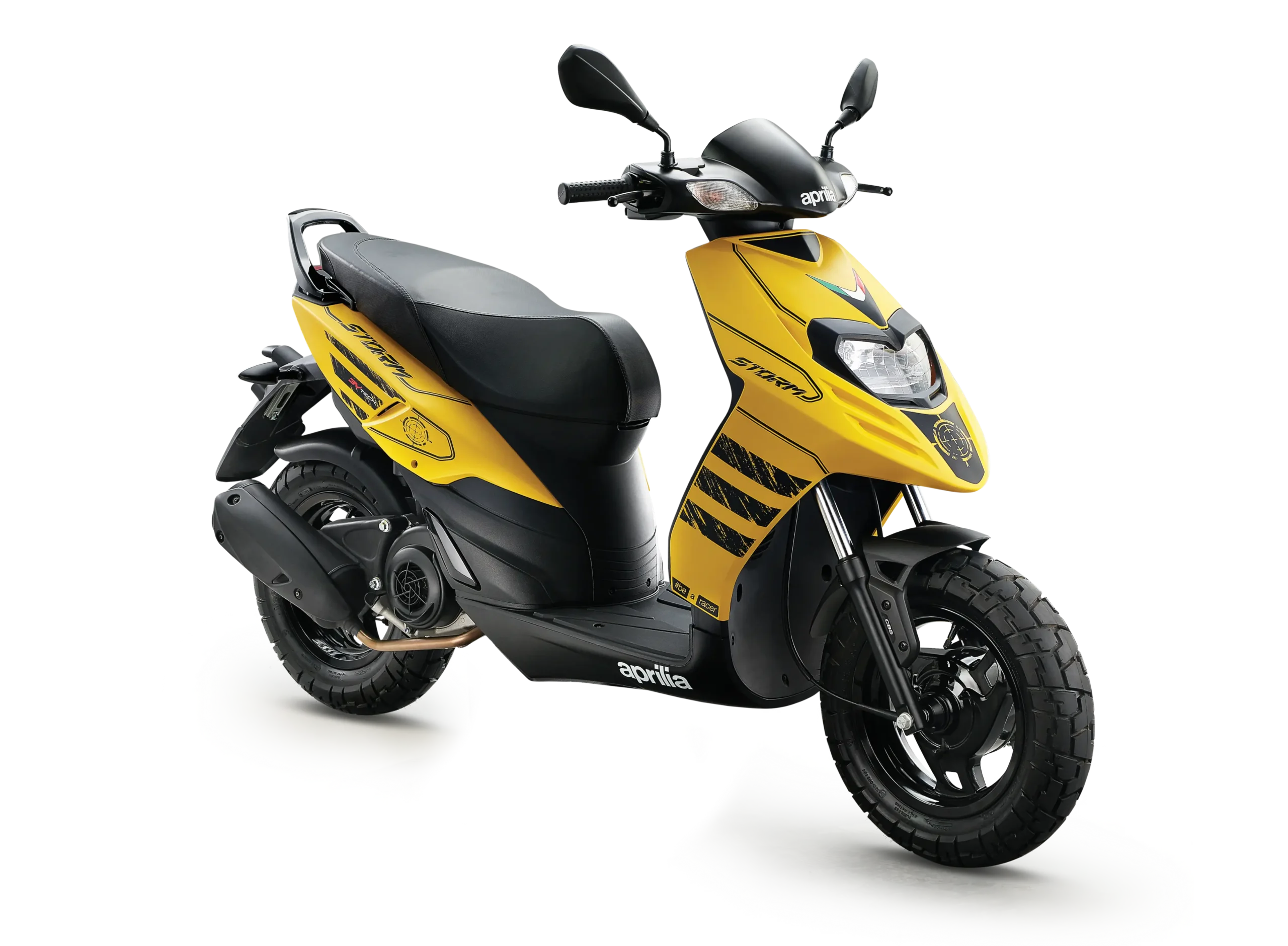
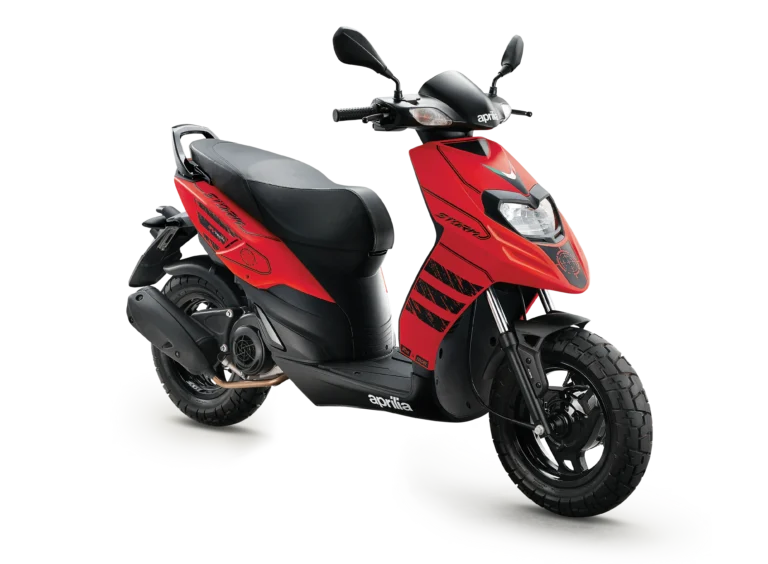
Aprilia Storm 125

20.0 pts
Unweighted: 14 advantages
EnginePerformanceDimensionsBrakesTyresFeaturesOther

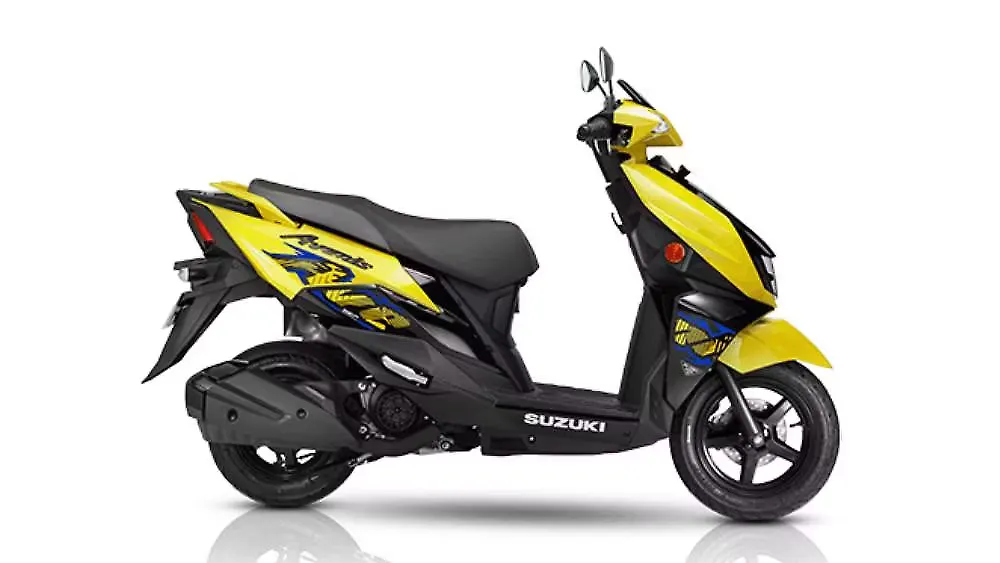
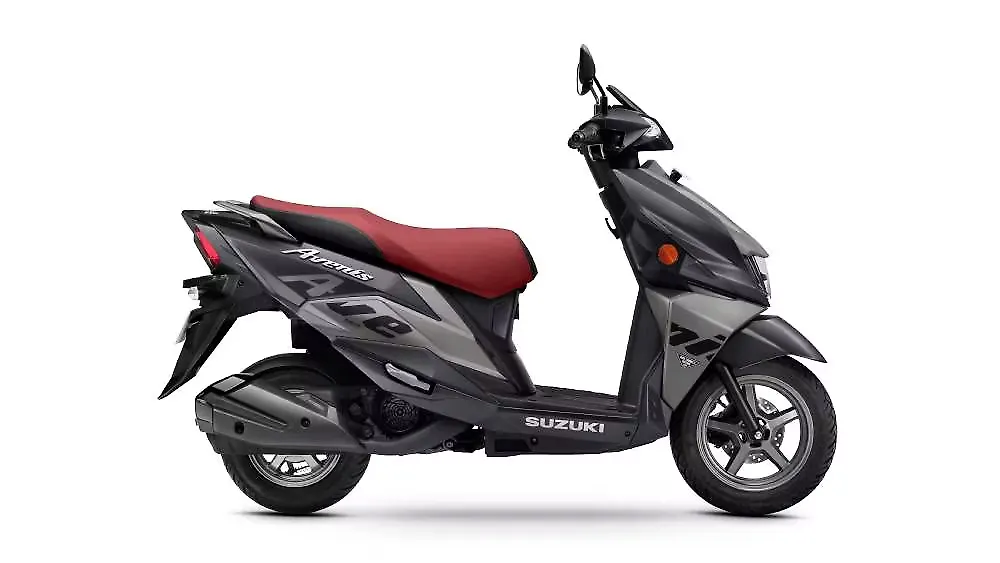
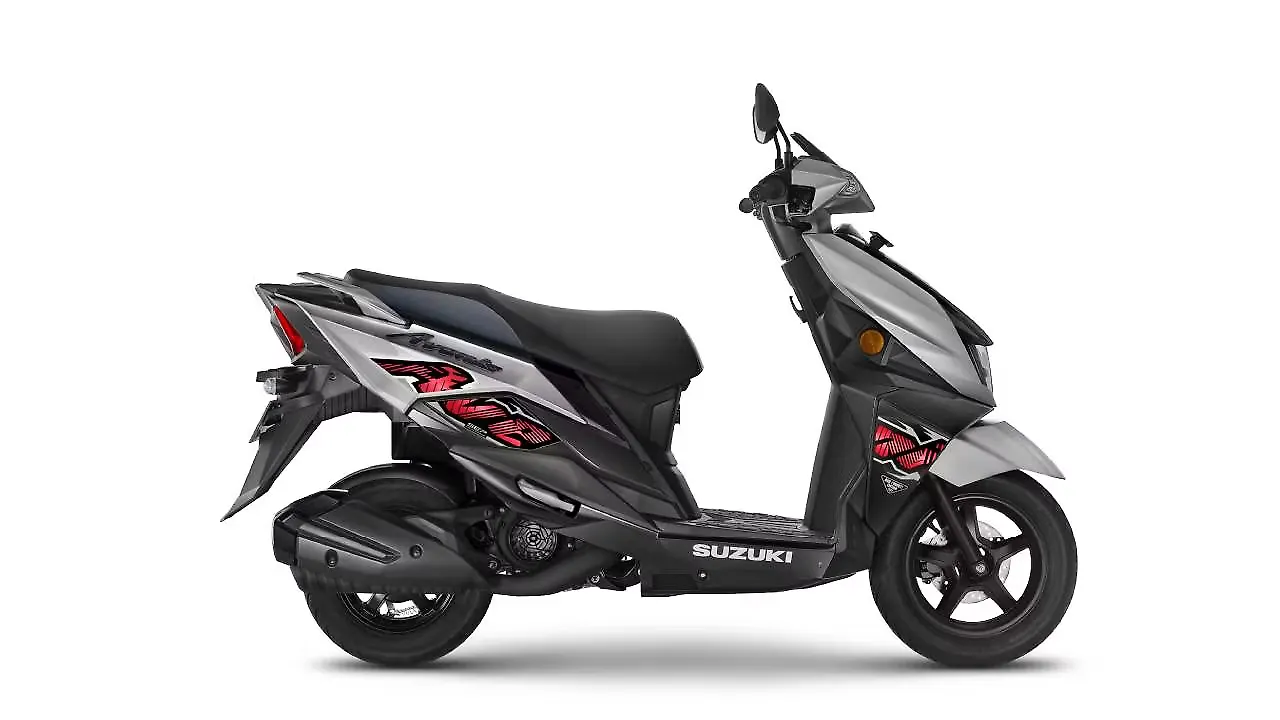
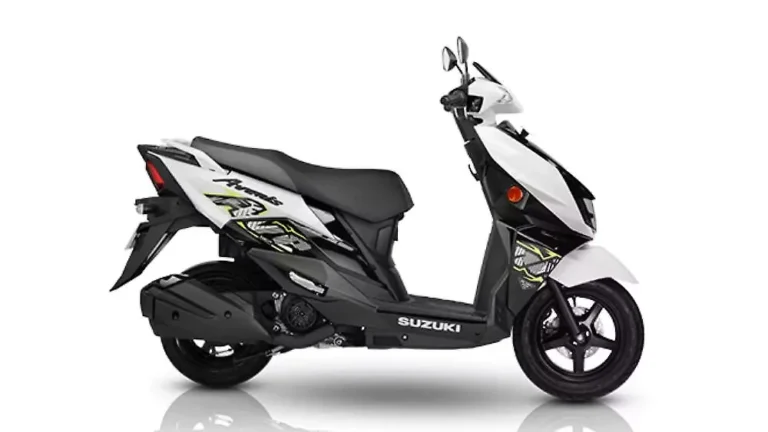
SUZUKI Avenis

7.5 pts
Unweighted: 7 advantages
EnginePerformanceDimensionsBrakesTyresFeaturesOther
Specification
Aprilia Storm 125
Aprilia Storm 125
Aprillia
SUZUKI Avenis
SUZUKI Avenis
Suzuki

Engine Specifications

Cooling System Air‑cooled Air Cooled
Displacement 124.45 cc 124 cc
Engine Type Single‑cylinder, 4‑stroke, air‑cooled, 3‑valve 4- Stroke, 1-Cylinder, Air Cooled
Power 9.92 PS @ 7700 rpm 8.7 ps @ 6750 rpm
Torque 9.7 Nm @ 6000 rpm 10 Nm @ 5500 rpm

Performance & Efficiency

Fuel Tank Capacity 6.5 l 5.2 L
Mileage 40 kmpl 55 kmpl

Dimensions & Weight

Kerb Weight 118 106
Seat Height 780 mm 780

Brakes & Suspension

ABS No, Combi Brake System
Front Brake Disc brake (220 mm) Disc Front Brake Size - Caliper - Front 1 Piston
Front Suspension Hydraulic double-telescopic fork Telescopic
Rear Brake Drum brake (140 mm) Drum
Rear Suspension Hydraulic shock Swing Arm

Tyres & Wheels

Front Tyre 120/80‑12 90/90 - 12
Rear Tyre 130/80‑12 90/100 – 10
Tyre Type Tubeless Tubeless
Wheel Type Alloy Alloy

Features & Technology

Headlight LED LED

Other Specifications

Battery 12 V / 5 Ah Maintenance Free 12V, 4Ah
Bike Image 1 https://motoautiv.com/wp-content/uploads/2025/12/sr_storm_yellow-scaled.webp https://motoautiv.com/wp-content/uploads/2025/11/avenis125championyellowno2glossysparkleblack.webp
Bike Image 2 https://motoautiv.com/wp-content/uploads/2025/11/avenis125metallicmatblackandmetallicmattitaniumsilver.webp
Bike Image 3 https://motoautiv.com/wp-content/uploads/2025/11/avenis125metallicmatteplatinumsilverandglasssparkleblack.webp
Bike Image 4 https://motoautiv.com/wp-content/uploads/2025/11/avenis125glossysparkleblack.webp
Bike Image 5 https://motoautiv.com/wp-content/uploads/2025/11/avenis125glossysparkleblackpearlmirared.webp
Cluster Analogue + digital console
Color Options Matte Red |#e3292f Matte Yellow|#ffff00 Metallic Matte Platinum Silver and Glass Sparkle Black | #9AA0A6, #0A0A0A Glossy Sparkle Black | #0A0A0A Champion Yellow No 2 Glossy Sparkle Black | #F5C400, #0A0A0A Glossy Sparkle Black Pearl Glacier White | #0A0A0A, #F4F7FB Glossy Sparkle Black Pearl Mira Red | #0A0A0A, #9E1B22 Metallic Mat Black No 2 and Metallic Mat Titanium Silver | #121212, #8A8F95
Cons The seat is firm and compact, which can feel less comfortable on longer rides or with a pillion. The suspension is firm, so rough or pothole-laden roads transmit more bumps to the rider. Fuel tank capacity is modest at 6.5 litres, limiting range for longer trips. Storage space is limited, restricting the ability to carry larger items or full-face helmets comfortably. Being a smaller-displacement scooter, highway cruising is limited, and top speeds are moderate. Modest engine performance, better suited for city use than high-speed riding Ride can feel slightly firm over rough or uneven roads Braking setup is simple and focused on everyday riding Seat comfort may feel firm on longer rides, though storage is sufficient for daily use More suited to city commuting than long-distance travel or regular rough-road use
Detailed Overview Riding the Aprilia SR Storm 125 gives you a sense of having a sporty, nimble scooter beneath you — its heart is a 124.49 cc, air‑cooled, single‑cylinder engine with a 3‑valve head and fuel injection. That sounds modest, but in the context of urban and everyday commuting it’s tuned to deliver consistent, usable performance. With about 9.92 PS of power at 7,700 rpm and 9.7 Nm of torque at 6,000 rpm, the Storm 125 doesn’t offer wild acceleration, but it provides smooth, predictable acceleration that’s more than enough to dart through city traffic or handle daily errands without fuss. The automatic CVT + belt‑drive means you don’t need to worry about shifting — just twist and go, which is ideal for traffic, frequent stops or unpredictable stop‑and‑go conditions. Underneath, the Storm rides on a tubular steel frame, supported up front by a telescopic fork (with a 30 mm inner tube) and at the rear by a mono‑shock absorber. The wheels are 12‑inch alloys, wrapped with tubeless tyres — 120/80‑12 at the front and 130/80‑12 at the rear. That combination gives the scooter a compact footprint, making it easier to weave through traffic or negotiate narrow lanes. The smaller wheels and higher‑profile tyres help soften the ride over potholes or rough stretches compared with low‑profile tyres: while it won’t ride like a large cruiser, the Storm feels more forgiving over broken or uneven roads than a typical performance‑oriented small scooter might. Braking is handled via a 220 mm disc at the front and a 140 mm drum at the rear, with a Combined Braking System (CBS) to help distribute braking force — which means braking is stable and weighted rather than sudden, useful in city conditions or when a quick stop is needed. That front disc gives enough bite for confident stopping without fuss. In terms of size, the Storm stretches about 1,985 mm in length, with a wheelbase of 1,365 mm — compact enough to feel agile but long enough to give reasonable stability. Seat height sits at about 780 mm, which tends to be manageable for most riders, making stops or mounting/dismounting easier in day‑to‑day use. The kerb weight is roughly 118 kg: light enough to manoeuvre easily in tight traffic, yet with enough heft to stay planted at moderate speeds or on uneven surfaces. A 6.5‑litre fuel tank sits under the fuel cap. That size isn’t huge, but paired with the modest engine and decent fuel efficiency (official figures suggest around 38–40 km/l — real‑world numbers will vary with riding style), it offers a practical range for daily commuting, errands, or short-to-medium rides before needing a refill. On the features front, Storm 125 doesn’t try to be flashy — it keeps things practical. You get a simple analogue + digital instrument cluster that shows speed, fuel level, trip info, etc. The headlight and tail/indicator lighting are LED (or partially LED, depending on the variant), which helps with visibility. There’s under‑seat storage, a passenger footrest, a low‑fuel warning lamp, and a USB charging port in some variants — helpful touches if you use the scooter for errands, short trips, or commuting with a phone/GPS in tow. Starting is achieved via kick as well as electric self‑start — handy for reliability or if the battery is low. What this all adds up to in real life is a scooter that’s built to be practical, economical, and easy to live with — but with a twist of sportiness and style. The Storm 125 doesn’t try to pretend it’s a high‑power motorcycle; rather, it leans into being a user-friendly, agile, and fairly efficient daily rider with a more aggressive look and feel than a basic commuter. It is especially suited for those who navigate busy city streets, need easy parking and manoeuvrability, and want a scooter that’s simple to ride, easy to maintain, and functional for everyday needs — but with a bit more character than a plain‑Jane scooter. In everyday city riding, a scooter like the Suzuki Avenis is shaped more by how it handles traffic, short trips, and frequent stops than by outright numbers on paper. At its core, it uses a 124.3cc, single-cylinder, air-cooled engine with fuel injection. The engine is tuned to deliver a smooth and consistent flow of power, which becomes noticeable during stop-and-go traffic where sudden bursts are less important than predictable response. It is paired with a CVT automatic transmission, which removes the need for manual gear changes and keeps the riding experience simple and straightforward. The Avenis is built on a lightweight frame, and with a kerb weight of just over 100 kg, it feels easy to move around, whether it’s being ridden through narrow streets or parked in tight spaces. The suspension setup consists of telescopic front forks and a rear monoshock. This combination is tuned for typical city roads, where it can handle small bumps and uneven patches without much effort, although sharper potholes can still be felt. The riding position is upright, with a wide handlebar that gives a good sense of control at lower speeds. Braking duties are handled by a front disc brake and a rear drum brake, supported by a combined braking system (CBS). This setup is designed to provide balanced stopping for everyday riding conditions rather than aggressive braking scenarios. The scooter runs on 12-inch wheels at both ends, fitted with tubeless tyres that are suited for regular road use and offer predictable grip in daily conditions. In terms of features, the Avenis comes with a fully digital instrument cluster that displays basic information such as speed, fuel level, trip details, and in some variants, smartphone connectivity. The lighting system includes LED headlamps and tail lamps, which improve visibility and add to the modern design. Practical elements like a USB charging port and external fuel filling make daily use more convenient. Storage and usability also play an important role in its design. The under-seat storage is around 21.8 litres, which is enough for a helmet or small bags, and there are additional hooks and pockets for carrying everyday items. The fuel tank capacity stands at 5.2 litres, which aligns with its intended use for short to medium-distance travel within the city. Overall, the specifications of the Suzuki Avenis reflect a setup that focuses on ease of use, light handling, and everyday practicality, bringing together simple mechanical components and basic modern features in a way that fits regular urban commuting conditions.
Expert Review Aprilia Storm 125 has rugged, sporty design and gives confident handling, but is frequently criticized for its stiff suspension, lack of modern features (like LED lights and digital tech) by the users., 4, MotoAutiv Team The Suzuki Avenis fits into a part of the Indian market where scooters are expected to handle daily routines without much effort, and that shapes how it is positioned. Its compact size and light feel make it easier to manage in crowded city conditions, where frequent stops and tight spaces are common. The engine is tuned more for smooth and consistent performance rather than quick bursts of speed, which aligns with typical urban usage. At the same time, buyers in this segment also look for styling and basic features, and that is where the Avenis tries to stay relevant among younger riders. In everyday use, factors like ride comfort on uneven roads and practical storage play a noticeable role in how it is experienced. Its relevance, therefore, comes from how it fits into regular city life rather than trying to stretch beyond it., 3.9, MotoAutiv Team
FAQ (Manual Override) Q: What is the engine type? A: The engine is a single-cylinder, 4-stroke, air-cooled, 3-valve unit. Q: What is the engine displacement? A: The displacement is 124.49 cc. Q: What is the power output? A: The power output is approximately 9.92 PS at 7700 rpm. Q: What is the torque? A: The torque is about 9.7 Nm at 6000 rpm. Q: What is the mileage? A: The mileage is around 38–40 km/l depending on riding conditions. Q: What type of cooling system does it have? A: It has an air-cooled system. Q: What type of transmission does it use? A: The scooter comes with an automatic CVT. Q: What type of fuel system does it have? A: It uses fuel injection with petrol. Q: What are the front and rear brakes? A: The front brake is a 220 mm disc, and the rear brake is a 140 mm drum. Q: Does it have ABS? A: It has a Combined Braking System (CBS), not ABS. Q: What is the front suspension? A: The front suspension is a hydraulic telescopic fork. Q: What is the rear suspension? A: The rear suspension is a hydraulic shock absorber. Q: What are the tyre sizes? A: The front tyre is 120/80-12, and the rear tyre is 130/80-12, both tubeless. Q: What type of wheels does it have? A: The scooter has 12-inch alloy wheels. Q: What is the kerb weight? A: The kerb weight is approximately 118 kg. Q: What is the seat height? A: The seat height is 780 mm. Q: What is the fuel tank capacity? A: The fuel tank capacity is 6.5 litres. Q: What type of headlight does it have? A: The scooter comes with LED headlight and LED tail/indicator lights. Q: What type of starter does it have? A: It has both electric and kick start. Q: What type of instrument cluster does it have? A: It has a combined analogue and digital console displaying speed, fuel level, trip meter, and low-fuel warning. Q: Is the Aprilia SR Storm 125 suitable for city commuting? A: Yes, its compact size, light weight, automatic transmission, and agile handling make it ideal for urban traffic. Q: Does it have under-seat storage? A: Yes, there is under-seat storage suitable for small items or a helmet. Q: What is the real-world mileage of the Suzuki Avenis in India? A: The Suzuki Avenis typically delivers around 45–50 km/l in real-world riding, with many owners reporting close to 50 km/l under normal usage. Q: Is the Suzuki Avenis good for daily city commuting? A: Yes, the Suzuki Avenis is designed mainly for city use. Its light weight (around 106 kg) and smooth engine make it easy to handle in traffic and for short daily rides. Q: What is the top speed of the Suzuki Avenis? A: The Suzuki Avenis has a top speed of around 90 km/h, which is enough for city use but not meant for sustained high-speed riding. Q: How much storage space does the Suzuki Avenis offer? A: The Suzuki Avenis comes with 21.8 litres of under-seat storage, which is enough for daily essentials like a helmet or small bags. Q: Is the Suzuki Avenis comfortable for long rides? A: The Suzuki Avenis can handle short to medium rides comfortably, but for longer distances, the seat and suspension may start to feel firm compared to more comfort-focused scooters. Q: What engine does the Suzuki Avenis use? A: The Suzuki Avenis is powered by a 124.3cc air-cooled engine, producing around 8.5–8.7 bhp, which is tuned for smooth and consistent performance. Q: Is the Suzuki Avenis easy to handle for beginners? A: Yes, the Suzuki Avenis is considered beginner-friendly because of its light weight, automatic transmission, and predictable power delivery. Q: Does the Suzuki Avenis have modern features? A: The Suzuki Avenis includes features like LED lighting, digital console, USB charging, and smartphone connectivity (in some variants), focusing on everyday usability. Q: What is the fuel tank capacity of the Suzuki Avenis? A: The Suzuki Avenis has a 5.2-litre fuel tank, which is typical for scooters in this segment. Q: Is the Suzuki Avenis suitable for highway riding? A: The Suzuki Avenis can handle short highway stretches, but it is primarily built for city riding. Its performance and stability are more suited to urban speeds rather than long highway runs.
Fuel System Petrol, fuel‑injected Fuel Injection
Price Variants | 112869 Standard | 84293 Base | 85942 Special | 86677
Pros The Storm 125 has nimble and agile handling, making it easy to weave through city traffic and park in tight spaces. Its sporty and aggressive design stands out, giving it a premium, performance-oriented look compared with regular scooters. The engine delivers smooth, usable performance, with enough punch for urban commuting and occasional highway bursts. Front disc and rear drum brakes with CBS provide reliable stopping power and enhance rider confidence. Automatic CVT transmission makes it very easy to ride in stop-and-go traffic without the hassle of manual gear changes. LED lighting and combined analogue-digital cluster improve visibility and modernize the riding experience. Lightweight (118 kg) and compact dimensions make the scooter easy to maneuver, even for newer riders. Smart, sporty design that stands out in city traffic Light and easy to handle, making it convenient in traffic and tight spaces Good fuel efficiency with manageable running costs for daily use Comfortable enough for regular commuting, though not the softest ride in the segment Comes with practical features like USB charging and storage, focused on everyday usability
Starter Kick + Electric self‑start Kick and Electric
Transmission Automatic CVT

Stay connected with 🚗 Motoautiv.com ⚡

To get exiting stories, news and automotive content Leave your email 📧 below and Click subscribe Now 🔔✨