Quick Analysis
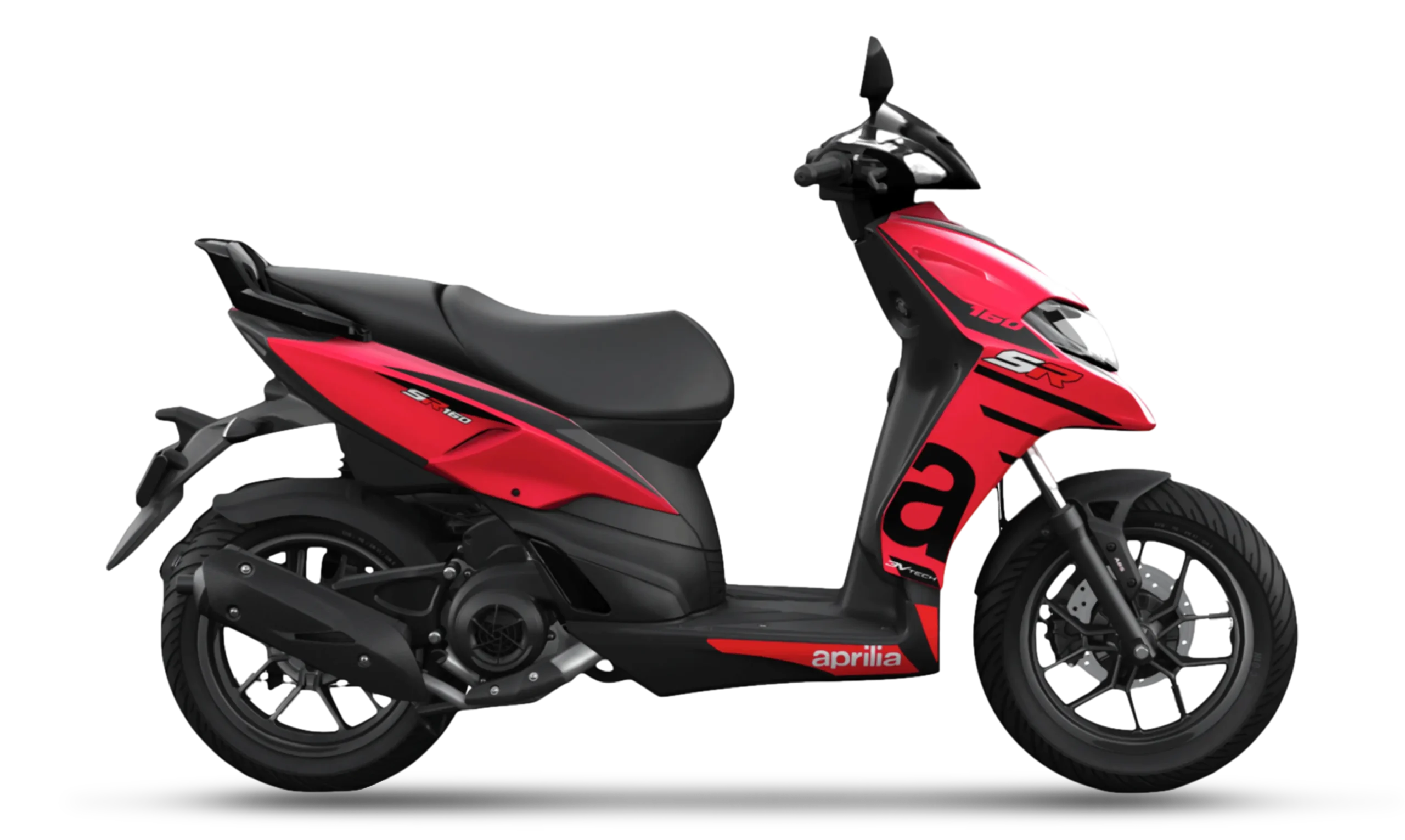
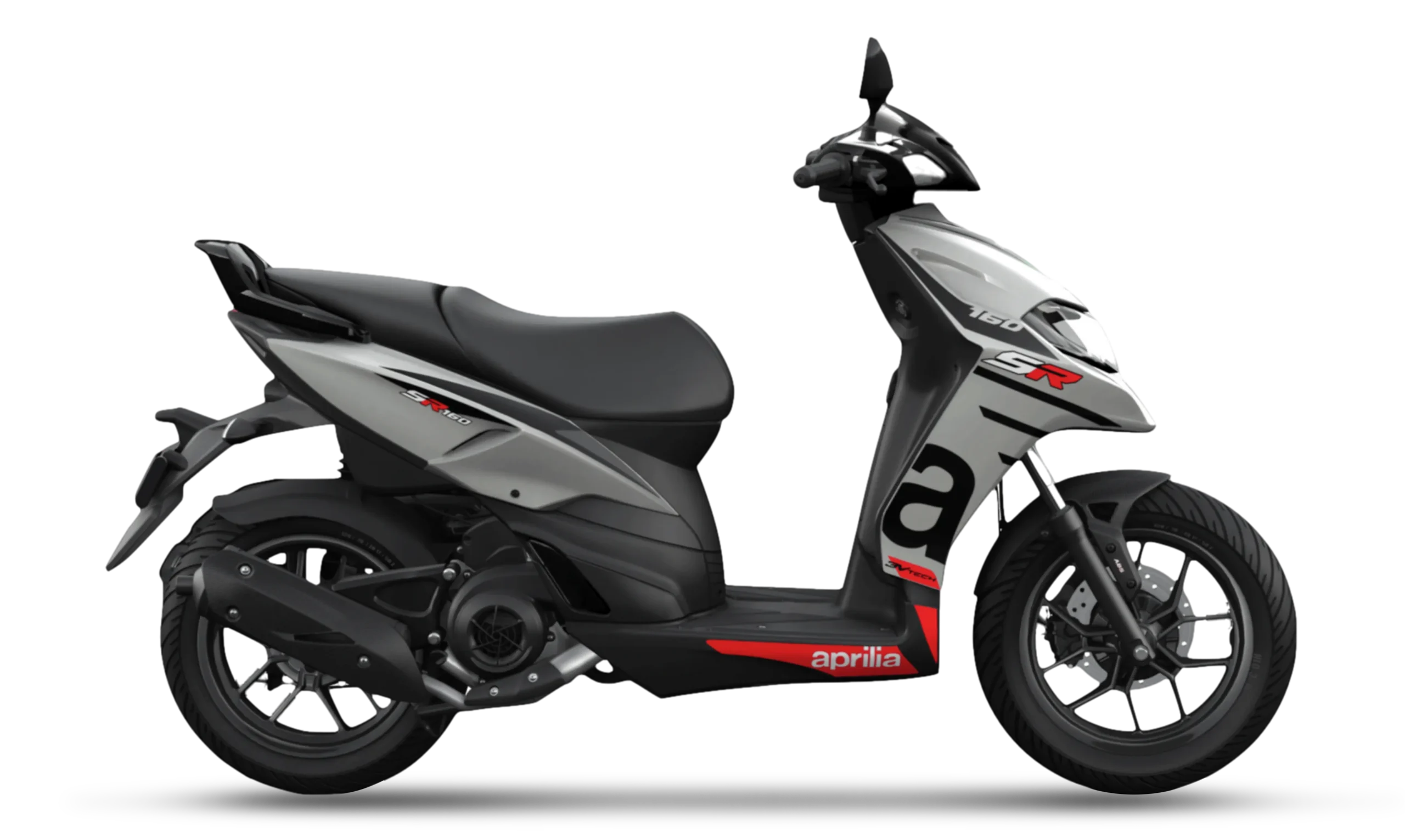
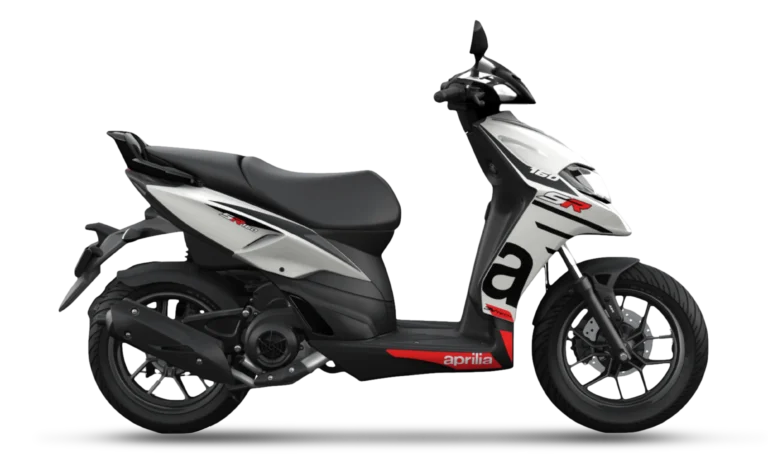
Aprilia SR 160
13.0 pts
Unweighted: 14 advantages
EnginePerformanceDimensionsBrakesTyresFeaturesOther
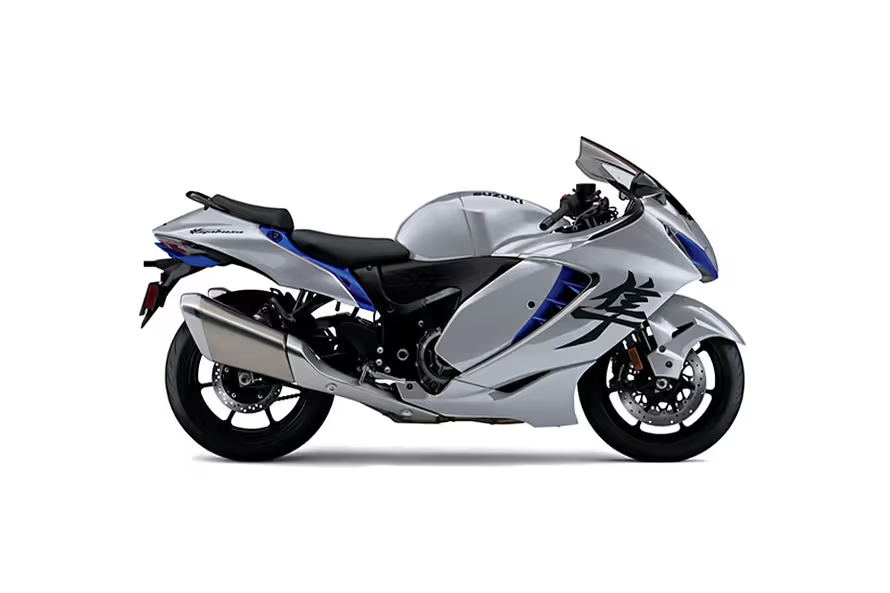
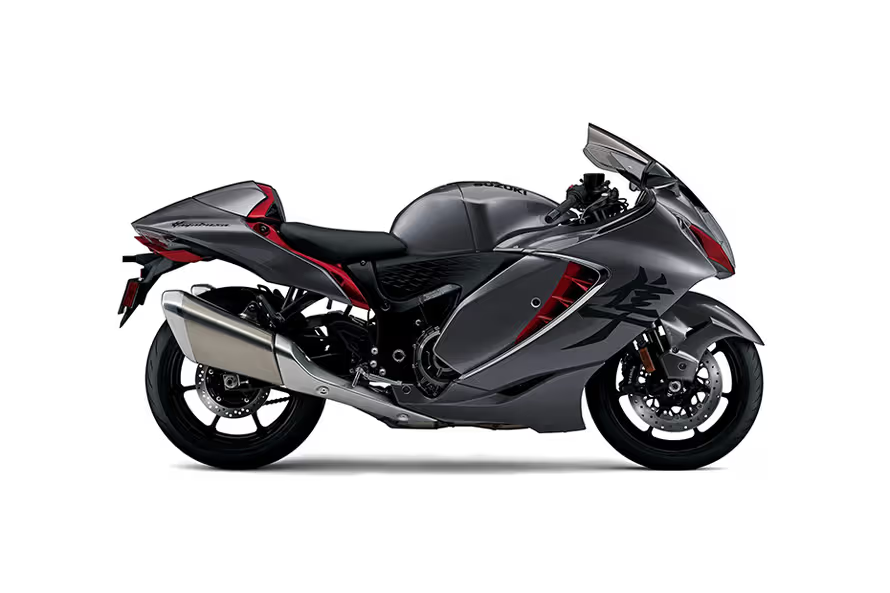
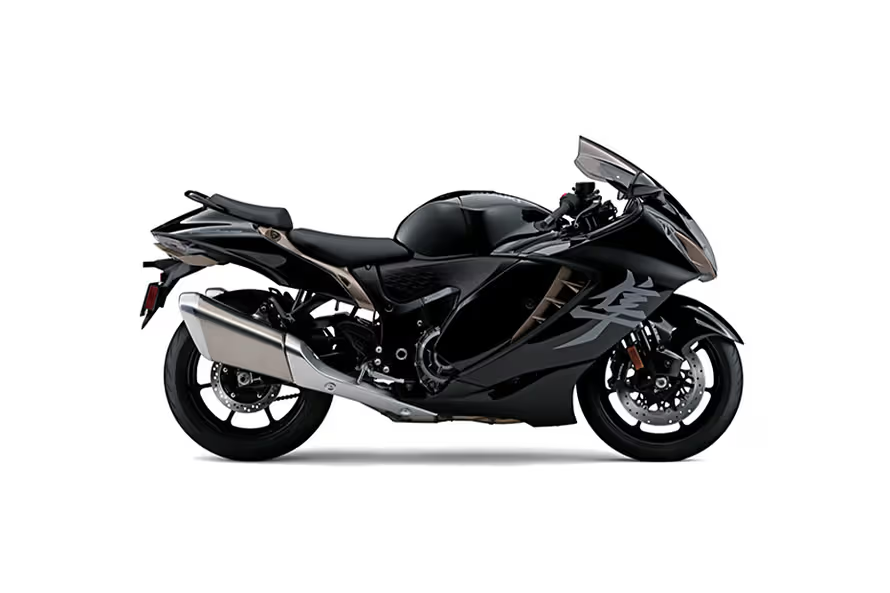
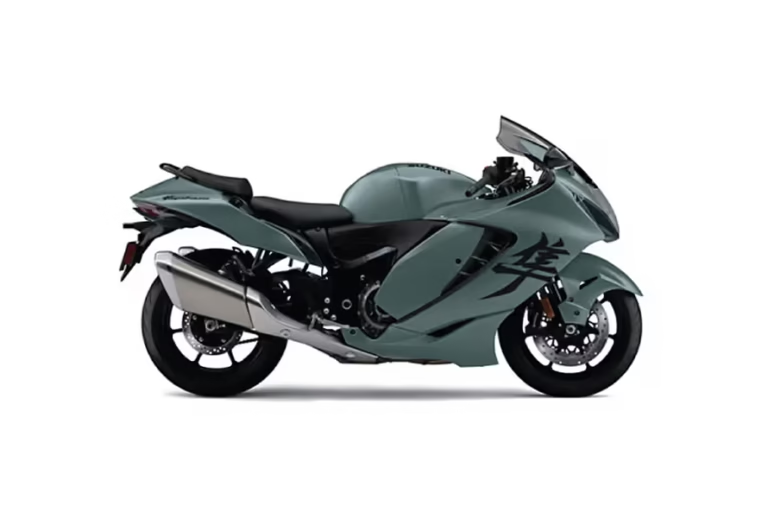
SUZUKI HAYABUSA
20.0 pts
Unweighted: 11 advantages
EnginePerformanceDimensionsBrakesTyresFeaturesOther
| Specification | ||
|---|---|---|
Engine Specifications |
||
| Cooling System | Air-cooled | Liquid Cooled |
| Displacement | 160.03 cc | 1,340 cm³ |
| Engine Type | Single-cylinder, 4-stroke, SOHC, 3-valve, air-cooled. | 4-Stroke, Liquid-cooled, DOHC,in-line four |
| Power | 11.27 PS @ 7100 rpm | 190 bhp @ 9700 rpm |
| Torque | 13.44 Nm @ 5300 rpm | 142 Nm @ 7000 rpm |
Performance & Efficiency |
||
| Fuel Tank Capacity | 6 litres | 20 L |
| Mileage | 35 kmpl | 18 kmpl |
Dimensions & Weight |
||
| Kerb Weight | 118 | 266 kg |
| Seat Height | 780 mm. | 800 mm |
Brakes & Suspension |
||
| ABS | Single-channel ABS | Switchable ABS |
| Front Brake | Disc 220 mm | Disc 320 mm Caliper - Front 4 Piston |
| Front Suspension | Telescopic front fork | Inverted Telescopic, Coil Spring, Oil Damped |
| Rear Brake | Drum 140 mm | Disc 260 mm Caliper - Rear 1 Piston |
| Rear Suspension | Mono-shock absorber | Link Type, Coil Spring, Oil Damped |
Tyres & Wheels |
||
| Front Tyre | 120/70-14 | 120/70ZR17M/C |
| Rear Tyre | 120/70-14 | 190/50ZR17M/C |
| Tyre Type | Tubeless | Tubeless |
| Wheel Type | Alloy | Alloy |
Features & Technology |
||
| Headlight | LED | — |
Other Specifications |
||
| Battery | 12V, 5 Ah | — |
| Bike Image 1 | https://motoautiv.com/wp-content/uploads/2025/12/aprilia_sr_160_banner_carbon-scaled.webp | https://motoautiv.com/wp-content/uploads/2025/11/hayabusaglasssparkleblackmetallicmattitaniumsilver.webp |
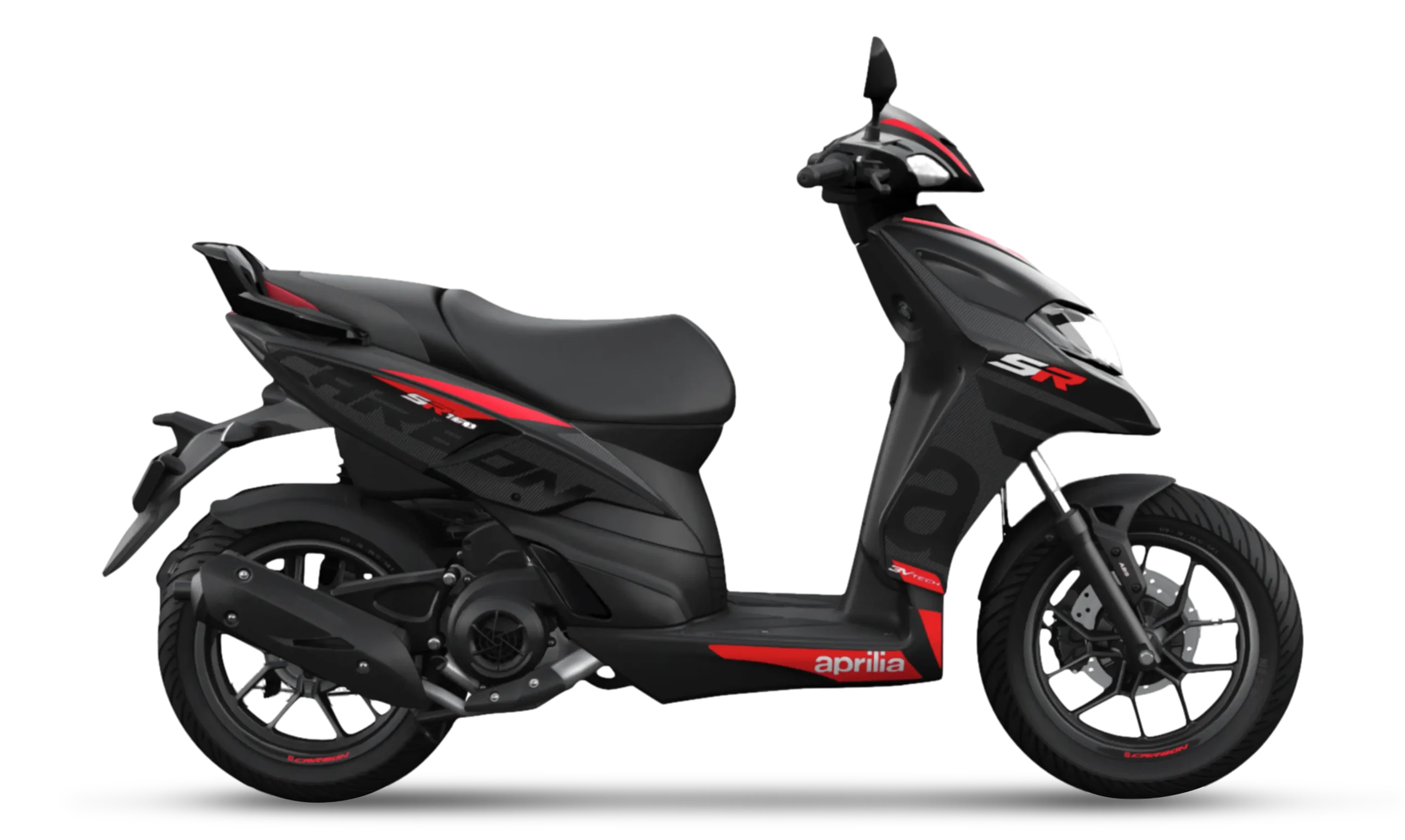
| Bike Image 2 | https://motoautiv.com/wp-content/uploads/2025/12/aprilia_sr_160_banner_red-scaled.webp | https://motoautiv.com/wp-content/uploads/2025/11/hayabusametallicmysticsilverpearlvigorblue.webp |
| Bike Image 3 | https://motoautiv.com/wp-content/uploads/2025/12/aprilia_sr_160_banner_grey-scaled.webp | — |
| Bike Image 4 | https://motoautiv.com/wp-content/uploads/2025/12/aprilia_sr_160_banner_blue-scaled.webp | — |
| Bike Image 5 | https://motoautiv.com/wp-content/uploads/2025/12/aprilia_sr_160_banner_black-scaled.webp | — |
| Bike Image 6 | https://motoautiv.com/wp-content/uploads/2025/12/aprilia_sr_160_banner_race-scaled.webp | — |
| Cluster | Fully digital | — |
| Color Options | SR CARBON|#687559,#000000 SR RACE|#f2180c,#000000 ENIGMA BLACK|#000000 VIBRANT BLUE|#0479cc STORM GREY|#b0b0b0 POWER RED|#f2180c ESSENCE WHITE|#fafaf7 | Mat Steel Green Glass Sparkle Black White |
| Cons | The suspension is on the stiffer side, making rough roads and broken patches feel more noticeable than on comfort-oriented scooters. Fuel efficiency is average, and riders looking for high mileage may be disappointed. Under-seat storage is limited, which reduces practicality for carrying larger items or a full-face helmet. The seat is slightly firm and not ideal for long rides, especially for pillion comfort. The pricing is on the premium side, so it may feel expensive compared to traditional commuter scooters. | Heavy and bulky — its mass and size make it less agile for slow-speed manoeuvres, tight city traffic, or U-turns; handling can feel unwieldy compared to smaller bikes. Not ideal for daily commuting — in urban traffic, congestion, or frequent stop-and-go situations, its power and size become impractical; it isn’t a city-friendly ride. Economy and upkeep aren’t modest — fuel consumption, tyre wear, servicing, and maintenance costs tend to be higher than regular commuter bikes. Can be intimidating for newer riders — the bike demands respect: its power delivery, weight and overall presence might overwhelm someone without adequate riding experience. Limited practicality — storage space, comfort for pillion riding, and ease of everyday use are compromised compared to more utilitarian bikes; it’s more about thrill than convenience. |
| Detailed Overview | The Aprilia SR 160 is powered by a 160.03 cc single-cylinder, 4-stroke, 3-valve engine that runs air-cooled. That modest displacement might sound normal on paper, but the way this engine behaves in urban traffic and everyday use gives it a distinct identity — it never feels sluggish, and its refinement suits daily commuting well. The engine sends its output through a CVT (automatic) transmission with a dry centrifugal clutch, meaning rides are smooth and stress-free: no gear shifting, just twist-and-go — perfect for stop-and-go city traffic or quick bursts on open stretches. In real-world terms, you get just over 11 PS of power (officially, 11.27 PS at 7100 rpm on some spec-lists) and a torque output around 13.4 Nm (some sources quote 11.6 Nm at 6000 rpm, depending on variant), which provides enough low-end and mid-range punch for city rides and occasional highway runs. The stated fuel efficiency is about 35 km/l — which for a 160-cc sporty scooter represents a fair balance between performance and efficiency. The 6-litre fuel tank gives a reasonable range between refuels, making it practical for daily commuting or moderate distance rides without frequent stops at the pump. The chassis rides on a tubular steel frame, with a front suspension that uses a telescopic front fork (with 30 mm inner tube) and a rear mono-shock absorber. That setup gives the SR 160 a stable yet nimble ride: you feel confident navigating busy streets or weaving through traffic, and the suspension does a decent job absorbing typical road undulations. It’s not plush like a cruiser, but for an urban-centric sporty scooter, it strikes a comfortable middle ground — firm enough for stability, but forgiving enough for potholes and uneven roads. Braking duties are carried out by a 220 mm front disc and a 140 mm rear drum brake (on most standard variants). Higher trims come equipped with a single-channel ABS (or combined braking system), which enhances safety and gives confidence when braking suddenly — useful when you’re sharing chaotic traffic or need quick stops in unpredictable conditions. Alloy 14-inch wheels shod with tubeless 120/70-14 tyres both front and rear help maintain grip and control. That tyre size and wheel setup give decent stability during cornering or lane changes, and make everyday manoeuvring easier compared to bulky, heavy scooters. In terms of size and ergonomics, SR 160 stretches roughly 1,985 mm in length, with a wheelbase around 1,365 mm. The seat height sits at about 780 mm — a middle-of-the-road height that tends to suit a wide range of riders; it gives a semi-sporty riding stance while keeping it accessible for city traffic and frequent stops. The kerb weight is around 118–122 kg depending on trim, balancing lightness for agility with enough heft for stable rides when speed picks up or on rough patches. The electricals and features feel suitably modern. SR 160 gets a LED headlight (and typically LED tail-/parking lights), a digital or semi-digital instrument console with speedometer, odometer/tripmeter, fuel gauge/indicator, sometimes a fuel-economy readout, and other basic readouts. There’s under-seat storage and usually an accessory (like a USB charger in some markets) — practical touches for daily use. For starting the scooter, you get both kick and electric start — nice for reliability, especially in situations where battery strength might be compromised. Putting it all together, riding the Aprilia SR 160 feels like having a sporty-looking commuter that doesn’t compromise practicality. It isn’t a high-power beast, but its engine offers enough punch for city commuting and occasional longer rides; the CVT and air-cooled setup keep things simple and low-maintenance. Suspension and tyre setup deliver a balanced ride without being overly harsh or overly soft. Brakes give adequate stopping power, and ABS/CBS adds a layer of safety often missing in basic scooters. Its weight and dimensions strike a balance — light and nimble enough for city traffic, stable enough for comfort on rough roads. | Riding the Hayabusa feels like holding a full-blown super-sport bike in your hands — it’s serious, but not brutal. At its heart sits a 1,340 cc, 4-stroke, liquid-cooled, DOHC inline-four engine. With a bore/stroke of 81.0 mm × 65.0 mm and a relatively high compression ratio of 12.5:1, this engine isn’t about meek city-cruising — it’s about confident thrust. What that means when you twist the throttle: a surge of torque and power, even before you’re deep into the rev-range. The newer design — with lighter pistons, refined internals, improved lubrication passages, and a “Twin Swirl Combustion Chamber” — helps make the power smoother, more usable and reliable — not just explosive at high revs. On paper, power output is rated at 190 bhp at 9,700 rpm, with peak torque of 150 Nm at 7,000 rpm. What’s special is that this power and torque are tuned so the engine behaves well even in everyday riding — not just on open highways. The ride-by-wire throttle, a 6-speed constant mesh transmission and a wet, multi-plate slipper/assist clutch help make gear shifts smooth and predictable, whether you are crawling in traffic or throttle-on for a highway burst. You won’t miss performance on the open road — Hayabusa easily unleashes enough grunt to surge forward cleanly from mid-range, letting overtakes and roll-on acceleration happen without fuss. But thanks to the way Suzuki tuned the intake, combustion, and throttle control, it also avoids the jerkiness some high-power bikes suffer from — meaning daily commuting or city bursts become more manageable than a “raw” race-focused bike. Movement and posture on the Hayabusa reflect its dual nature: part super-sport beast, part (almost) grand tourer. Overall, the bike spans 2180 mm in length, 735 mm in width and 1165 mm in height, with a wheelbase of 1480 mm. A kerb weight of 266 kg and a seat height of 800 mm give it a substantial feel — you know you’re riding something serious. The fuel tank holds 20 litres, which on long rides gives you decent range. What that translates to in real life: on smooth roads and highways, the long wheelbase and weight lend the Hayabusa a stable, planted feel even at high speeds. On city roads, while it’s more weighty than a typical commuter bike, the slipper clutch, broad low-to-mid power band, and smooth throttle help manage manoeuvring and stop-and-go traffic without turning it into a monster. The suspension setup reflects a nice balance for a big sportbike: front uses inverted telescopic forks (oil-damped, coil spring), rear has a link-type single shock (coil spring, oil-damped) — both capable of absorbing road irregularities while giving predictable feedback. On an Indian road — where surfaces can vary — this setup helps smoothen things out, so you get a ride that’s firm enough for sporty riding but forgiving enough for real-world roads. Braking and tyres are equally serious. Up front there’s a twin-disc setup with top-tier Brembo Stylema® calipers, and a single-disc Nissin caliper at the rear. Both are ABS-equipped. The wheels wear tubeless tyres (front 120/70ZR17, rear 190/50ZR17) which together with the chassis and suspension offer strong grip and stability — important when you push hard, lean into curves or deal with unpredictable road surfaces. Where Hayabusa really steps ahead of “raw-power” bikes is its suite of electronics. The bike gets a comprehensive control package via its intelligent ride system: adjustable power modes (for sharp response or gentle city-friendly throttle), a bi-directional quick-shifter allowing clutchless up and down shifts, engine-brake control options, traction control that uses a 6-axis IMU to monitor lean/pitch/yaw (i.e. works even in corners), anti-lift (to prevent wheelies under heavy throttle), launch control, slope-dependent ABS, and more. In practical terms, this means that whether you’re “going fast” on a highway sweep, carving corners, or just commuting daily — the Hayabusa adapts. If roads are rough or conditions tricky, softer throttle maps and traction/ABS interventions give you confidence; if you want raw performance, the electronics let you tap it with assurance. It’s a surprising but welcome versatility — making Hayabusa less of a “race-only toy” and more of a real-world (albeit high-performance) bike you can live with. To sum up: riding Hayabusa feels like commanding a beast that knows how to behave. It has the grunt and top-end potential of a superbike, but thanks to Suzuki’s engineering — in engine design, chassis balancing, suspension tuning, braking, tyres and electronics — it’s also manageable enough for non-racetrack roads. On open highways you’ll feel its power truly — but even in city traffic or on back-roads, you won’t be fighting the bike; instead, you’ll be in control, enjoying its presence. |
| Expert Review | Aprilia SR 160 is a "motorcycle in a scooter's body" for its thrilling acceleration and sharp handling, though it is frequently criticized for its stiff suspension, lack of practical storage, and premium price tag., 3.9, MotoAutiv Team | MotoAutiv Team |
| FAQ (Manual Override) | Q: What is the mileage? A: The mileage is around 35 kmpl. Q: What is the engine displacement? A: The engine displacement is 160.03 cc. Q: What is the power output? A: The power is about 11.27 PS at 7100 rpm. Q: What is the torque output? A: The torque is around 13.4 Nm (varies slightly by variant). Q: What type of cooling system does it have? A: It uses an air-cooled system. Q: What type of transmission does it use? A: The scooter gets a CVT automatic transmission. Q: What braking system does it have? A: It gets a 220 mm front disc and rear drum brake. Q: Does the Aprilia SR 160 have ABS? A: Yes, it comes with single-channel ABS on higher variants. Q: What is the front suspension? A: A telescopic front fork with 30 mm inner tube. Q: What is the rear suspension? A: A mono-shock absorber. Q: What are the tyre sizes? A: Both tyres are 120/70-14 tubeless. Q: What is the kerb weight? A: The kerb weight is around 118–122 kg depending on the variant. Q: What is the seat height? A: The seat height is around 780 mm. Q: What is the fuel tank capacity? A: The fuel tank capacity is 6 litres. Q: What type of headlight does it have? A: It comes with a LED headlight. Q: What type of starter is provided? A: You get both electric start and kick start. Q: What type of instrument cluster does it have? A: It gets a digital or semi-digital cluster depending on variant. Q: Is the Aprilia SR 160 good for daily city commuting? A: Yes, its lightweight, nimble handling, and strong mid-range make it excellent for daily rides. Q: Does it have under-seat storage? A: Yes, it provides practical under-seat storage, with optional USB charging in some variants. | Q: What is the mileage of the Hayabusa? A: The mileage of the Hayabusa is typically around 17–18 kmpl under normal riding conditions. Q: What is the fuel tank capacity? A: The Hayabusa has a 20-litre fuel tank. Q: What is the engine displacement? A: The engine displacement is 1,340 cc. Q: How much power does the engine produce? A: The Hayabusa produces up to 190 PS (or roughly 190 bhp) at 9,700 rpm. Q: What is the peak torque figure? A: The peak torque is 150 Nm at around 7,000 rpm. Q: What kind of brakes does it have? A: It uses twin 320 mm discs up front with Brembo Stylema®, 4-piston calipers and a single disc at the rear with a Nissin caliper — both discs are ABS-equipped. Q: What kind of tyres and wheels does it come with? A: It rides on tubeless alloy wheels — front tyre is 120/70ZR17 and rear is 190/50ZR17. Q: What are the suspension components? A: Up front there is an inverted telescopic fork (coil spring, oil-damped), and at the rear a link-type mono-shock (coil spring, oil-damped). |
| Fuel System | Fuel Type: Petrol | — |
| Price Variants | | 130000 | | 1806107 |
| Pros | The SR 160 offers strong acceleration and lively performance, making it one of the peppiest scooters in the 160cc class. Its sporty, aggressive design stands out on the road and appeals to riders who want a stylish, premium-looking scooter. The scooter feels very stable at higher speeds, thanks to its larger 14-inch wheels and firm suspension setup. Handling is sharp and confidence-inspiring, especially in city traffic where quick lane changes and gaps are common. The front disc brake and ABS provide solid stopping power and add an extra layer of safety during emergency braking. Build quality feels premium, and the scooter gives a sense of riding something more performance-focused than a typical commuter. | Incredible acceleration and performance — the Hayabusa gives a powerful burst of speed and a strong sense of thrust when you twist the throttle, which makes highway rides and open-road runs exhilarating. Stability and composure at high speeds — its weight, long wheelbase, and well-tuned chassis help the bike feel planted and confident even when cruising fast or cornering hard. Balanced enough for long rides — despite being a superbike, it doesn’t feel like a torture rack: the seating and suspension offer decent comfort for touring or long-distance travel. Strong braking & road-holding confidence — braking performance and tyre/grip setup give a reassuring sense of control, even when slowing down from high speeds. Prestige, style and presence — owning/riding a Hayabusa carries a certain status and charm; it draws attention and delivers that “superbike feel” many riders seek. |
| Starter | Self start | Electronic Ignition |
| Transmission | Automatic | 6-Speed |
| YouTube Video URL | https://www.youtube.com/watch?v=4AZ6pX18eFw | — |