Quick Analysis
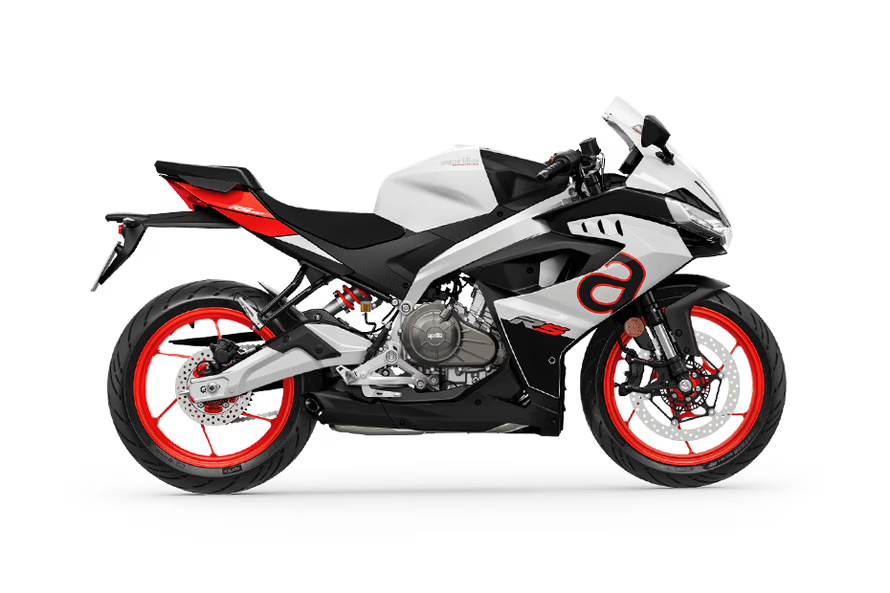
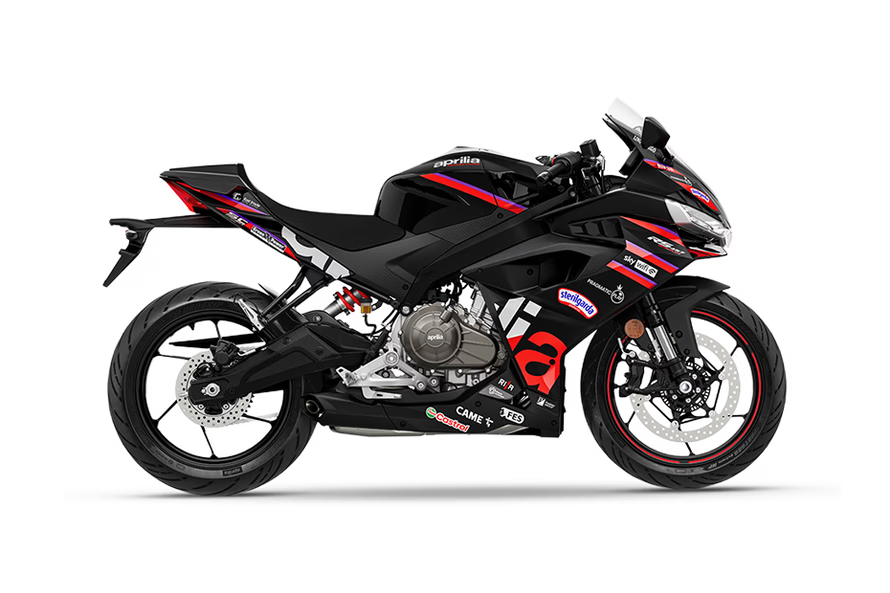
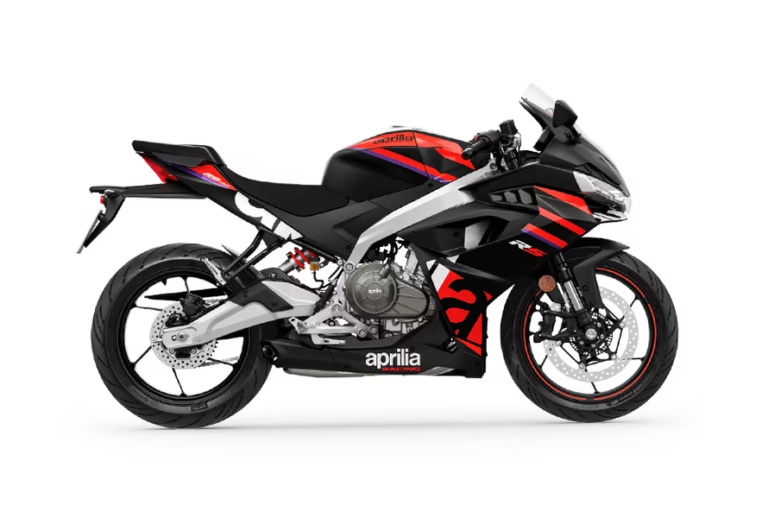
Aprilia RS 457
17.0 pts
Unweighted: 12 advantages
EnginePerformanceDimensionsBrakesTyresFeaturesOther
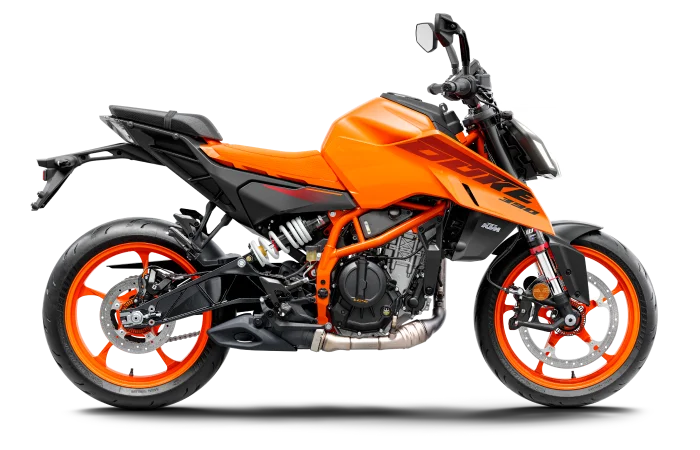
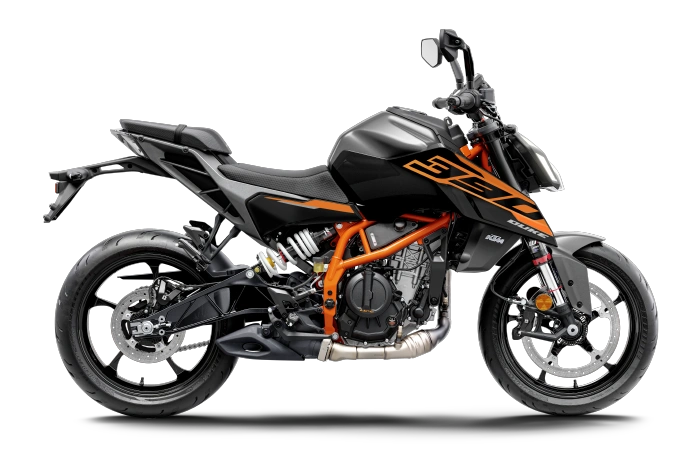
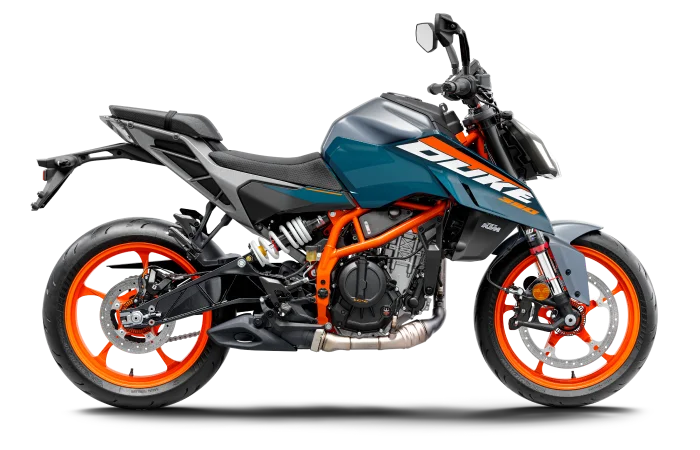
KTM 390 DUKE
9.5 pts
Unweighted: 10 advantages
EnginePerformanceDimensionsBrakesTyresFeaturesOther
| Specification | ||
|---|---|---|
Engine Specifications |
||
| Cooling System | Liquid-cooled | Liquid cooling with radiator |
| Displacement | 457 cc | 398.63 cc |
| Engine Type | 2 parallel forward-facing cylinders, 4 valves per cylinder | Single Cylinder, Liquid Cooled, DOHC, FI Engine |
| Power | 47.6 PS (≈ 35 kW) at 9,400 rpm | 33.8 kW @ 8500 rpm |
| Torque | 43.5 Nm at 6,700 rpm | 39 Nm @ 6500 rpm |
Performance & Efficiency |
||
| Fuel Tank Capacity | 13L | 15 L |
| Mileage | 30 kmpl | 30 kmpl |
Dimensions & Weight |
||
| Kerb Weight | 175 | 168.3 |
| Seat Height | 800 | 820 |
Brakes & Suspension |
||
| ABS | Dual Channel | Dual-channel ABS with SUPERMOTO mode |
| Front Brake | Disc 320 mm 4 Piston | 320 mm Disc with Radially mounted calliper |
| Front Suspension | 41mm upside-down fork, adjustable preload, 120mm travel | 5-click Compression & Rebound adjustable, Open Cartridge, WP APEX USD forks, 43mm diameter |
| Rear Brake | Disc 220 mm 1 Piston | 240 mm Disc with Floating calliper |
| Rear Suspension | Monoshock, adjustable preload, 130 mm wheel travel | Adjustable WP APEX Monoshock, 5-step Rebound damping, 10-step preload adjustable |
Tyres & Wheels |
||
| Front Tyre | 110/70 - 17 | 110/70 - ZR17 |
| Rear Tyre | 150/60 - 17 | 150/60 - ZR17 |
| Tyre Type | Tubeless | Tubeless |
| Wheel Type | Alloy | Alloy |
Features & Technology |
||
| Headlight | LED | Full Split LED Headlamp |
Other Specifications |
||
| Battery | 12v MF | 12 V, 8 AH MF battery |
| Bike Image 1 | https://motoautiv.com/wp-content/uploads/2026/04/Prismatic-Dark.avif | https://motoautiv.com/wp-content/uploads/2025/11/KTM-390-Duke-Electric-orange.webp |
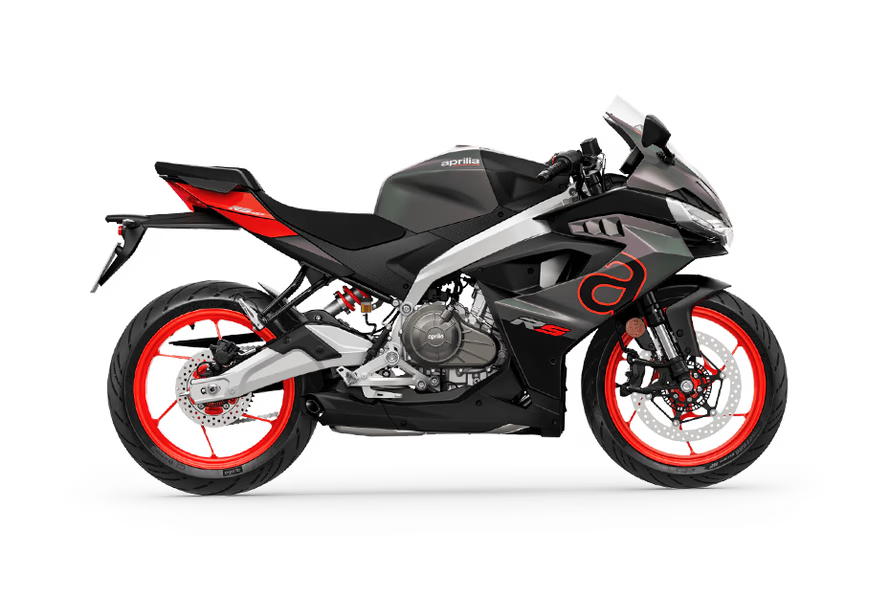
| Bike Image 2 | https://motoautiv.com/wp-content/uploads/2026/04/Opalescent-light.avif | https://motoautiv.com/wp-content/uploads/2025/11/KTM390DukeBlack_Booking.webp |
| Bike Image 3 | https://motoautiv.com/wp-content/uploads/2026/04/GP-Replica.avif | — |
| Bike Image 4 | https://motoautiv.com/wp-content/uploads/2026/04/Coral-Snake-blue.avif | — |
| Bike Image 5 | https://motoautiv.com/wp-content/uploads/2026/04/Arsenic-yellow.avif | — |
| Cluster | — | 5" TFT dash display |
| Color Options | Racing Stripes | #0F0F10, #C1121F Prismatic Dark | #1C1C1E, #6E6E73 Opalescent Light | #F5F5F5 GP Replica | #0B0B0C, #5A2CA0 Coral Snake blue | #1F3A93, #C1121F Arsenic yellow | #D4AF37, #6E6E73 | GUN METAL GREY | #4A4F55, #FF6600 ELECTRONIC ORANGE | #FF6600 ATLANTIC BLUE | #2F5D7C, #FF6600 |
| Cons | Seat height is a bit tall, may be challenging for shorter riders to place feet flat at stops. Mileage tends to be modest (around 30–35 kmpl), especially if ridden hard not ideal for those seeking fuel economy. Fuel tank capacity is moderate may require frequent refuelling on long rides or at high speeds. You'll need regular maintenance (for twin-cylinder engine, etc.) more involved than simple commuter bikes. Riding posture and engine character lean sporty less relaxed comfort compared to cruiser-style bikes or scooters. Insurance, maintenance, and running costs will be higher compared to smaller, entry-level bikes. | Firm (harsh) ride: The suspension can feel stiff over potholes or uneven surfaces, which may be tiring for long rides. Limited wind protection: Being a naked bike, you feel a lot of wind at highway speeds, making long-distance touring less comfortable. Engine heat: In slow or stop-go traffic, the radiator fan can dump hot air toward the rider’s legs, which many find uncomfortable. Seat comfort: The stock seat can feel firm and less comfortable for long rides; also, pillion comfort is limited. Vibration: Some riders report noticeable vibrations in certain RPM ranges, especially between ~4,500–6,000 rpm. Reliability concerns: There are occasional reports of reliability issues or quality control, especially in older models. |
| Detailed Overview | The Aprilia RS 457 is a fully faired motorcycle built around a 457cc parallel-twin engine. This engine produces around 47 PS of power and 43.5 Nm of torque, and it uses liquid cooling to maintain stable temperatures during regular riding. The engine is paired with a 6-speed gearbox, and the overall power delivery is designed to be smooth and predictable, which helps riders manage it in both city and highway conditions. The bike also comes with ride-by-wire throttle, which allows different riding modes to adjust how the engine responds. In terms of design, the RS 457 follows a typical supersport layout with a full fairing, a sharp front section, and a slightly aggressive riding posture. The aluminium frame helps keep the overall weight low, with a kerb weight of around 175 kg. The fuel tank capacity is about 13 litres, which is practical for daily use as well as weekend rides. The seat height is around 800 mm, making it accessible for a wide range of riders, although the forward-leaning position may take some getting used to. The suspension setup includes upside-down front forks and a rear monoshock, both tuned to provide stability at higher speeds. The setup leans slightly towards the firmer side, which can make bumps and uneven roads more noticeable, especially on typical Indian road conditions. The braking system includes a front disc and a rear disc, supported by dual-channel ABS, which helps maintain control during braking. The bike also uses wide radial tyres that offer grip in different riding situations. The Aprilia RS 457 comes with a modern electronics package that includes traction control and multiple riding modes. These features adjust parameters like throttle response to suit different riding conditions. All important information is displayed on a digital TFT screen, which shows speed, gear position, fuel level, and other details in a clear format. Some variants also offer a quickshifter as an option, allowing clutchless gear changes. The riding position is slightly committed, with clip-on handlebars and rear-set foot pegs, which gives it a sporty feel. At the same time, the overall size and weight make it manageable compared to larger supersport bikes. The bike is designed to offer a balance between performance and everyday usability, although factors like traffic conditions, road quality, and riding style will influence how it feels in regular use in India. | The KTM 390 Duke is built with a layout that focuses on keeping the bike compact while still offering strong performance for its size. It uses a 399cc, single-cylinder, liquid-cooled engine that produces around 45–46 bhp and close to 39 Nm of torque. The engine is paired with a 6-speed gearbox and comes with a slipper clutch and a quickshifter, which help make gear changes smoother in both city traffic and faster riding conditions. The throttle is controlled electronically through a ride-by-wire system, which adjusts how the engine responds to inputs. The bike is based on a steel trellis frame that works along with a lightweight subframe to keep the structure balanced. With a kerb weight of around 168 kg, it remains relatively light, which affects how easily it moves in traffic and how quickly it responds to steering inputs. The fuel tank capacity is about 15 litres, and the seat height is close to 800 mm, making it manageable for a wide range of riders. The riding position is upright with a slight forward lean, supported by a wide handlebar. Suspension is handled by WP Apex units, with upside-down forks at the front and a monoshock at the rear. Both ends are adjustable, allowing changes based on riding conditions. The bike runs on alloy wheels with wide tyres, which influence grip and stability during cornering as well as everyday riding. The setup is designed to maintain control without making the ride feel too soft. Braking is managed by a single disc at the front and a disc at the rear, supported by dual-channel ABS. The system also includes cornering ABS, which adjusts braking force based on the bike’s lean angle. These systems work automatically and are meant to provide stability in different riding situations without requiring constant input from the rider. The electronics package includes a TFT display that shows speed, fuel level, ride modes and other basic information. It also supports smartphone connectivity and allows the rider to switch between different riding modes, which change throttle response and system intervention levels. Features like traction control are also included, reflecting the level of technology now available in this segment. The design follows a sharp and compact naked bike style, with minimal body panels and exposed elements around the frame and engine. The tank, panels and overall proportions give it a tight and focused appearance. While many bikes in this category try to balance multiple roles, the 390 Duke’s setup keeps things centered around a specific type of riding, and that focus is visible in how its engine, chassis and features are put together. |
| Expert Review | The Aprilia RS 457 fits into the entry-level performance segment in India, where many riders are moving from smaller bikes to higher capacity machines. Its 457cc twin-cylinder engine feels smooth and manageable, but in daily city traffic, the riding posture and heat can still be noticeable. The suspension and chassis are set up for sporty riding, which means rough roads may feel slightly uncomfortable. It also comes with modern electronics that may take some time for new riders to fully understand. The service network is still growing, which can affect ownership experience in some cities. It is more suited for riders looking for performance-oriented riding rather than regular commuting., 4.1, MotoAutiv Team | In a segment where most motorcycles are expected to manage daily commuting along with occasional highway use, the KTM 390 Duke takes a slightly different direction. Its 399cc single-cylinder engine produces around 45–46 bhp and close to 39 Nm of torque, placing it among the more performance-focused options in its category. At the same time, changes in the latest version have made the power delivery smoother at lower speeds, which helps in typical city traffic conditions. The lightweight chassis and compact design make it easier to handle in tight spaces, something that suits Indian roads where traffic and road conditions can vary a lot. It also includes features like ride modes, traction control and a TFT display, reflecting how buyer expectations in this segment have evolved over time. In the broader context, the bike shows how the Indian market is gradually moving towards motorcycles that combine everyday usability with a stronger focus on performance and technology., 4.4, MotoAutiv Team |
| FAQ (Manual Override) | Q: What mileage does the Aprilia RS 457 give in real riding conditions? A: Most riders can expect around 25–30 km/l depending on traffic and riding style. Q: Is the Aprilia RS 457 a good upgrade from bikes like R15 or RC 200? A: Yes, many riders consider it as a next step because of the twin-cylinder engine and higher power, but the jump in performance is noticeable. Q: Is the Aprilia RS 457 beginner-friendly? A: It can be handled by beginners with care, but it may feel powerful for someone with no prior riding experience. Q: Does the Aprilia RS 457 heat up in traffic? A: Yes, like most sport bikes, engine heat is noticeable in slow-moving traffic. Q: Is the Aprilia RS 457 comfortable for long rides? A: It is manageable on highways, but the sporty seating position may cause discomfort on longer trips. | Q: What engine does the KTM 390 Duke have? A: It uses a single-cylinder, liquid-cooled, DOHC engine. Q: What is the displacement, power & torque of the 390 Duke? A: The displacement is about 398.6 cc. In the newer versions, it produces around 46 PS at 8,500 rpm and 39 Nm of torque at 6,500 rpm. Q: What is the seat height and weight of the 390 Duke? A: The seat height is 800 mm (or optionally 820 mm) depending on the version. The kerb weight is about 168.3 kg per KTM’s specification. Q: What is the fuel tank capacity and what is the mileage like? A: The fuel tank capacity is 15 litres in many versions. According to some sources, real-world fuel efficiency is around 25–30 km/l, depending on riding style. Q: What brakes and suspension does it use? A: It comes with WP APEX 43 mm upside-down front forks and a WP APEX monoshock at the rear. For brakes, there is a 320 mm front disc and a 240 mm rear disc, with a radially mounted caliper up front. Q: What is the ground clearance of the 390 Duke? A: The ground clearance is around 183 mm according to KTM India specifications. Q: What is the seat configuration and ergonomics like? A: It has a two-part seat design, with a slightly aggressive but comfortable rider position thanks to its upright handlebars. There’s also a “Supermoto mode” which lets you limit ABS intervention to the front brake, great for sliding control. Q: Does the 390 Duke come with smartphone connectivity? A: Yes, some variants support KTM MY RIDE via the 5-inch TFT dash, allowing for calls, music, and navigation integration. |
| Fuel System | Fuel injection | Fuel Injection |
| Price Variants | STD | 422229 GP Replica | 437228 | Standard | 339002 |
| Pros | Powerful 457 cc parallel-twin engine delivers strong acceleration and good mid-range punch. Smooth 6-speed gearbox with slipper clutch makes shifting crisp and rider-friendly. Dual-channel ABS and strong disc brakes (front + rear) give good stopping confidence, even in wet or tricky conditions. Upside-down front forks and adjustable rear suspension provide a good balance of comfort and handling, suitable for both city streets and open roads. 17" alloy wheels with wide tyres give excellent grip and stability during cornering or highway cruising. Full-LED lighting and 5" TFT digital instrument cluster offer modern feel and better visibility / readouts. Riding modes and traction control add versatility for different road conditions (city, rain, highways). Relatively manageable wet weight for a twin-cylinder bike makes it more nimble in traffic than heavier big bikes. | Excellent performance for its class: The 390 Duke’s single-cylinder engine delivers punchy acceleration and strong mid-range performance. Lightweight & nimble: With a relatively low kerb/wet weight, its chassis is very agile, making it easy to flick through corners and manoeuvre in traffic. Advanced electronics suite: Comes equipped with ride modes, traction control (MTC), cornering ABS, supermoto ABS, quickshifter, and a modern TFT display. Adjustable suspension: The front and rear suspension are adjustable (WP APEX), allowing riders to tune the setup depending on road conditions or riding style. Sharp styling & design: Features such as an exposed steel trellis frame, LED headlight, and aggressive design make it visually striking. Good build quality: Reviews note improved fit and finish on newer models, giving a premium feel. Decent fuel efficiency: Compared to its performance, it offers reasonable fuel efficiency for sporty riding. |
| Starter | Self start | Self Start Only |
| Transmission | 6-speed manual | 6 Speed Manual |