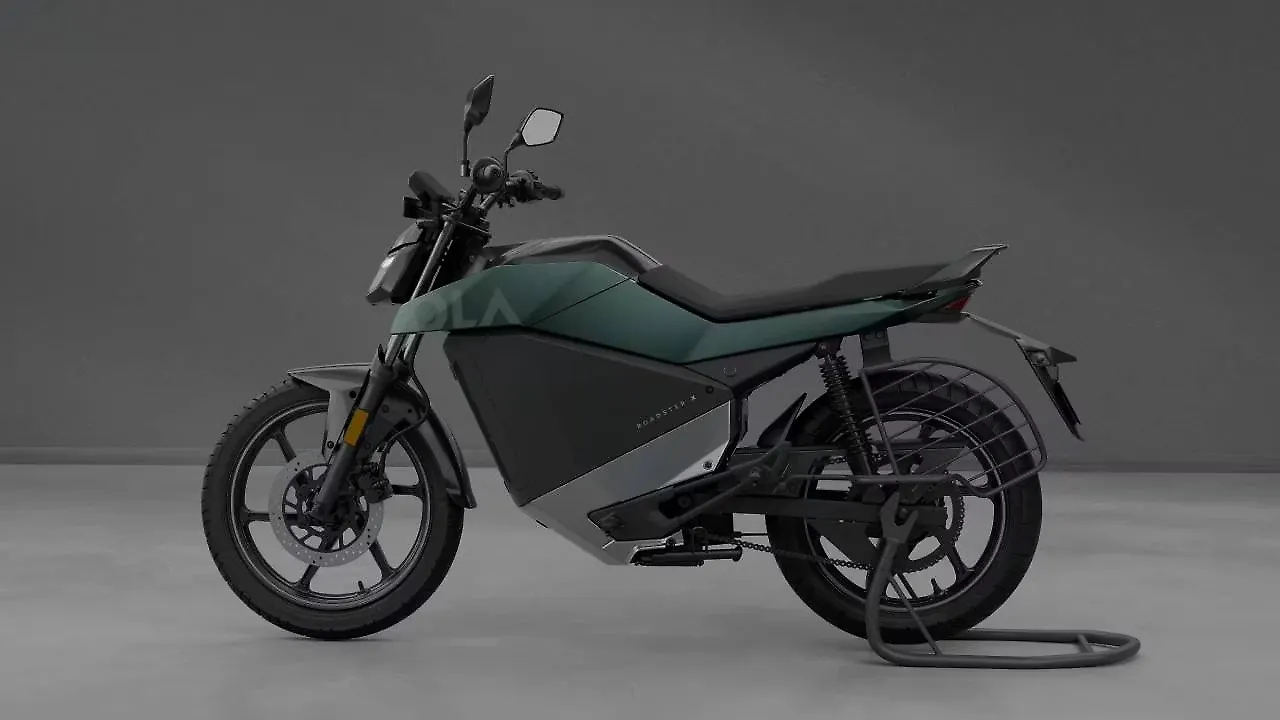
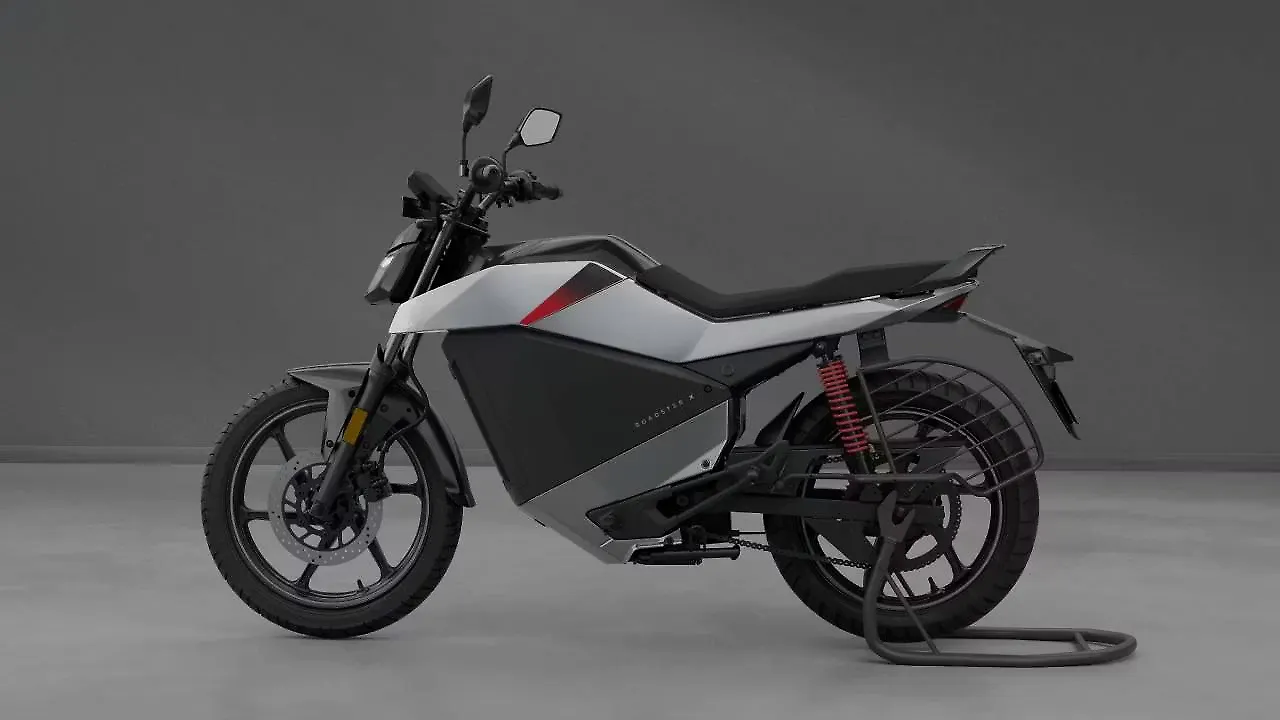
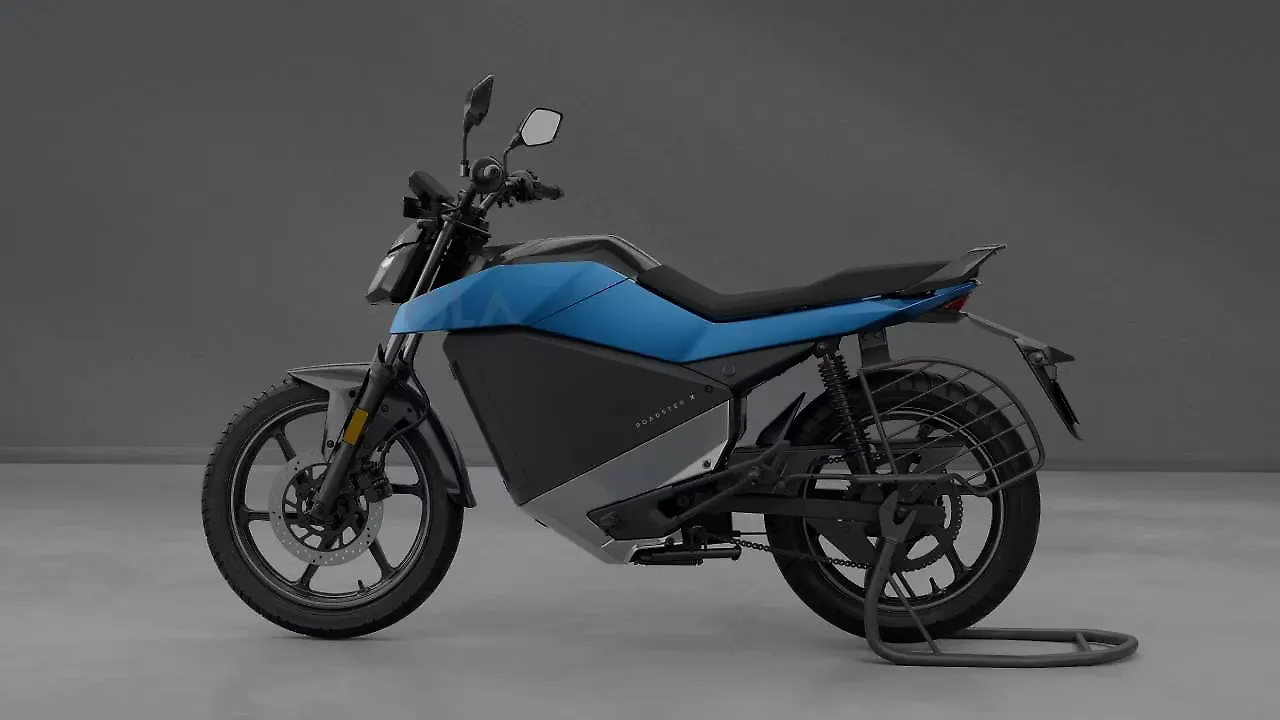
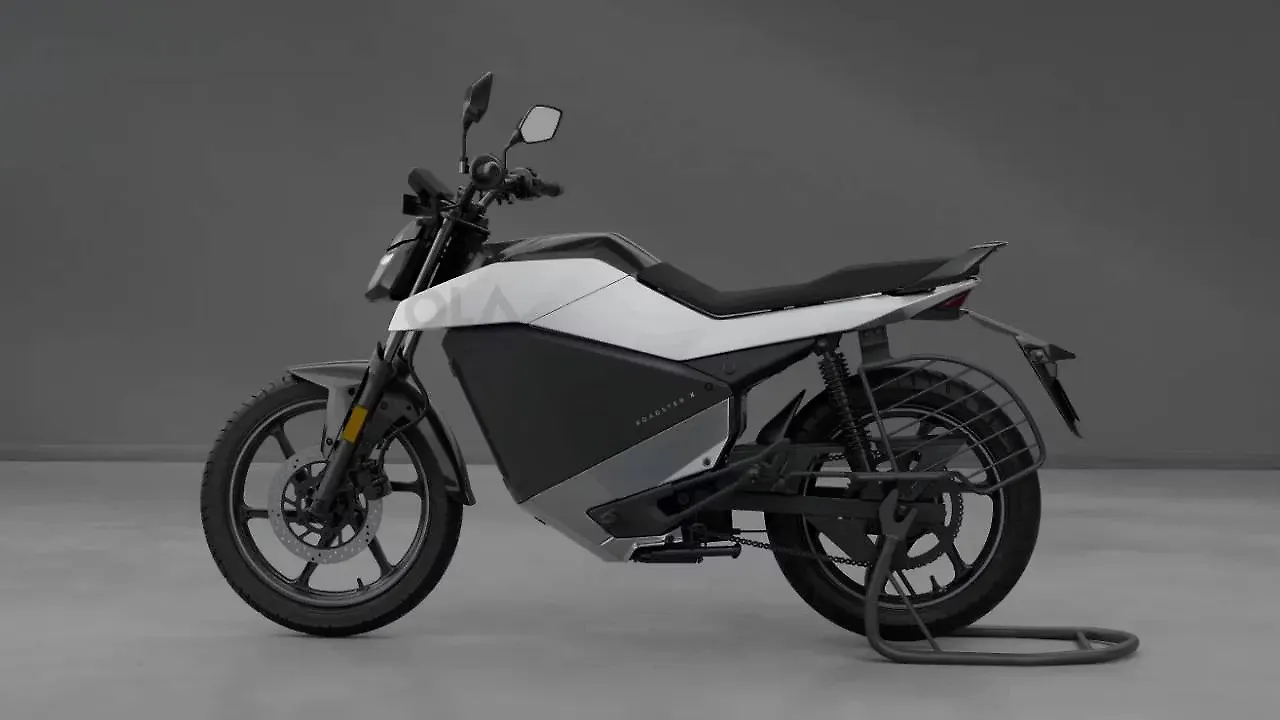
Riding the Roadster X feels like stepping into the future of everyday two-wheeler transport — silent, zippy, and stripped of the familiar fuss of fuel, gears, and choke. At its heart lies an electric mid-drive motor that quietly transforms the usual “kick-start, wait and roar” ritual into “plug in, twist throttle, go.” Depending on which battery pack you go for, the Roadster X offers a mix of convenience and versatility. Variants come with battery capacities such as 2.5 kWh, 3.5 kWh, 4.5 kWh — and at the top end under the “Roadster X+” badge, there’s an option with a beefy 9.1 kWh pack.
For a regular 4.5 kWh build, the motor delivers about 7 kW of power, producing sufficient torque to handle city traffic and suburban roads with ease. On the more powerful 9.1 kWh + 11 kW variant, punch increases noticeably — you get brisk acceleration, and the scooter feels more alive when you twist the throttle. In fact, the top-end version claims a 0–40 km/h sprint in around 2.7 seconds, which is enough to feel lively when pulling out into traffic or overtaking slower vehicles. The top speed of the more powerful variant is around 125 km/h — not just “scooter- slow,” but enough for comfortable highway cruising when roads are decent (and legal).
Range is one of the parts where Roadster X tries to impress. With the 4.5 kWh battery, a claimed “IDC” range hovers around 252 km. With the 9.1 kWh battery, the company goes so far as to quote up to 501 km on a full charge. That’s a headline number that would make any commuter hopeful — in real-world riding, especially city commutes with frequent start-stops or occasional highway stretches, you’ll likely get lower. But the big battery still gives you breathing room: occasional long rides, fewer charging stops, and a sense of freedom without obsessing over where the next plug point is.
On roads — especially the sometimes rough, uneven roads of many Indian towns and cities — the Roadster X is set up thoughtfully. It uses a traditional telescopic front fork and twin-shock rear suspension, a tried-and-tested combo that balances comfort and stability. In everyday riding — potholes, speed-breakers, unpredictable patches — this setup might not feel like a plush cruiser, but it tends to handle typical urban/suburban unevenness without harshness. The frame — a double-cradle steel chassis built for strength — helps maintain composure, even when roads get unpredictable.
Maneuverability is key in daily commuting and tight traffic, and Roadster X is more nimble than bulky bikes. Its dimensions (wheelbase, saddle height, overall width) give it relative agility compared to bigger motorcycles. The weight is modest enough that dipping through traffic, parking, or navigating narrow lanes doesn’t demand excessive effort. In a place with mixed traffic — scooters, bicycles, pedestrians, rickshaws — this translates to easier life.
Stopping and safety – often underrated — get decent attention. The higher variants come with a front disc brake (plus rear drum), and a “brake-by-wire” system that, paired with what the designers intended, blends mechanical and regenerative braking intelligently. For city speeds, that gives enough braking bite and some confidence in sudden stops or unpredictable traffic movement.
On the user-experience and convenience front, Roadster X feels modern. The instrumentation is a 4.3-inch colour LCD display — clean, digital, and likely easier to read than older analog-plus-LED clusters. There are selectable ride-modes: Eco, Normal, and Sports — letting you prioritize efficiency, balanced riding, or performance depending on mood or road. It supports smart features: connectivity via app, ability to locate charging stations, energy-insight readouts (helpful to track how your riding style affects range), and even reverse-assist (rare for two-wheelers, and useful when maneuvering in tight parking spots). On-board LEDs for headlamp and taillight + tubeless alloy wheels add to modern EV-two-wheeler sensibility.
For folks thinking about cost — one of the main reasons people look at electric bikes — Roadster X tries to keep things reasonable. The entry-level variant starts at a base ex-showroom price that’s very competitive compared to many internal-combustion bikes, while the higher variants offer a compelling value if you plan to ride regularly and cover good km. For someone commuting daily, doing errands, or even occasional longer rides — especially if fuel and maintenance costs matter — Roadster X presents a tempting proposition of “silent, no-fuss, and economical as long as you have access to charging.”
Riding the Roadster X in real life, you’d likely notice a few things. Around town with mixed-speed traffic and lots of stops, the instant torque and smooth power delivery make riding almost effortless — no gear shifts, no vibrations, no noise. Traffic lights, roundabouts, slow-moving vehicles: you glide through them without the jerks or lurches typical of small-petrol bikes. On decent stretches of road or highway, the top-end variant opens up, allowing confident overtakes and stable cruising.
Of course, it’s not a luxury or premium superbike — but that’s not its aim. What it aims for — and largely delivers — is a practical, cost-efficient electric commuter/mobility bike that gives you the freedom to move without worrying much about fuel, frequent maintenance, or noise. For city dwellers, young riders, daily commuters, or people wanting a sensible transition toward electric two-wheelers, Roadster X could well represent the “sweet spot.”